
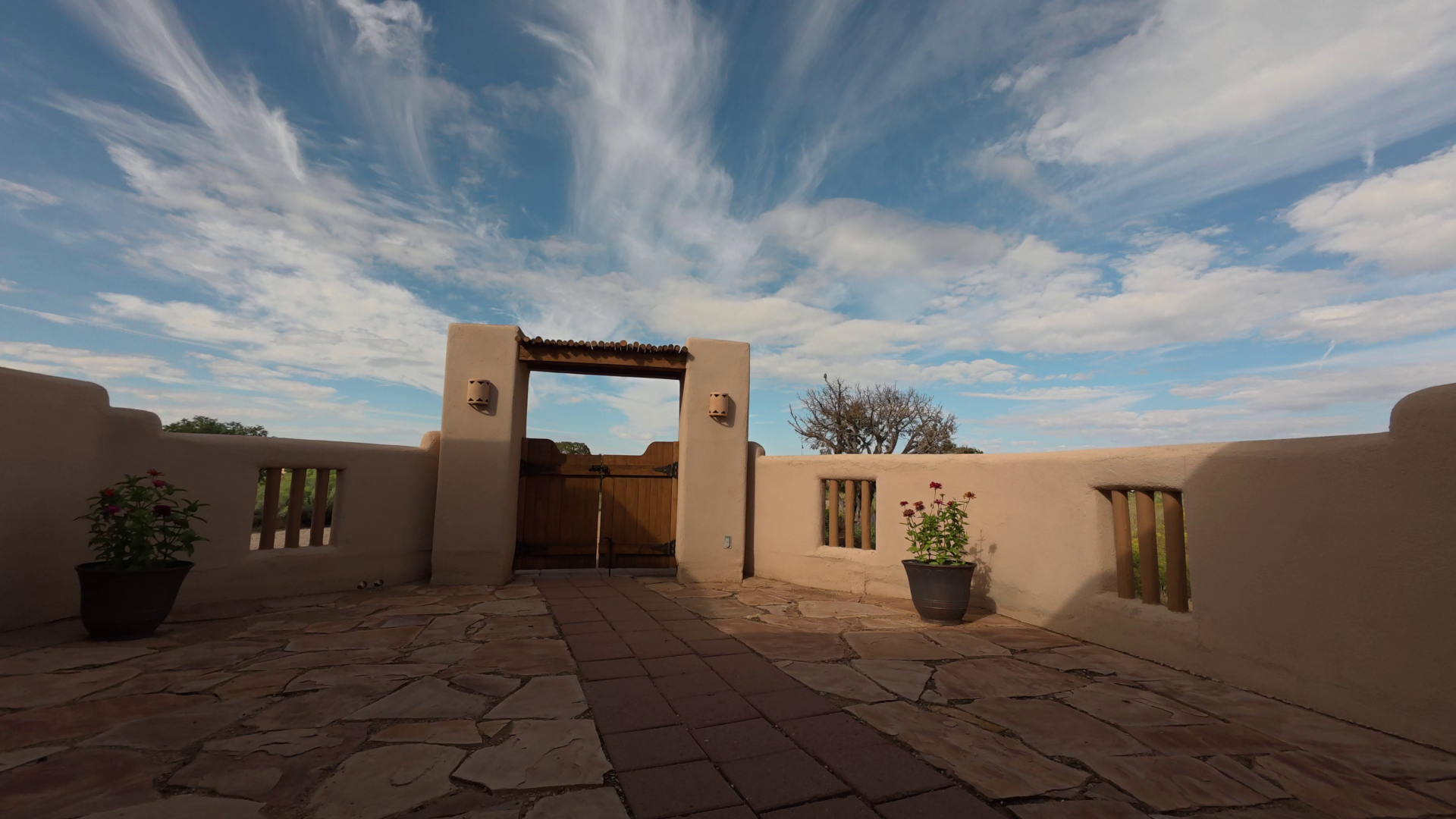
The last morning of August 2025 greeted me with one of those magical moments that make living in Santa Fe, New Mexico, an endless source of wonder. As I stepped onto the back portal of Casa Santa Fe with my morning coffee, the sky above stopped me in my tracks. What spread across the heavens was nothing short of spectacular—a dynamic, ever-changing masterpiece that seemed tailor-made for capturing on film.
When Two Worlds Collide: A Meteorological Ballet
There's something uniquely captivating about Santa Fe's position at 7,199 feet above sea level that creates perfect conditions for extraordinary cloud formations. This particular morning showcased exactly why this high desert city has become a mecca for photographers and videographers seeking dramatic sky scenes. The atmosphere was staging a performance of epic proportions, with two distinct layers of clouds moving in a celestial dance that would make any timelapse enthusiast's heart skip a beat.
The lower layer consisted of scattered cumulus clouds, those classic puffy white formations that look like nature's own cotton balls floating lazily across the sky. These beauties were riding the prevailing wind patterns, flowing steadily from southwest to northeast—a typical weather pattern for our region during late summer. But what made this morning truly special was the presence of a higher altitude layer of broken cirrus clouds, those wispy, feathery formations that streak across the sky like delicate brushstrokes on an artist's canvas.
While the cumulus clouds below moved with purpose and steady rhythm, the cirrus above drifted more slowly, traveling from south to north in a completely different direction. This crossing pattern of cloud layers created a mesmerizing visual effect that seemed almost choreographed—as if Mother Nature herself had designed the perfect setup for a cloud formation timelapse video.
Setting Up the Perfect Shot
Living in Santa Fe for years has taught me to recognize when the sky is offering up something extraordinary. Without hesitation, I grabbed my trusty action camera and headed to the front portal, which faces southwest toward the distant mountains. The southwestern exposure from Casa Santa Fe provides an unobstructed view of the expansive sky that stretches endlessly toward the Jemez Mountains and beyond.
Positioning the camera on a steady mount is crucial for successful timelapse photography, especially when capturing cloud movements that can span several hours. I set the interval to capture a frame every three seconds—a sweet spot I've discovered through years of documenting the wilderness and wildlife of the American Southwest. This interval is fast enough to capture the subtle movements of cloud formations while producing a final video that flows smoothly without being too choppy or too slow.
The beauty of Santa Fe's high desert location is that our clear, dry air provides exceptional visibility and contrast. The deep blue sky that serves as a backdrop to our cloud formations creates the perfect canvas for dramatic timelapse sequences. The low humidity means clouds maintain their crisp edges and distinct shapes, rather than becoming hazy or indistinct as they might in more humid climates.
The Magic Unfolds
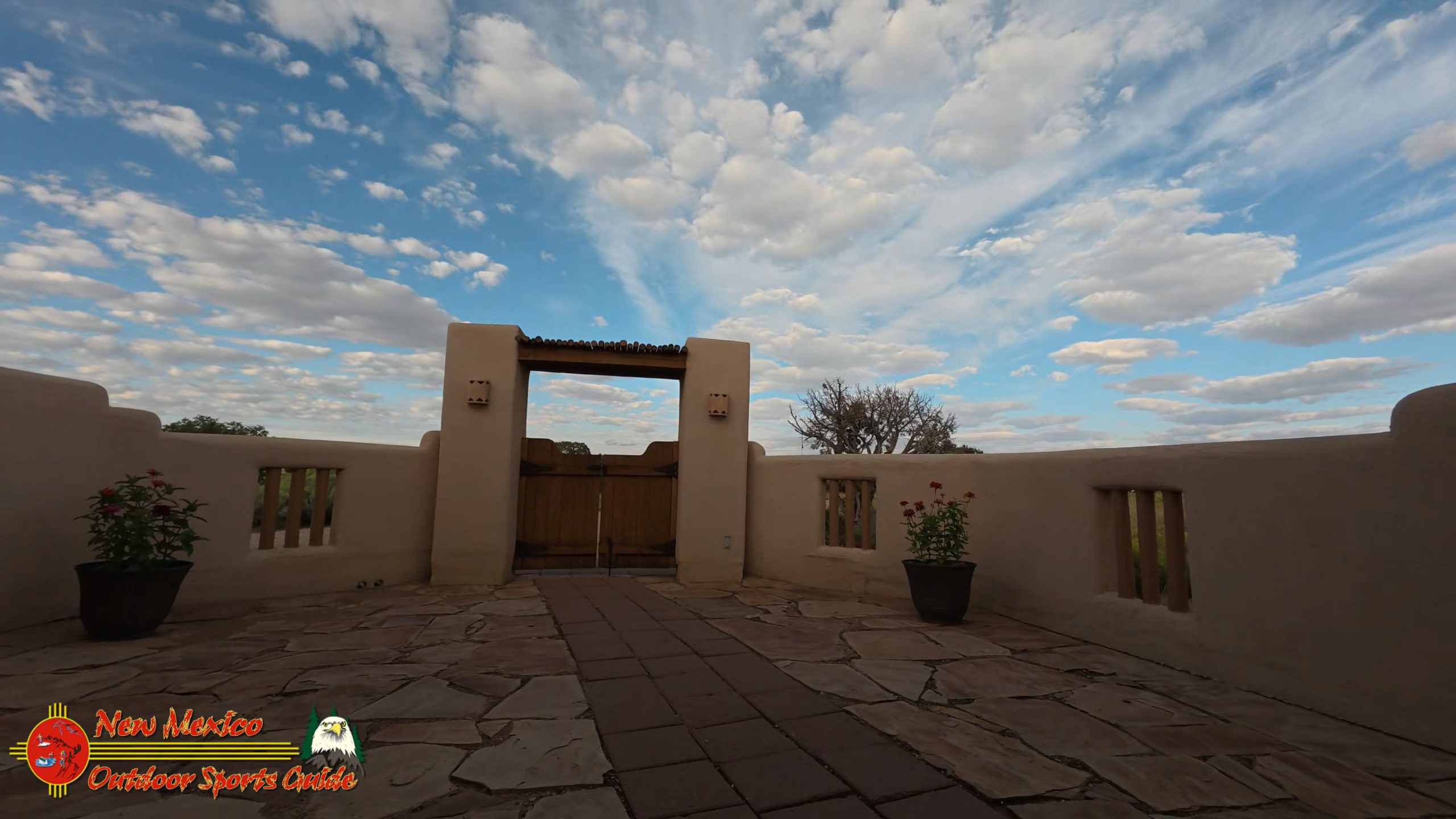 As the morning progressed, the sky continued its spectacular performance. The crossing cloud layers created an ever-changing pattern of shadows and light that played across the landscape below. From my vantage point, I could watch the cumulus clouds casting moving shadows across the rolling hills and arroyos that define our high desert terrain, while the wispy cirrus above added texture and depth to the entire scene.
What makes Santa Fe particularly special for cloud formation timelapse videos is our unique geographic position. Situated on a high plateau between the Sangre de Cristo Mountains to the east and the Jemez Mountains to the west, Santa Fe sits in a location where different air masses and wind patterns converge. This geographic positioning creates the perfect conditions for the formation of multiple cloud layers at different altitudes, each responding to different atmospheric pressures and wind directions.
The result is exactly what I witnessed this morning—a dynamic sky where clouds at various elevations move independently, creating complex patterns and interactions that are absolutely mesmerizing when captured in timelapse format. The southwest-to-northeast flow of the lower cumulus clouds is influenced by the general weather patterns that move across New Mexico, while the higher cirrus clouds respond to upper atmospheric winds that can have completely different characteristics.
Technical Considerations for Cloud Timelapse Success
Creating compelling cloud formation timelapse videos requires more than just pointing a camera at the sky and pressing record. Through years of photographing and filming the landscapes of Arizona, Utah, Colorado, and New Mexico, I've learned that successful timelapse work demands attention to several critical factors.
First, stability is everything. Even the slightest camera movement during a multi-hour shoot will result in a jittery, unwatchable final video. This is why I always use a solid tripod or mounting system, and I've learned to account for wind conditions that can affect camera stability during long shoots. Santa Fe's elevation and open terrain mean we often experience steady breezes that can gradually shift an inadequately secured camera.
Second, timing is crucial. Cloud formation timelapse videos work best when there's actual movement and change happening in the sky. Static clouds, while beautiful to look at, don't make for compelling timelapse footage. This morning's dual-layer system was perfect because both layers were actively moving, creating constant change and interaction throughout the shooting period.
The three-second interval I chose strikes an excellent balance for cloud movement. Intervals that are too short result in massive file sizes and minimal apparent movement between frames. Intervals that are too long can miss subtle changes and create jerky motion in the final video. Through experimentation, I've found that three to five seconds works beautifully for most cloud formations, though faster-moving storm systems might require shorter intervals.
Santa Fe's Unique Atmospheric Conditions
Living at nearly 7,200 feet above sea level provides Santa Fe with atmospheric conditions that are ideal for dramatic cloud formations and excellent visibility for timelapse work. Our high altitude means we're often above the haze and pollution that can obscure visibility in lower elevation areas. The thin, dry air provides exceptional clarity that allows cameras to capture crisp details in cloud formations even at great distances.
The seasonal weather patterns that affect northern New Mexico also contribute to our spectacular skies. Late summer, when this particular video was captured, is characterized by what locals call the "monsoon season," though our version is quite different from the true monsoons experienced in other parts of the world. During this period, moisture from the Gulf of Mexico and the Gulf of California can create afternoon thunderstorms and fascinating cloud formations as different air masses interact over our high desert landscape.
The contrast between our typically clear morning skies and the afternoon buildup of cumulus and cumulonimbus clouds provides endless opportunities for dramatic timelapse sequences. Many of my most successful cloud formation timelapse videos have been captured during this transitional period when the atmosphere is actively changing throughout the day.
The Art of Patience and Observation
One of the most rewarding aspects of creating cloud formation timelapse videos is the opportunity to truly observe and appreciate the constant changes happening in our atmosphere. While the camera captures frames every few seconds, I often spend the entire shoot period watching the sky, noting how different cloud types form, evolve, and dissipate.
This morning's shoot reinforced something I've learned through decades of outdoor observation: the sky is never truly static. Even on days that appear calm and unchanging, there are always subtle movements, formations, and interactions happening overhead. The key to successful timelapse work is learning to recognize when these changes will create compelling visual content.
During the several hours I spent capturing this particular sequence, I watched the interplay between the two cloud layers become increasingly dramatic. As the morning progressed and thermal heating began to affect the atmosphere, the cumulus clouds began to show more vertical development, while the cirrus layer remained relatively stable. This created an evolving dynamic that translated beautifully into the final timelapse video.
Post-Production Magic
After several hours of capturing, I was eager to review the results. The beauty of digital timelapse work is the immediate gratification of being able to preview your sequence shortly after shooting. As I compiled the individual frames into a video sequence, I could see that the crossing cloud layers had been captured perfectly.
The final video revealed details and patterns that weren't immediately apparent to the naked eye during the shoot. The three-second interval had captured the steady flow of the cumulus clouds while also showing the more subtle movement of the cirrus layer above. The result was a mesmerizing sequence that compressed several hours of sky activity into a few minutes of captivating footage.
I also extracted several still frame captures from the sequence, each showing different moments in the cloud formation evolution. These individual frames serve as both artistic images in their own right and as documentation of the specific atmospheric conditions present during the shoot.
Santa Fe: A Timelapse Photographer's Paradise
After years of documenting the wilderness and wildlife of the American Southwest, I can confidently say that Santa Fe offers some of the finest conditions for cloud formation timelapse videos found anywhere. Our combination of high elevation, clear air, diverse terrain, and dynamic weather patterns creates perfect conditions for dramatic sky photography.
The view from Casa Santa Fe toward the southwest provides an unobstructed panorama that extends for a hundred miles. This expansive view allows for capturing cloud formations as they approach from great distances, documenting their evolution and movement across the entire visible sky. The contrast between our high desert landscape and the often dramatic sky above creates compelling compositions that work beautifully in timelapse format.
Throughout different seasons, Santa Fe's skies offer varying opportunities for timelapse work. Winter often brings high, thin clouds that create subtle, ethereal sequences. Spring can produce dramatic storm systems moving across the landscape. Summer's monsoon season provides afternoon thunderstorm development that can be spectacular when captured in timelapse. And autumn often delivers some of the clearest, most stable atmospheric conditions of the year.
The Rewards of Sky Watching
As I sipped my coffee and watched the morning's cloud formation timelapse video sequence unfold on my camera's display, I was reminded once again why I chose to settle in this remarkable place. Santa Fe's skies provide an endless source of wonder and photographic opportunity that never fails to inspire.
The crossing cloud layers captured in this particular video represent just one example of the atmospheric dramas that play out above our high desert landscape on a regular basis. Each day brings new possibilities, new formations, and new opportunities to document the ever-changing canvas of our southwestern sky.
For anyone interested in creating their own cloud formation timelapse videos, Santa Fe, New Mexico, offers ideal conditions and endless inspiration. The combination of our unique geographic position, high elevation, clear air, and dynamic weather patterns creates perfect conditions for capturing the kind of dramatic sky sequences that make viewers pause and appreciate the natural world around us.
This morning's shoot reminded me that some of the most spectacular shows on Earth happen right above our heads, free for anyone willing to look up and pay attention. In a world increasingly focused on screens and devices, there's something profoundly satisfying about spending several hours simply watching the sky and documenting its constant, subtle changes.
The resulting cloud formation timelapse video serves as both an artistic creation and a scientific record of specific atmospheric conditions on a particular morning in Santa Fe. It's a reminder that every day offers new opportunities to witness and document the natural wonders that surround us, if we only take the time to look up and appreciate the ever-changing masterpiece painted across our southwestern sky.
For more wilderness and wildlife photography and timelapse videos from the mountains and deserts of the American Southwest, visit the New Mexico Outdoor Sports Guide blog and YouTube channel, where the natural beauty of Arizona, Utah, Colorado, and New Mexico comes alive through the lens.

0 Comments