
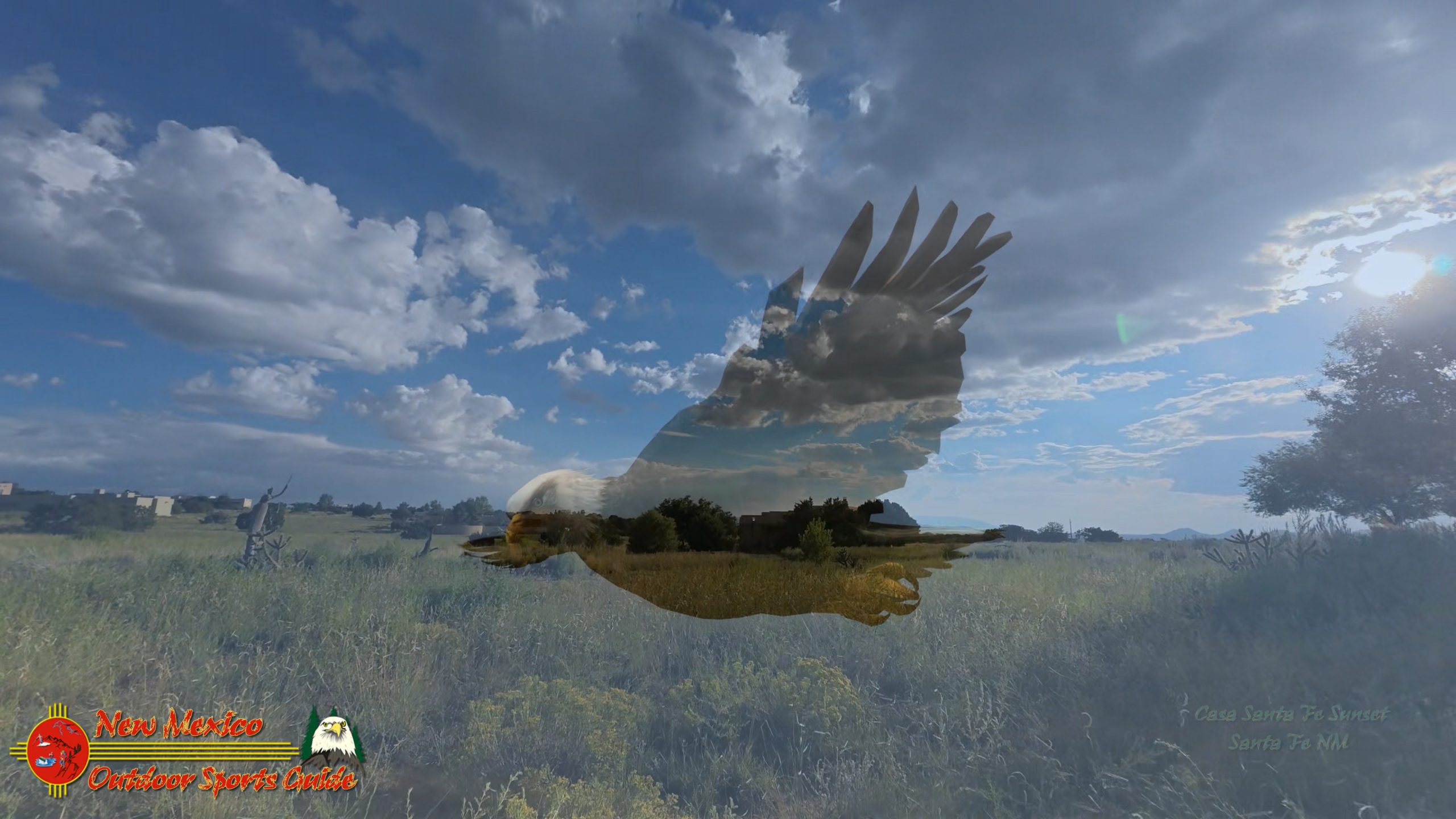
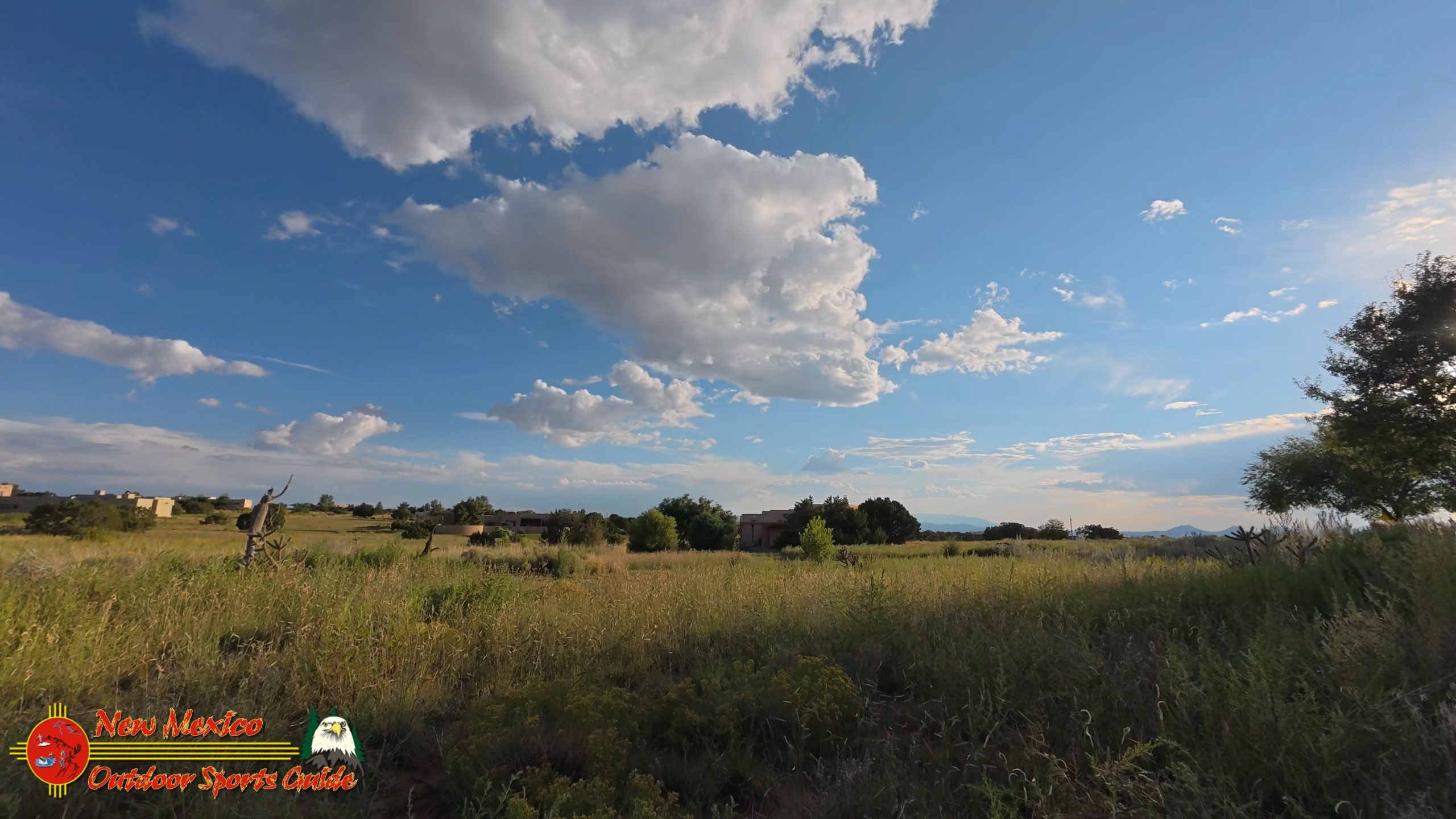
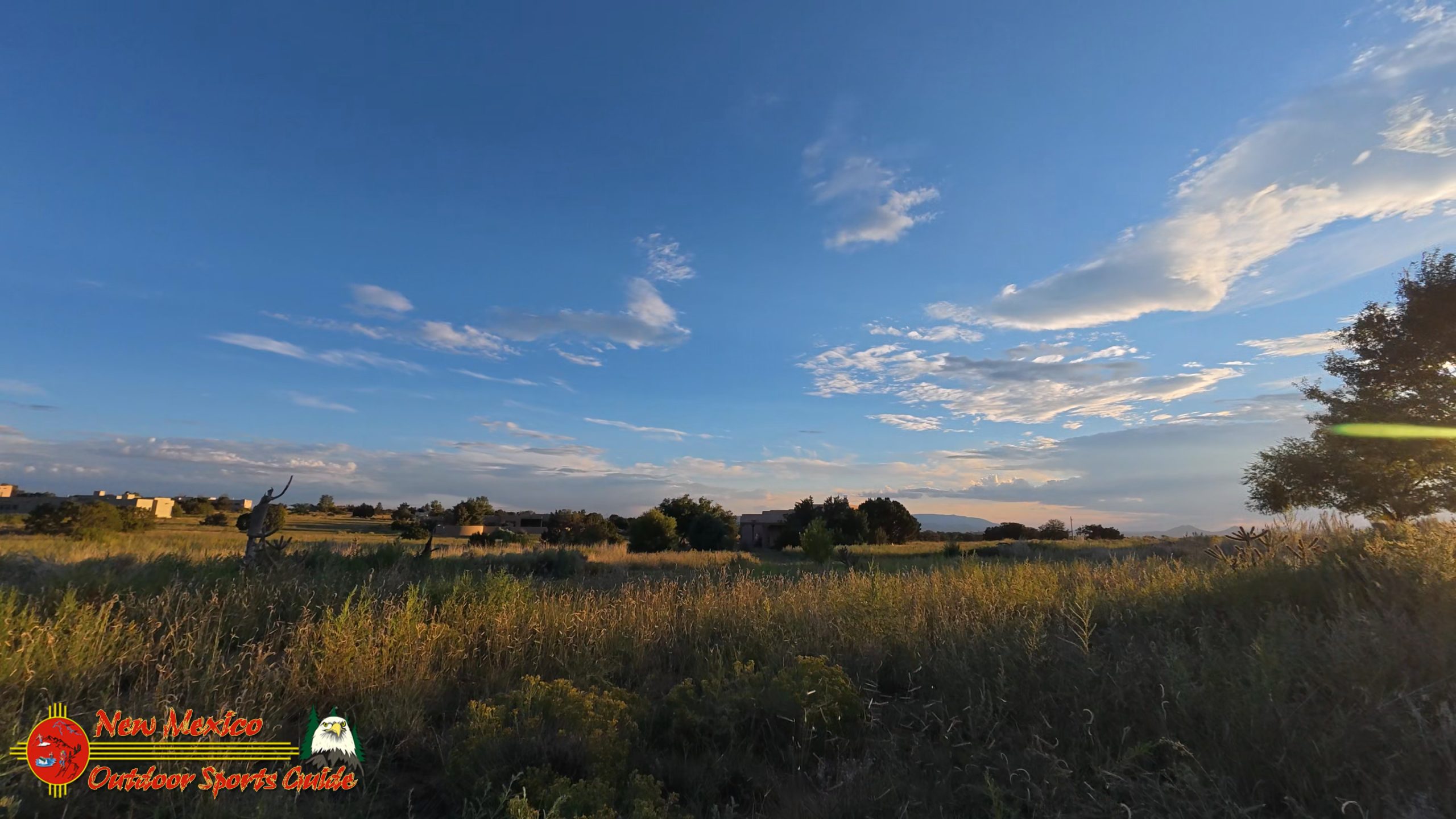
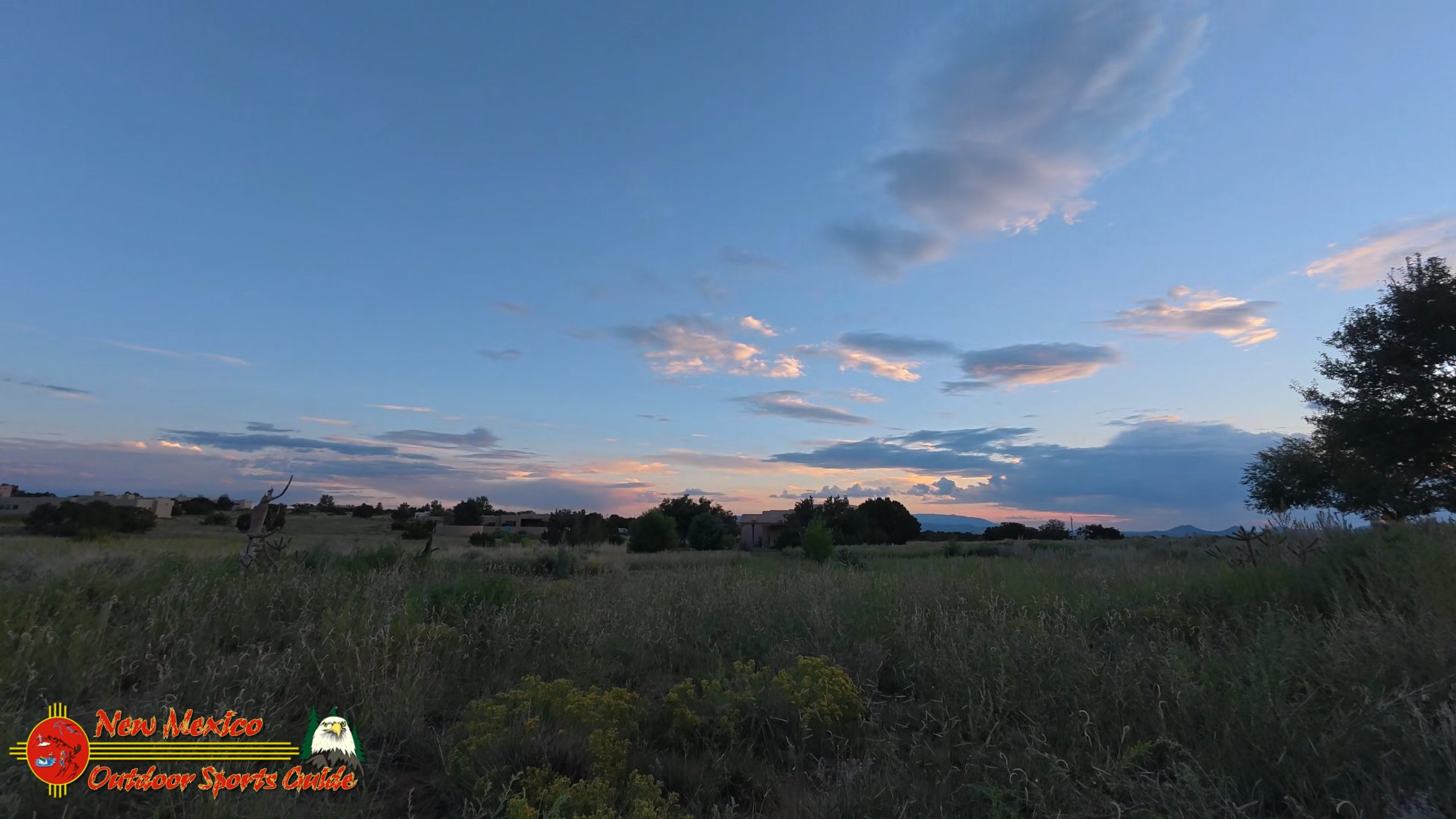
September 2, 2025 - Casa Santa Fe, New Mexico
There's something profoundly satisfying about watching the sky transform during those magical hours when day surrenders to night. As an octogenarian who's traded the hurried pace of business ownership for the leisurely rhythms of retirement, I've discovered one of life's greatest luxuries: time. Time to witness the daily spectacle of sunset and moonrise without glancing at a watch or rushing off to the next appointment.
Last evening here at Casa Santa Fe, I was reminded once again why timelapse video has become my preferred method for capturing these celestial performances. The forecast called for interesting cloud formations, and with a nearly full moon scheduled to rise just after sunset, I knew September 2nd would offer the perfect opportunity for a sunset and moonrise timelapse video that would showcase the dramatic landscape transformations that occur when the high desert sky puts on its evening show.
The Magic of Retirement Timing
One of the unexpected gifts of retirement is the freedom to be present for nature's daily schedule. During my years running Centaur Installations, flying across the country in my twin-engine Beechcraft Baron, or managing the complex logistics of laboratory equipment installations, sunsets were often something I glimpsed through an office window or caught fragments of while driving home after dark. The irony wasn't lost on me – here I was, a pilot who spent thousands of hours in the sky, yet rarely had the luxury of simply standing still and watching it change colors.
Now, settled into the rhythm of life at Casa Santa Fe with its sweeping views of the Sangre de Cristo Mountains, I find myself naturally attuned to the sky's moods. The afternoon light hitting the adobe walls tells me when it's time to consider the evening's photographic possibilities. The way clouds build over the peaks in the distance signals whether the sunset might be spectacular or subdued. It's a different kind of flight planning – one measured not in nautical miles and fuel calculations, but in light angles and cloud formations.
Why Timelapse Video Captures What Still Photography Cannot
Having spent years documenting the wilderness and wildlife of the American Southwest through both photography and video for publications like the New Mexico Outdoor Sports Guide and my YouTube channel, I've learned that some natural phenomena simply demand motion to be fully appreciated. A sunset and moonrise timelapse video compresses hours of gradual change into minutes of captivating transformation, revealing patterns and progressions that our eyes, accustomed to real-time observation, often miss.
Still photography can capture a single moment of beauty – that perfect instant when the light hits the clouds just right, or when the moon emerges from behind a mountain peak. But timelapse video tells the complete story. It shows us how the warm light creeps across the landscape, how shadows lengthen and shift, how clouds morph and dance across the sky, and how the moon's journey creates its own narrative arc through the evening.
The technical aspects of creating a sunset and moonrise timelapse video have evolved dramatically since my early days of teaching myself computer programming to develop custom software for my construction business. Back then, if someone had told me I'd be using sophisticated cameras and editing software to compress time itself into shareable digital stories, I would have been fascinated but skeptical. Now, with decades of technological advancement at our fingertips, creating these temporal artworks has become both accessible and incredibly rewarding.
Setting Up for September 2nd's Performance
As afternoon light began its familiar dance across Casa Santa Fe's windows, I studied the western sky with the practiced eye of someone who's learned to read atmospheric conditions. Years of flying taught me to interpret cloud formations, wind patterns, and the subtle signs that suggest how weather might develop. The clouds building over the mountains had that particular density and structure that promised color – not the flat, uniform overcast that produces bland sunsets, but the broken, varied formations that create the dramatic interplay of light and shadow necessary for spectacular timelapse footage.
The moon was scheduled to rise at approximately 8:47 PM, just as the last vestiges of daylight would be fading from the western horizon. This timing presented the perfect opportunity for a sunset and moonrise timelapse video that would capture both celestial events in a single, continuous sequence. The challenge would be maintaining proper exposure settings as the light levels dropped dramatically, transitioning from the bright colors of sunset to the subtle illumination of moonrise.
I positioned my camera on the sturdy tripod just outside Casa Santa Fe, careful to frame the shot to include both the western horizon where the sunset would unfold and the eastern sky where the moon would make its appearance. The composition needed to tell a complete story – the warm adobe walls of the house would provide foreground interest, while the expansive sky would serve as the stage for the evening's main performance.
The Dance of Santa Fe Sunset Clouds
What unfolded over the next several hours was nothing short of magical. The cloud formations that had been building throughout the afternoon began their transformation as the sun descended toward the western horizon. Unlike the flat, predictable sunsets often seen in areas with less dramatic topography, Santa Fe's high desert location at 7,200 feet elevation creates unique atmospheric conditions that can turn an ordinary evening into an extraordinary visual experience.
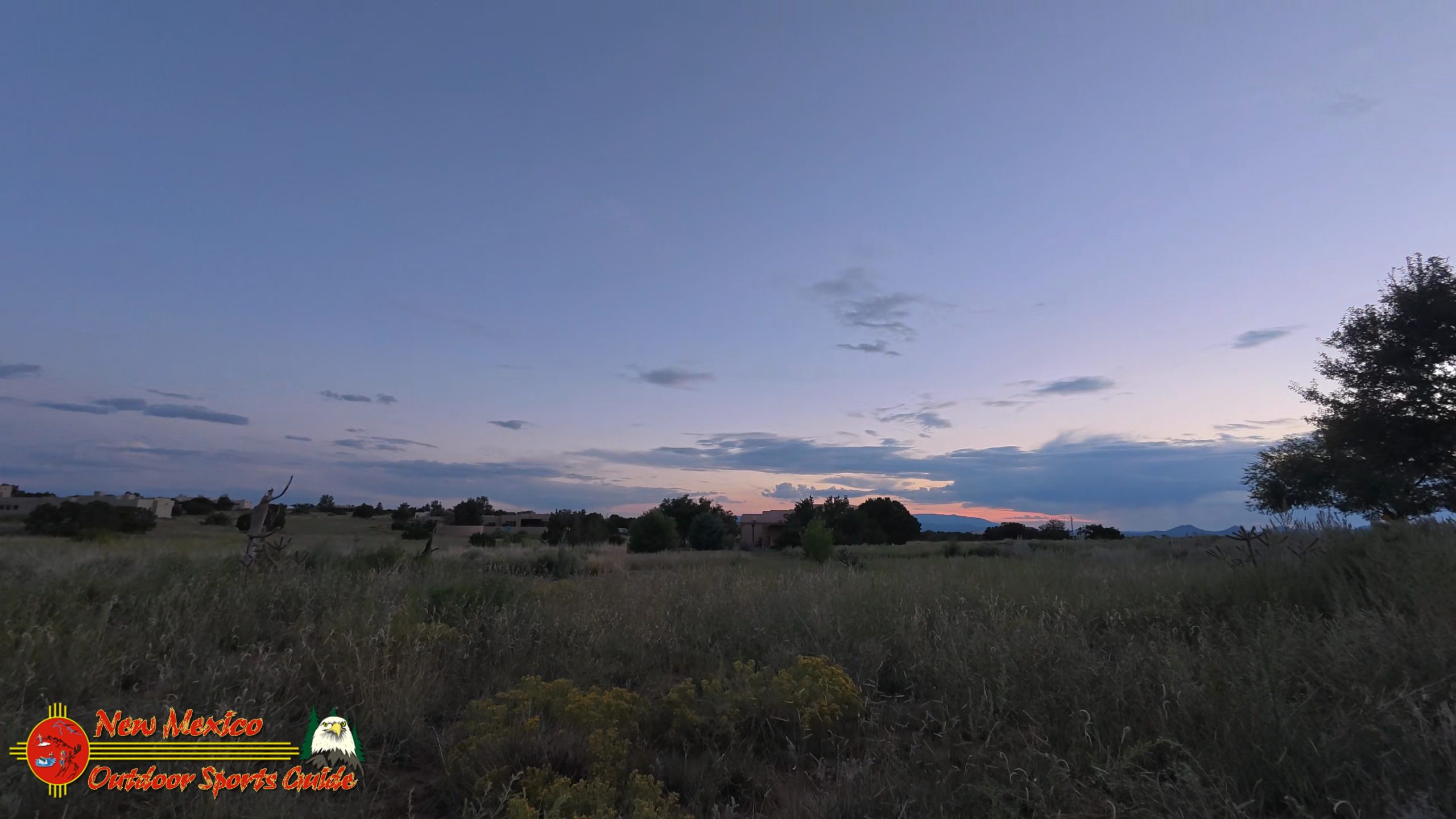
The clouds began their color progression around 7:30 PM, starting with subtle golden highlights that gradually intensified as the sun's angle lowered. Living at this elevation, with clear air and minimal atmospheric pollution, means colors appear more saturated and pure than in lower, more humid locations. The timelapse camera captured each subtle shift as the clouds evolved from white and gray to gold, then orange, then deep red and purple.
What makes a sunset and moonrise timelapse video particularly compelling is how it reveals the three-dimensional nature of cloud formations. In real-time, we tend to see clouds as relatively static elements in the sky. But compressed into timelapse, their true nature as dynamic, flowing atmospheric rivers becomes apparent. The September 2nd clouds moved in distinct layers – high cirrus streams flowing from the southwest, middle-altitude cumulus building and dissipating over the mountains, and lower stratocumulus providing the perfect canvas for the sun's final performance.
The most dramatic moment came as the sun approached the horizon line. For about twenty minutes, the entire western sky transformed into a canvas of warm colors that seemed to pulse and breathe with life. The timelapse camera captured color transitions that happened too gradually for the human eye to fully appreciate in real-time, but became clearly visible when compressed into accelerated footage.
Moonrise Through Broken Clouds
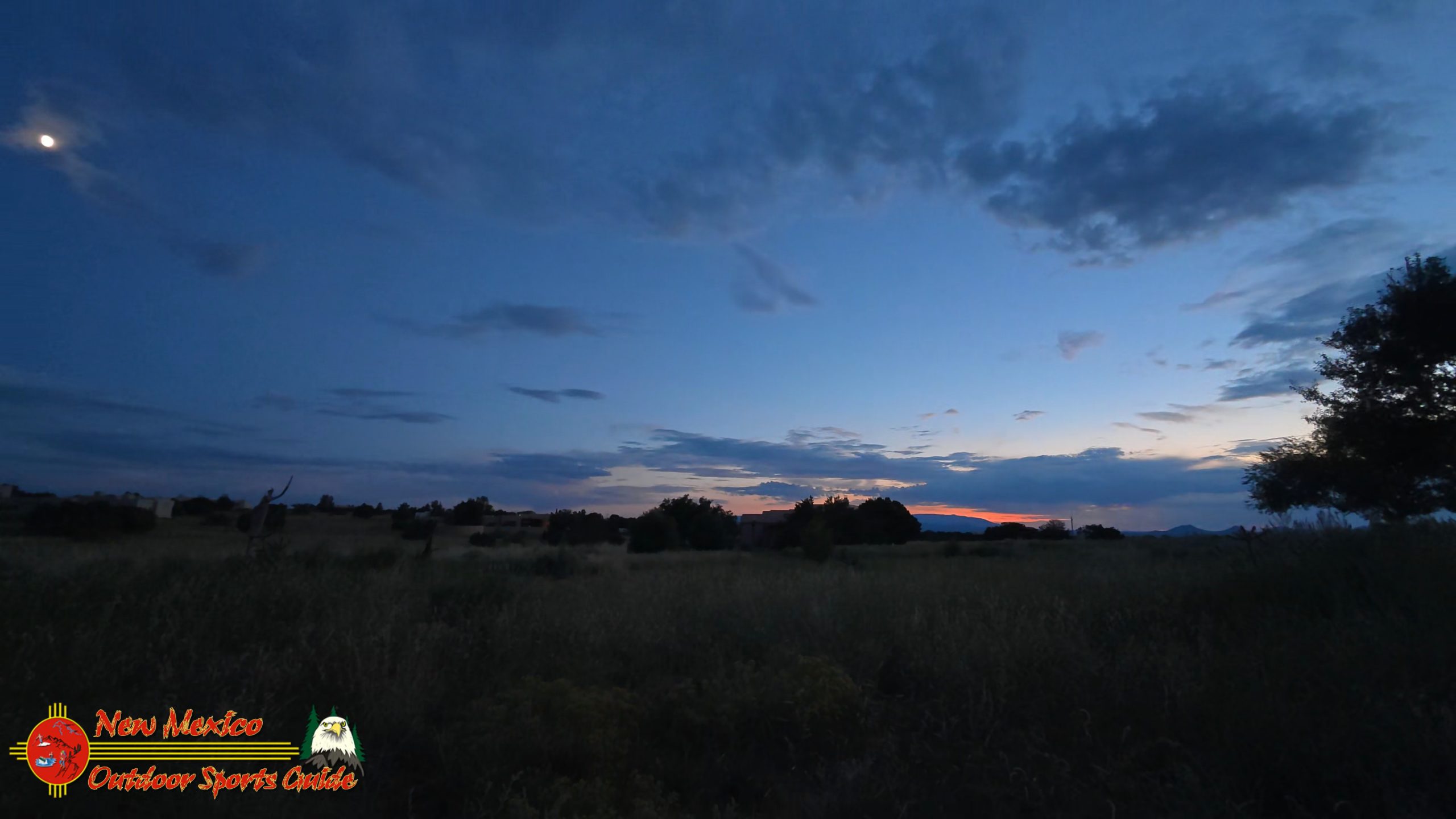
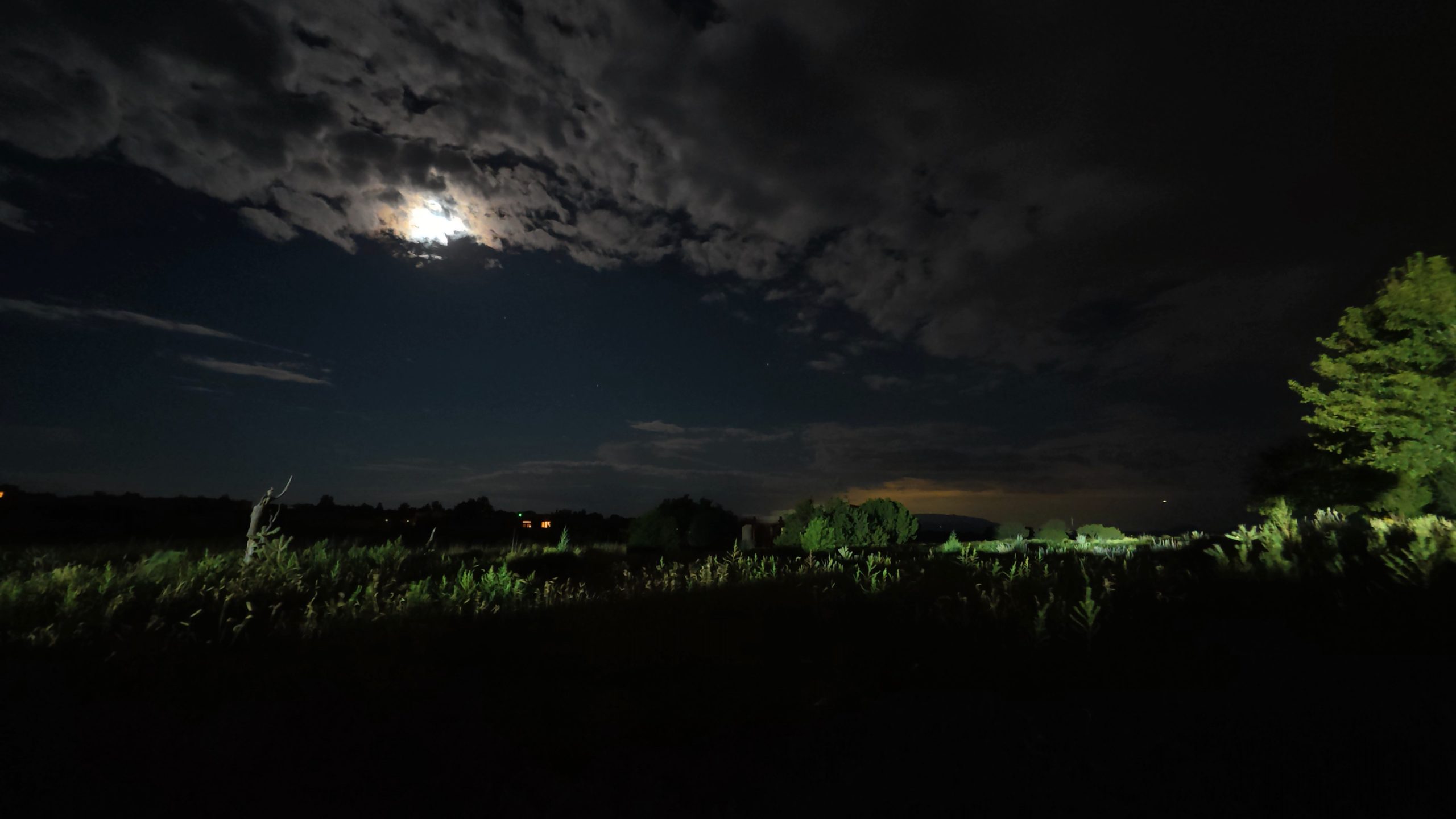
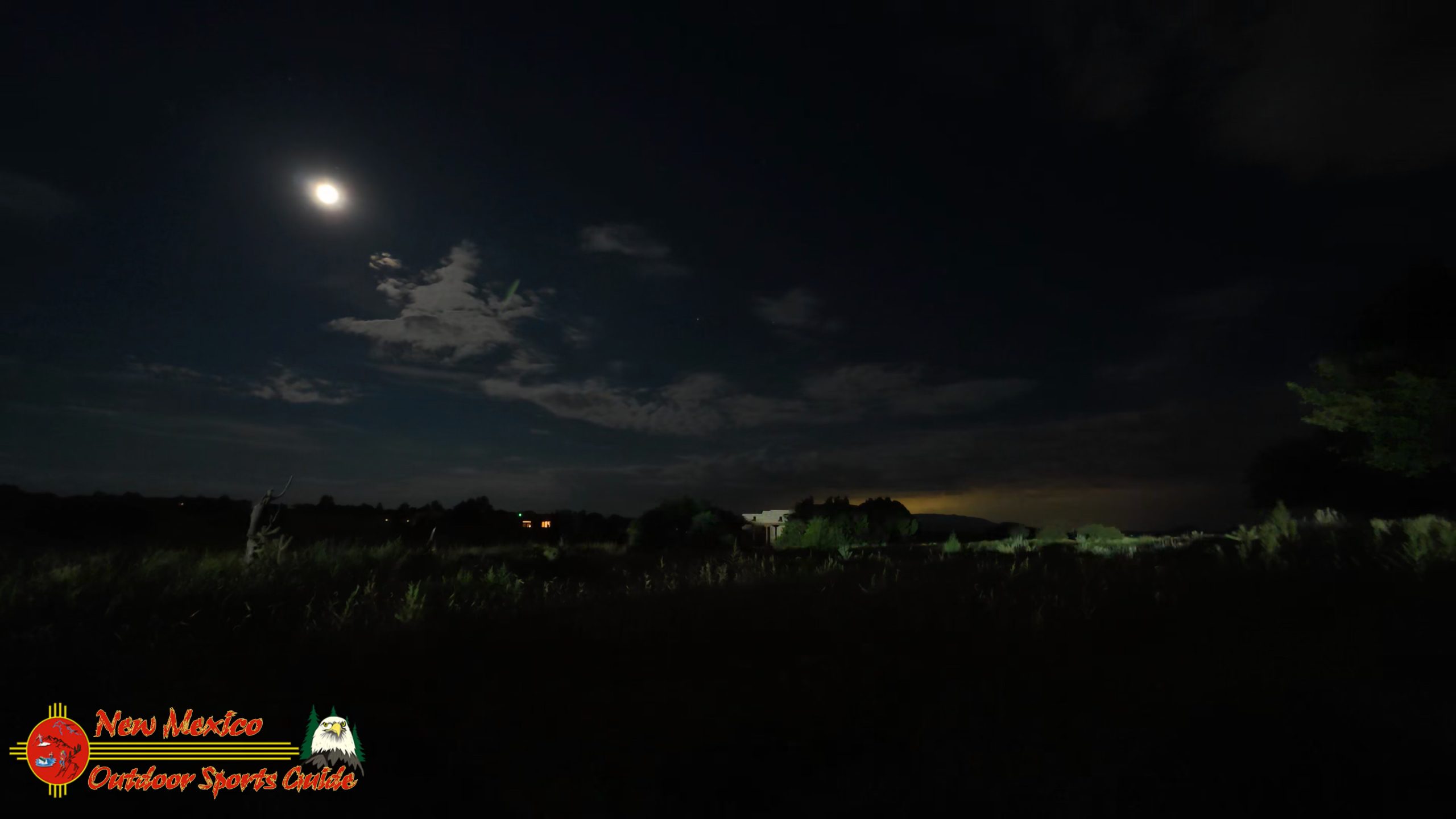
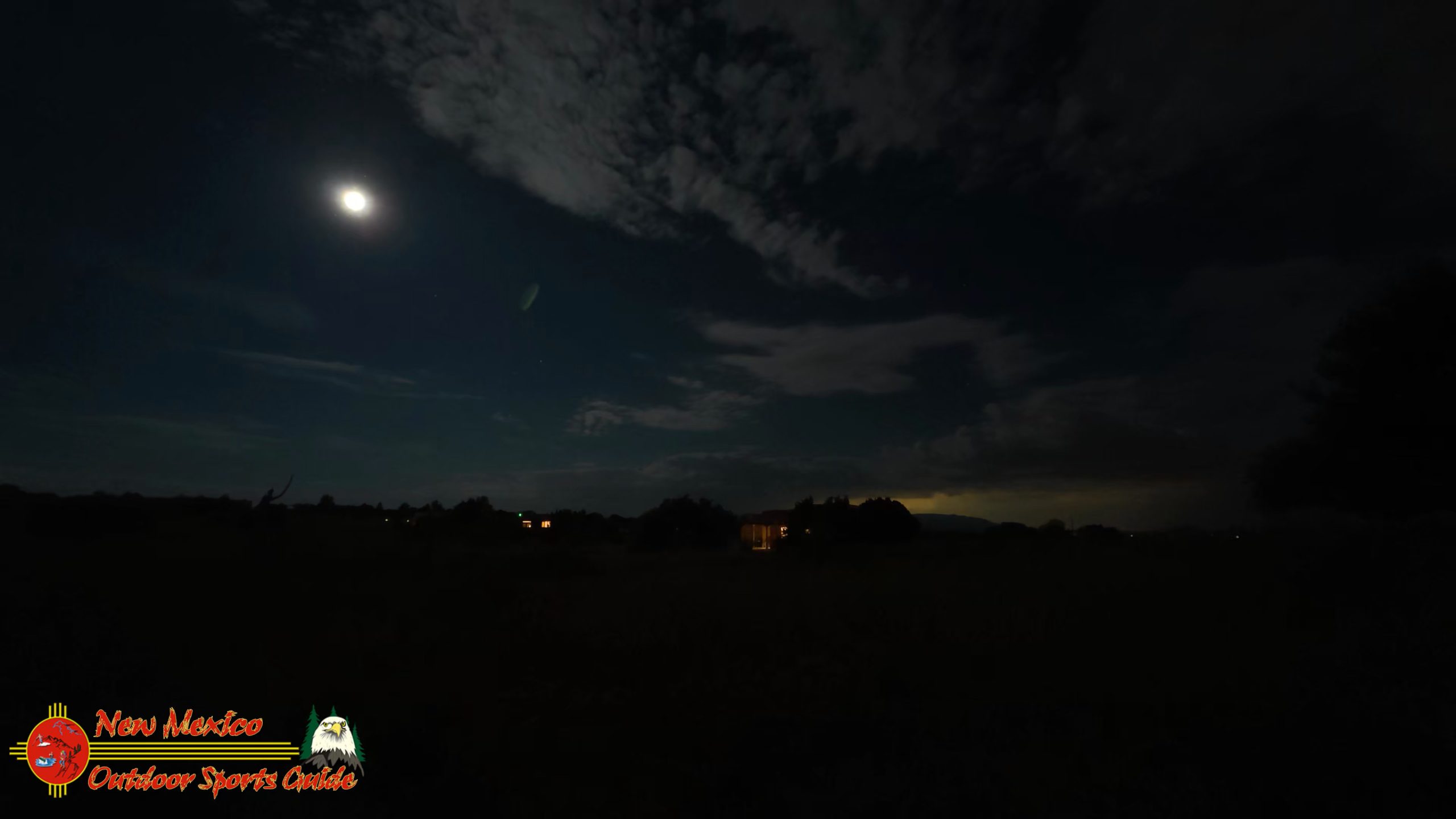
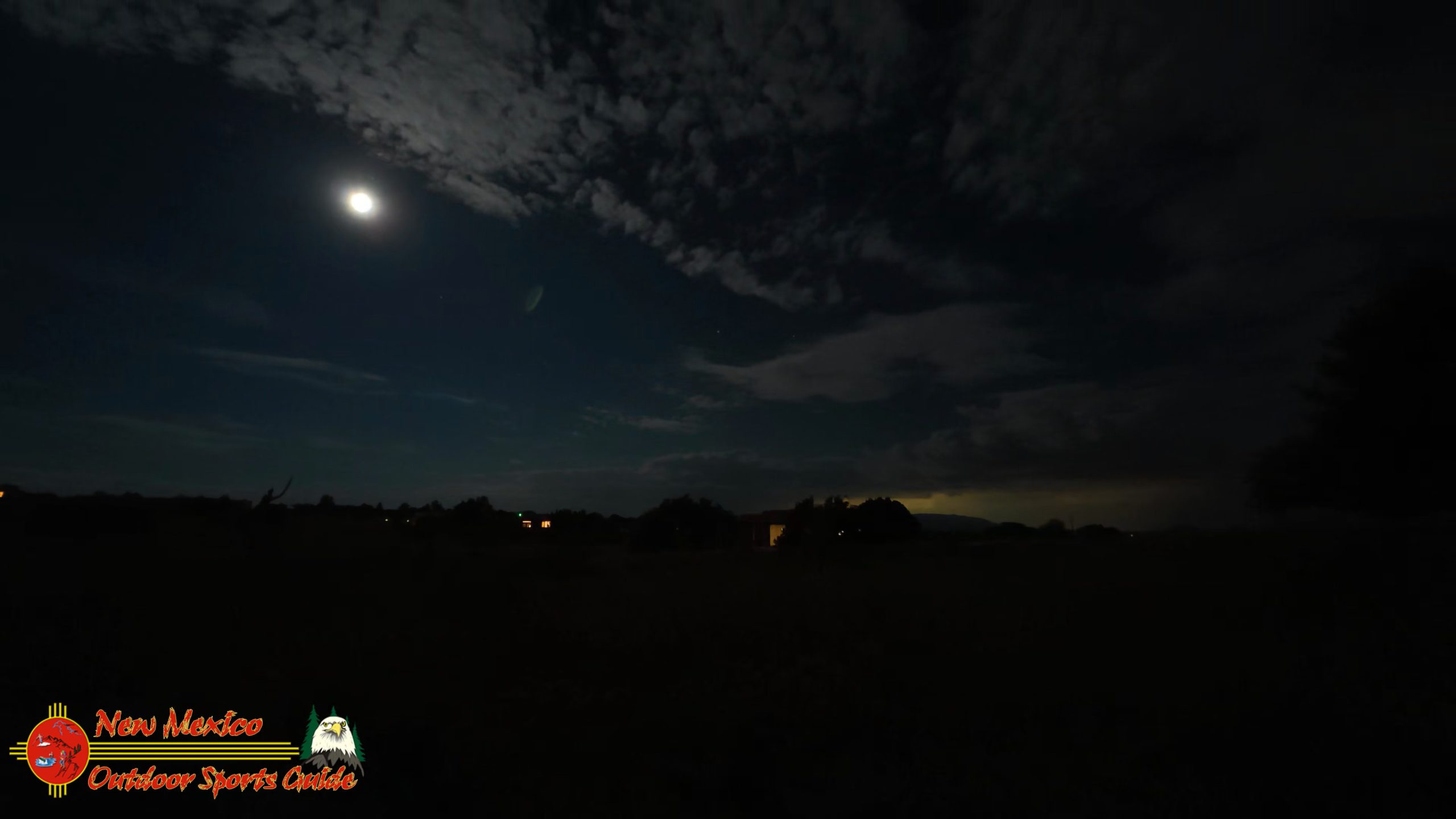
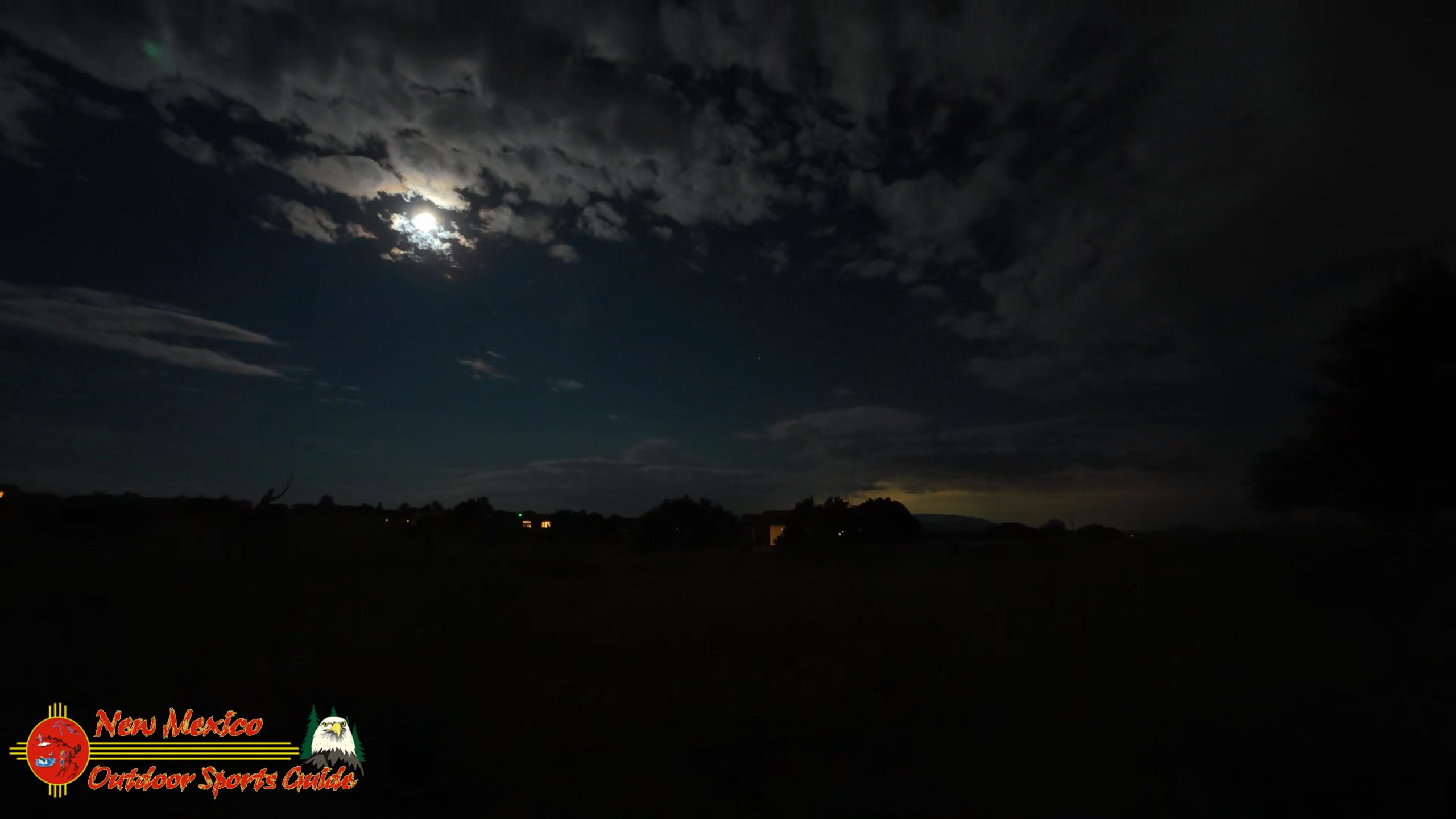
As the sunset colors began to fade into twilight purples and deep blues, attention shifted to the eastern sky where the moon was scheduled to make its appearance. This is where the magic of timing really became apparent – just as the western sky was settling into its post-sunset glow, the nearly full moon began to emerge from behind a dramatic cloud formation on the eastern horizon.
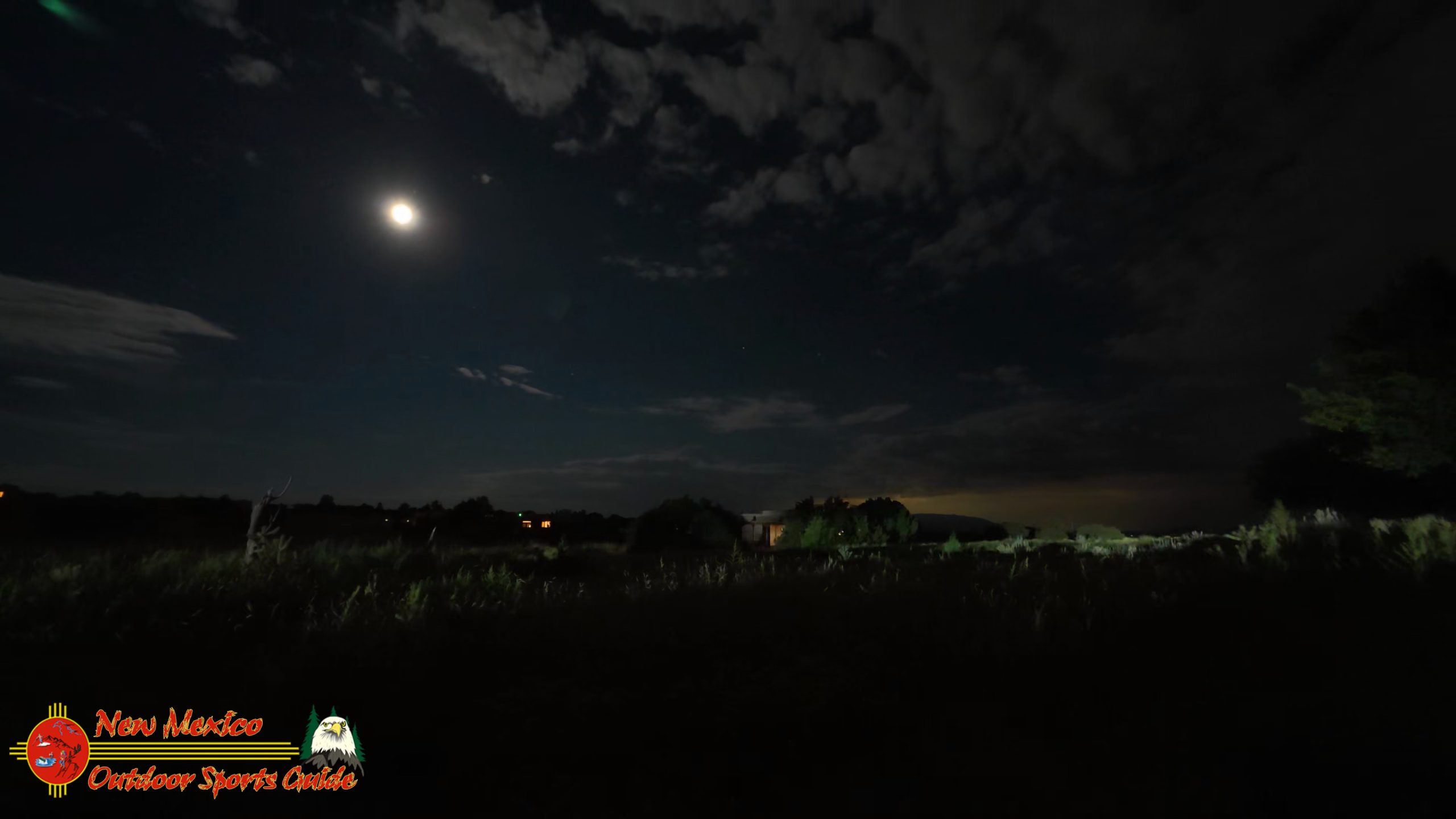
The sunset and moonrise timelapse video captured something that I've rarely seen so perfectly timed: the transition from the warm, artificial colors of sunset to the cool, natural illumination of moonlight, all happening within the same continuous sequence. The moon's appearance wasn't a sudden pop into view, but rather a gradual emergence from behind shifting clouds that created its own dramatic narrative.
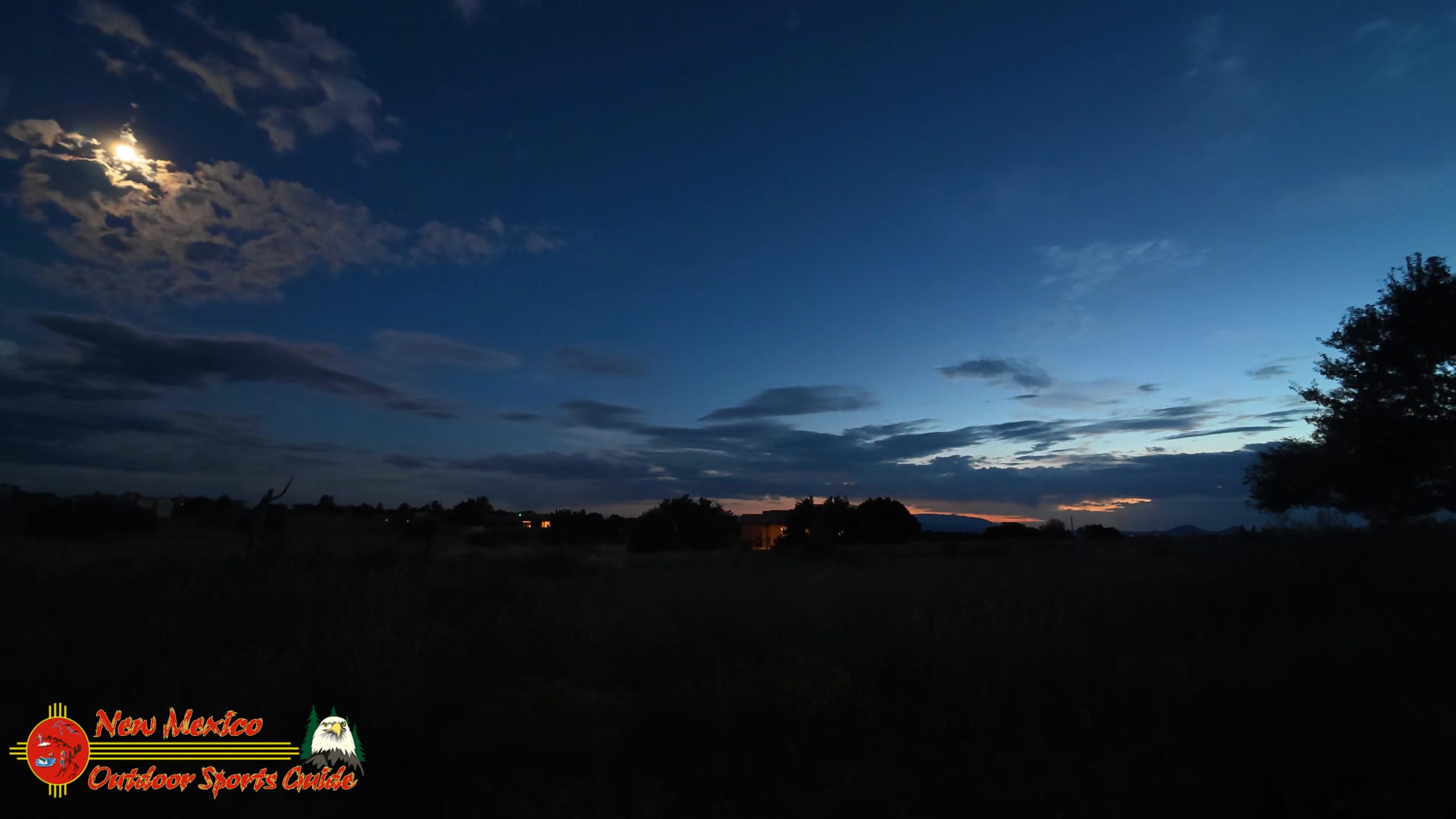
The broken cloud formations worked perfectly for this portion of the timelapse. Rather than obscuring the moon completely or leaving it entirely clear, the clouds created a dynamic interplay of revelation and concealment. The moon would emerge from behind one cloud bank, sail across a clear patch of sky, then disappear behind another formation, only to reappear minutes later in a different location. This created a sense of movement and anticipation that wouldn't have been possible with either a completely clear or completely overcast sky.
The Technical Challenge of Dual Lighting
Creating a successful sunset and moonrise timelapse video requires managing dramatically different lighting conditions within the same sequence. During the sunset phase, there's abundant warm light that requires careful exposure control to maintain detail in both highlights and shadows. As twilight progresses and moonrise begins, the light levels drop significantly, requiring longer exposures and higher ISO settings to capture the subtle illumination.
The key is finding exposure settings that will work throughout the entire sequence, or planning transition points where settings can be adjusted without creating jarring jumps in the final video. For this September 2nd shoot, I opted for a middle-ground approach that would capture good sunset colors while still being sensitive enough for the moonrise portion. This required some compromise in both phases, but resulted in a more cohesive final video.
Modern cameras have made this type of challenging timelapse much more achievable than it was even a few years ago. The improved low-light performance and dynamic range of current sensors mean that a single exposure setting can often handle a wider range of lighting conditions than was previously possible.
Casa Santa Fe as the Perfect Foreground
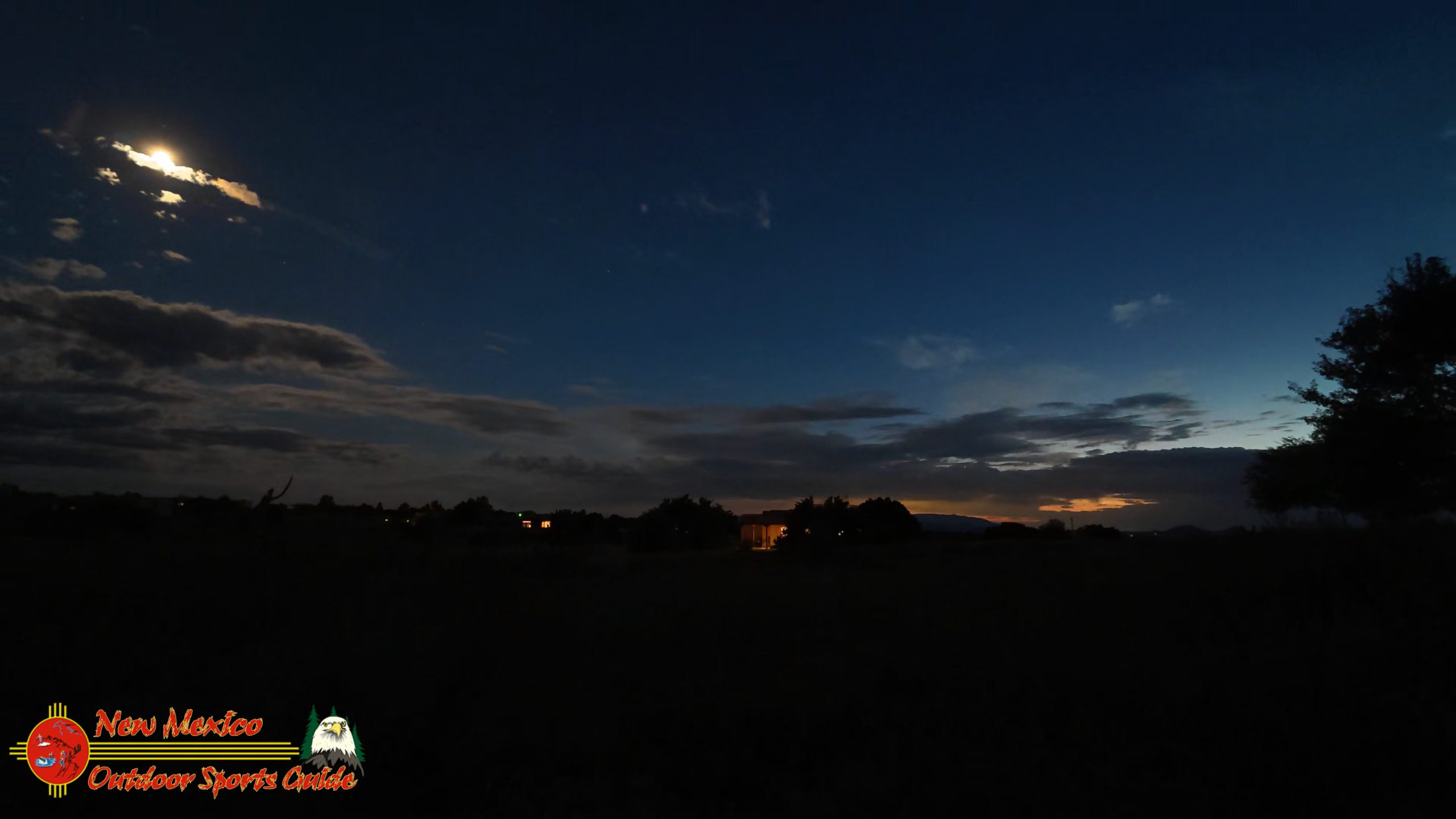
One element that made this particular sunset and moonrise timelapse video special was the way Casa Santa Fe itself became part of the story. As darkness fell and the interior lights came on, the warm orange glow from the windows created the perfect mood lighting that spoke of home, comfort, and the approaching autumn season.
This is something I've learned from years of documenting the Southwest landscape: the most compelling images often include some human element that provides scale, context, and emotional connection. The house, with its traditional Santa Fe architecture and welcoming lights, transformed from a simple foreground element during the sunset phase into a warm beacon of home during the moonrise sequence.
The contrast between the cool blue light of the moon and stars and the warm orange glow from Casa Santa Fe's windows created a color palette that perfectly captured the feeling of that September evening. It's these kinds of happy accidents – or perhaps careful observations – that can elevate a simple sky timelapse into something that tells a more complete story about place and moment.
The Rhythm of Southwest Evenings
Living in Santa Fe has taught me to appreciate the particular rhythm of high desert evenings. Unlike coastal areas where sunset can happen quickly and dramatically, or forested regions where the sun simply disappears behind trees, the Southwest's open skies and clear air create extended twilight periods where the sky continues to perform long after the sun has set.
This extended "blue hour" is ideal for timelapse photography because it provides the transition time necessary to capture both sunset colors and moonrise in the same sequence. The sunset and moonrise timelapse video from September 2nd perfectly demonstrated this phenomenon – the sky remained interesting and photogenic for nearly two hours, from the first hint of color in the western clouds to the moon's final disappearance behind the eastern cloud bank.
Technology Meets Tradition
There's something beautifully ironic about using cutting-edge timelapse technology to capture and share experiences that humans have been witnessing for thousands of years. Native peoples in this region certainly watched these same skies, observed the same seasonal patterns of cloud formation and celestial movement, and found meaning and beauty in the daily transition from day to night.
My sunset and moonrise timelapse video becomes a way of honoring that tradition while utilizing modern tools to share the experience with others who might not have the opportunity to witness it firsthand. The video compression allows viewers to experience hours of gradual change in just a few minutes, but it also serves as an invitation to slow down and pay attention to these daily miracles that continue to unfold whether we're watching or not.
Sharing the Magic
One of the most rewarding aspects of creating sunset and moonrise timelapse videos is the ability to share these experiences with others. Through platforms like YouTube and social media, a single evening's magic can reach viewers around the world who might never have the opportunity to witness a New Mexico sunset firsthand.
The response to these videos often surprises me. Comments come from people in urban environments who rarely see clear skies, from younger viewers who've never taken time to watch a complete sunset, and from fellow photography enthusiasts who appreciate the technical challenges involved in capturing such sequences.
But perhaps the most meaningful responses come from other retirees who recognize the luxury of time that these videos represent. They understand that this type of patient observation and documentation is a privilege that comes with freedom from the urgent demands of career and family responsibilities.
The Perfect Conclusion
As I write this the morning after that spectacular September 2nd evening, I'm already planning future sunset and moonrise timelapse video projects. Each evening's sky is unique, presenting different combinations of weather, clouds, and celestial timing. The challenge is being ready when conditions align for something special.
The September 2nd video captured everything I could have hoped for: dramatic sunset colors, interesting cloud formations, perfect moonrise timing, and the warm ambiance of home that Casa Santa Fe provided as the evening's final element. When the moon finally disappeared behind the western clouds around 10:00 PM, I knew I had documented something special – not just a beautiful evening, but a perfect example of why sunset and moonrise timelapse video has become my preferred method for capturing and sharing the daily magic that unfolds in the skies above the American Southwest.
Now, whenever I want to relive that perfect September evening, or share it with friends and family, the video is there – a compressed but complete record of one of nature's most reliable yet ever-changing performances. And knowing that tomorrow evening will bring its own unique possibilities makes retirement feel less like an ending and more like the beginning of a new chapter dedicated to witnessing and documenting the enduring beauty that surrounds us every single day.
0 Comments