
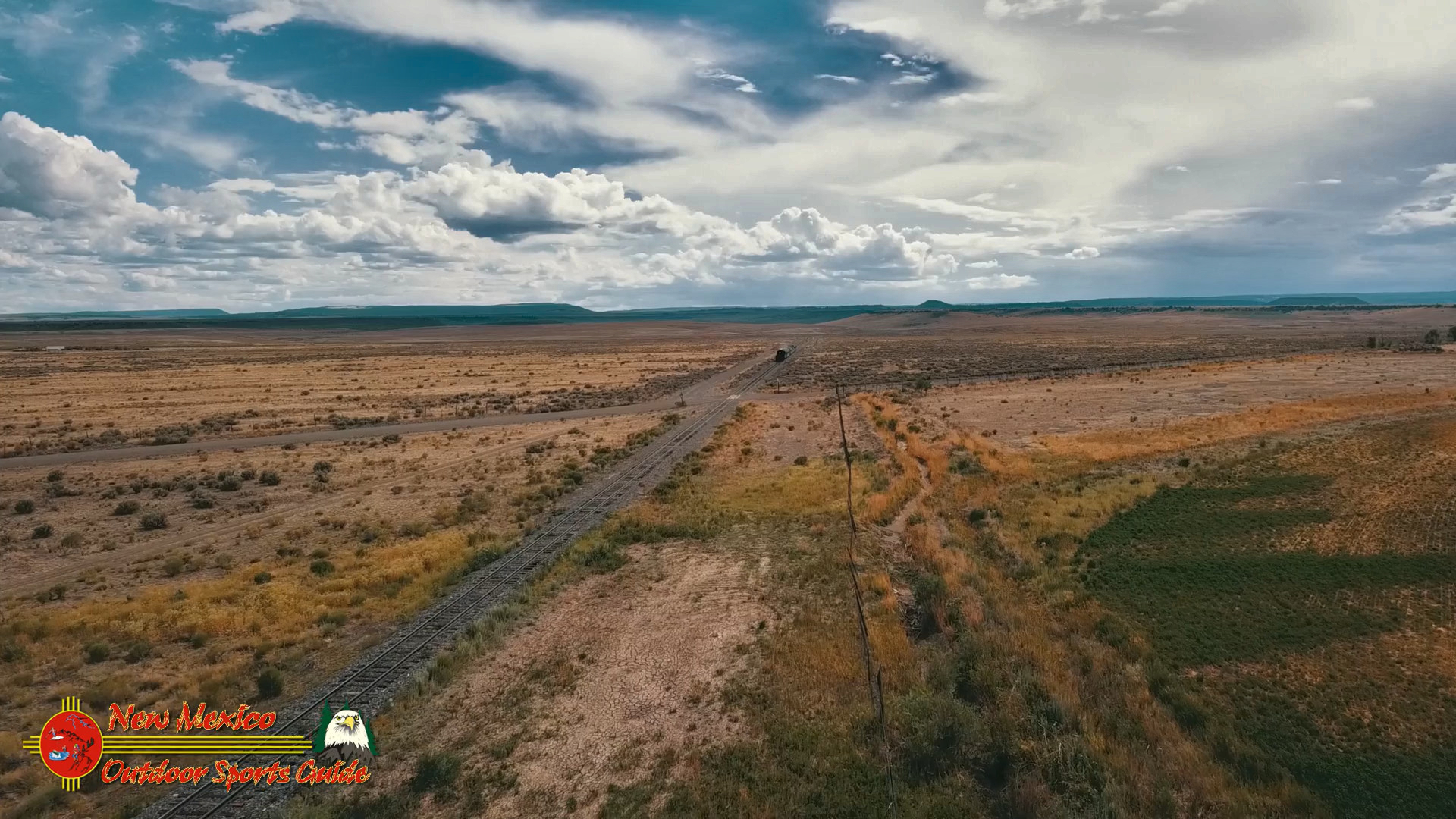
Some mornings just line up right. The light cooperates. The sky does something dramatic and beautiful instead of just sitting there being blue. The train runs on time. And somehow, your thumbs — which have never exactly been your most coordinated body parts — manage to guide a drone through the air with something that could almost pass for grace. That was July 2020, southwest of Antonito, Colorado, and I'm still smiling about it.
It started the way the best road trips from Casa Santa Fe always do — with Paulette and I pointing the Outback north and taking the long way around. Nobody with a pulse and a camera takes the interstate when the scenic route exists. We wound up through Abiquiu, that hauntingly beautiful high-desert country where Georgia O'Keeffe spent decades painting the bones of the earth. Then north through Chama, New Mexico, hugging the mountain roads as the elevation climbed and the ponderosa pines thickened. We crested Cumbres Pass at 10,015 feet — more on that number in a minute, because it matters — and began the descent down into Colorado, following the Conejos River as it curled and tumbled its way toward the San Luis Valley and eventually into Antonito.
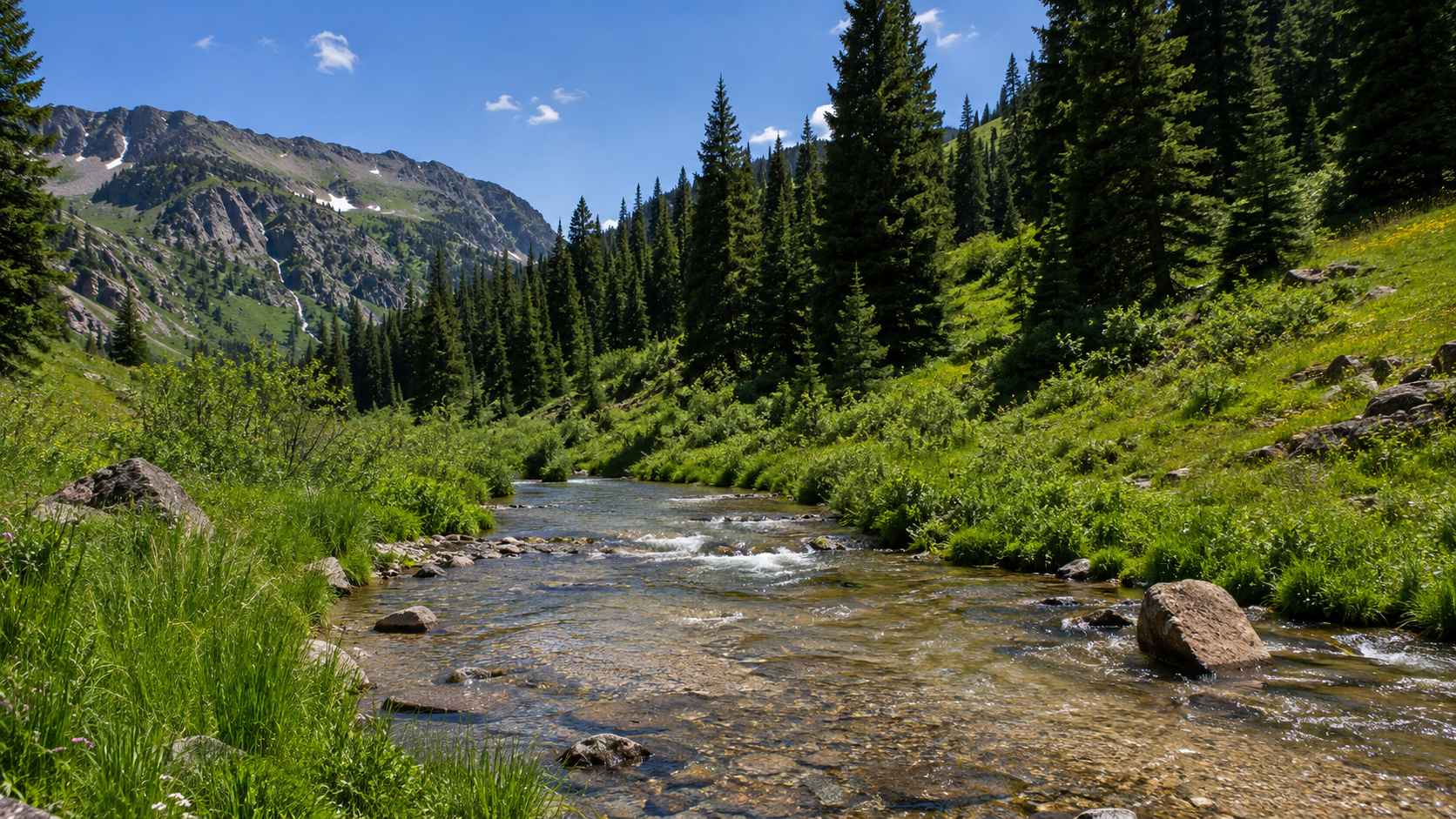
We stopped what felt like a hundred times. A meadow here. A mountain view there. A hawk perched on a fence post looking imperial and unbothered. That's the thing about this stretch of northern New Mexico and southern Colorado — it doesn't let you drive through it without making you pull over. The land insists on being acknowledged.
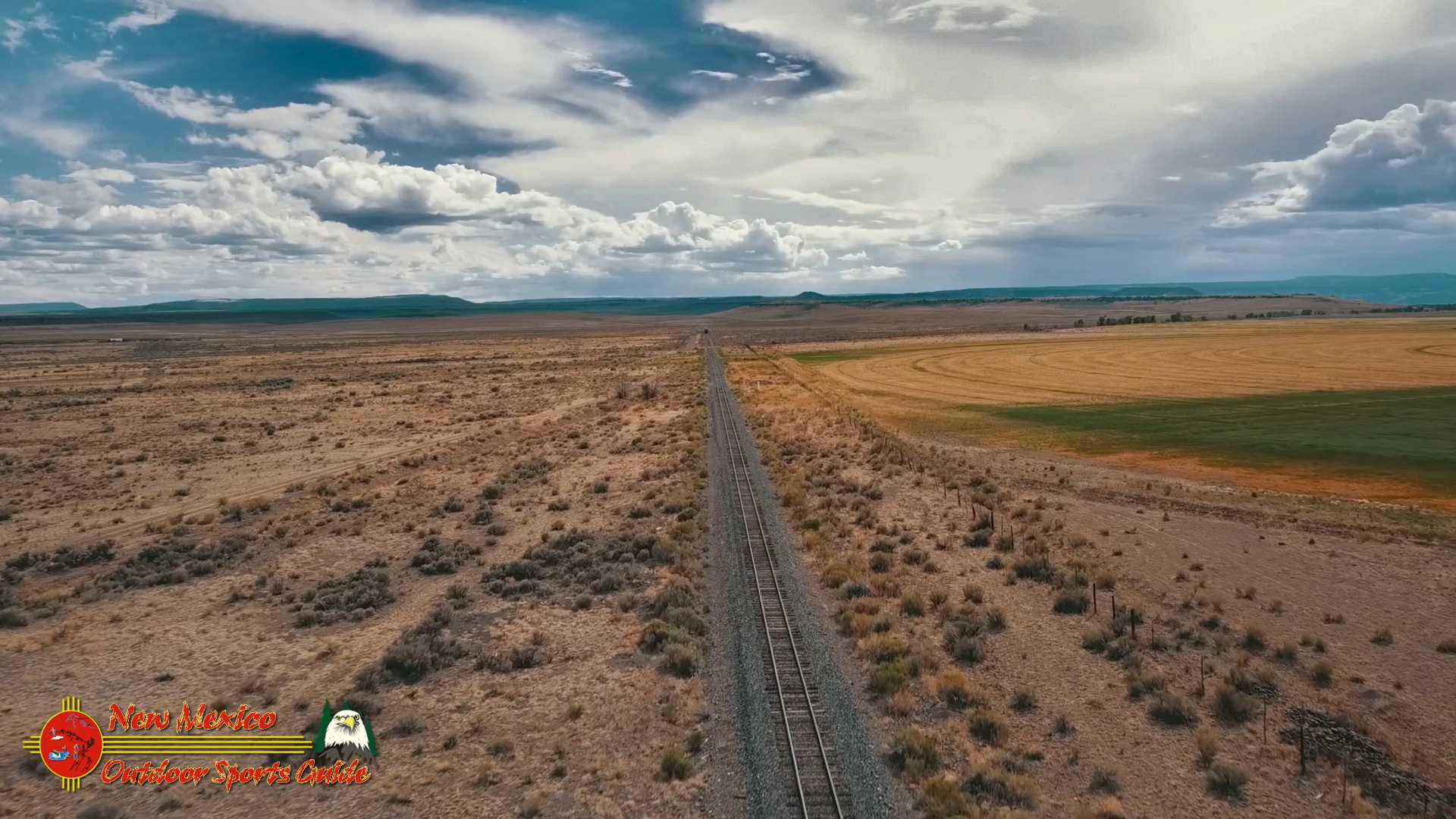
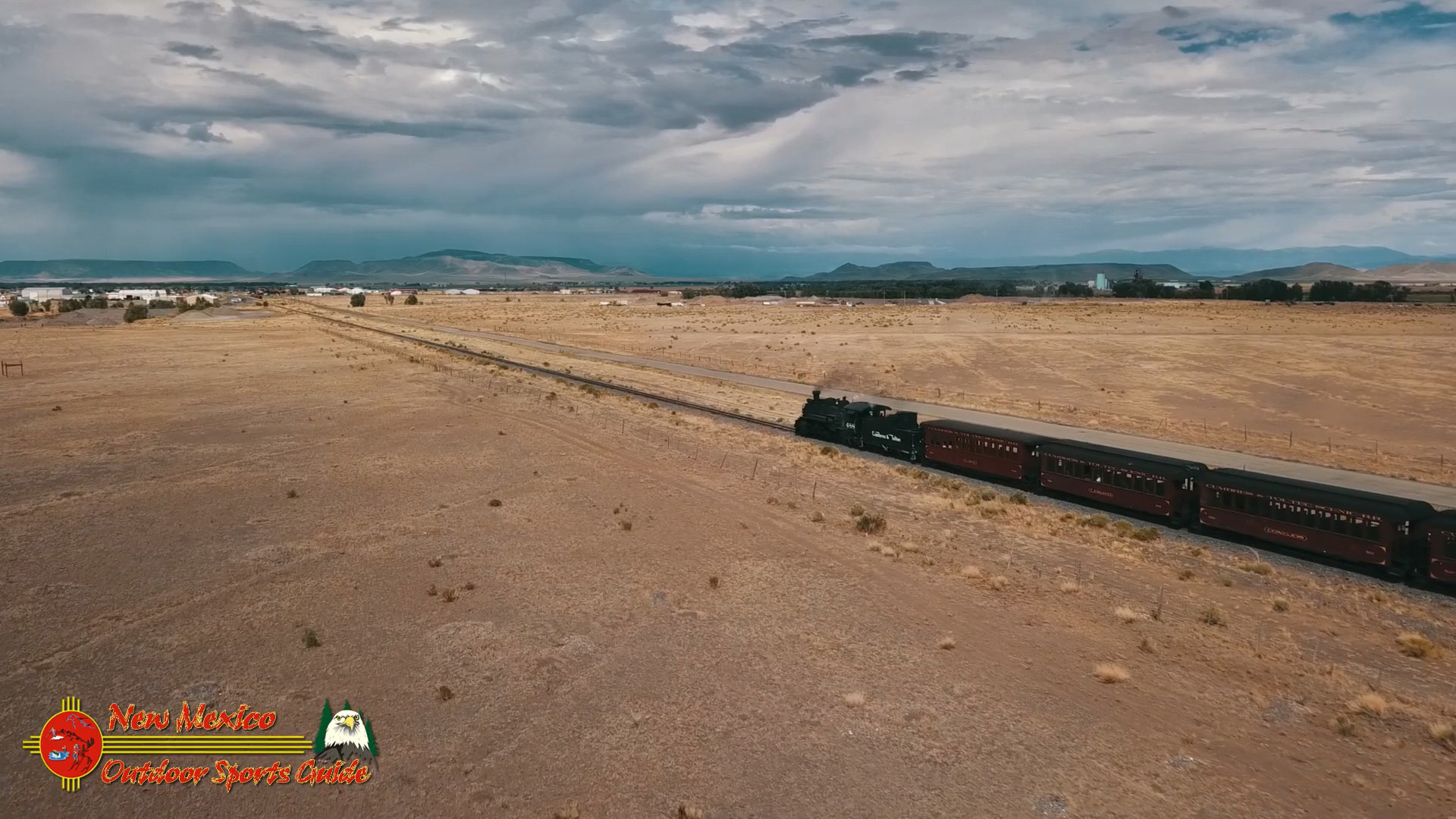
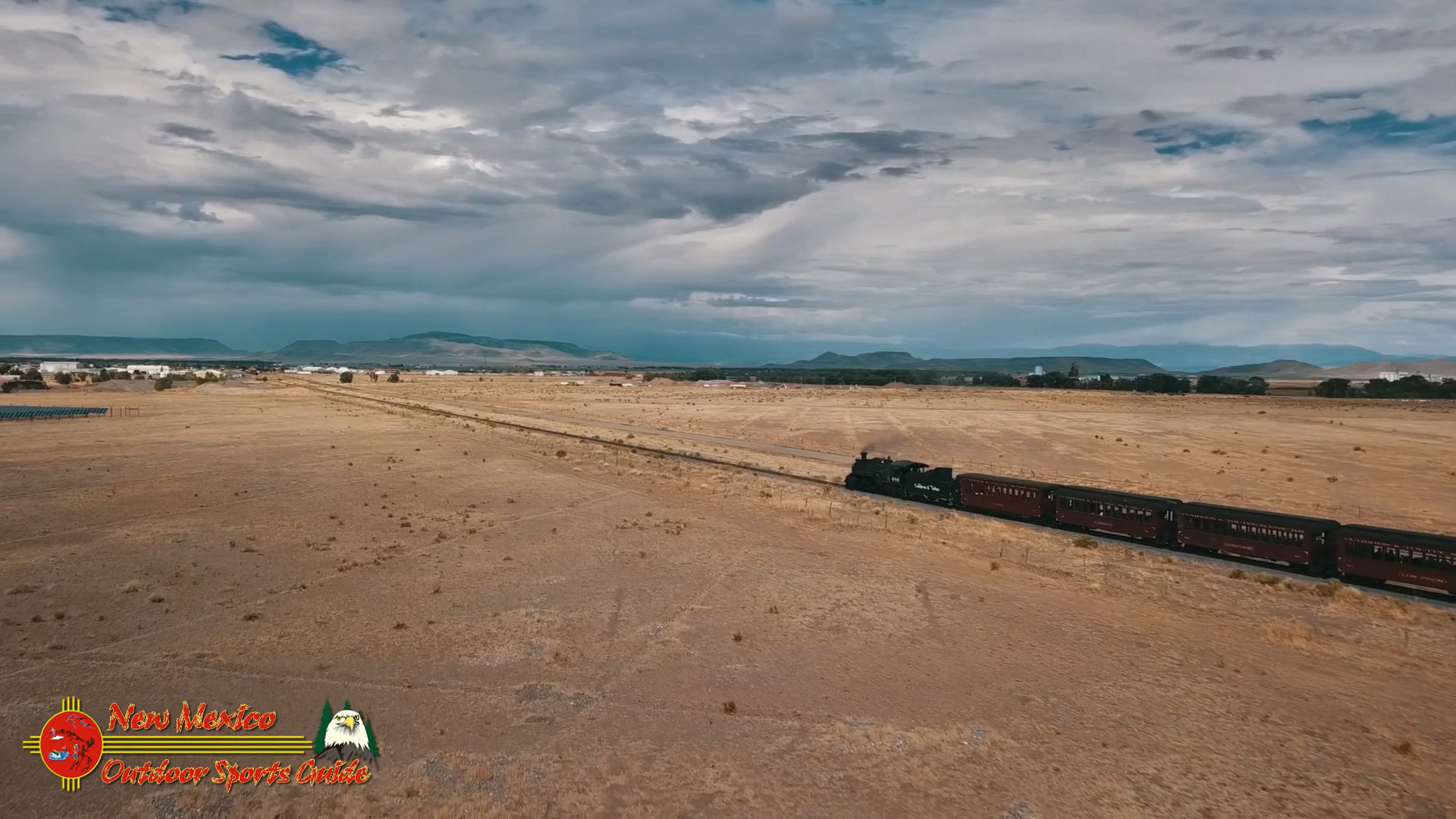
Our mission that morning was to find a good location a few miles southwest of Antonito where I could set up the DJI Mavic Pro and capture the Cumbres & Toltec Narrow-Gauge Scenic Train on its return run. I'd been wanting to get proper drone footage of this railroad for a while, and the conditions were looking promising. The sky was doing that thing I love — not a postcard-perfect bluebird day, but layered and moody, almost overcast with just enough breaks to let the light come through in shifting, sculpted patches. Photographers and videographers know that kind of sky. It's the one that makes you nervous and then makes you look like a genius.
We found our spot. Good sight lines, clean background, enough distance from the tracks to be safe and legal. I set up the Mavic Pro and also positioned an action camera right next to the rails — not dangerously close, just close enough to catch that ground-level perspective as the train rolled past. Then we waited. And honestly, waiting for a steam train in scenery like that is not a hardship.
A Railroad Built for Hard Country
Before I tell you how the drone footage turned out, let me back up and talk about what makes the Cumbres & Toltec Narrow-Gauge Scenic Train one of the most remarkable pieces of living history in the American West — because it's a story worth knowing.
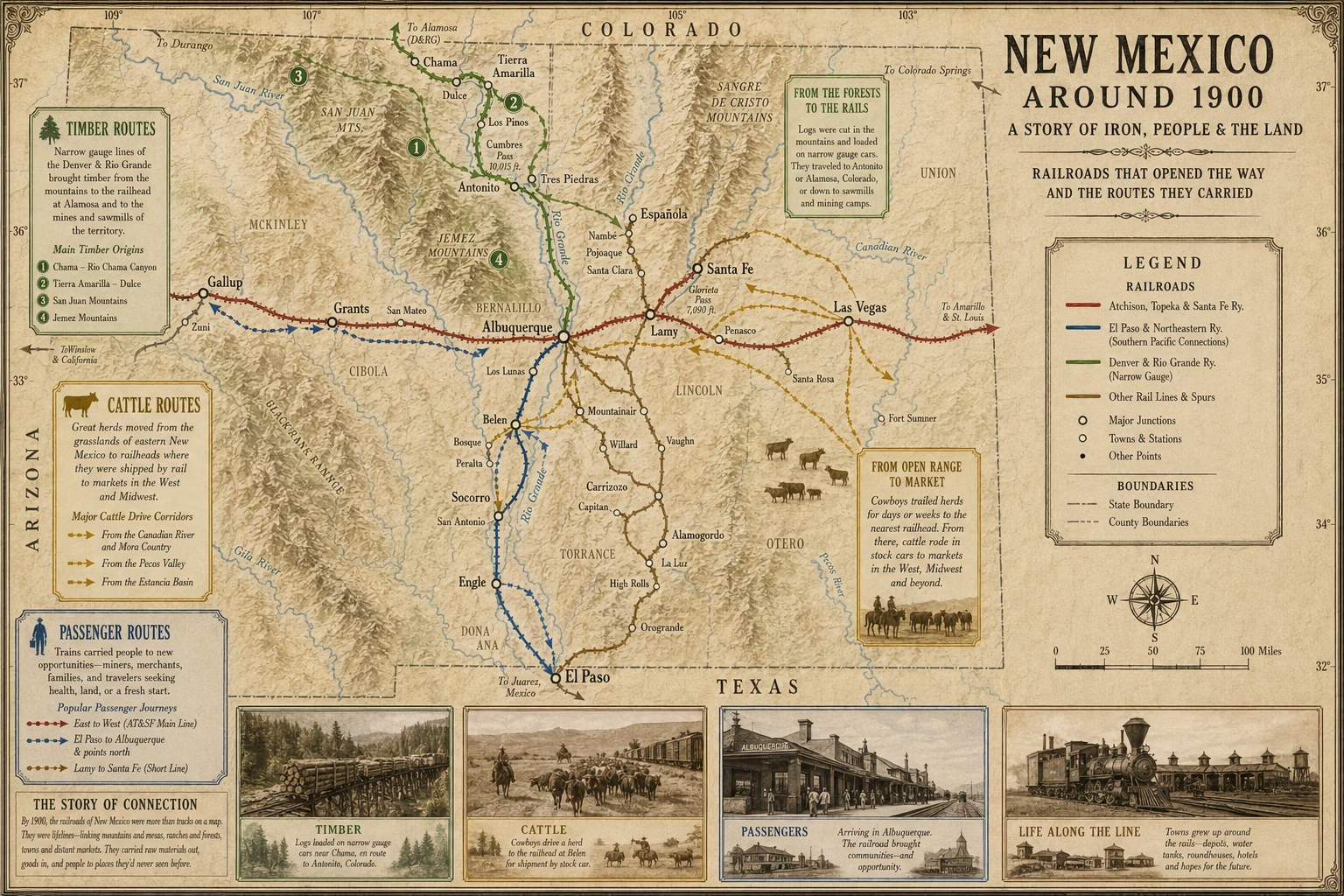
The Cumbres & Toltec Scenic Railroad was originally constructed in 1880 as part of the Rio Grande's narrow-gauge San Juan Extension, built to serve the silver mining district of the San Juan Mountains in southwestern Colorado. Back then, getting ore out of those mountains was the whole ballgame, and the railroad was the only practical way to do it.
Now, here's something that's easy to overlook if you don't think much about trains: the "narrow-gauge" part of the name isn't just a description — it was an engineering decision that made the whole line possible. The line was built as narrow gauge — three feet between rails versus the more common four feet, eight-and-a-half inches — because it accommodated a tighter radius on turns, could be laid in places where wider rails wouldn't fit, and cost less than standard gauge. In mountains like the San Juans, where the terrain is constantly trying to make your life difficult, that tighter turning radius wasn't a compromise. It was the solution.
With few passable roads available, residents relied on the railway as their primary means of passenger and freight transportation through the 1920s. Although passenger service ended in 1950, the discovery of natural gas helped extend the line's usefulness for hauling freight — including livestock and crude oil — through the 1960s.
By 1969, though, the end had come. The Interstate Commerce Commission granted the Rio Grande's request to abandon its remaining narrow-gauge line, ending the last use of steam locomotives for general freight service in the United States. Much of the remaining line was dismantled, but through the combined efforts of an energetic and resourceful group of railway preservationists and local civic interests, the most scenic portion of the line was saved.
In 1970, the states of Colorado and New Mexico jointly purchased the track and line-side structures from Antonito to Chama, paving the way to launch the Cumbres & Toltec Scenic Railroad in 1971. That purchase included nine steam locomotives, over 130 freight and work cars, and the historic Chama yard and maintenance facility. What could have been lost forever was instead handed down to anyone willing to come out and ride it.
The railroad crosses the borders of Colorado and New Mexico 11 times as it chugs its way up and over the 10,015-foot Cumbres Pass. That pass — the highest railroad pass in the United States — is where the railroad gets the first half of its name. The second half comes from Toltec Gorge, a dramatic chasm where the track runs along the breathtaking 800-foot drop. Put those two landmarks together and you've got a name that sounds exactly as epic as the scenery deserves.
Voted the number one scenic train by USA Today 10Best readers in 2016, 2019, and 2020, the Cumbres & Toltec Narrow-Gauge Scenic Train has earned every bit of that recognition. In 1973, it was listed on the National Register of Historic Places, and in 2012, it was designated a National Historic Landmark for its engineering, well-preserved infrastructure and equipment, and the role of the railroad in the development of the region it served.
Flying the Mavic Pro: An Old Pilot Learns New Tricks
Now, I've logged more than 2,600 hours in actual aircraft over the years — twin-engine Beechcraft Barons, instrument approaches in real weather, the whole deal. You'd think that translates naturally to flying a drone. And in some ways it does. Situational awareness. Thinking ahead of the aircraft. Understanding weather and light. Those things carry over.
But the hand-eye coordination required to fly a drone smoothly while simultaneously composing a cinematic shot? That's a different skill set, and I'll be the first to admit I've had my humbling moments with it. The Mavic Pro's controls require a kind of ambidextrous fluency that doesn't come instantly to everyone — and I'll confess I've never been the most naturally coordinated fellow when it comes to using both hands independently. Ask Paulette. She'll confirm this without hesitation and probably with some amusement.
Which is exactly why that morning near Antonito felt like such a victory.
The key to good drone videography isn't just flying — it's anticipating. You have to know where the subject is going to be, not just where it is. You have to plan your reveal: where do you want the train to enter the frame, how do you want to track it, what's in the background at each moment, and how does the movement of the drone interact with the movement of the train to create something that feels intentional rather than accidental?
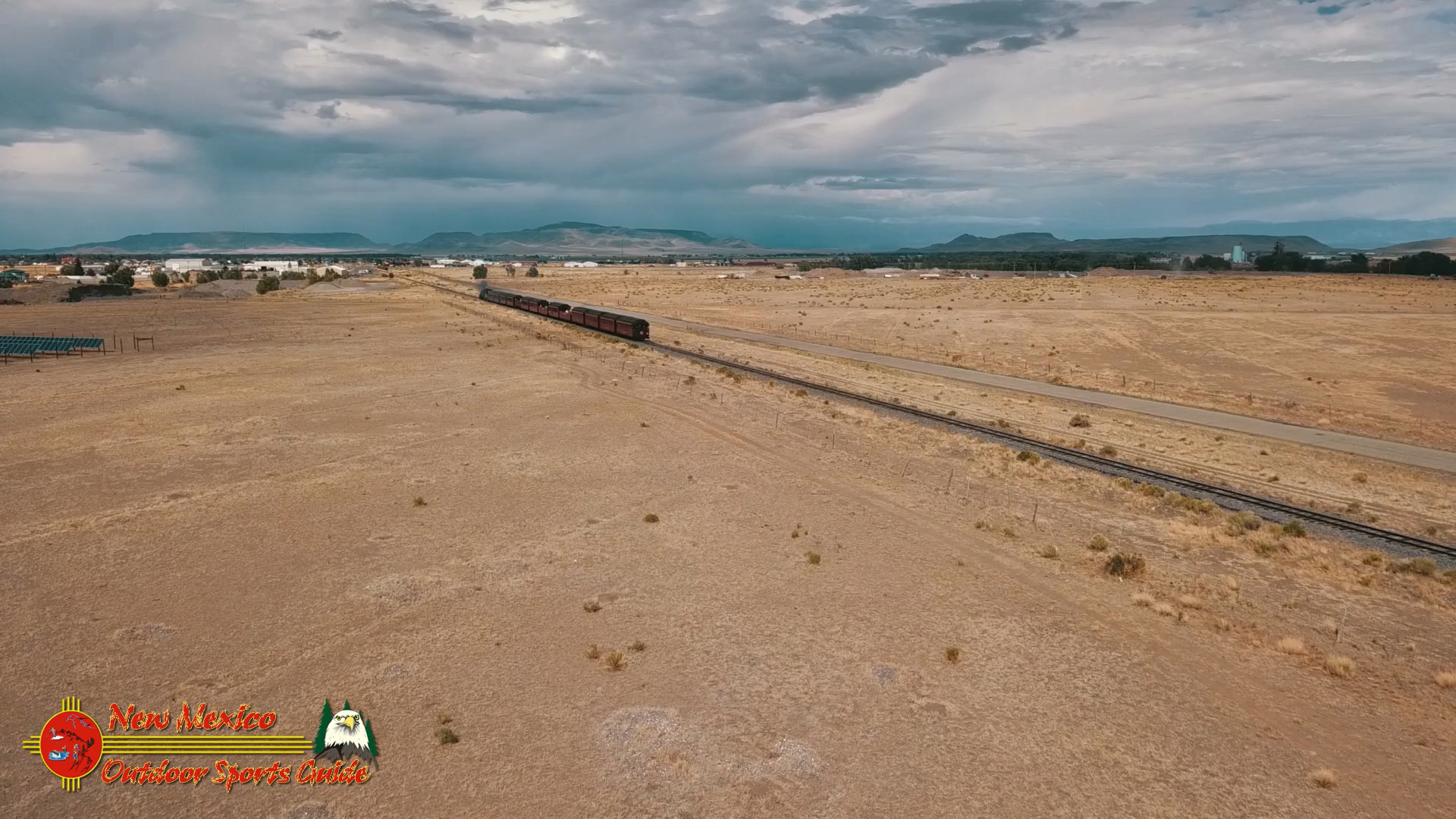
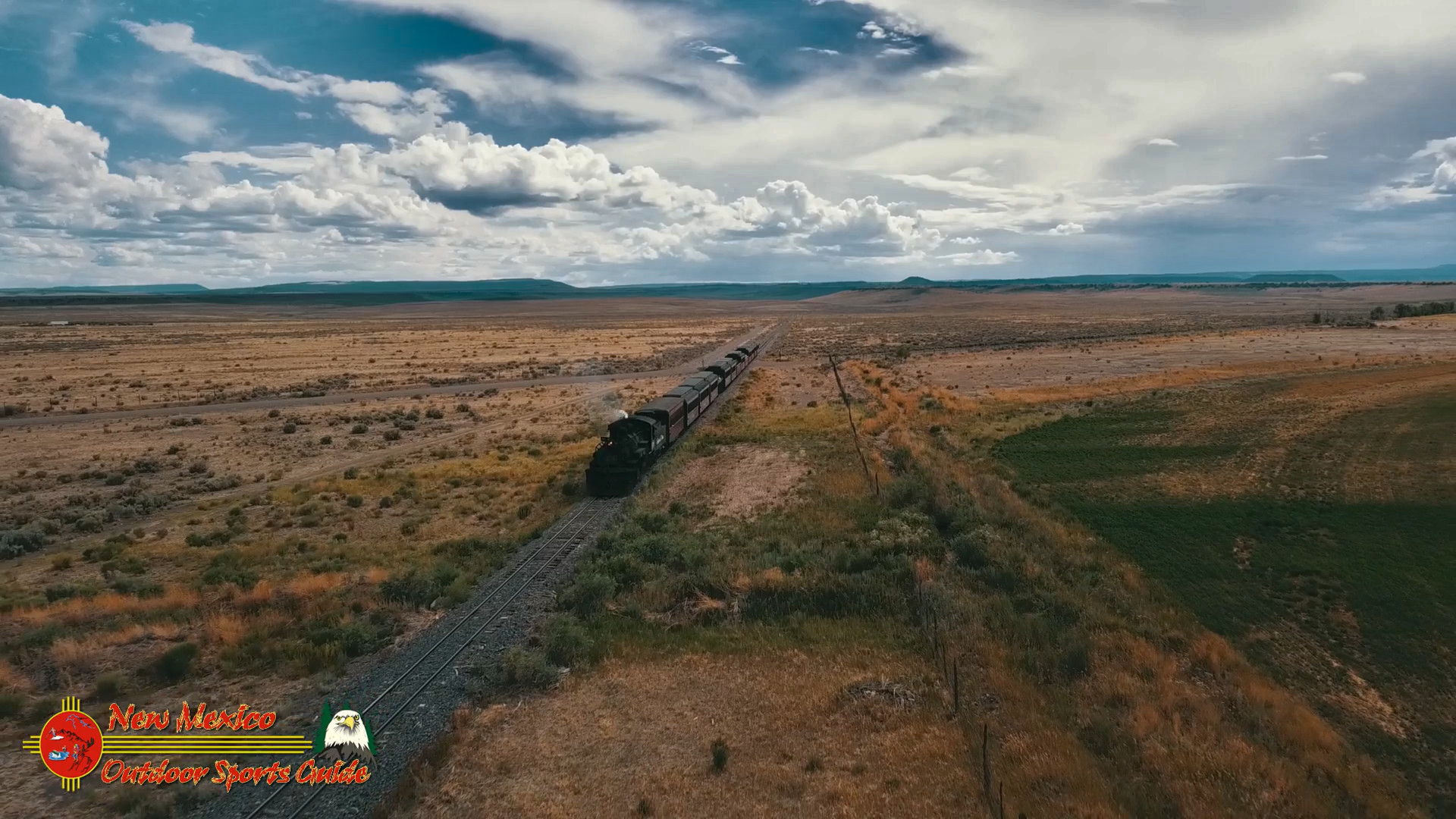
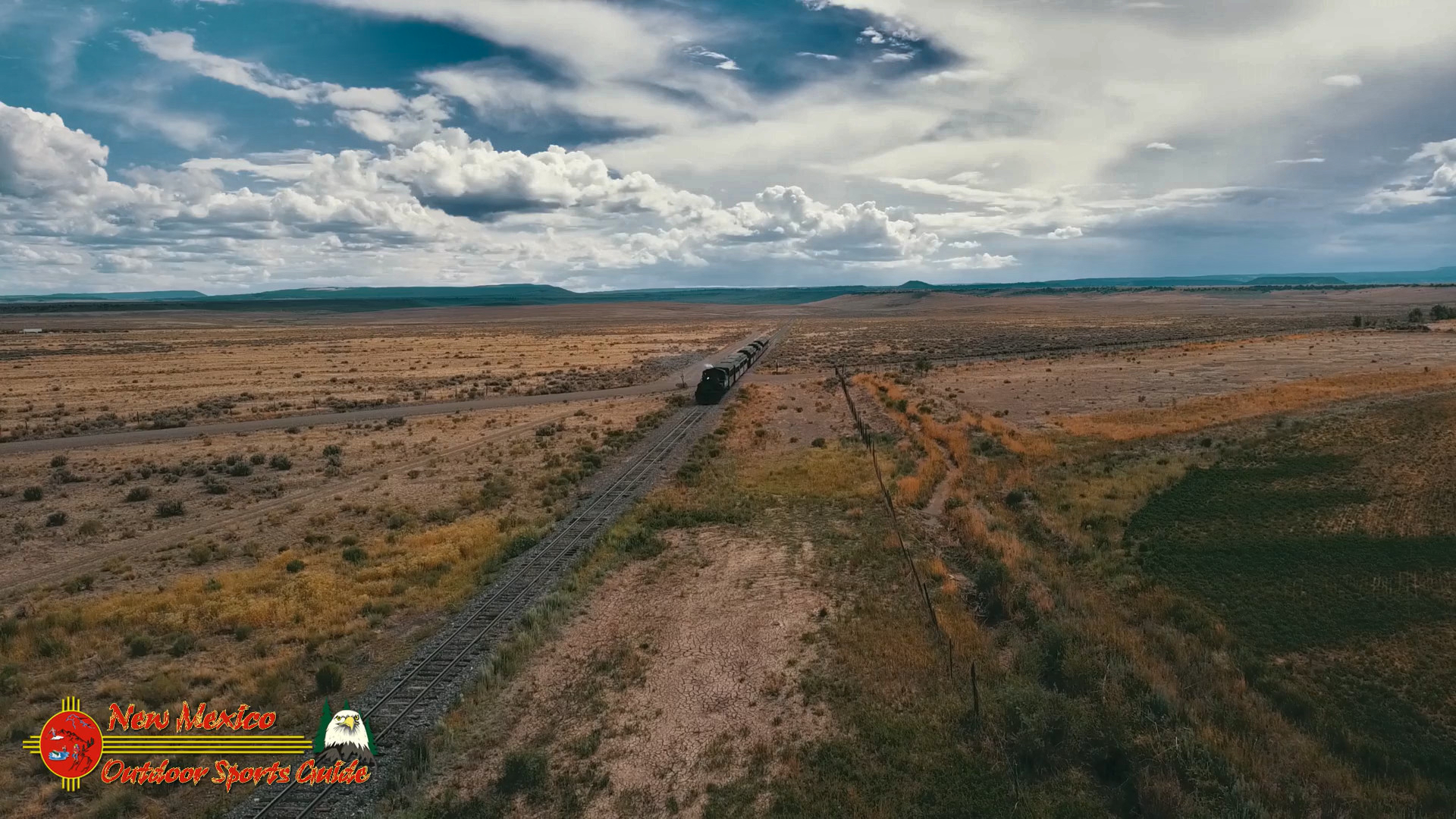
I'd scouted the area and had a rough plan in my head. The Cumbres & Toltec Narrow-Gauge Scenic Train would be coming in from the southwest, so I had time to get altitude and position before it came into range. The overcast sky I'd been watching nervously all morning was actually working in my favor — the soft, diffused light was even and flattering, and those occasional breaks where the sun pushed through created natural drama that no filter could replicate.
I brought the Mavic up, got my bearings, and waited.
And then I heard it. That sound — if you've ever been near a working steam locomotive, you don't forget it. It's mechanical and alive at the same time. A rhythmic exhaust beat, a whistle, a presence that the ground actually seems to acknowledge before your eyes find it.
The train came into view, and I started working.
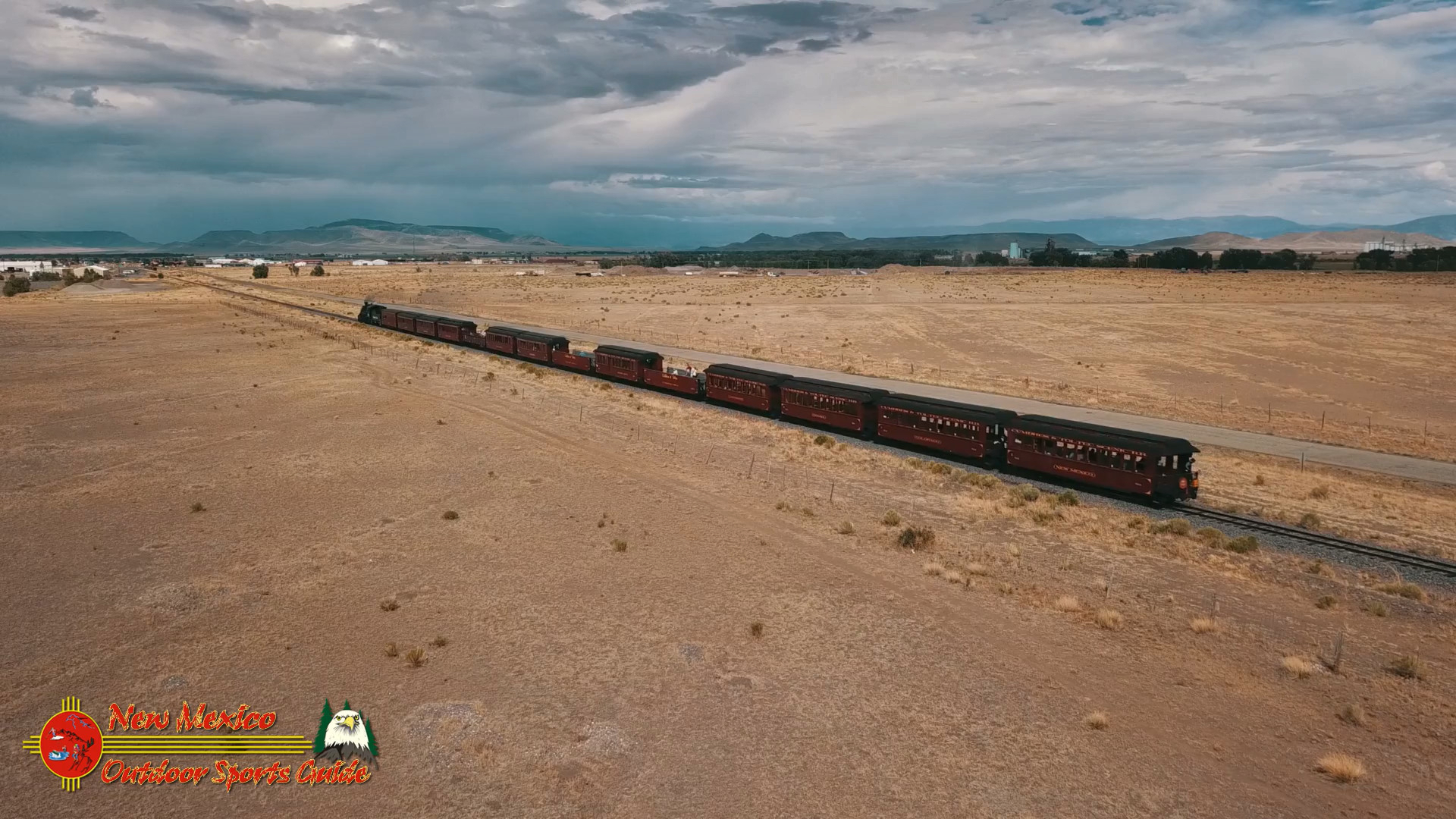
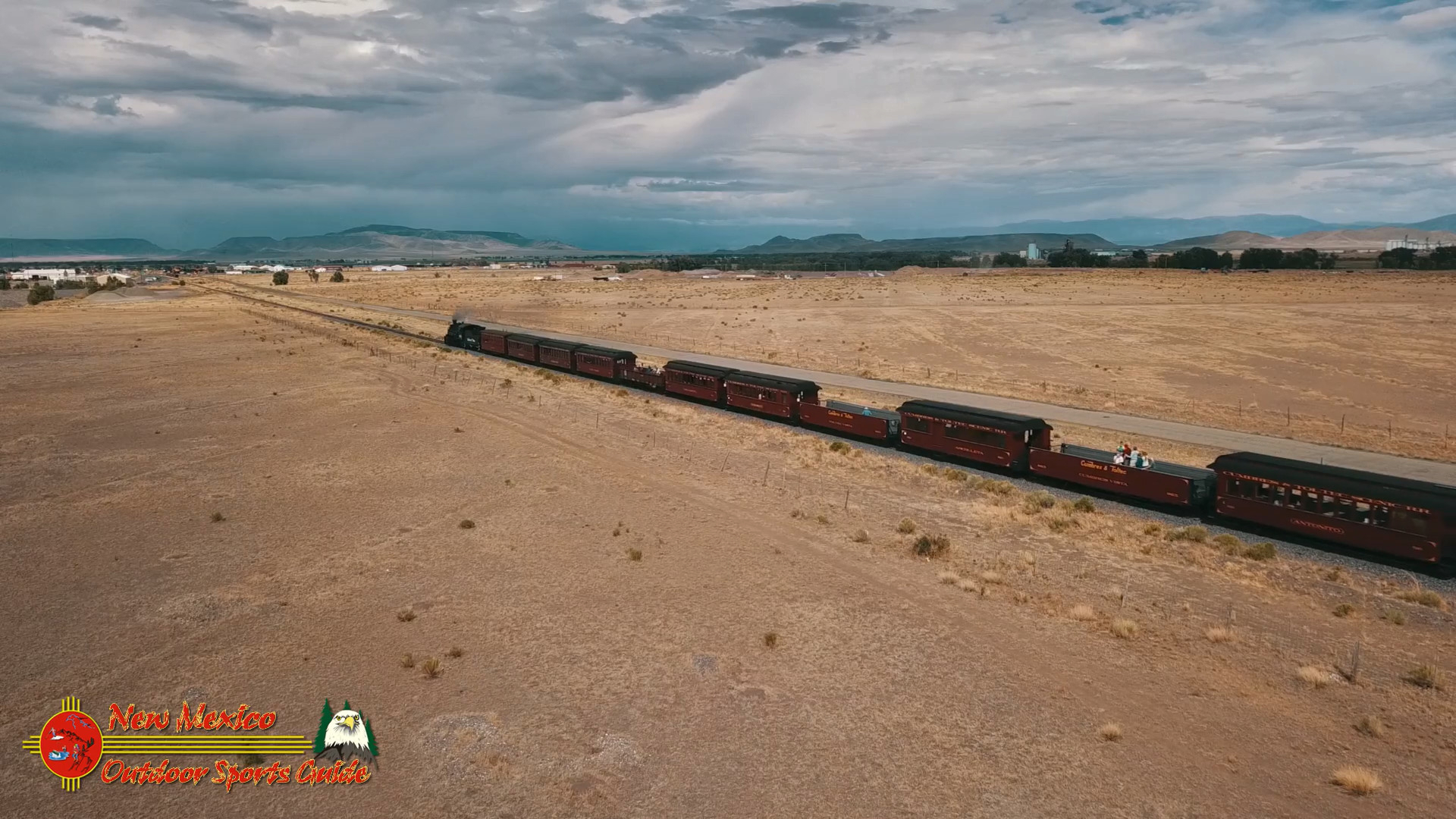
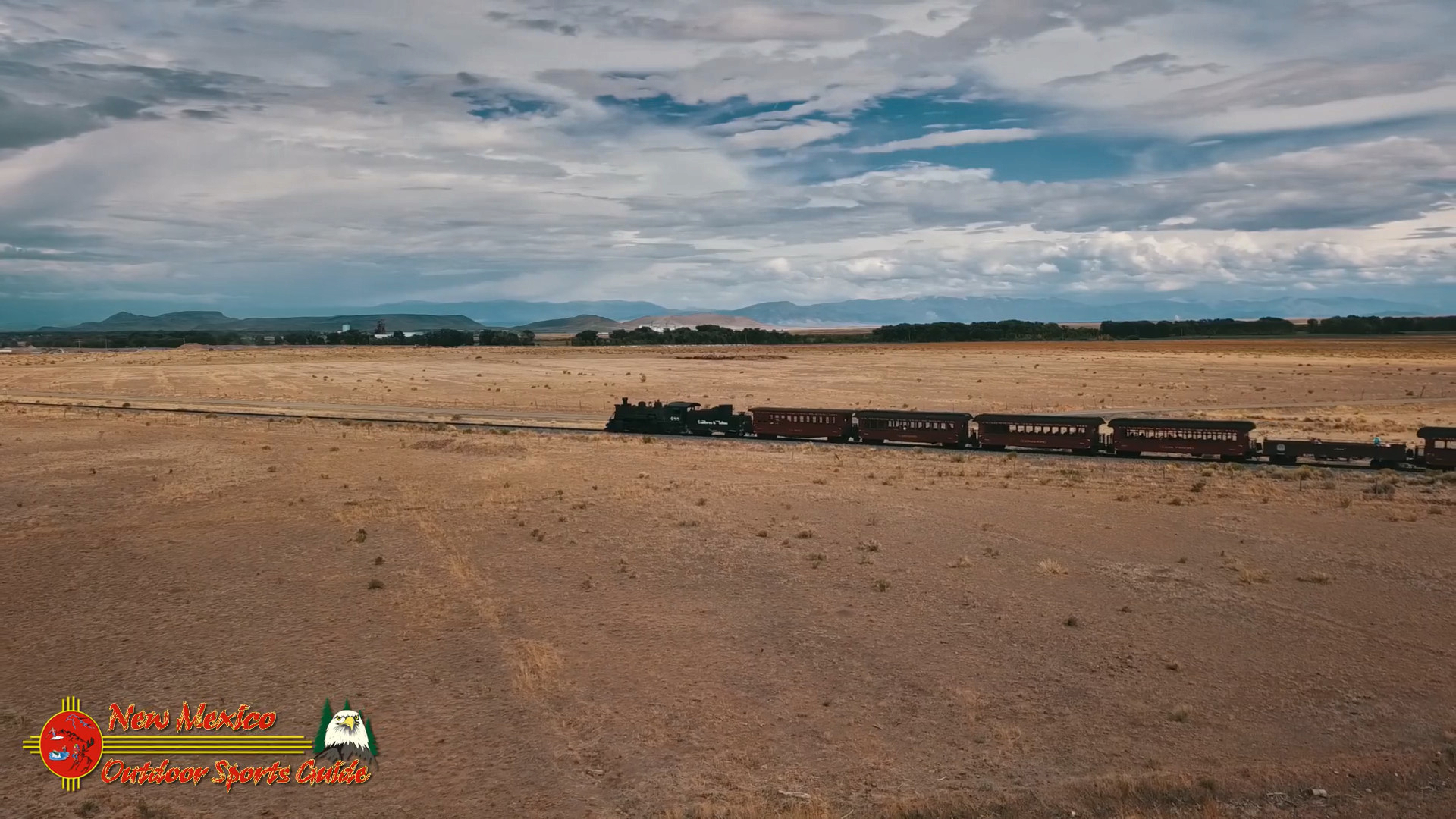
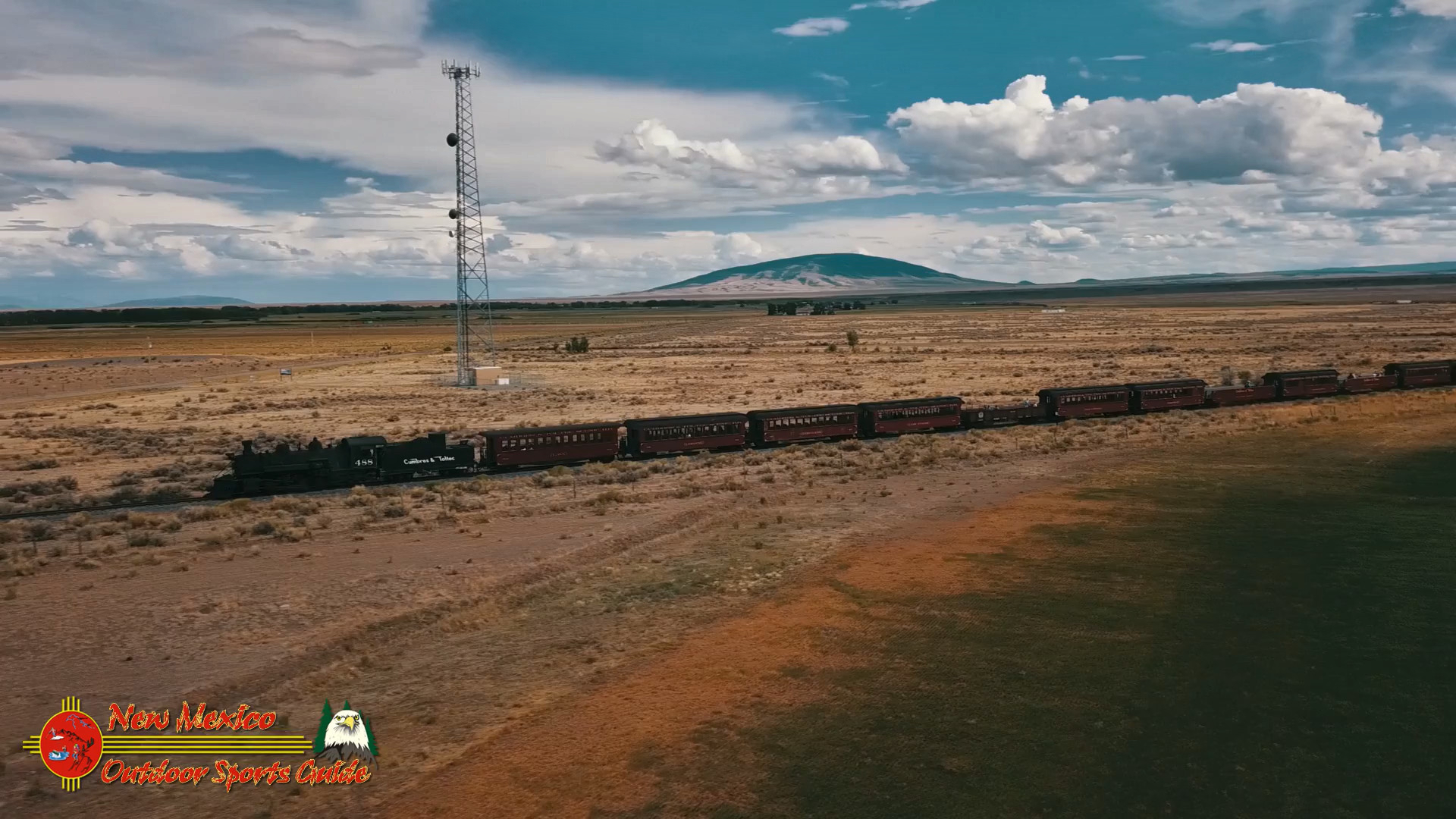
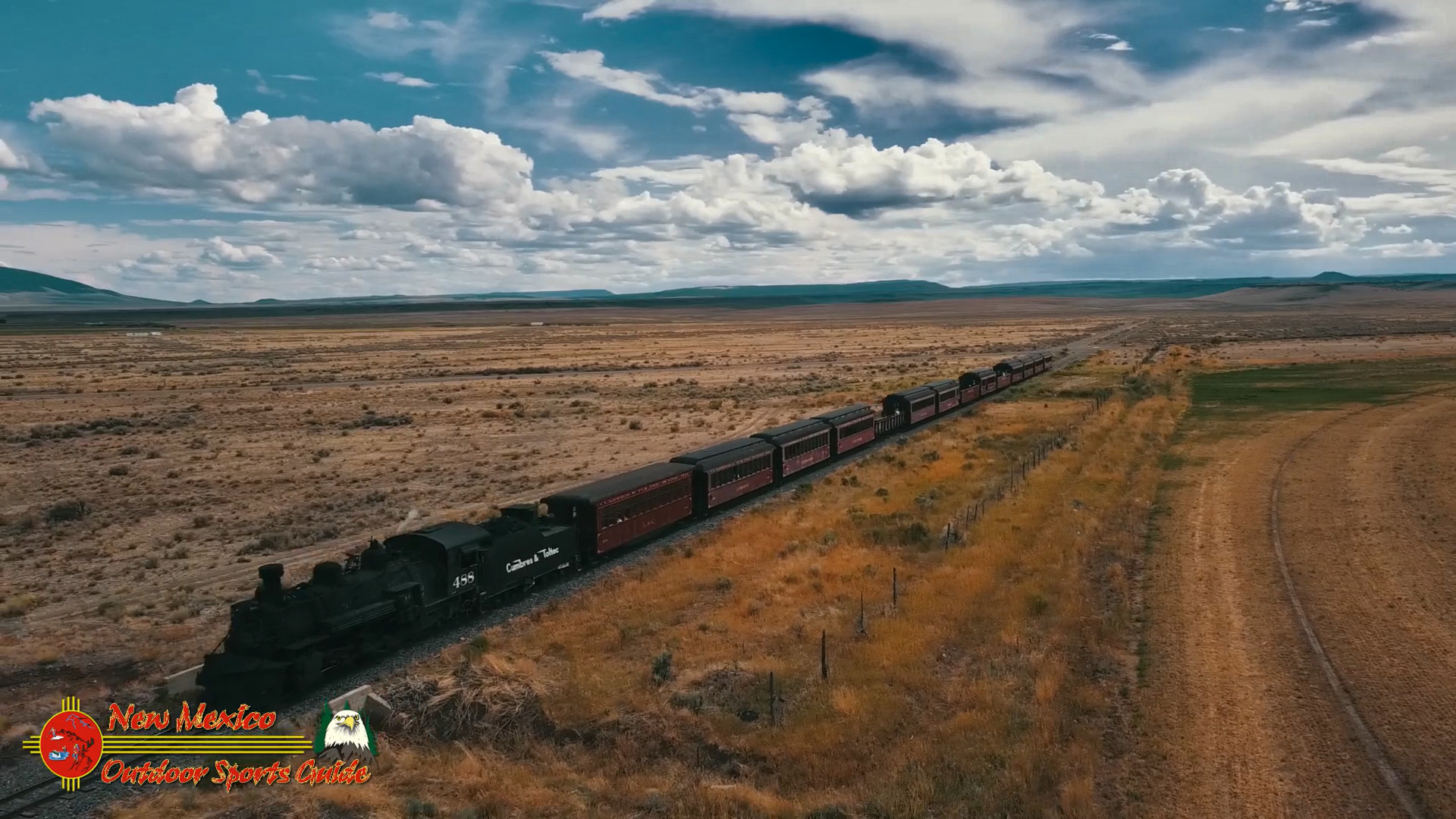
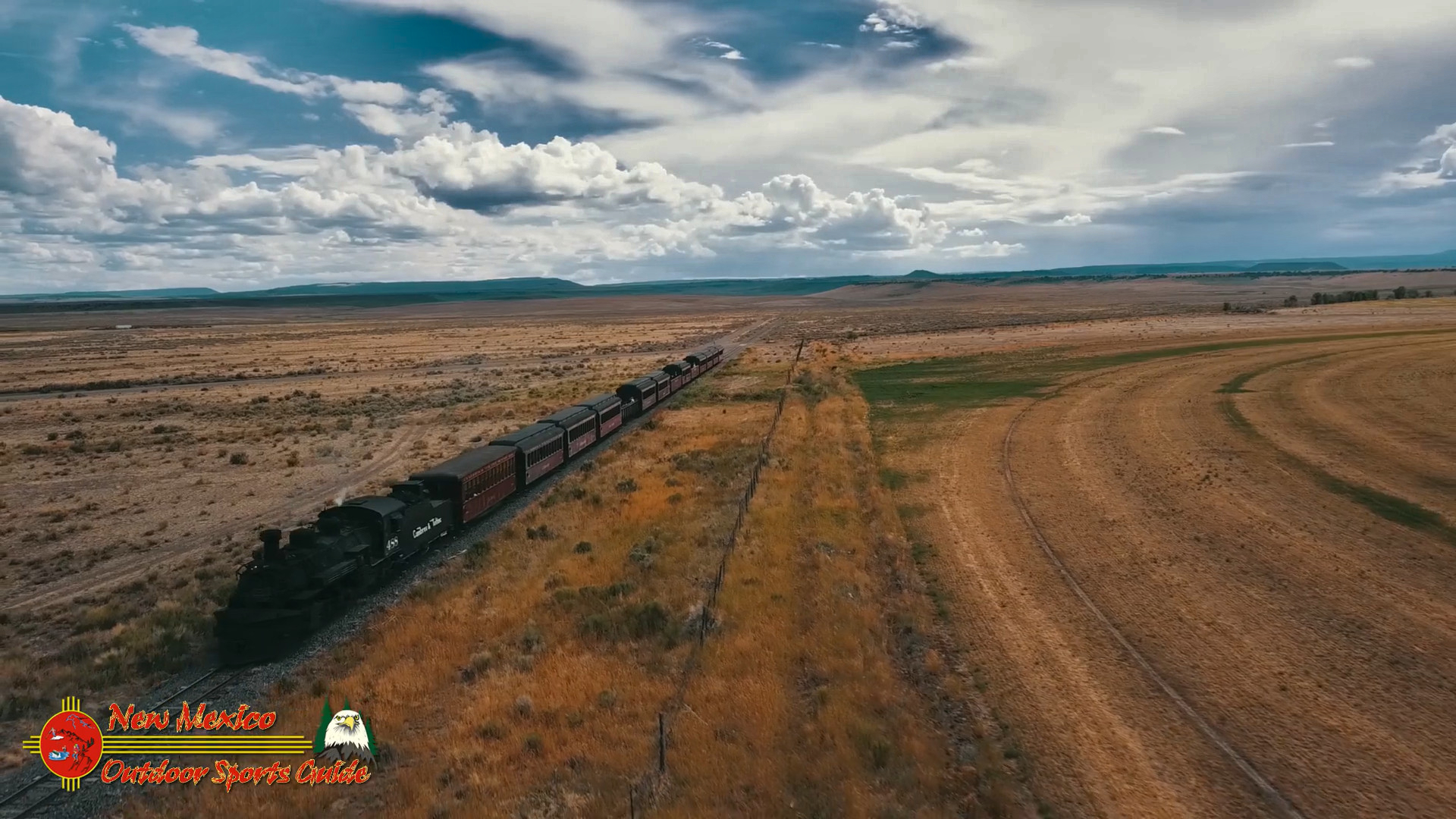
I tracked it from the southwest, keeping the background clean — open country and sky — before angling in to reveal the train's full length. I came around for a side angle, then pulled back and let the landscape swallow it for a moment before coming back in tighter. The light was doing exactly what I'd hoped, catching the steam as it rolled back along the cars. The action camera beside the tracks caught the ground-level rush as the locomotive thundered past.
When I brought the Mavic back down and reviewed the footage on my phone, I actually said something out loud that I won't repeat here. It was complimentary. Paulette looked at the footage and smiled. That was all I needed.
Why This Train, This Route, This Country
There are scenic railroads across the American West, and most of them are wonderful. But the Cumbres & Toltec Narrow-Gauge Scenic Train occupies a category by itself, and I think it comes down to authenticity. This is a completely authentic steam railroad that has steamed through history and across the Rocky Mountains since 1880. Nothing about it is a recreation or a replica. The locomotives are real. The cars are real. The track is the original track. When you ride it, you are riding the same route the silver miners rode, the same route the settlers rode, the same route that connected isolated communities to the rest of the world.
Departing from the high plains of the San Luis Valley, the Antonito route offers a dramatic transition from wide-open sagebrush to the sheer rock walls of the Toltec Gorge — ideal for those who want to experience the big sky of the West and the engineering marvels of the line. That transition — from vast, open, almost intimidating high-desert country into the tight drama of the gorge — is something that sticks with you long after the ride is over.
The railroad operates between late May and late October, with two trains — one in each direction — departing each morning from Antonito, Colorado, and Chama, New Mexico. Both trains meet at Osier, Colorado, for lunch. It's a full-day experience that asks you to slow down to nineteenth-century speed and pay attention to country most people never see.
The drive Paulette and I took to get there — through Abiquiu, up through Chama, over Cumbres Pass, and down along the Conejos River — is itself as good as any train ride I've been on. That whole corridor, from Santa Fe north to the Colorado border and beyond, is some of the most dramatic, varied, and genuinely beautiful landscape in North America. The Cumbres & Toltec Narrow-Gauge Scenic Train runs right through the heart of it, and from the air on a July morning with the light coming through a sculpted sky, it looked exactly like what it is: something irreplaceable.
Come See It for Yourself
I'm an octogenarian now, and I'll tell you this honestly: some of the footage I'm proudest of has come in these later years, when patience has replaced the impulse to rush, and experience has replaced the need to show off. That July morning near Antonito was one of those days where everything aligned — the preparation, the conditions, a little luck, and just enough hand-eye coordination to get the job done.
The video is up on the New Mexico Outdoor SportsGuide YouTube channel, and I hope you'll watch it. But more than that, I hope you'll go. Load up the truck, take the long way through Abiquiu and Chama and over Cumbres Pass. Follow the Conejos River into Antonito. Buy a ticket on the Cumbres & Toltec Narrow-Gauge Scenic Train and let a 145-year-old steam locomotive show you what this country looks like at twelve miles per hour.
Some things are worth slowing down for. This is one of them.
0 Comments