
There is a precise moment in the New Mexico summer when the high desert heat makes a compelling case for retreating up into the mountains. Having spent my boyhood working cattle on a ranch in the wind-swept Kansas Flint Hills before Paulette and I built our hilltop log home here in Santa Fe back in 2020, I know a thing or two about summer heat. But while the Midwest plains offer very little escape from a scorching afternoon sun, Northern New Mexico holds a secret card up its sleeve: vertical altitude.
When you live at 7,000 feet in Santa Fe, relief from a hot summer day isn't found at the air conditioner dial or the local pool—it’s found just sixteen miles up the winding ribbons of Hyde Park Road at Ski Santa Fe, where the base area sits at a crisp 10,350 feet above sea level.
Every single summer, our daughter Kelly and her two daughters—Adison, who recently graduated from Trinity University down in San Antonio, and Sophie, who is eagerly preparing to step into her freshman year of high school—make their annual pilgrimage north from Texas to visit us at Casa Santa Fe. Over the years, these visits have become the centerpiece of our family calendar. We’ve established a rich tradition of embarking on unforgettable outdoor excursions together, whether that means riding horses through the painted canyons of Ghost Ranch or fly fishing quiet mountain streams.
For many families planning New Mexico summer vacations, finding activities that balance scenic beauty, outdoor adventure, and multi-generational accessibility can be a challenge. On July 5, 2026, we faced a classic high-desert dilemma: Santa Fe was baking under one of the hottest days of the season, with afternoon temperatures rapidly approaching a rare 90 degrees. We needed an outdoor escape that would keep three generations of hikers happy without melting in the midday sun.
The solution was simple: head up the mountain. What followed was a memorable 1.5-mile summer hike up the ski slopes of Ski Santa Fe—complete with an unexpected alpine rainstorm, pea-sized hail, plenty of shared laughter under a chairlift, and a rewarding Thai dinner to round out the day.
Escalating the Elevation: Getting to Ski Santa Fe
When folks ask me about planning New Mexico summer vacations, I always tell them that Santa Fe serves as the ultimate high-altitude basecamp. Situated in the foothills of the Sangre de Cristo Mountains—the southernmost subrange of the Rocky Mountains—Santa Fe sits at an elevation of roughly 7,200 feet. But the beauty of this region lies in how quickly the geography shifts from high-desert piñon and juniper woodlands to dense subalpine forests of aspen, Douglas fir, and Engelmann spruce.
Getting to Ski Santa Fe from our home at Casa Santa Fe is an adventure in its own right. The drive follows New Mexico State Road 475, better known as the Santa Fe National Forest Scenic Byway or Hyde Park Road. Leaving the historic adobe neighborhoods of Santa Fe behind, the road begins a relentless, twisty climb through the Santa Fe National Forest, ascending over 3,000 vertical feet in just 16 miles.
As you navigate the gentle switchbacks, the transformation of the ecosystem is staggering:
-
The Lower Foothills (7,200 – 8,000 ft): Dominated by piñon pine, juniper, and scrub oak, baking under bright blue Southwestern skies.
-
Hyde Memorial State Park (8,000 – 9,000 ft): Thickening stands of ponderosa pine line the road, and the air begins to carry a cool, resinous aroma.
-
The Upper Mountain Corridor (9,000 – 10,350 ft): Aspen groves carpet the hillsides alongside tall blue spruce and Douglas fir.
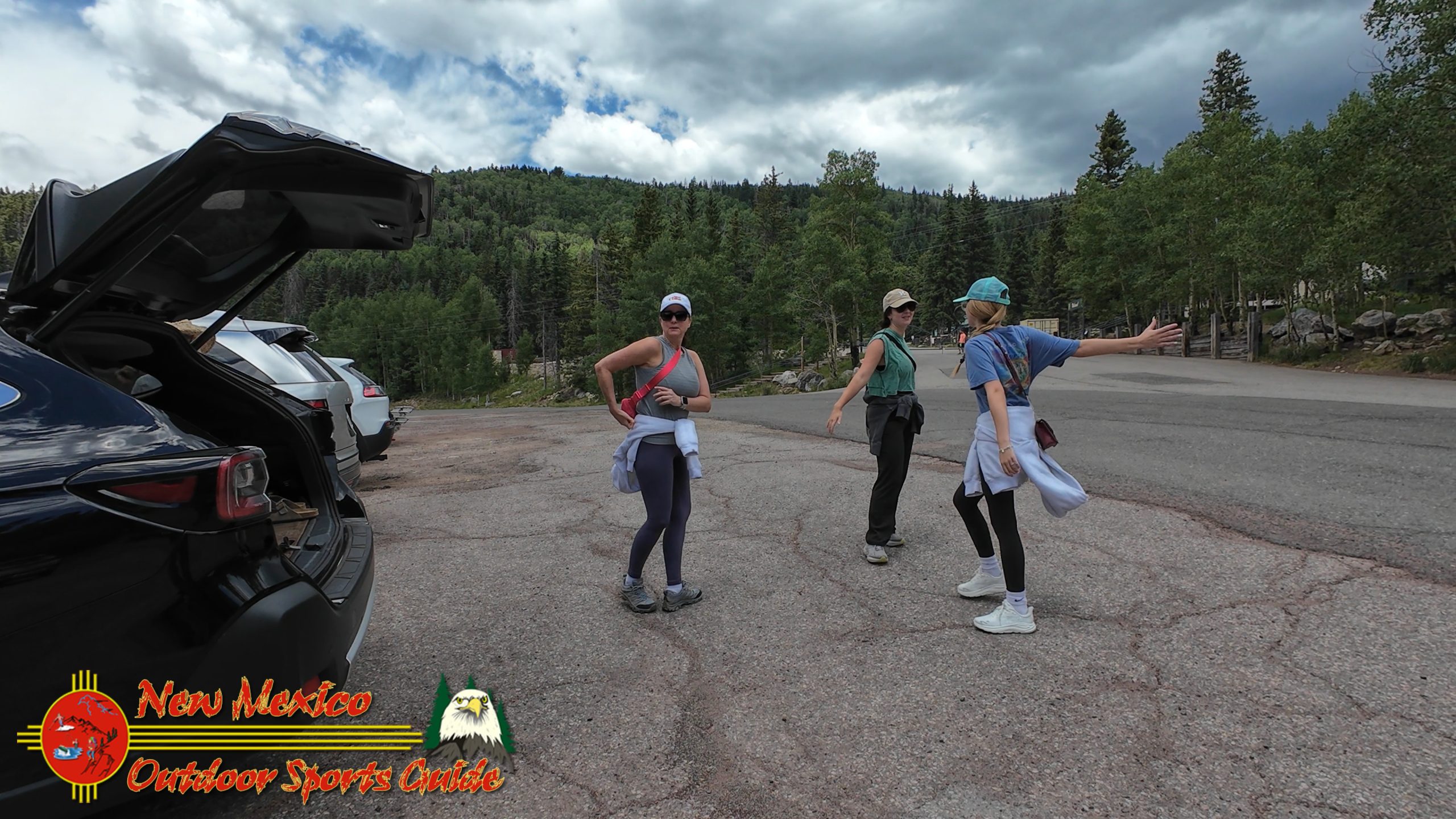
On July 5th, as the heat shimmer rose off the pavement in town and the thermometer registered nearly 90 degrees, we loaded up the Outback. Paulette, Kelly, Adison, Sophie, and I piled in, laced up our day hiking shoes, and began the scenic climb up NM-475.
With every mile and every hundred feet of elevation gained, the vehicle's outside temperature gauge dropped like a rock. By the time we pulled into the expansive paved parking lot at the base of Ski Santa Fe, the thermometer read a delightful 70 degrees—a full twenty-degree drop from the valley floor below.
The air at 10,350 feet has a distinct clarity. It feels thin, crisp, and pure, carrying the clean scent of sun-warmed pine needles and damp alpine earth. Standing in the quiet shadow of the ski lodge, looking up at the green slopes that are usually buried under feet of winter snow, we knew we had made the right call.
Understanding Weather Seasons and Alpine Microclimates
Understanding the seasonal weather patterns is essential for anyone embarking on New Mexico summer vacations, particularly when heading into the high country. New Mexico experiences a distinct climate phenomenon known as the Southwestern Monsoon.
Beginning in late June or early July and stretching through August, the regional wind patterns shift, pulling moist tropical air north from the Gulf of California and the Gulf of Mexico. When this warm, moist air collides with the intense solar heating of the Southwestern landmass and is forced rapidly upward by high mountain peaks—a process known as orographic lift—it creates ideal conditions for localized afternoon cloud development.
A typical summer day in the Sangre de Cristo Mountains follows a predictable cadence:
-
Bright, Clear Mornings: Crisp air, brilliant sunshine, and intense high-altitude UV rays.
-
Midday Cloud Build-up: Puffy white cumulus clouds begin building over the mountain peaks around noon.
-
Afternoon Thunderstorms: Between 1:00 PM and 4:00 PM, localized rain showers, frequent lightning, and occasional hail develop rapidly over the high ridges.
-
Late Afternoon Clearing: The storms push through, leaving behind washed-clean skies, dropping temperatures, and glowing evening light.
Because altitude lowers air temperature by roughly 3 to 5 degrees Fahrenheit for every 1,000 feet of elevation gain, the high mountain ski basins offer a refreshing refuge from heatwaves. However, high-altitude weather is notoriously mercurial. At 10,000 to 11,000 feet, a bright sunny afternoon can transform into a chilly, storm-swept alpine environment in a matter of minutes. Being prepared with extra layers, sturdy footgear, and an eye on the sky is rule number one for mountain hikers—especially when trekking with family.
Setting Off: The Climb Up the Ski Runs
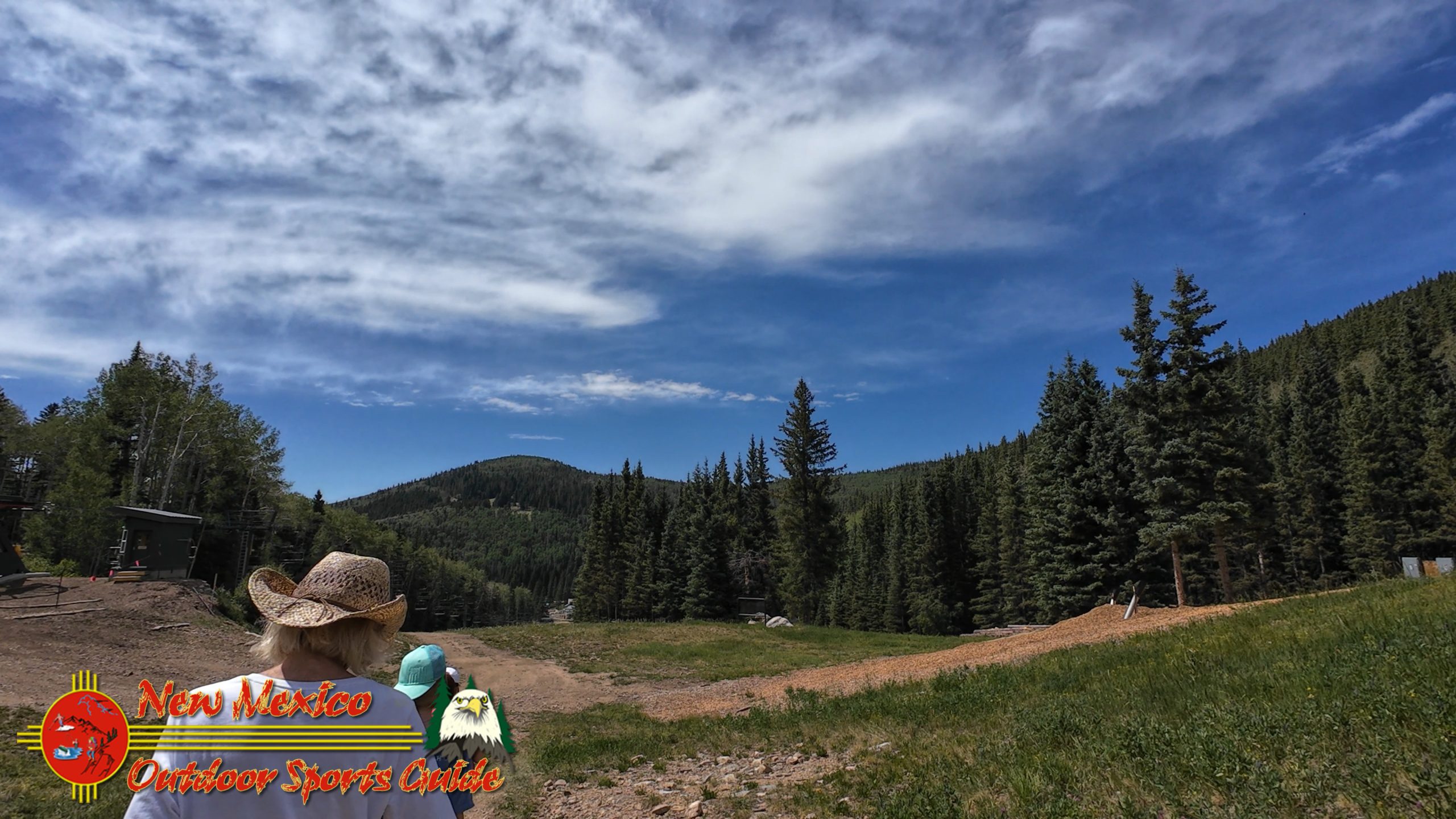
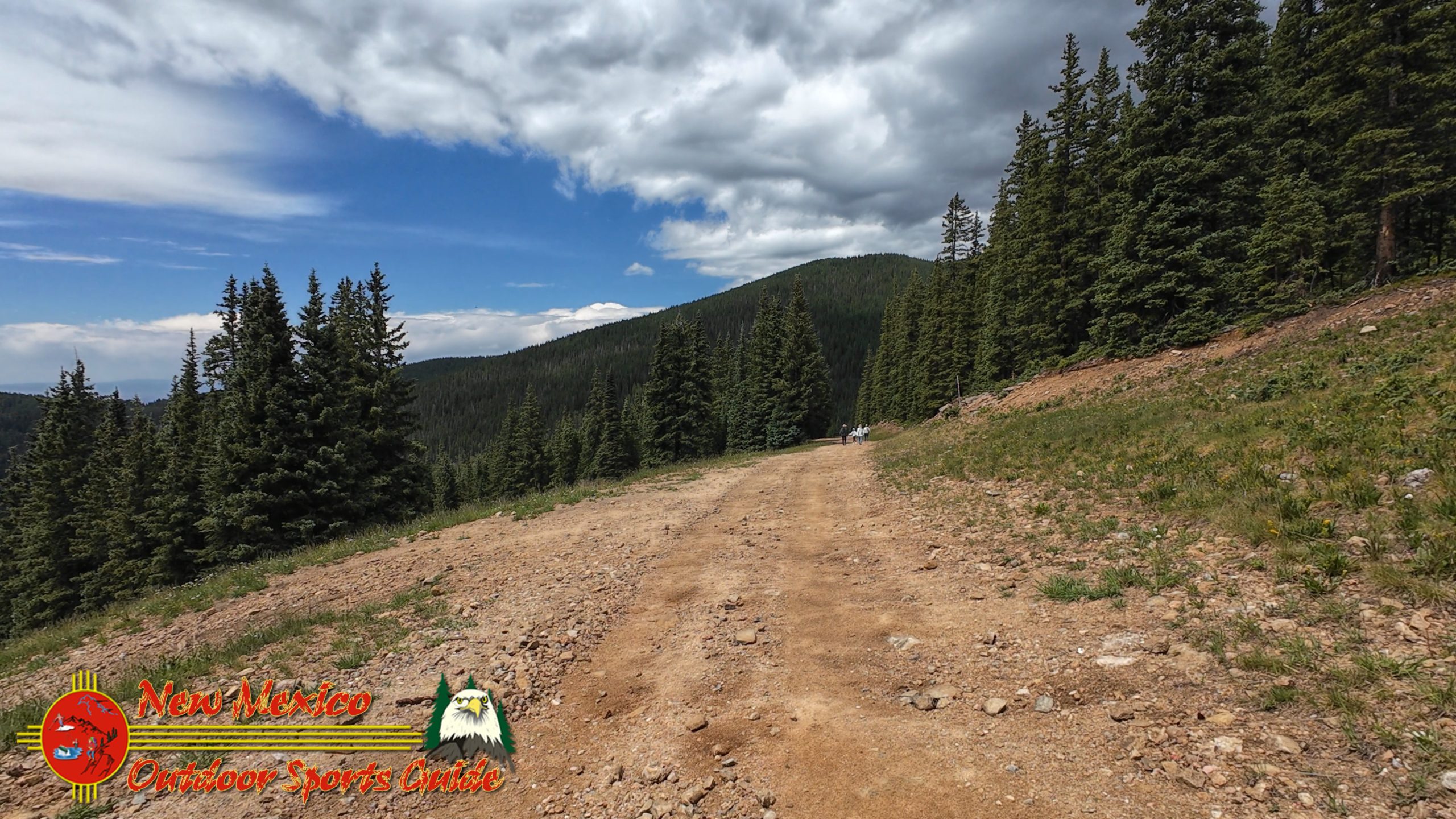
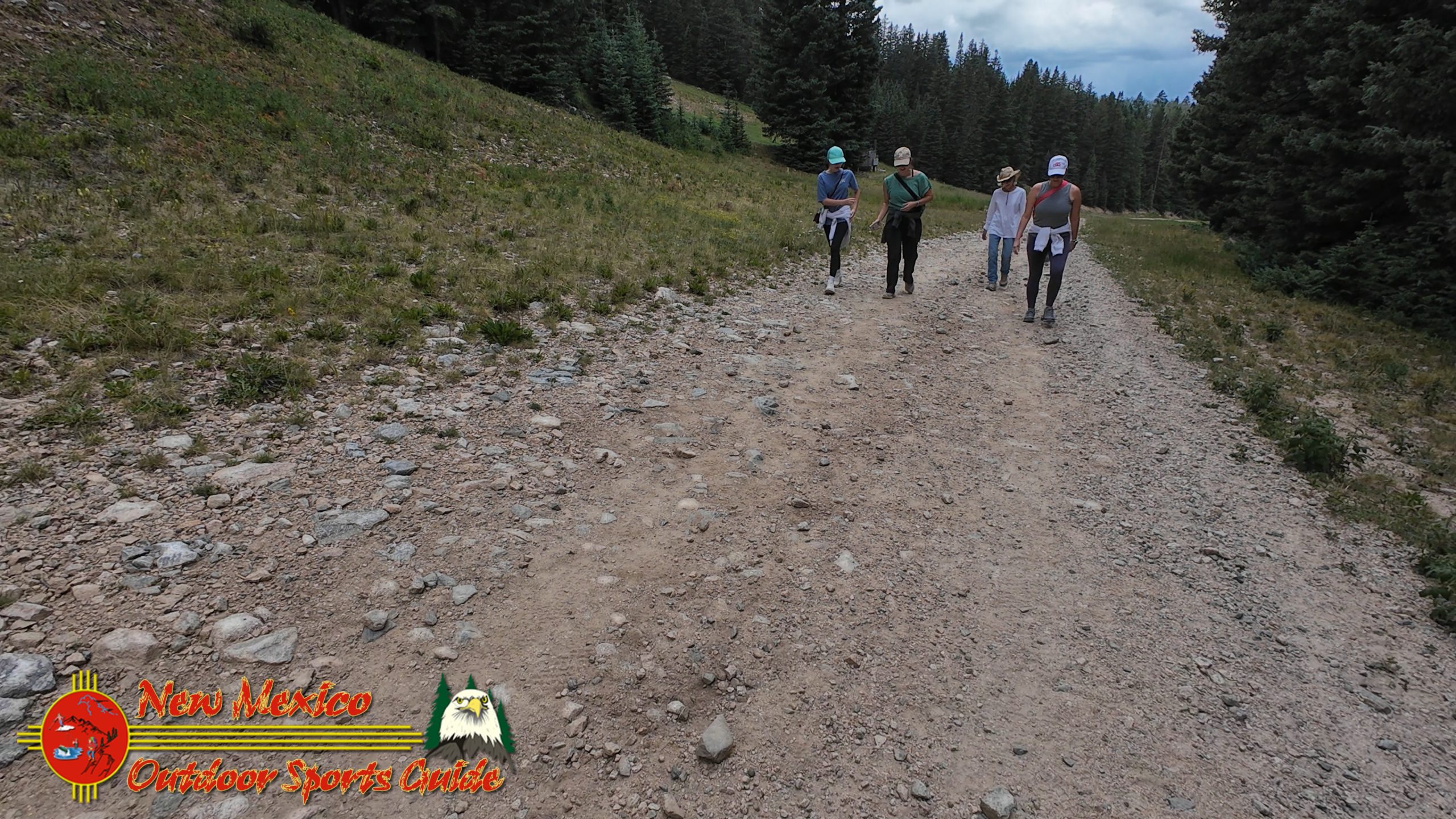
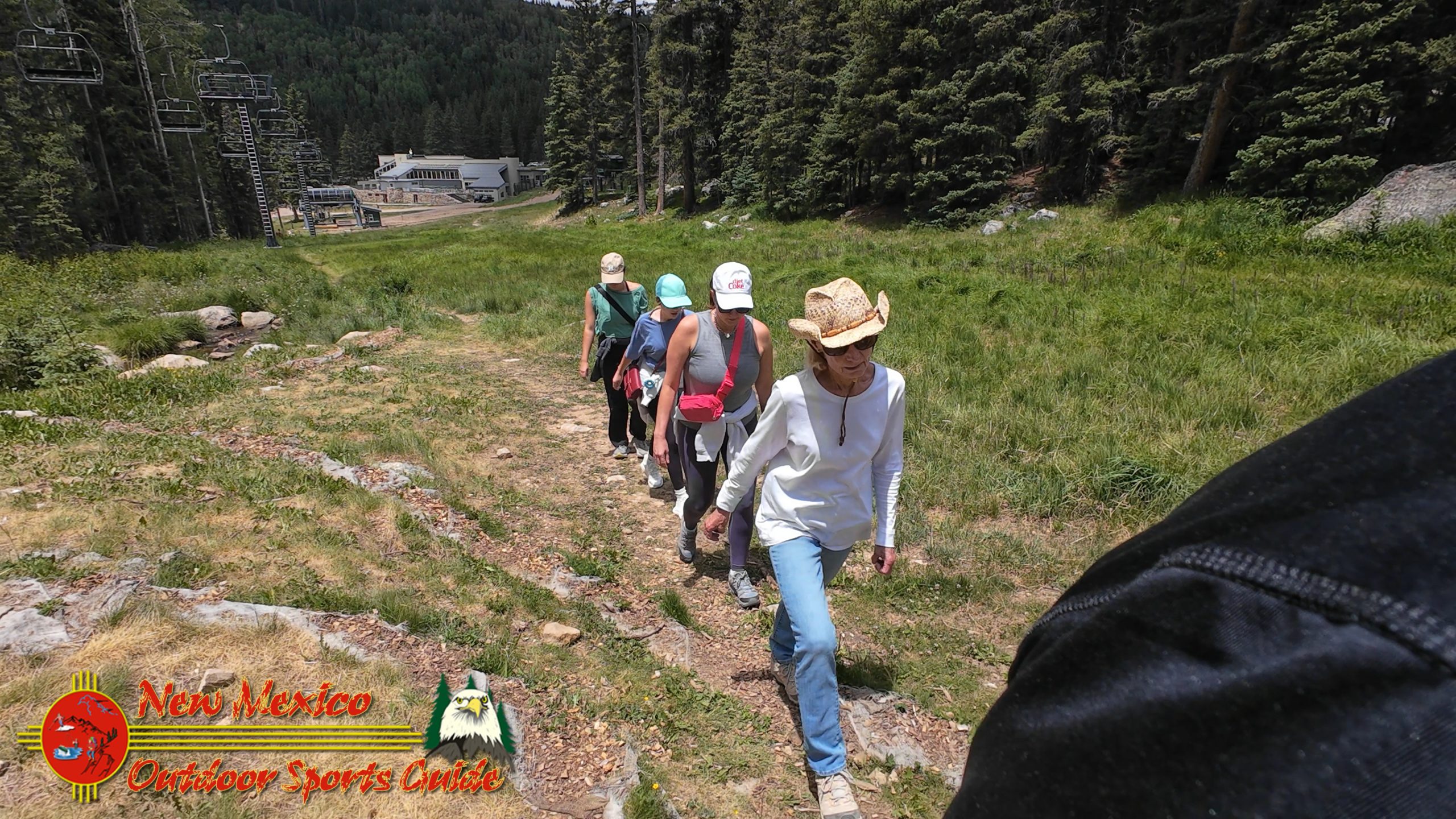
After double-checking our laces and adjusting our day packs, our group of five set off from the base of Ski Santa Fe. Our plan for the afternoon wasn't a grueling 10-mile wilderness trek into the adjacent Pecos Wilderness; rather, it was a modest, deliberate climb directly up one of the grassy ski runs toward the upper mountain chairlift terminals.
While a mile-and-a-half hike sounds easy on paper, climbing a ski slope means taking on a solid 1,000 vertical feet of elevation gain in a relatively short distance. At an elevation starting above 10,000 feet, where the atmospheric pressure is significantly lower and oxygen molecules are sparser than at sea level, every step upward demands respect.
Being in my eighties, I’m a firm believer in setting a steady, comfortable pace. Hiking alongside my wife Paulette, our daughter Kelly, and our two energetic granddaughters, we established a pleasant rhythm.
Sophie, brimming with the boundless energy of a rising high school freshman, set a brisk pace up the wide, grassy slope. Adison, possessing the thoughtful composure of a recent college graduate, stayed close alongside, taking in the panoramic vistas expanding below us.
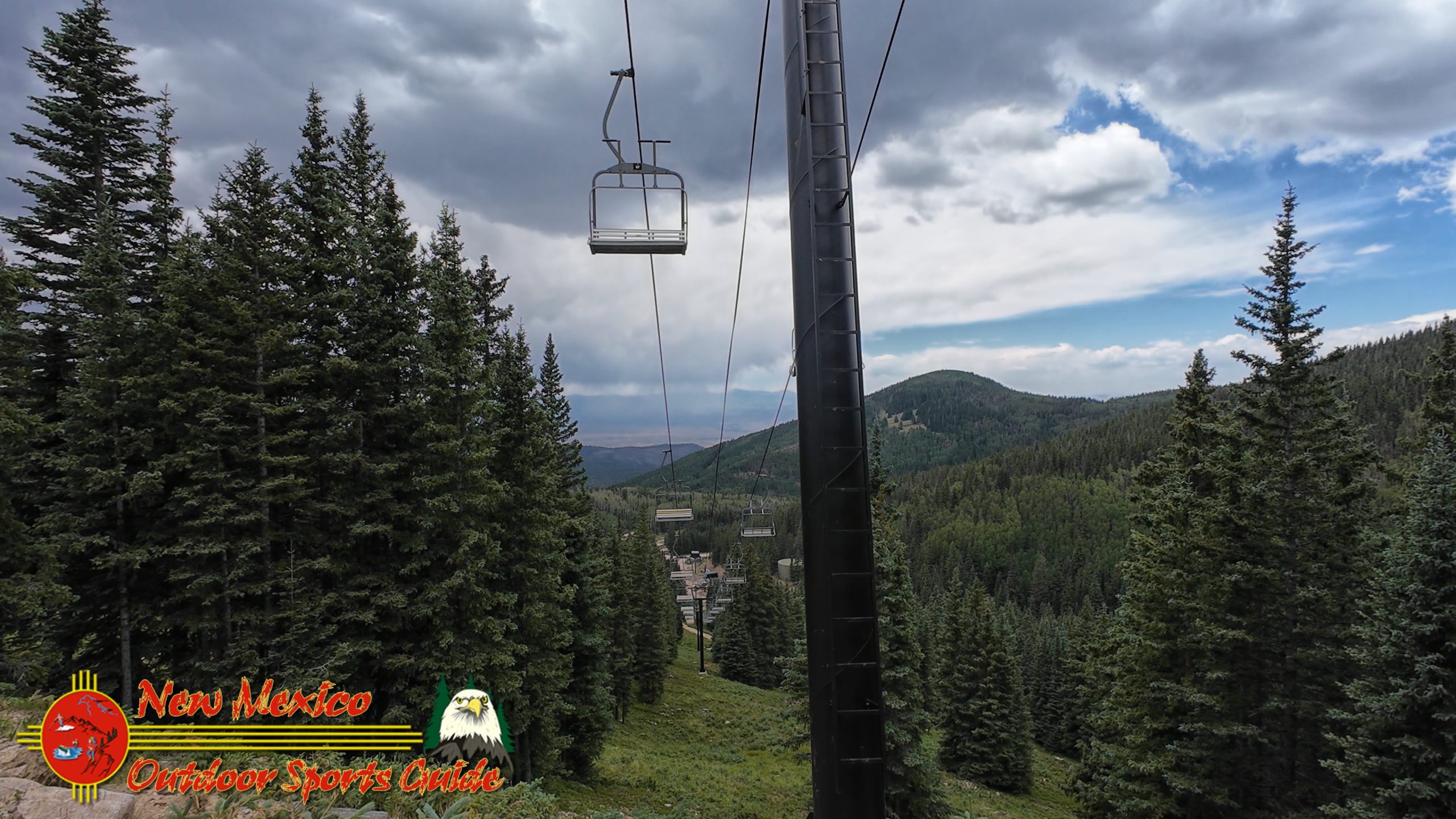
The ski run provided a wide, clear path framed on both sides by dense, lush stands of quiver-leaf aspen and towering conifers. Walking up a ski run in the dead of summer is a unique experience—you walk across lush mountain turf where skiers normally carve through powder, looking up at the steel towers and quiet cables of the chairlifts standing like silent sentinels against the blue sky.
To ensure everyone stayed comfortable, we incorporated frequent "breather stops." These brief pauses were less about resting tired legs and more about turning around to marvel at the expanding landscape:
-
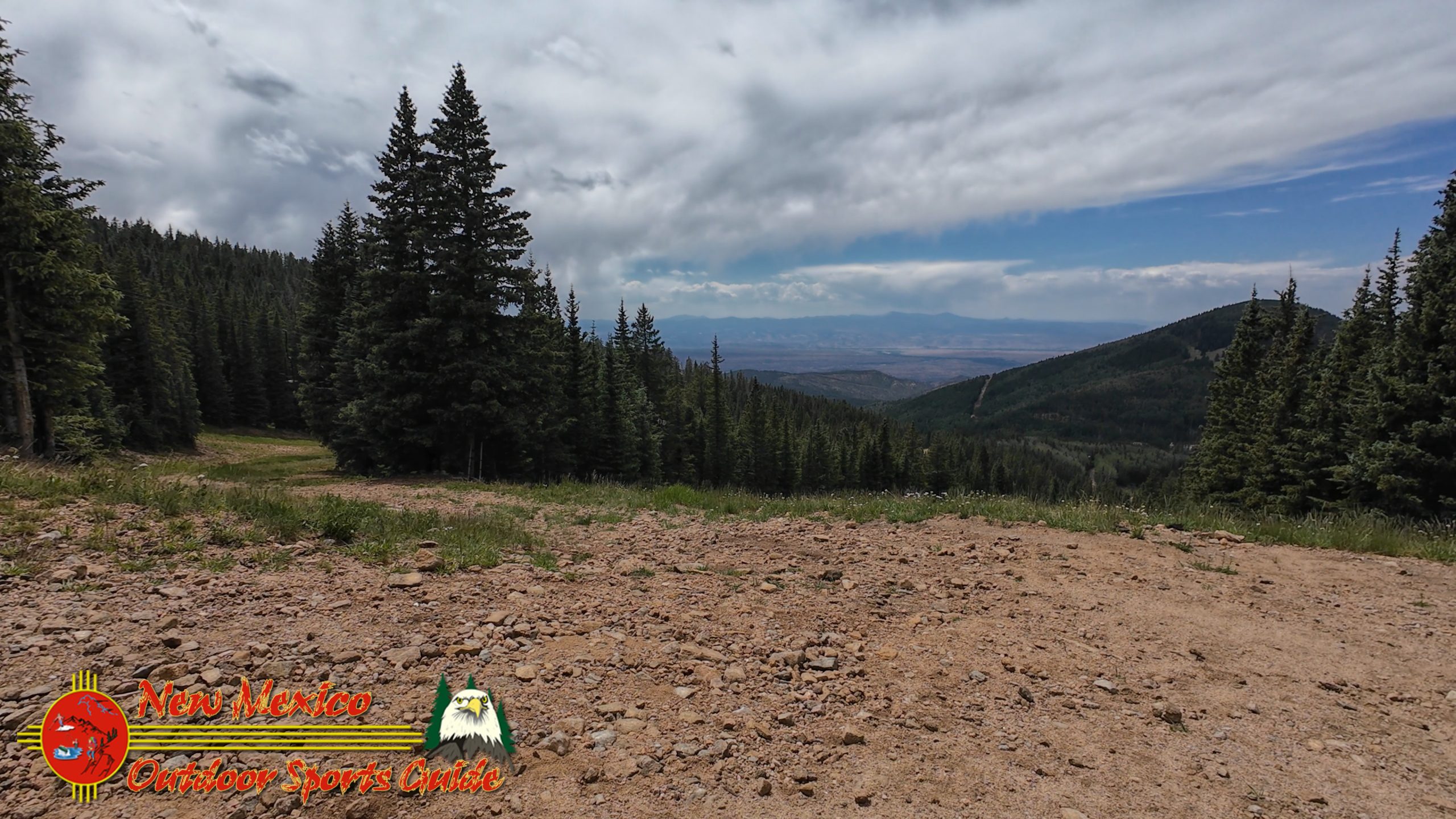
The Valley Floor: Looking west, the entire Santa Fe basin stretched out before us, glowing in the summer light.
-
Distant Mountain Ranges: Far across the Rio Grande Rift, the distinctive volcanic silhouette of the Jemez Mountains carved across the horizon.
-
The Forest Canopy: Below us, waves of evergreen canopy mingled with bright green patches of summer aspens.
With every stop, we took deep gulps of cool mountain air, drank plenty of water, and enjoyed the simple pleasure of being together in the high country.
Rain, Hail, and Shelter at the Summit Chairlift
As we completed roughly three-quarters of our ascent, the mountain demonstrated just how quickly conditions can change during New Mexico summer vacations.
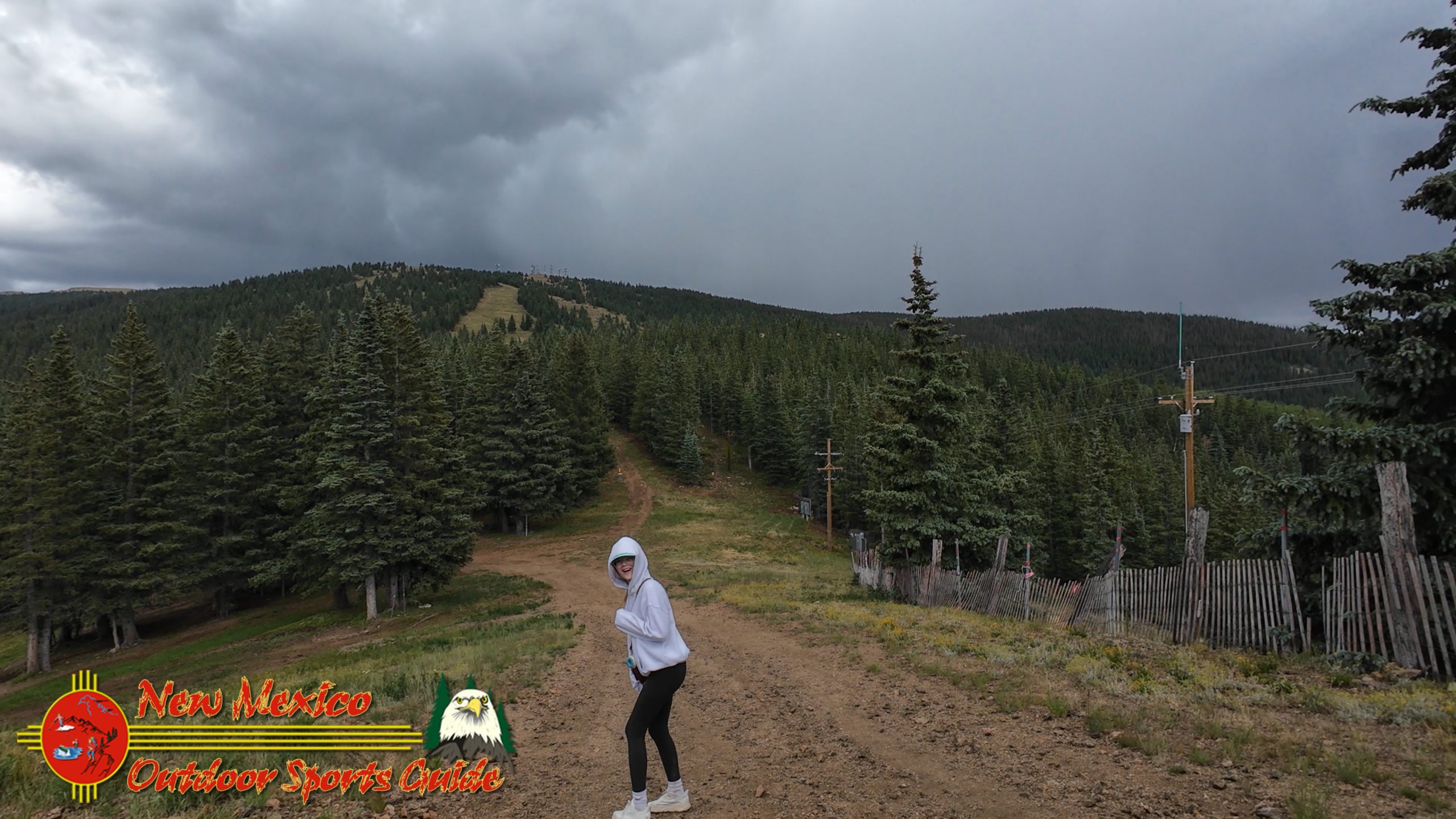
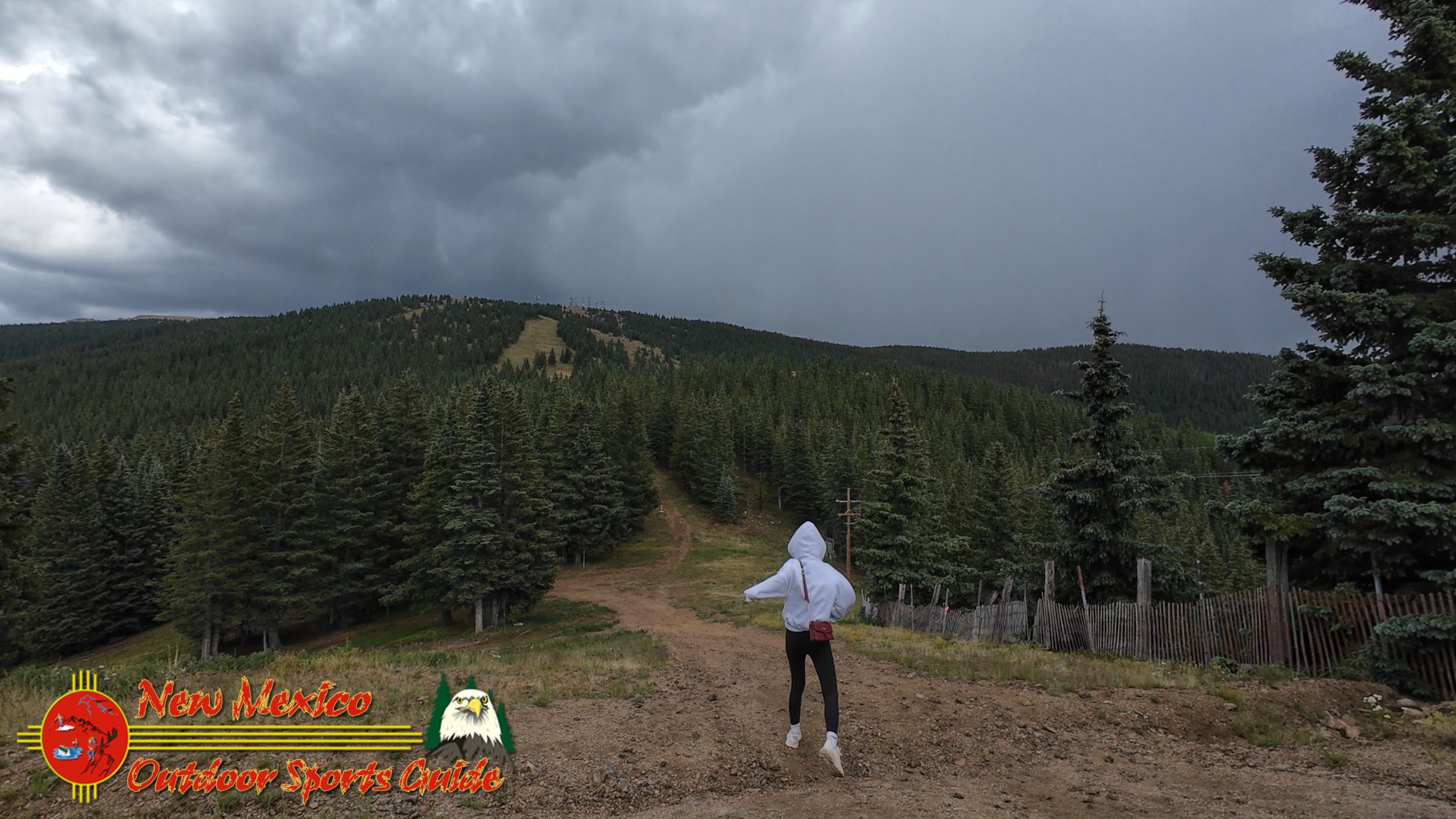
Without much warning, the brilliant sun that had guided our climb slipped behind a thick blanket of dark, charcoal-colored clouds that had swept over the top of the ridge from the eastern side of the peaks. The bright, warm daylight turned into a cool, dramatic dusk-like atmosphere. Within moments, the ambient temperature began to plummet rapidly—dropping nearly 20 degrees in what felt like a blink of an eye.
Then came the first warning signs: a few scattered, icy raindrops splattered against our hats and shirts.
Paulette stopped, looked up at the rapidly darkening sky, and turned to me. "Pat, should we turn back now before this really opens up?" Kelly and the girls paused, looking back down the steep, trail we had spent the last hour climbing.
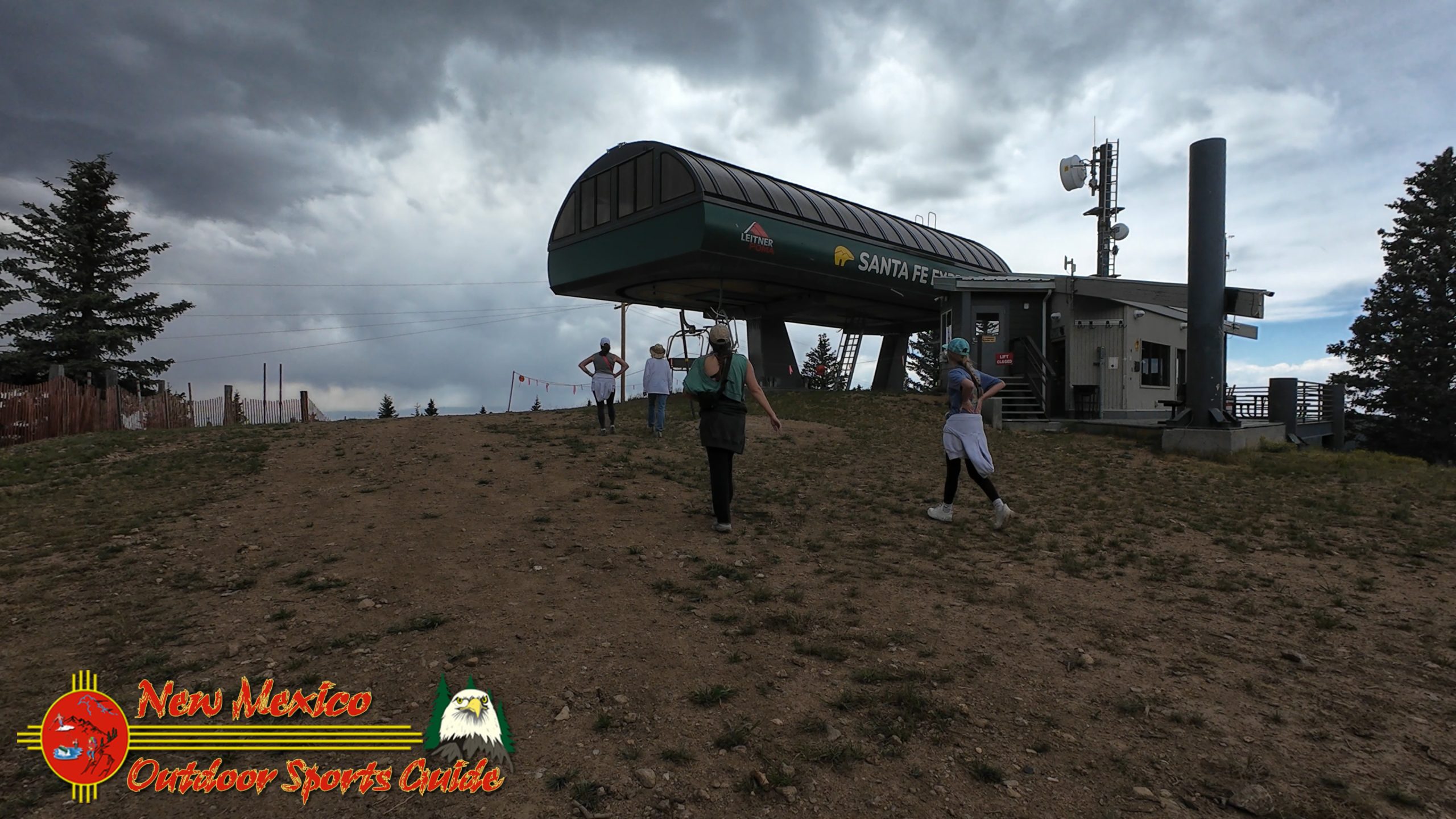
I looked ahead up the mountain. The top terminal of the chairlift was visible just ahead, perched on the upper trail like a small steel sanctuary.
"It’s only about another fifteen minutes to the top," I said, offering a reassuring smile. "If we push on, we can take cover right under the structure at the top of the chairlift and wait out whatever shower comes through. If we turn back now, we’ll be walking down in the open while it hits."
The group agreed, and with renewed focus, we trudged upward through the cooling breeze.
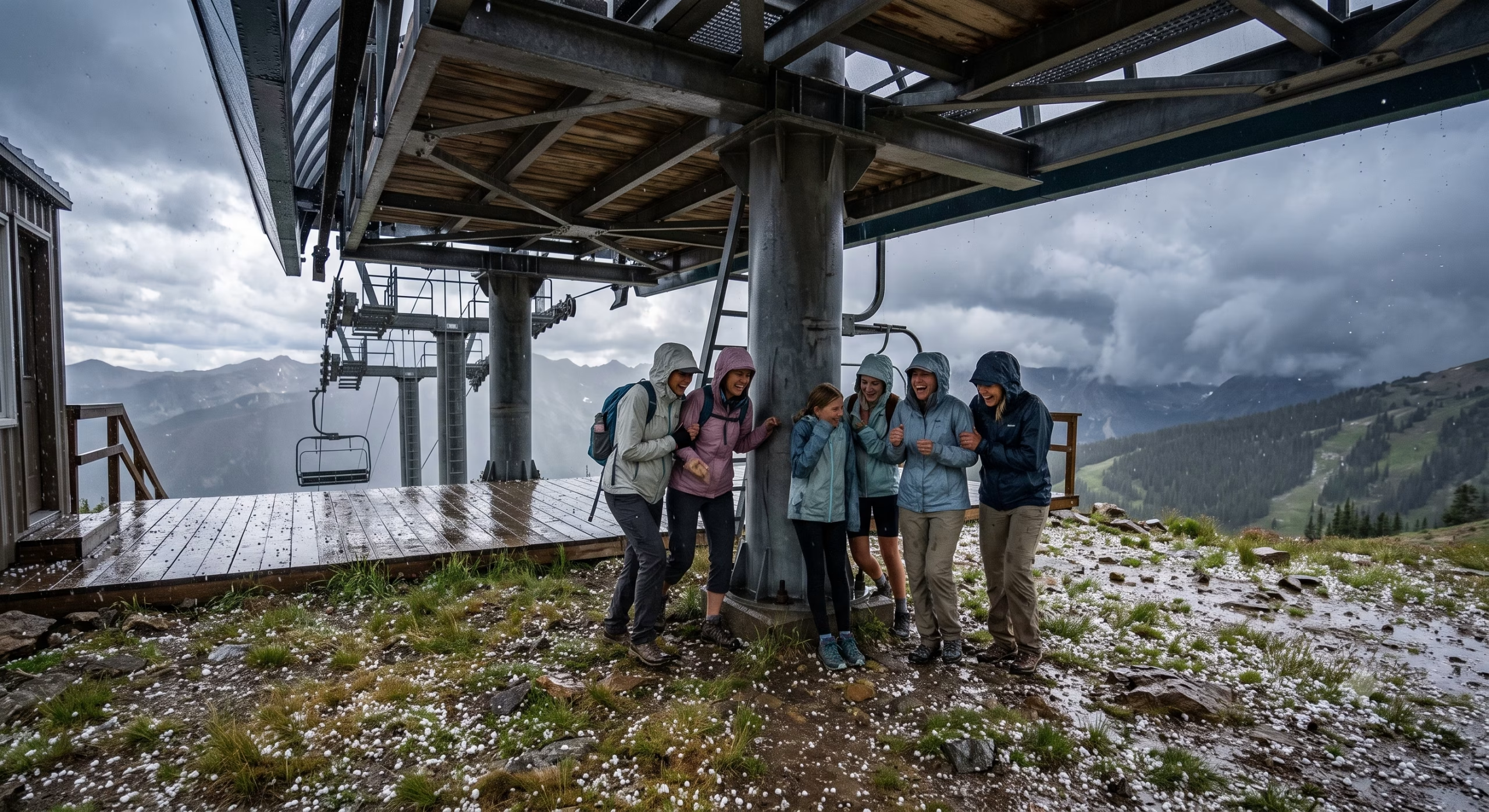
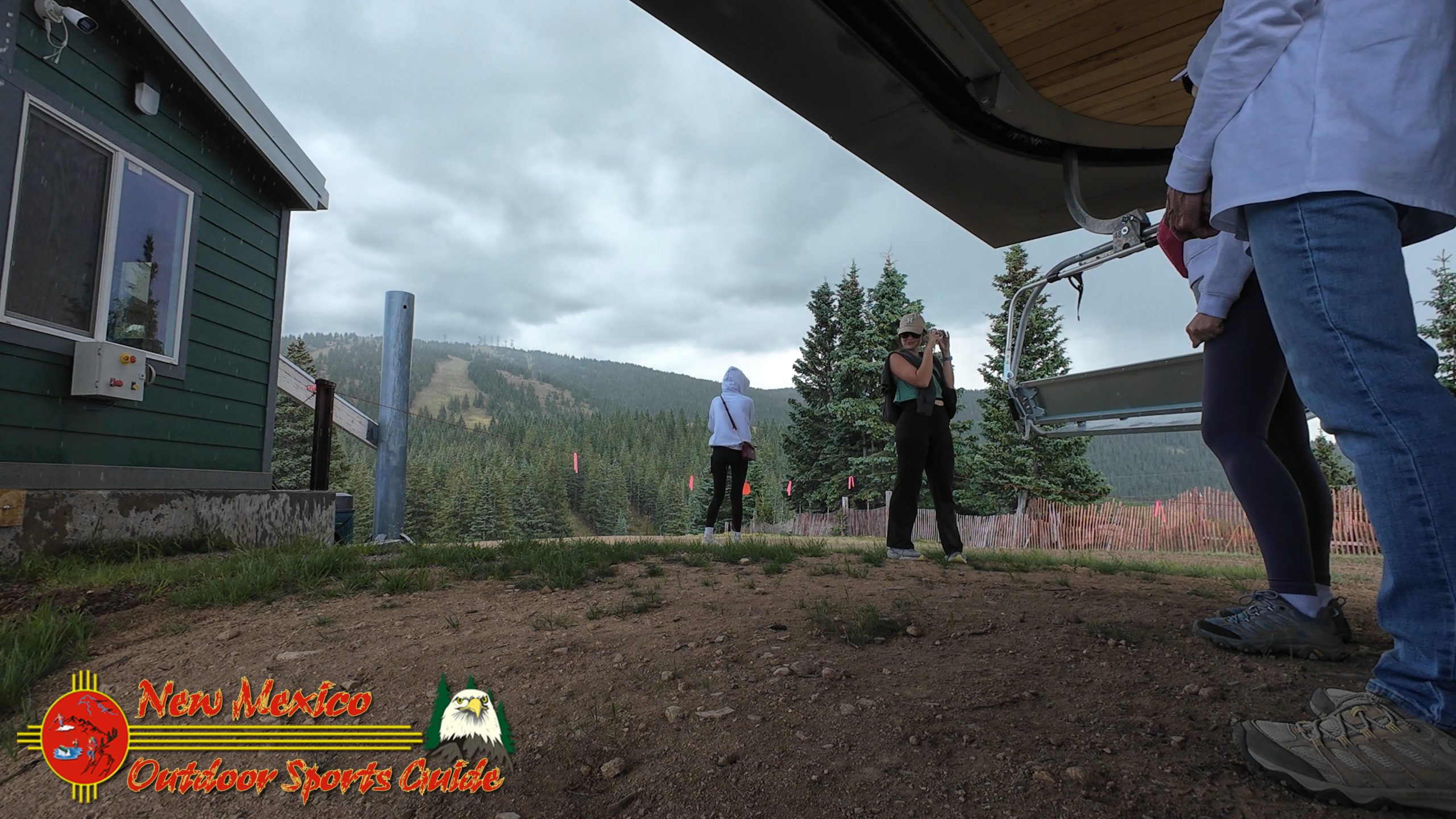
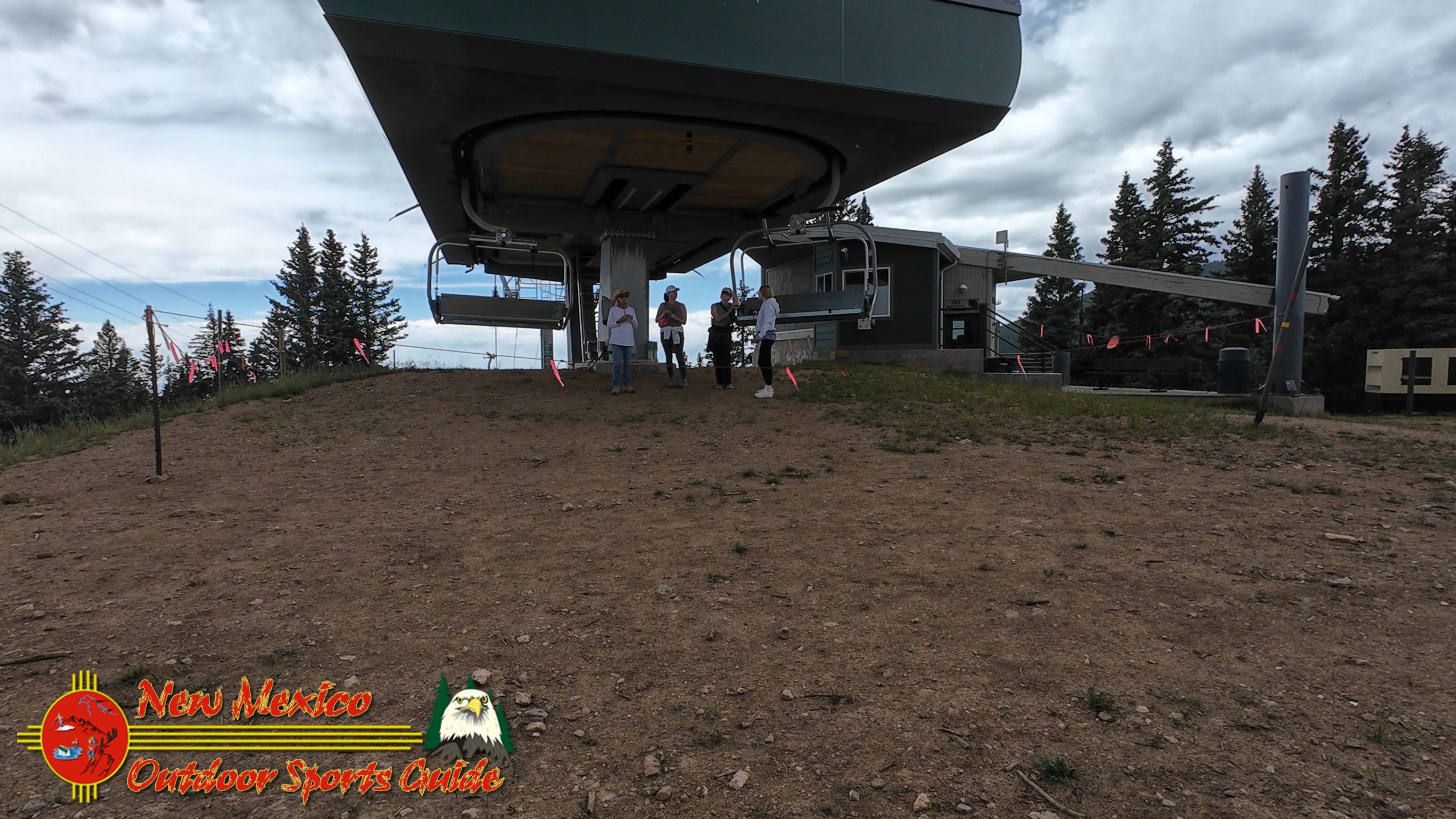
Sure enough, not five minutes after our group pulled beneath the broad, overhanging metal canopy of the chairlift terminal structure, the skies opened up in earnest. What started as a steady downpour quickly transformed into a sharp, icy burst of pea-sized hail. Thousands of tiny white ice pellets bounced off the metal framing of the lift structure and rattled against the ground around us.
The wind began to swirl, sweeping sheets of cold rain through the shelter. But far from dampening our spirits, the weather turned our simple hike into a joyful family bonding experience.
Because the wind shifted direction every few minutes, we played a game of strategic positioning around the lift’s massive structural pillars and machinery housings. We huddled close, moving together from the west side to the east side, then around to the back wall whenever the gusts shifted:
-
We held our jackets tight against the sudden mountain chill.
-
We watched the pea-sized hail cover the green mountain grass in a light scatter of white.
-
We laughed out loud at the absurdity and thrill of being caught in a high-altitude summer hail storm.
For fifteen solid minutes, the storm rattled against our shelter while three generations of our family shared warmth, laughter, and a deep appreciation for the sheer power of mountain weather. It’s precisely these unscripted, spontaneous moments that make family trips during New Mexico summer vacations so memorable.
The Descent: Sunshine Returns
As quickly as the storm had materialized over the Sangre de Cristo crest, the heavy rain began to taper off into a soft mist. I stepped out from beneath the edge of the lift structure, pulling my hat down and scanning the sky.
In the high desert, reading the clouds is an essential skill. Looking toward the southwest, I could see the trailing edge of the storm system moving rapidly away toward the east, leaving behind a sliver of bright, clear sky on the horizon.
"The main shower is pushing past us," I announced to the group, pointing toward the break in the clouds. "We have a good window of light right now. Let's make our decision to head back down the mountain before the next potential cloud cell forms."
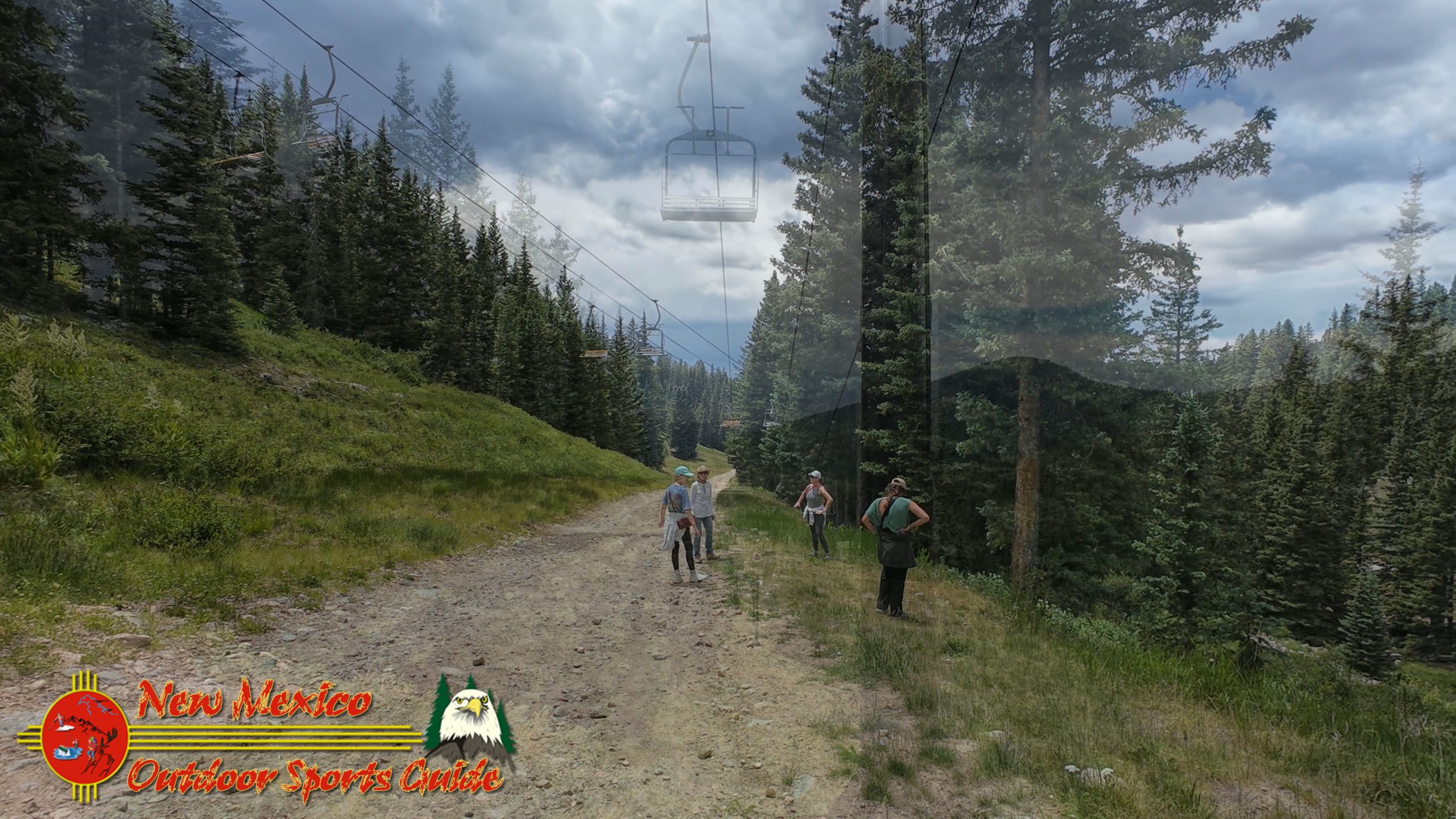
With the consensus reached, we started our descent down the ski slope.
Sophie immediately stepped to the front, taking the lead with nimble, confident footwork as she guided us down the damp trail. Descending a steep ski slope requires a different set of muscles than climbing—short, deliberate steps, soft knees, and careful foot placement on the slick, rain-freshened terrain.
About thirty minutes into our descent, our timing was rewarded in spectacular fashion. The thick cloud deck broke completely apart, and the high-altitude summer sun burst back onto the mountain slope.
The transformation was magical:
-
The damp aspen leaves and grass sparkled under the sudden return of warm, golden sunlight.
-
The cool, chilly air warmed up into a perfect, refreshing breeze.
-
Steam rose gently off the sun-warmed rocks and soil, filling the air with the incredible smell of wet earth and fresh pine—a scent known locally as petrichor.
The remainder of our walk back to the parking lot was utterly pleasant. The thermal contrast between the cold hail shelter and the warm afternoon sun made us appreciate the mountain air even more. By the time we reached the Outback at the base area, our footwear was dry, our hearts were light, and our appetites were well and truly primed.
A Fitting Finale: Thai Food from Chai Yo
Driving down NM-475 late in the afternoon, our conversation turned naturally to the most important post-hike topic: dinner.
After an active afternoon at 11,000 feet, battling a sudden drop in temperature and hiking down a mountain slope, everyone was ready for a hearty, satisfying meal back at Casa Santa Fe. We debated various local options as we negotiated the scenic switchbacks back toward the city floor.
Adison, drawing on her refined taste, put forward a brilliant suggestion: "How about we pick up takeout Thai food?"
The idea won instant, unanimous approval. There is nothing quite like warm, savory, spiced Thai cuisine to revive your body after a chilly rain and hail encounter in the mountains.
Adison quickly pulled out her phone as we reached reliable cell service on the lower stretches of Hyde Park Road and called in a takeout order to Chai Yo, one of our favorite local spots in the Santa Fe area known for serving authentic, flavorful Thai dishes.
By the time we arrived back in town and picked up our order, the aroma filling the car was irresistible. We returned to the comfort of Casa Santa Fe, set the dining table, and unpacked a feast of fresh curries, flavorful noodle dishes, and perfectly seasoned appetizers.
Sitting around the table with Paulette, Kelly, Adison, and Sophie—recounting the afternoon's adventure over plates of exceptional Thai food—was the absolute highlight of the day. We laughed about dodging the blowing rain around the chairlift structure, praised Sophie for her leadership on the trail descent, and toasted to another wonderful family summer gathering in Northern New Mexico.
Planning Your Own New Mexico Summer Vacation
If you are considering planning New Mexico summer vacations for your own family, the Santa Fe region offers a world-class mix of outdoor recreation, cultural depth, and breathtaking natural beauty. To help you make the most of your trip, here are a few practical tips based on years of local experience:
1. Hydrate Early and Often
Santa Fe sits at 7,200 feet, and popular trailheads like Ski Santa Fe climb past 10,000 feet. The air at these elevations is exceptionally dry, causing moisture to evaporate rapidly from your body. Start drinking plenty of water a day or two before you arrive, and always carry more water than you think you’ll need on every hike.
2. Prepare for Dramatic Temperature Drops
Never judge high-mountain weather by the temperature in town. As our July 5th hike proved, a hot 90-degree afternoon in Santa Fe can translate to a 70-degree start at the ski basin and a rapid drop into the 50s during a sudden rain or hail shower.
Essential Gear to Pack for Summer Mountain Hikes:
-
Layered Clothing: A breathable base layer, an insulating mid-layer (like fleece), and a lightweight waterproof rain jacket.
-
Proper Footwear: Sturdy day hiking shoes or boots with good lugged soles for traction on steep, damp grass or loose gravel.
-
Sun Protection: High-altitude UV light is intense. Always wear sunglasses, broad-spectrum sunscreen, and a brimmed hat.
-
Day Pack: A 20 to 30-liter pack to carry extra layers, water bladders, snacks, and basic safety supplies.
3. Respect the Afternoon Monsoons
If you plan to hike above the treeline or explore high mountain ridges, start early in the morning. Aim to be off open ridges and back below the treeline by noon or 1:00 PM to avoid exposed lightning risks during afternoon thunderstorm development.
4. Mix Adventure with Local Flavor
One of the greatest delights of visiting Santa Fe is pairing high-country outdoor adventure with the rich culinary scene of the area. Whether you prefer traditional Northern New Mexico green chile dishes, high-end Southwestern dining near the Plaza, or takeout from fantastic local gems like Chai Yo, rewarding yourself with a great meal after a trail outing is a tradition worth keeping.
Conclusion: Memories Made in the High Country
As I look back on our July 5th hike at Ski Santa Fe, I’m reminded of why Paulette and I chose to make Northern New Mexico our home. There is a timeless quality to these mountains—a landscape that invites you to slow down, breathe deeply, and share meaningful moments with the people you love most.
Whether it’s watching your granddaughters take charge on a trail, huddling together against a sudden alpine hail storm, or enjoying a delicious meal together at the end of the day, New Mexico summer vacations have a way of creating memories that endure long after the dust has settled on your hiking boots.
So, if you find yourself facing a hot summer day in the high desert, don't stay indoors. Grab your gear, head up Hyde Park Road, and discover the cool, invigorating magic waiting for you at the top of Ski Santa Fe.
Share Your Southwestern Adventures!
Have you ever been caught in an unexpected mountain storm during your summer hikes, or do you have a favorite high-altitude escape in Northern New Mexico? We’d love to hear your stories! Leave a comment below, share this post with your fellow outdoor enthusiasts, and be sure to check back with New Mexico Outdoors for more guides, trail tips, and family adventure stories from the Land of Enchantment. Happy trailing!


0 Comments