
From our front deck at Casa Oso, perched at 9,250 feet above the Moreno Valley, Paulette and I witnessed one of nature's most beautiful collaborations with human ingenuity—dozens of hot air balloons drifting across the crystalline mountain air like giant, colorful jellyfish floating through an ocean of sky. Balloons Over Angel Fire wasn't just another festival; it was a celebration that transformed our little corner of the Sangre de Cristo Mountains into something magical, something that made you grateful to be alive and living in such a spectacular place.
When I recently spotted an article in the Angel Fire news announcing that Balloons Over Angel Fire has resumed after years of absence, I felt that familiar stir of excitement—the same anticipation Paulette and I shared every year as September approached and we'd start watching the weather, hoping for those perfect still mornings when the balloons would launch. The news brought back a flood of memories from those seventeen years we called Angel Fire home, and I found myself reaching for my camera equipment, already planning a return trip to capture what we'd missed for so long.
The Magic of Mountain Ballooning
There's something particularly special about hot air ballooning in the high country. Unlike the famous Albuquerque International Balloon Fiesta down in the Rio Grande Valley, Balloons Over Angel Fire offered an intimate, almost otherworldly experience. The thin mountain air at our elevation—ranging from about 8,300 feet at the valley floor to over 9,000 feet where many of us lived—presented unique challenges for balloon pilots. They needed more heat, more skill, and considerably more nerve to navigate the unpredictable mountain winds that could swirl and shift with the topography.
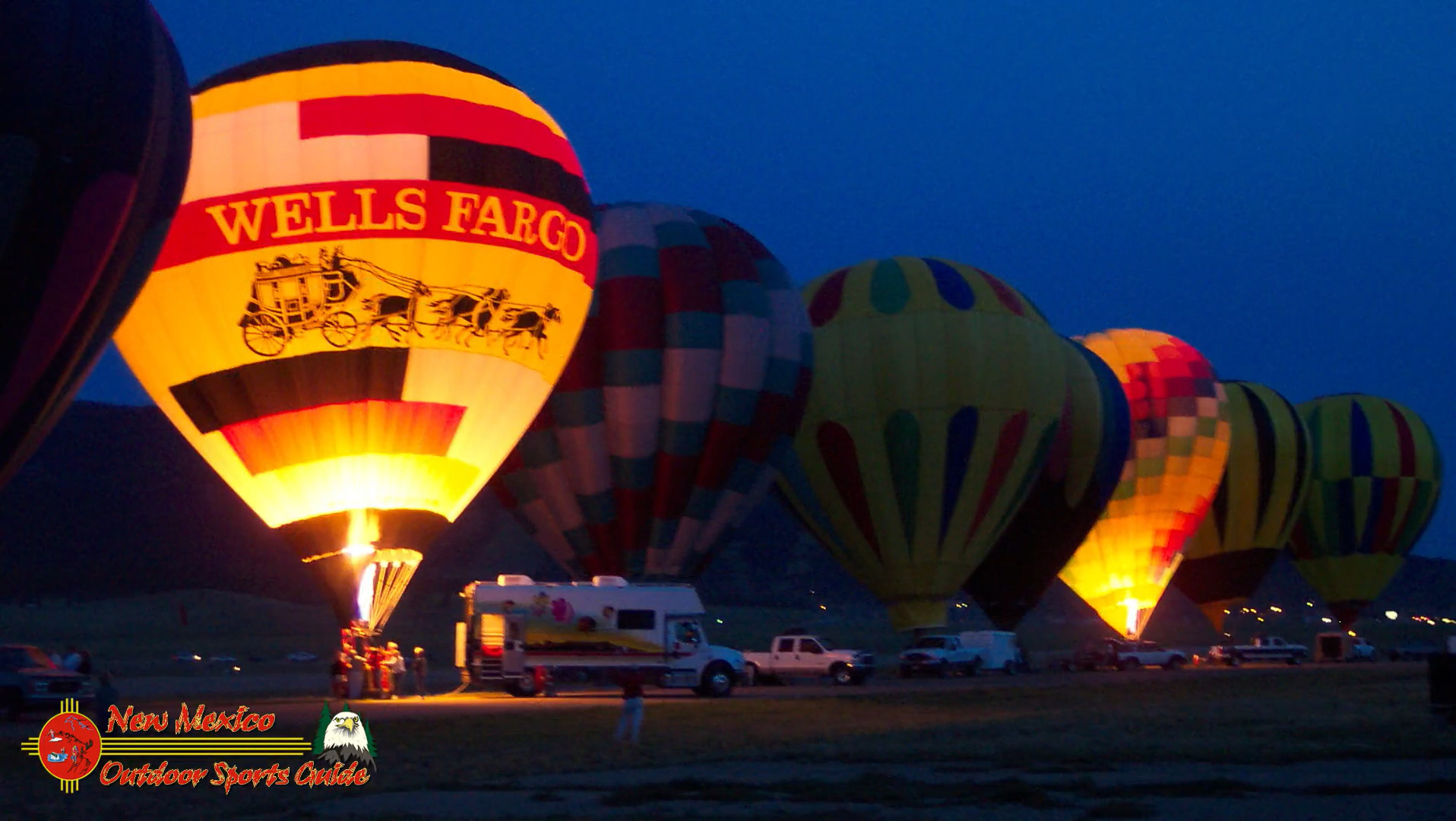
I remember those early mornings, coffee in hand, standing on our deck as the sun began painting Wheeler Peak in shades of pink and gold. We'd hear them before we saw them—the periodic roar of propane burners echoing across the valley. Then they'd appear, rising above the ridgeline like a child's dream made real, their vibrant colors stark against the deep blue of the high-altitude sky. Some mornings we'd count twenty or more, scattered across the valley in a scene that belonged on a postcard.
The pilots were artists in their own right, reading the invisible currents of air, understanding how the morning sun warming the valley floor would create thermals, how the draws and canyons would channel the winds. Occasionally—and these were the moments that made my heart race a bit—a balloon would drift close enough to Casa Oso that we could hear the pilot calling to their crew, see the expressions on the passengers' faces as they gazed down at our log home and the vast wilderness spreading out in every direction.
I'll confess, watching those close passes, I'd find myself holding my breath, hoping the winds would cooperate and guide them safely down to the valley floor. A forced landing at 9,000 feet in the surrounding pine and aspen forest would be nobody's idea of a good time. But these pilots knew their craft, and in all those years, I never witnessed anything but graceful flights and safe landings in the meadows below.
The History of Balloons Over Angel Fire
Balloons Over Angel Fire began in the late 1990s, born from the vision of community leaders who recognized that our little mountain village had something special to offer. Angel Fire was already known for its world-class skiing, summer mountain biking, and the dramatic beauty of the Moreno Valley, but the balloon festival added another dimension—a way to experience this landscape from a perspective few ever see.
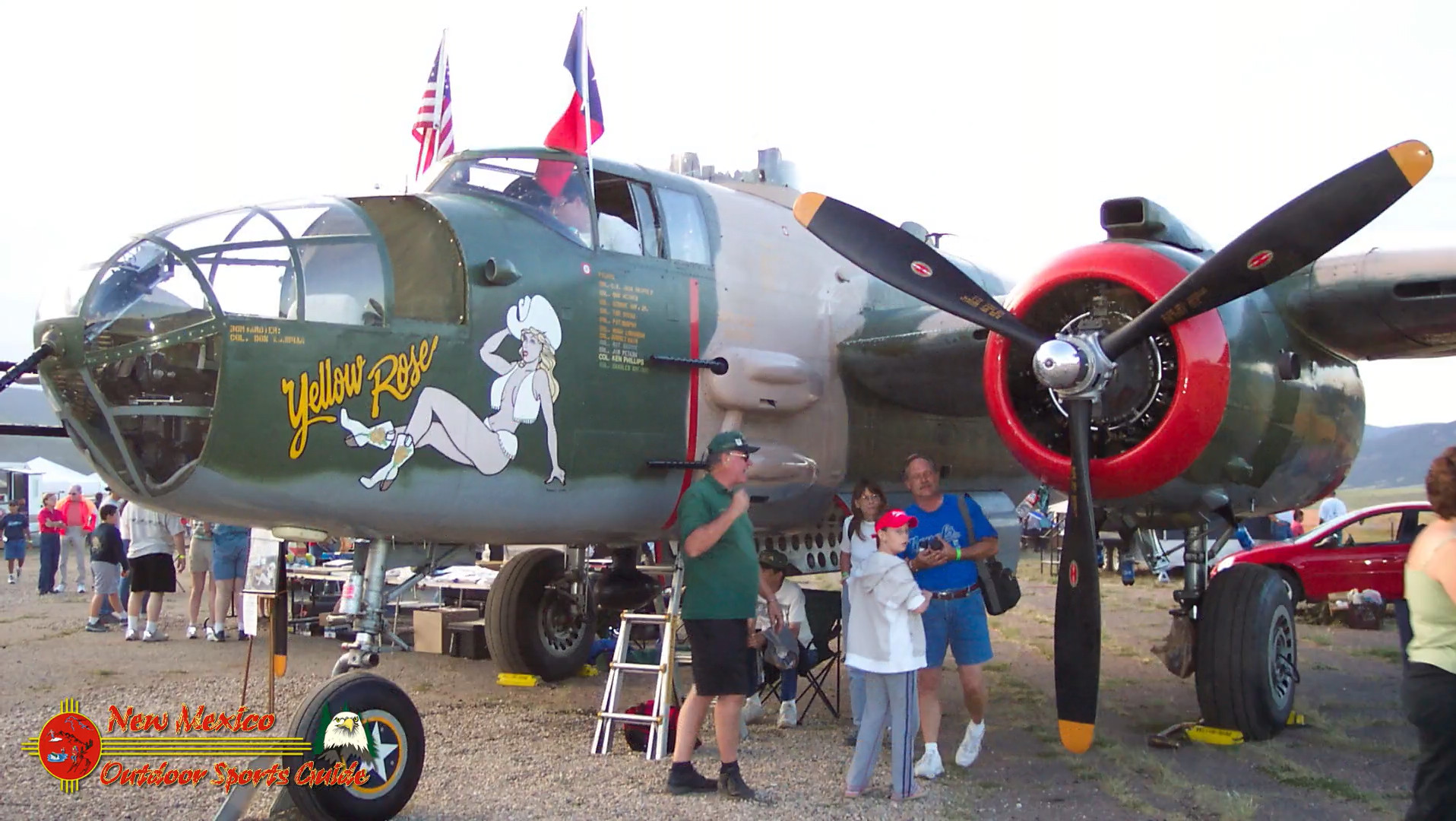
The festival typically ran in September, after the summer crowds had thinned but before the first serious snowfall. The timing was perfect. The aspen were turning gold, the air was crisp and stable in the mornings, and the autumn light had that particular clarity you only find at high altitude. Combined with air shows featuring everything from vintage warbirds to modern aerobatic planes, the event grew into one of northern New Mexico's premier autumn attractions.
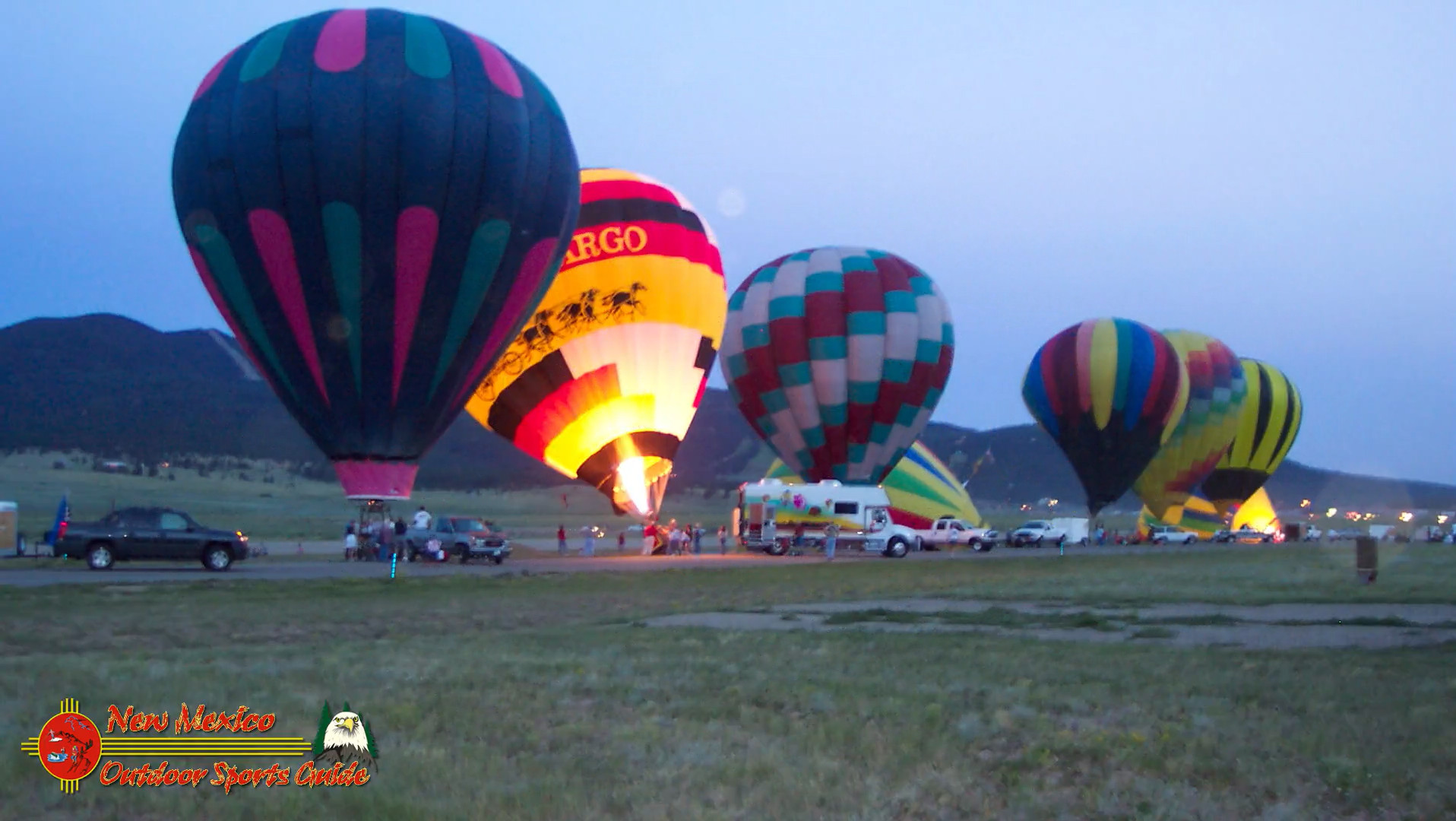
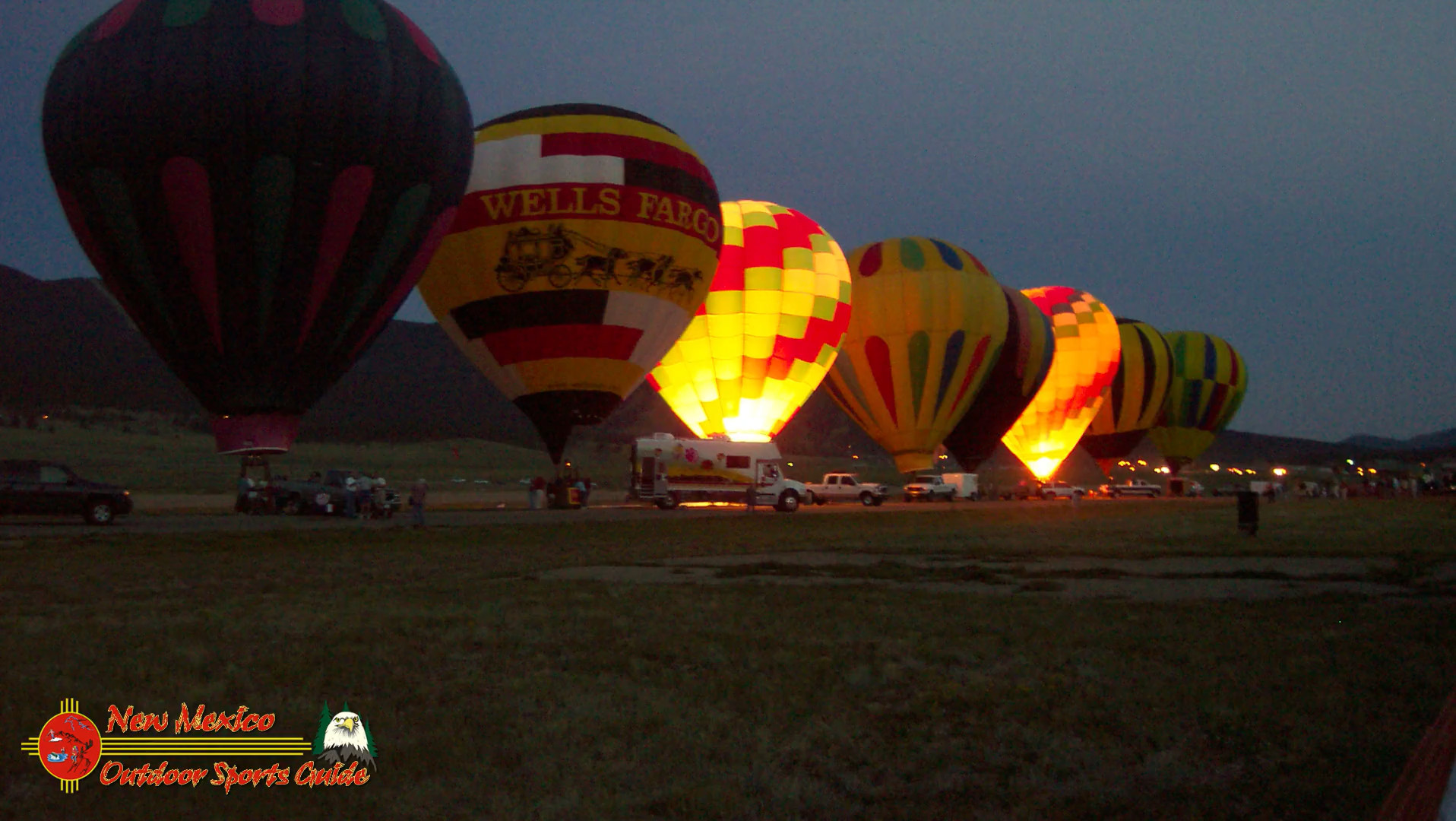
What made Balloons Over Angel Fire different from other balloon festivals was its intimate scale and stunning setting. While Albuquerque might launch hundreds of balloons, Angel Fire's event featured dozens, creating a more personal experience. Spectators could walk among the balloons during inflation, talk with pilots, and really appreciate the craftsmanship and engineering that goes into these remarkable aircraft. The backdrop of Wheeler Peak—New Mexico's highest at 13,161 feet—and the expanse of the Moreno Valley created photographic opportunities that drew enthusiasts like me from across the Southwest.
For years, the festival thrived, bringing thousands of visitors to our mountain community each September. Local businesses flourished during the event, and for many families, it became an annual tradition. Then, for reasons that seemed to shift like mountain winds—insurance costs, organizational challenges, changing priorities—the festival went dark. Those of us who'd come to depend on it as a marker of the seasons felt a genuine loss. The September skies seemed emptier somehow.
Angel Fire and the Moreno Valley: A Landscape Made for Dreams
To understand why Balloons Over Angel Fire was so special, you need to understand the place itself. Angel Fire sits in the Moreno Valley, a high mountain basin cradled between the Sangre de Cristo range to the west and the Cimarron range to the east. It's a landscape that looks like God took extra time with the details.
The valley stretches roughly north to south, with Eagle Nest Lake anchoring the northern end—a reservoir created in 1918 that reflects the mountains like a vast mirror on calm days. The village of Eagle Nest sits at the lake's southwestern edge, a tiny community that swells with fishermen and tourists in summer but returns to its quiet self come winter. South of Eagle Nest, the valley opens up into meadows and ranchland, dotted with ponderosa pine and aspen groves, before Angel Fire sprawls across the landscape with its ski resort, golf courses, and scattered mountain homes.
The Moreno Valley has a rich history that predates any of us modern residents by centuries. The Jicarilla Apache knew these mountains intimately, hunting elk and deer through the forests, fishing the cold streams. Spanish explorers passed through in the 1700s, and by the mid-1800s, mountain men and trappers were working the beaver streams. The valley's name—Moreno, meaning "brown" or "dark" in Spanish—might refer to the dark coniferous forests clothing the mountainsides, or perhaps to the rich, dark soil of the valley floor.
Gold was discovered in the nearby mountains in 1866, bringing a rush of prospectors and the wild optimism that accompanied every mining boom. The town of Elizabethtown—E-town to locals—sprang up just over the ridge from Eagle Nest and briefly became one of New Mexico's largest settlements. Like most gold rush towns, it faded when the easy gold played out, leaving behind foundations and memories and the occasional artifact that still surfaces in the forest.
By the early 1900s, ranching had become the valley's primary economy. Those vast meadows were perfect for cattle and sheep, and the long winters, while harsh, built a particular kind of resilience in the people who stayed. I understood those ranchers, having grown up working cattle on our Kansas Flint Hills ranch. There's a kinship among people who make their living from the land, whether it's the rolling prairie or high mountain valleys.
Angel Fire as a destination resort began taking shape in the 1960s when developers recognized the area's potential for skiing. The Angel Fire Resort opened in 1966, and the community grew around it. By the time Paulette and I built Casa Oso in 2000, Angel Fire had evolved into a year-round resort community, though it retained much of that mountain town character that drew us there in the first place.
Air Shows in the High Country
While the balloons were the main attraction, the air shows that accompanied Balloons Over Angel Fire added another layer of excitement to the festival. For a small mountain village, Angel Fire managed to attract some impressive performers over the years.
I remember one particular year when a beautifully restored P-51 Mustang screamed through the valley, the Rolls-Royce Merlin engine's distinctive growl echoing off the mountainsides. As someone who'd spent years flying everything from single-engine trainers to twin-engine Beechcraft Barons, I could appreciate the skill required to fly aerobatics in the thin air at 8,000-plus feet. The performance envelope changes significantly at altitude—engines produce less power, wings generate less lift, and everything happens faster because you're covering more ground speed for the same indicated airspeed.
The aerobatic pilots who performed at Angel Fire were the best of the best. They'd spiral down from altitude, their aircraft tracing precise patterns against the backdrop of Wheeler Peak and the Sangre de Cristos, pulling maneuvers that seemed to defy physics—hammerheads, Cuban eights, lomcevaks—each one calculated to work within the performance limits dictated by the altitude.
Formation flying teams would appear some years, multiple aircraft moving as one, their wingtips mere feet apart, banking and rolling in perfect synchronization. From our deck at Casa Oso, we had a perspective few airshow spectators ever experience—looking down on portions of the performance, seeing the aircraft against the valley floor rather than against the sky, understanding the three-dimensional chess game the pilots were playing with altitude, airspeed, and terrain.
I'd often set up my cameras with telephoto lenses, capturing the aircraft as they passed between our vantage point and the mountains beyond. The September light was perfect for photography—clear, crisp, with enough angle to create dramatic shadows and bring out the details in the aircraft's paint schemes. Those images, stored carefully in my archives, represent some of my favorite aviation photography from all my years behind the lens.
Capturing the Magic: Photography and Videography at Altitude
As someone who's spent the better part of the last two decades documenting the wilderness and wildlife of the American Southwest, Balloons Over Angel Fire presented unique photographic challenges and opportunities. The clear mountain air at 9,000 feet offers visibility that lowland photographers can only dream about—on a good day, you can see for a hundred miles. But that same thin air comes with its own issues: extreme contrasts between light and shadow, intense UV radiation that affects color balance, and weather that can change from brilliant sunshine to snowstorm in an hour.
I'd typically start preparing days before the festival, checking and rechecking my equipment. Long lenses for capturing individual balloons in detail, wide-angles for the grand landscape shots showing dozens of balloons floating above the valley, medium zooms for the air show performers. I learned early on to bring backup batteries—they drain faster in the cold mountain mornings—and to wrap my cameras in insulated bags between shots to prevent condensation when moving from the warm cabin to the frigid pre-dawn deck.
The best light came in those first thirty minutes after sunrise, when the low-angle sun would illuminate the balloons from the side, making their colors glow like stained glass against the still-shadowed mountains. I'd position myself on different parts of our wraparound deck, trying to anticipate where the balloons would drift based on the wind direction, seeking compositions that placed them against Wheeler Peak or framed by the aspen groves turning gold in the foreground.
In later years, as drone technology evolved, I wished I'd had access to the kind of equipment available today. Modern drone videography and photography would add an entirely new dimension to documenting Balloons Over Angel Fire. Imagine launching a drone to meet a balloon at its own altitude, capturing perspectives that even the passengers in the basket don't see—looking across at other balloons floating at eye level, or climbing above them to shoot down at the colorful canopy against the valley floor 2,000 feet below.
Today's drones, with their 4K and even 8K video capabilities, stabilized gimbals, and sophisticated obstacle avoidance systems, could capture footage that would do justice to the majesty of hot air ballooning in the high country. You could follow a balloon through its entire flight, documenting the inflation process in the pre-dawn darkness, the launch as it lifts from the field, the drift across the valley with the sun rising behind the mountains, and finally the descent and landing in some remote meadow miles from the launch site.
Of course, responsible drone operation would be essential—maintaining safe distances from the balloons themselves (the last thing any pilot needs is a drone tangling with their envelope), respecting the privacy of passengers, and adhering to FAA regulations that are considerably more complex now than when I was flying my Baron across the country decades ago. But in the hands of a skilled operator who understands both the technology and the unique environment of mountain ballooning, drones could create documentation that would bring the experience to viewers who might never make it to 9,000 feet in the New Mexico mountains.
The Years of Absence
When Balloons Over Angel Fire went on hiatus, it left a hole in the fabric of our mountain community. Those of us who'd made it part of our annual rhythm—like the first snowfall on Wheeler Peak or the spring return of the hummingbirds—felt the loss acutely. September mornings seemed quieter, the skies emptier.
Paulette and I would sometimes stand on the deck on what would have been a perfect balloon morning, the air still and cool, the sky that particular shade of deep blue you only get at high altitude, and we'd remember. We'd talk about favorite years, remarkable flights we'd witnessed, the morning a balloon landed in the meadow just below our property and we hiked down to talk with the pilot and passengers as the chase crew arrived to pack everything up.
We understood the practical challenges that led to the festival's suspension. Organizing such an event requires enormous effort, coordination, insurance, sponsorship, and a small army of volunteers. Mountain weather can be unpredictable, making guarantees to pilots and spectators difficult. Economic headwinds affect even the most beloved community traditions. But understanding the reasons didn't make the absence any easier to accept.
During those years without the festival, we'd occasionally see a solo balloon drift over the valley—a pilot practicing, or perhaps someone just wanting to experience the Moreno Valley from that unique perspective. Those solitary flights only emphasized what we'd lost, like hearing a single instrument when you're accustomed to a full orchestra.
The Return: Hope on the Horizon
Now, reading that Balloons Over Angel Fire has resumed, I feel that old excitement stirring again. Though Paulette and I have since moved to Santa Fe full-time, with winters spent at Casa Codorniz overlooking Lake Mohave in Arizona, the Moreno Valley still holds a piece of our hearts. Casa Oso, our beloved log home, sheltered us through seventeen winters of deep snow and seventeen summers of alpine perfection. Those years shaped us, challenged us, and gave us memories that glow brighter as time passes.
The return of Balloons Over Angel Fire represents more than just a festival resuming—it's a community reclaiming a piece of its identity, reasserting that even small mountain villages can create something extraordinary. It's volunteers stepping up, sponsors believing in the vision, and pilots willing to tackle the challenges of high-altitude ballooning to share the experience with others.
I'm already planning a return trip for the next festival. My camera equipment has evolved considerably since those days at Casa Oso—digital sensors that perform far better in low light, lenses with image stabilization that would have seemed like science fiction when I was first learning photography alongside my construction business. I'm eager to document the festival with fresh eyes, to capture not just the balloons and aircraft but the faces of spectators seeing it for the first time, the crew members working in the pre-dawn darkness to prepare the balloons, the way the whole valley seems to come alive when those colorful giants lift into the morning sky.
Living the Dream at Altitude
Looking back on those seventeen years at Casa Oso, Balloons Over Angel Fire stands out as one of the defining experiences of our time in the high country. It represented everything we loved about mountain life—the beauty, the challenge, the sense of community, the way nature and human achievement could combine to create something greater than either alone.
From my boyhood working cattle in the Kansas Flint Hills to building a career as a pilot, construction company owner, publisher, and eventually photographer and videographer, I've been fortunate to experience life from many different perspectives. But few things matched the simple pleasure of standing on our deck at 9,250 feet, Paulette beside me, watching hot air balloons drift across the Moreno Valley as the sun climbed over the Cimarron Range and Wheeler Peak caught the first light of day.
Now, as an octogenarian splitting time between Santa Fe's historic charm and Lake Mohave's crystal-clear waters, I carry those memories with me. They inform my photography and videography, reminding me that the best images capture not just what something looks like, but what it feels like—the anticipation of a perfect morning, the wonder of seeing something beautiful and improbable, the gratitude for being in the right place at the right time.
Balloons Over Angel Fire is more than a festival. It's a reminder that some experiences can't be replicated anywhere else, that the combination of place, people, and purpose creates something unique. The thin mountain air, the dramatic landscape, the skilled pilots navigating invisible currents between peaks and valleys—all of it comes together in a spectacle that enriches everyone who witnesses it.
To everyone who worked to bring Balloons Over Angel Fire back, thank you. You've restored something precious to that high valley cradled between the mountains. And to those who've never experienced it, I encourage you to make the journey to 8,000 feet, to stand in the Moreno Valley on a crisp September morning as the balloons lift into that impossibly blue sky. Bring your camera, your sense of wonder, and maybe someone you love. The thin air will make your heart work a little harder, but I promise the sight of those balloons floating past Wheeler Peak will make every breath worthwhile.
The skies above Angel Fire are alive with color again, and that's a beautiful thing.





0 Comments