
Guiding Light
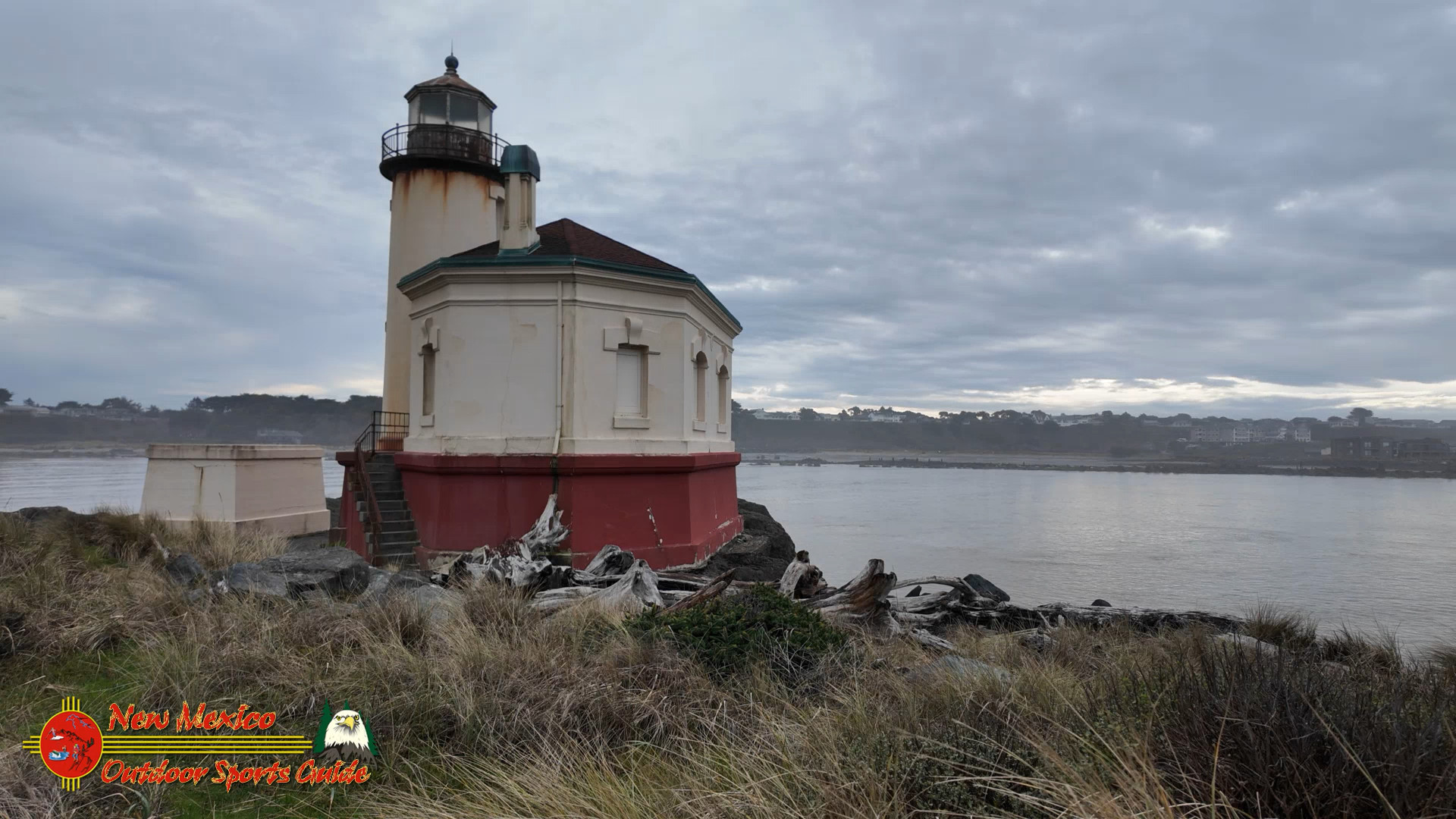
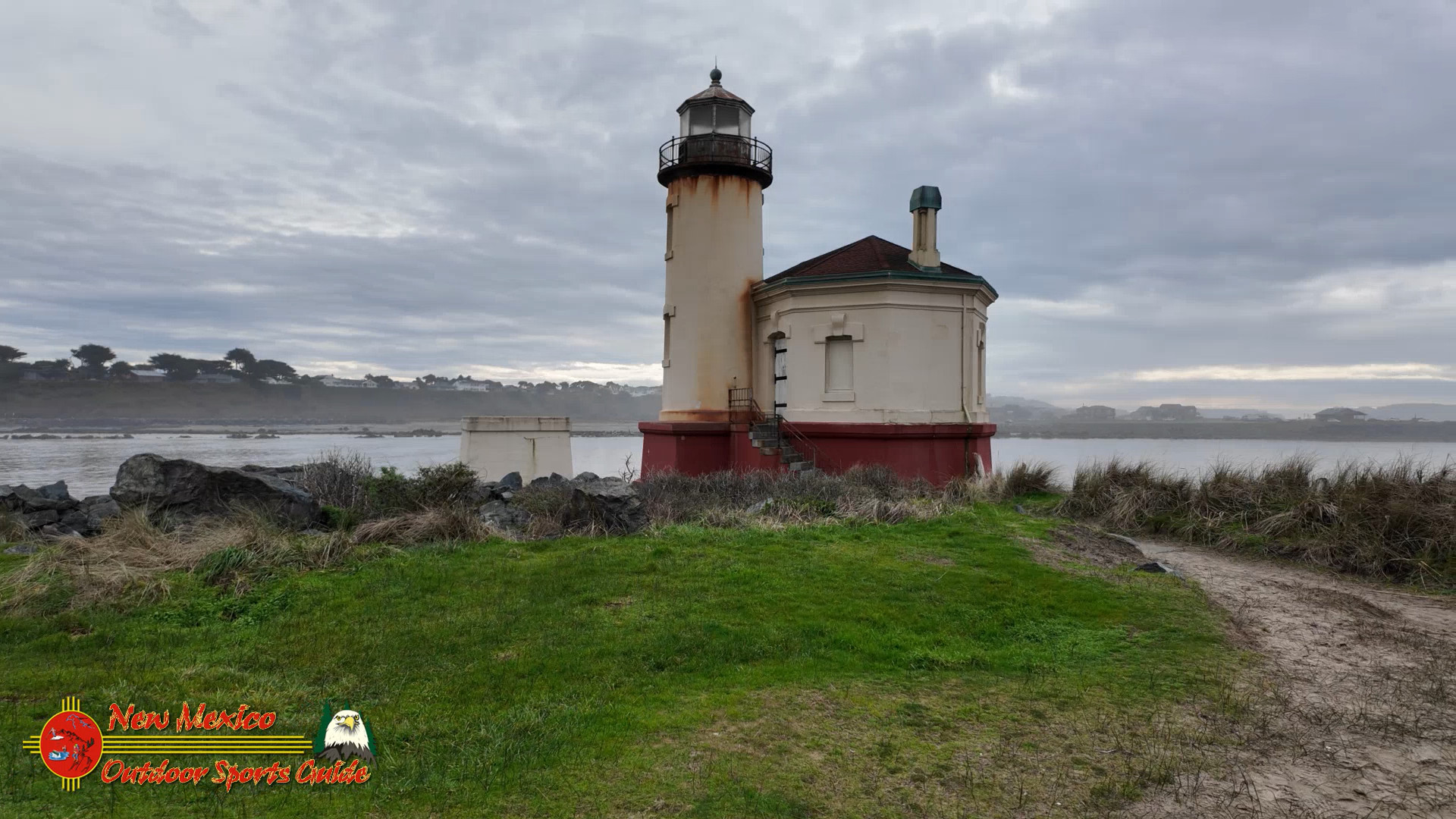
Perched atop a windswept bluff overlooking the rugged coastline of Bandon, Oregon, the Coquille River Lighthouse stands as a beacon of maritime history and architectural charm. With its distinctive red-and-white facade and panoramic views of the Pacific Ocean, this iconic landmark has captured the imagination of visitors for generations. In this blog post, we embark on a journey to uncover the rich history and enduring beauty of the Coquille River Lighthouse, exploring its fascinating past, architectural significance, and the allure it holds for modern-day adventurers.
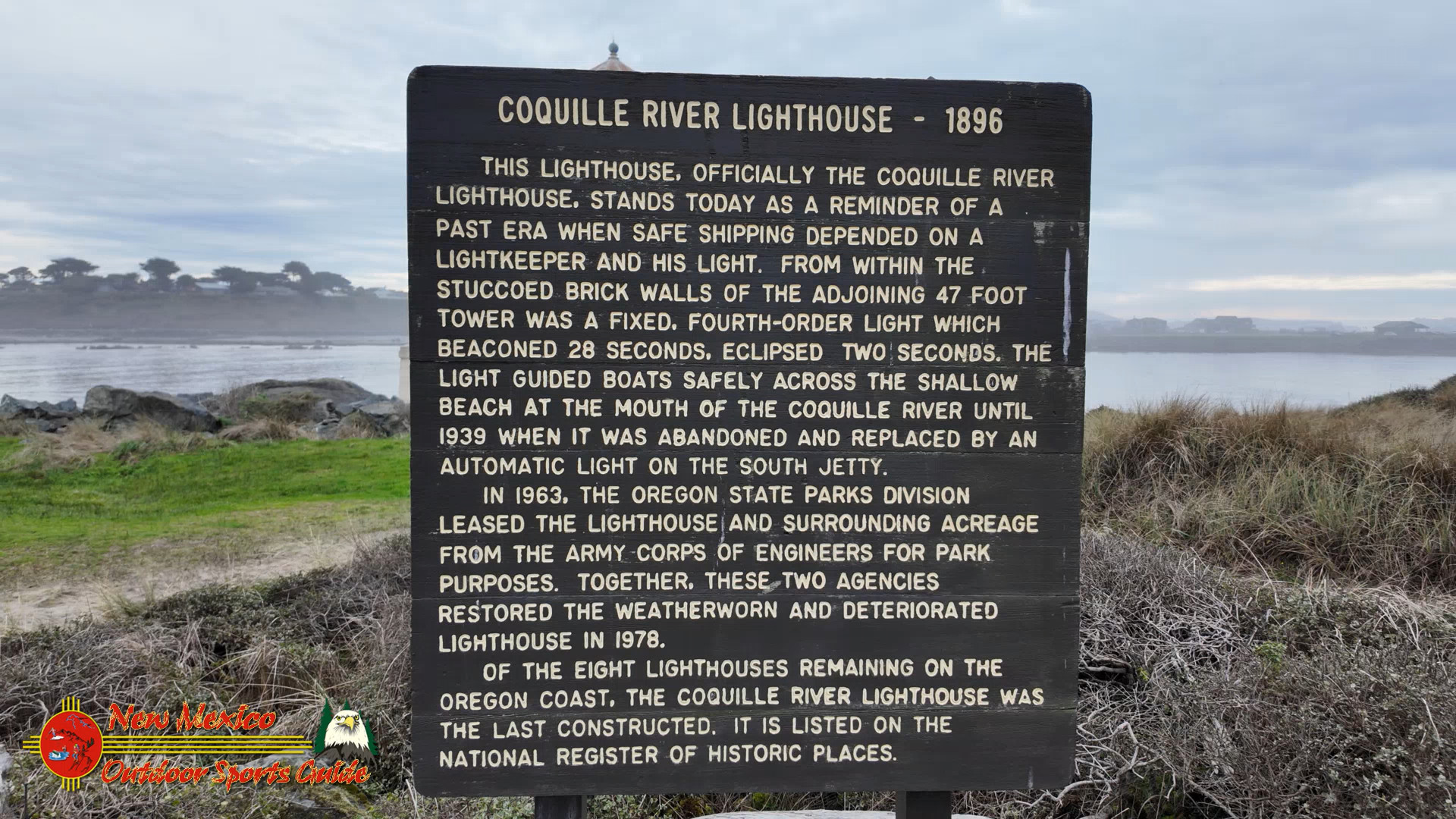
To truly appreciate the significance of the Coquille River Lighthouse, one must first understand its historical context. Built in 1896, the lighthouse served as a vital navigational aid for ships navigating the treacherous waters of the Oregon coast. Its strategic location at the entrance to the Coquille River estuary helped guide vessels safely to port, preventing countless shipwrecks and maritime disasters.
Over the years, the lighthouse witnessed dramatic changes in maritime technology and navigation, from the advent of automated beacon lights to the decline of traditional seafaring routes. Despite these advancements, the Coquille River Lighthouse remained a steadfast symbol of safety and guidance for mariners plying the waters of the Pacific Northwest.
Designed in the classic Cape Cod style, the Coquille River Lighthouse exudes timeless elegance and maritime charm. Its octagonal tower rises 47 feet above the surrounding landscape, topped with a distinctive lantern room housing a powerful Fresnel lens that cast its beam for miles out to sea. The lighthouse's red-and-white striped exterior not only served as a distinctive daytime marker but also ensured its visibility against the backdrop of the rugged coastline.
Inside, the lighthouse's keeper's quarters offer a glimpse into the daily lives of the dedicated men and women who tended to its operation. From winding the clockwork mechanism to polishing the glass prisms of the Fresnel lens, the keeper's duties were essential to ensuring the lighthouse functioned flawlessly in all weather conditions.
Despite its enduring legacy, the Coquille River Lighthouse faced the threat of obsolescence with the advent of modern navigational technology. In 1939, the lighthouse was decommissioned and replaced by an automated beacon located nearby. For decades, the lighthouse stood abandoned and neglected, succumbing to the ravages of time and weather.
However, thanks to the efforts of dedicated preservationists and local historical societies, the Coquille River Lighthouse was saved from destruction and restored to its former glory. Today, the lighthouse stands as a proud testament to Oregon's maritime heritage, welcoming visitors from near and far to explore its historic quarters and learn about its storied past.
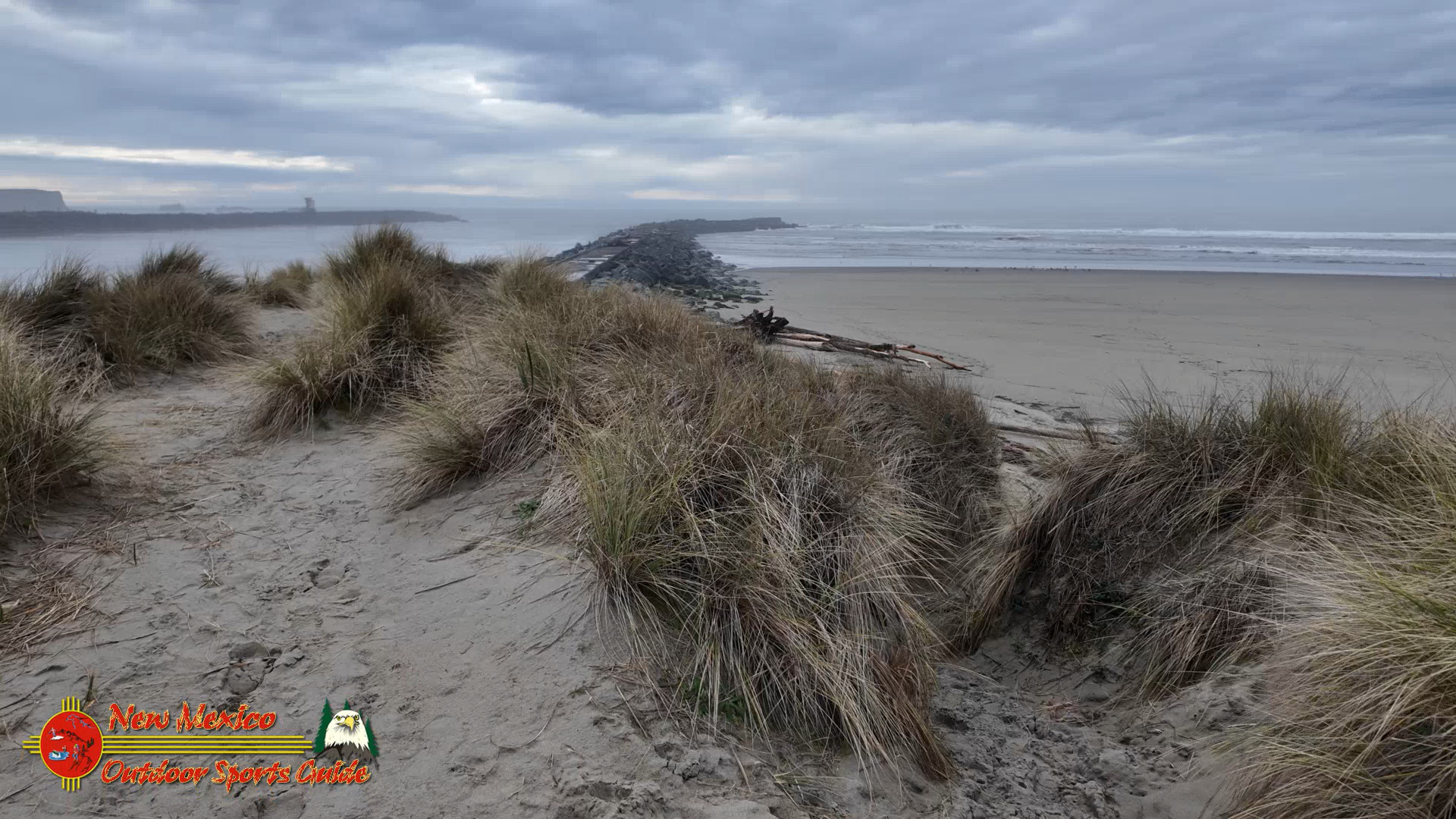
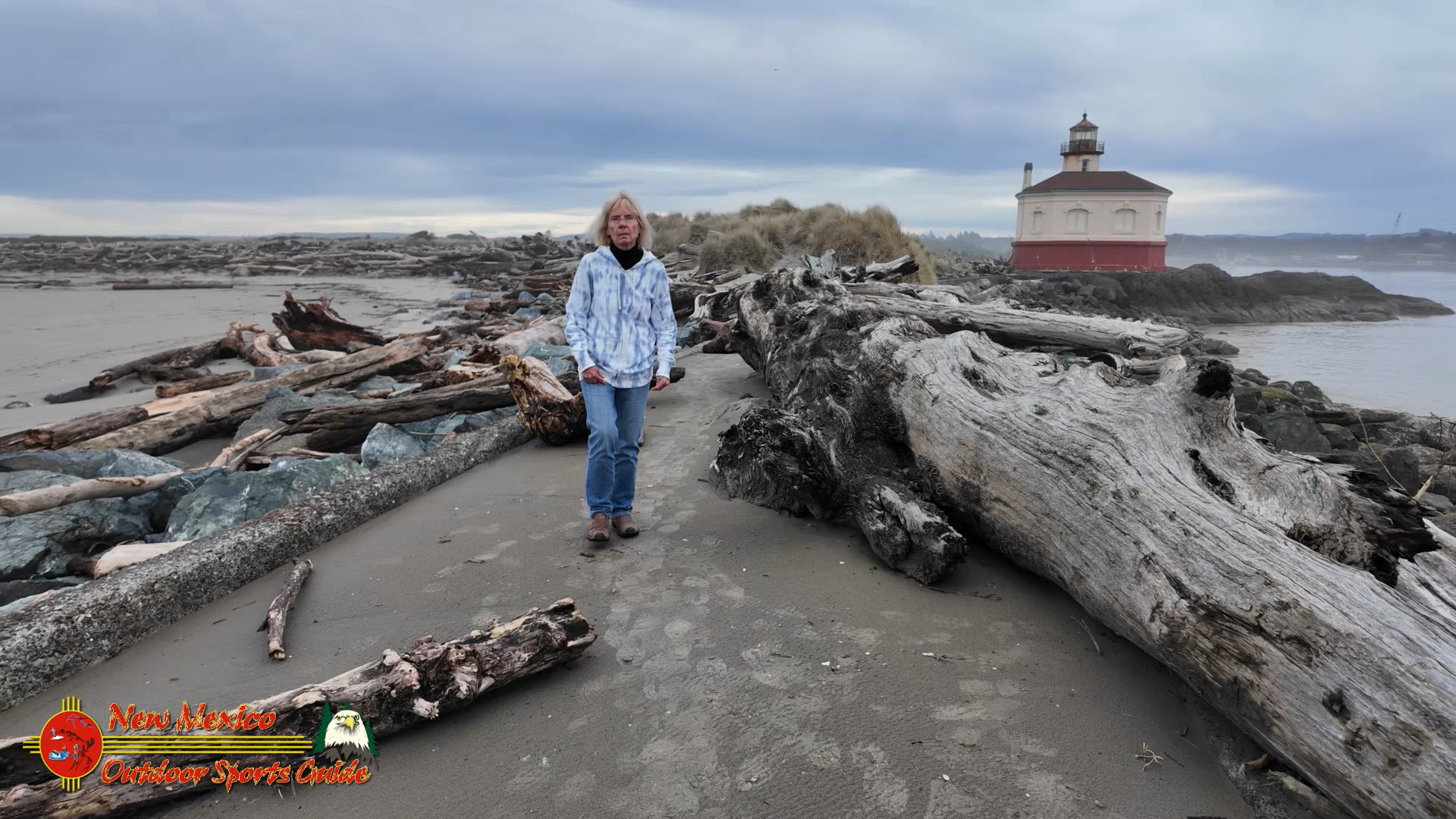
A visit to the Coquille River Lighthouse offers more than just a glimpse into maritime history; it also provides an opportunity to explore the scenic beauty and recreational opportunities of Bandon's coastline. From windswept beaches and rocky coves to towering sea stacks and tidal pools teeming with marine life, the area surrounding the lighthouse beckons outdoor enthusiasts and nature lovers alike.
For those seeking adventure, the nearby Bandon State Natural Area offers a wealth of recreational activities, including hiking, birdwatching, and beachcombing. The adjacent Coquille River estuary provides excellent opportunities for kayaking, paddleboarding, and wildlife viewing, allowing visitors to immerse themselves in the natural splendor of Oregon's coast.
In conclusion, the Coquille River Lighthouse stands as a timeless symbol of maritime history and architectural beauty on the rugged shores of Bandon, Oregon. From its humble beginnings as a vital navigational aid to its current role as a beloved tourist attraction, the lighthouse continues to captivate visitors with its charm and allure. Whether you're drawn to its historic significance, architectural splendor, or the scenic beauty of its surroundings, a visit to the Coquille River Lighthouse is sure to leave a lasting impression on all who journey to its windswept perch overlooking the Pacific Ocean.
Coquille River
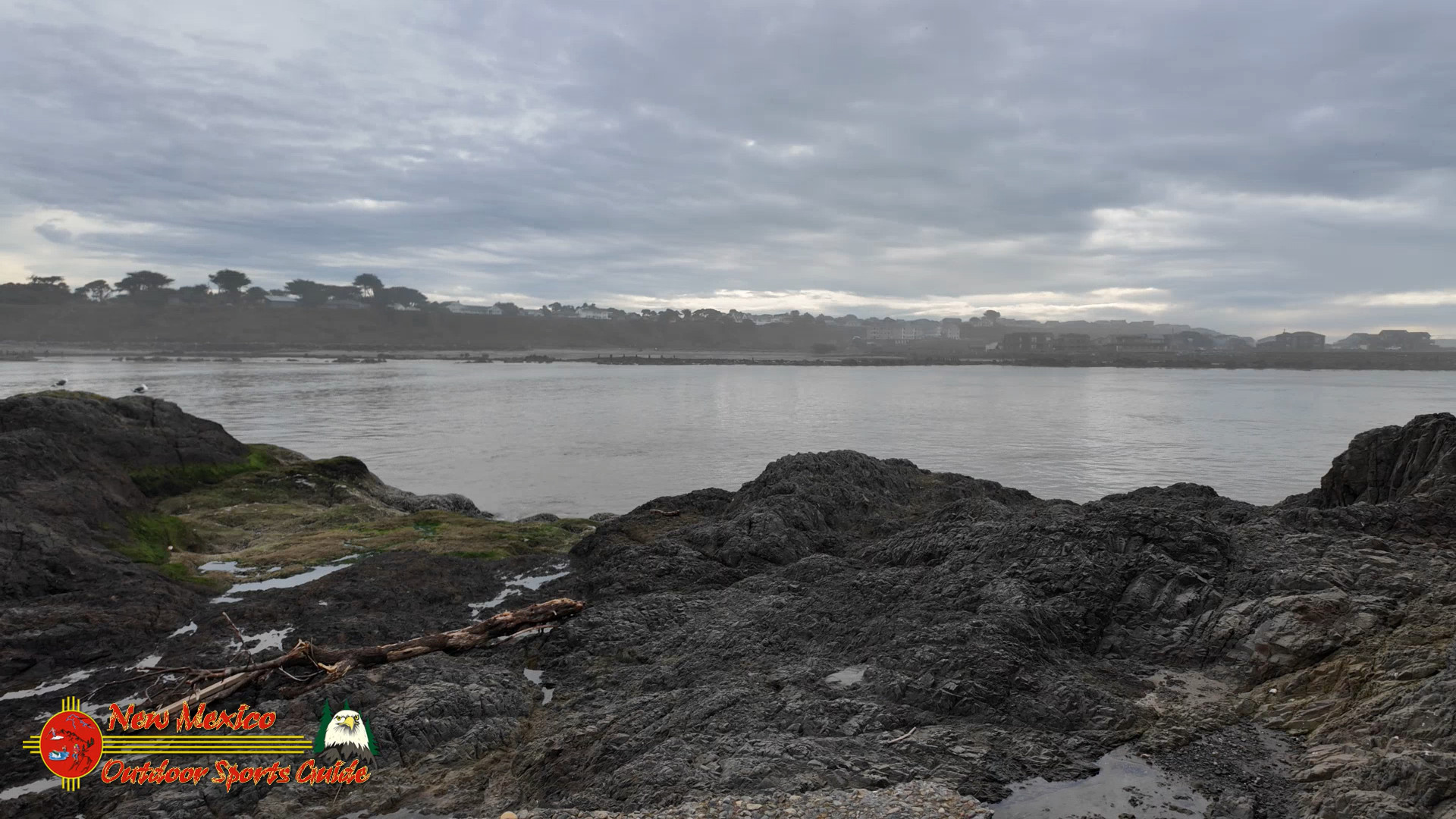
Nestled amidst the rugged beauty of Oregon’s coast lies a hidden treasure waiting to be discovered - the Coquille River. Far from the bustling cities and tourist hotspots, this serene river meanders through verdant landscapes, offering a sanctuary for nature enthusiasts and adventure seekers alike. In this blog post, we embark on a journey to unravel the secrets of Coquille River, exploring its rich history, diverse ecosystem, and the plethora of activities it offers to visitors.
To truly appreciate the allure of Coquille River, one must delve into its storied past. Named after the Coquille Native American tribe that once inhabited its shores, this river has been a vital lifeline for both indigenous peoples and early settlers. Traces of this rich heritage can still be found along the riverbanks, from ancient petroglyphs etched into rocky outcrops to remnants of pioneer settlements hidden amidst the dense forests.
The Coquille River is not just a historical landmark; it is also a thriving ecosystem teeming with biodiversity. As it winds its way from the lush forests of the Coast Range to the expansive estuary where it meets the Pacific Ocean, the river supports a diverse array of flora and fauna. From towering Douglas firs and western red cedars to elusive wildlife such as black bears and bald eagles, every bend of the river offers a glimpse into nature’s splendor.
Birdwatching enthusiasts will be delighted by the abundance of avian life that calls the Coquille River home. The estuarine marshes provide a vital habitat for migratory birds, including herons, egrets, and sandpipers. For those with a keen eye, spotting a rare species such as the marbled murrelet or the snowy plover can be a truly unforgettable experience.
Whether you’re an avid angler, a water sports enthusiast, or simply seeking solace amidst nature, the Coquille River has something to offer for everyone. Fishing enthusiasts flock to its waters year-round in pursuit of prized catches such as salmon, steelhead, and trout. The river’s clear, pristine waters are also ideal for kayaking, canoeing, and paddleboarding, allowing visitors to explore its hidden coves and tranquil backwaters at their own pace.
For those who prefer to keep their feet on solid ground, the surrounding area offers a myriad of hiking trails that wind through old-growth forests, offering breathtaking vistas of the river valley below. The Coquille River Trail, in particular, is a favorite among hikers, offering a scenic route that follows the river’s course from its headwaters to its mouth.
In addition to its natural beauty, the Coquille River region is also home to a wealth of cultural attractions that offer insight into the area’s rich heritage. The Coquille Indian Tribe Museum, located in nearby Coos Bay, showcases artifacts and exhibits that highlight the history and culture of the Coquille people, providing visitors with a deeper understanding of the river’s indigenous roots.
For history buffs, a visit to the historic town of Bandon is a must. Founded in the late 19th century as a bustling port town, Bandon boasts a charming waterfront district lined with quaint shops, galleries, and seafood restaurants. Take a stroll along the boardwalk, visit the iconic Coquille River Lighthouse, or simply soak in the picturesque views of the river as it flows gently into the sea.
As we revel in the natural splendor of Coquille River, it is essential to recognize the importance of conservation efforts in preserving this pristine ecosystem for future generations. Organizations such as the Coquille Watershed Association and the South Slough National Estuarine Research Reserve play a vital role in safeguarding the river’s ecological integrity through habitat restoration, water quality monitoring, and community outreach initiatives.
By supporting these conservation efforts and practicing responsible stewardship, we can ensure that Coquille River remains a beacon of biodiversity and a source of inspiration for generations to come.
In conclusion, the Coquille River stands as a testament to the enduring beauty and resilience of Oregon’s natural landscapes. From its humble origins in the Coast Range to its majestic confluence with the Pacific Ocean, this enigmatic river offers a journey of discovery like no other. Whether you’re casting a line in its crystal-clear waters, paddling through its tranquil estuaries, or simply basking in the serenity of its surroundings, the Coquille River invites you to embark on an unforgettable adventure through the heart of Oregon’s coast.



0 Comments