
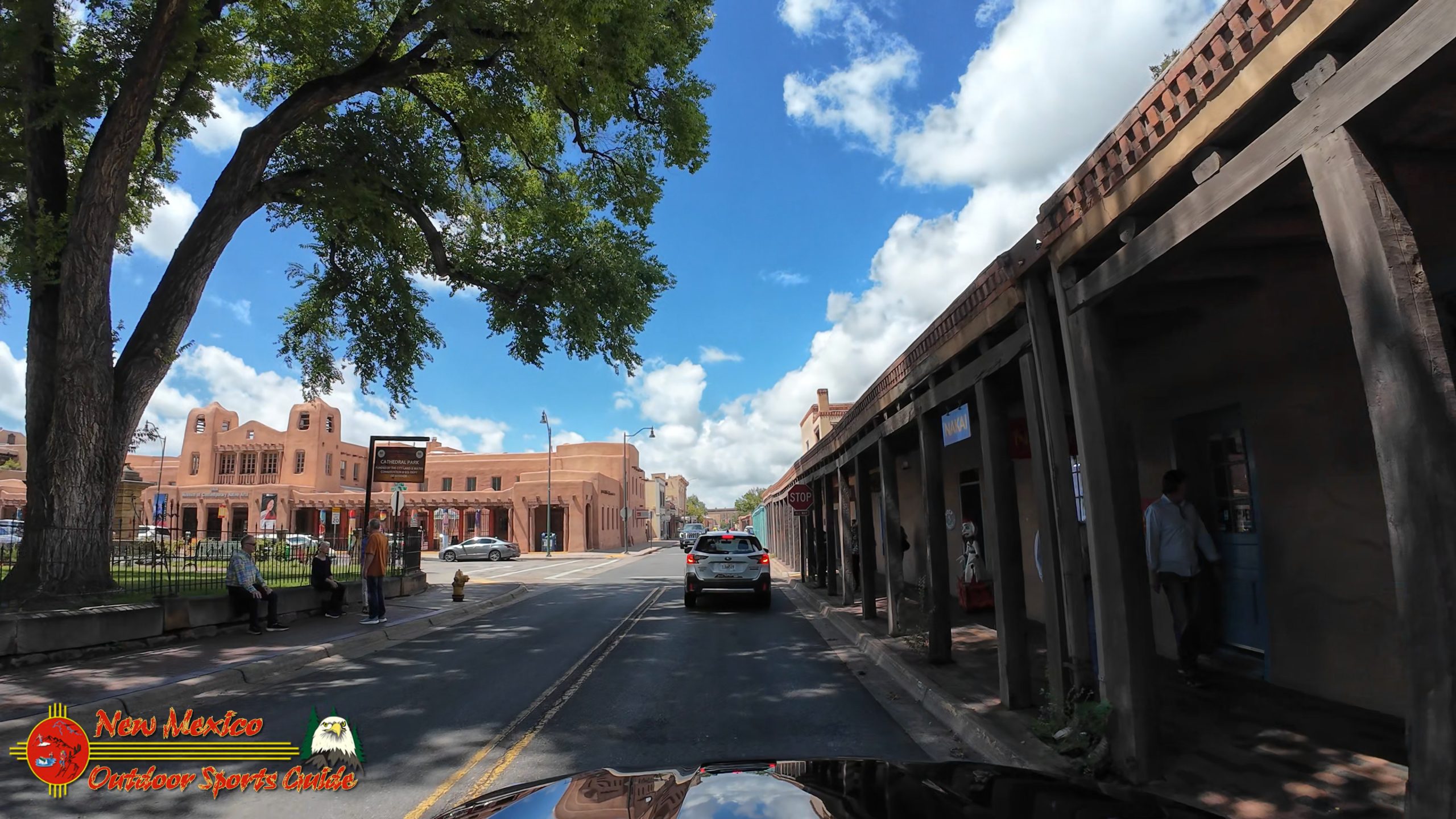
There's something magical about driving down East Palace Avenue in Santa Fe, New Mexico. It's more than just another street cutting through America's oldest state capital—it's a living timeline that whispers stories from centuries past while embracing the present with its distinctive adobe embrace. Every time I navigate this historic thoroughfare, from the cottonwood-lined Santa Fe River toward the heart of downtown, I'm reminded that no other city in America quite captures the soul like Santa Fe, and East Palace Avenue serves as one of its most compelling arteries.
A Street Born from Spanish Dreams
The History of East Palace Avenue Santa Fe, New Mexico begins in the early 1600s when Spanish conquistadors first established their northern outpost in the high desert of what would become New Mexico. Historical records indicate that the first Spanish families may have settled in what would become Santa Fe as early as 1604, and by 1609, they had laid out their settlement according to Spanish colonial law, with a central plaza surrounded by government buildings and residential areas radiating outward.
East Palace Avenue emerged as one of these crucial arteries, connecting the Plaza—the heart of Spanish colonial power—to the outlying areas where settlers built their homes and businesses. This land was first granted to Captain Diego Arias de Quiros, a Spanish army officer, in the very early 1700s, establishing a pattern of land grants that would shape the street's development for centuries to come.
The Spanish colonists brought with them not just their political ambitions, but their architectural traditions, which would blend with indigenous Pueblo building techniques to create something entirely unique. This fusion gave birth to what we now recognize as the distinctive Santa Fe style, characterized by thick adobe walls, flat roofs supported by wooden vigas, and the human-scaled, earth-toned buildings that make East Palace Avenue so visually striking today.
The Architecture That Defines a City
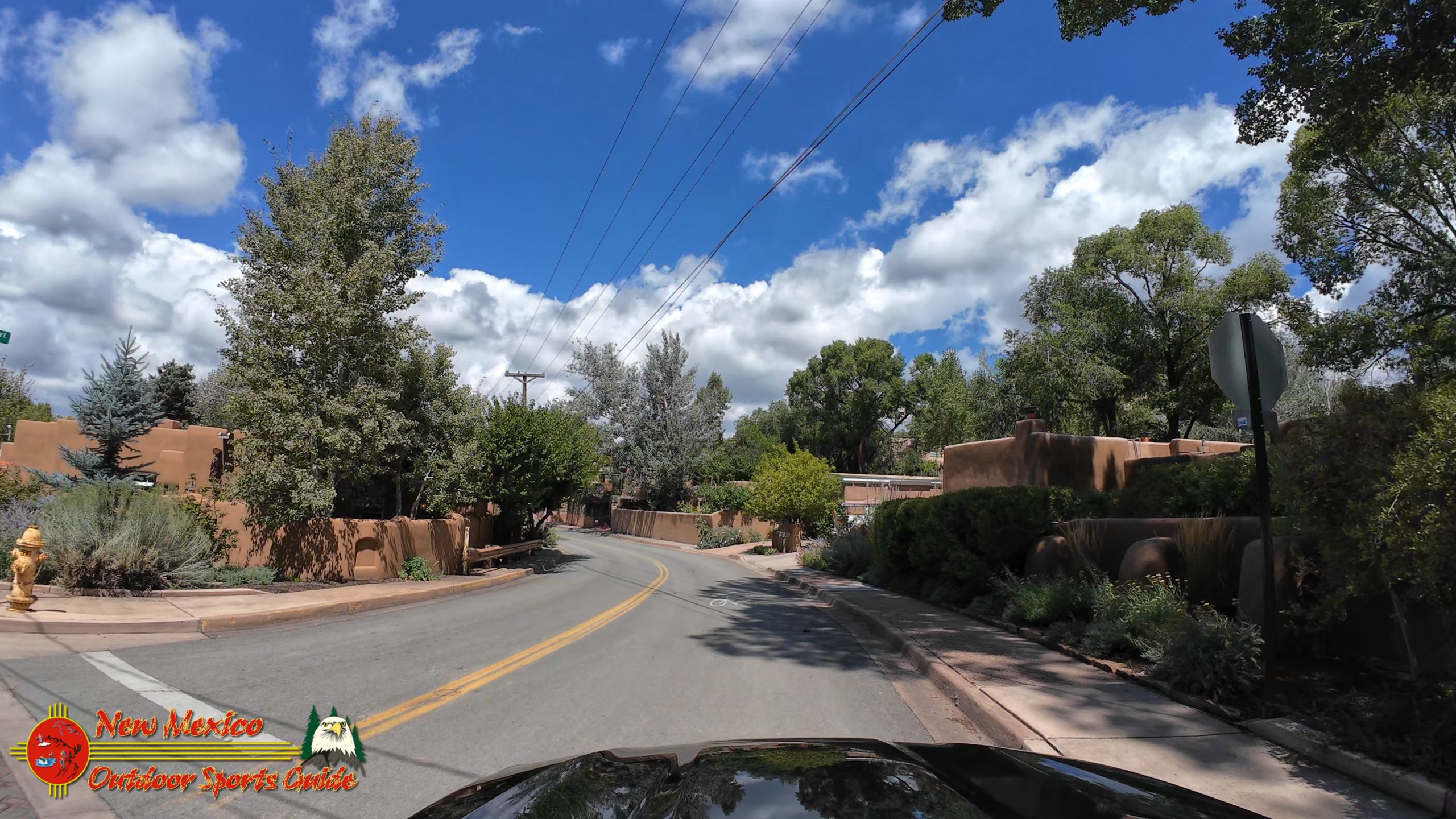
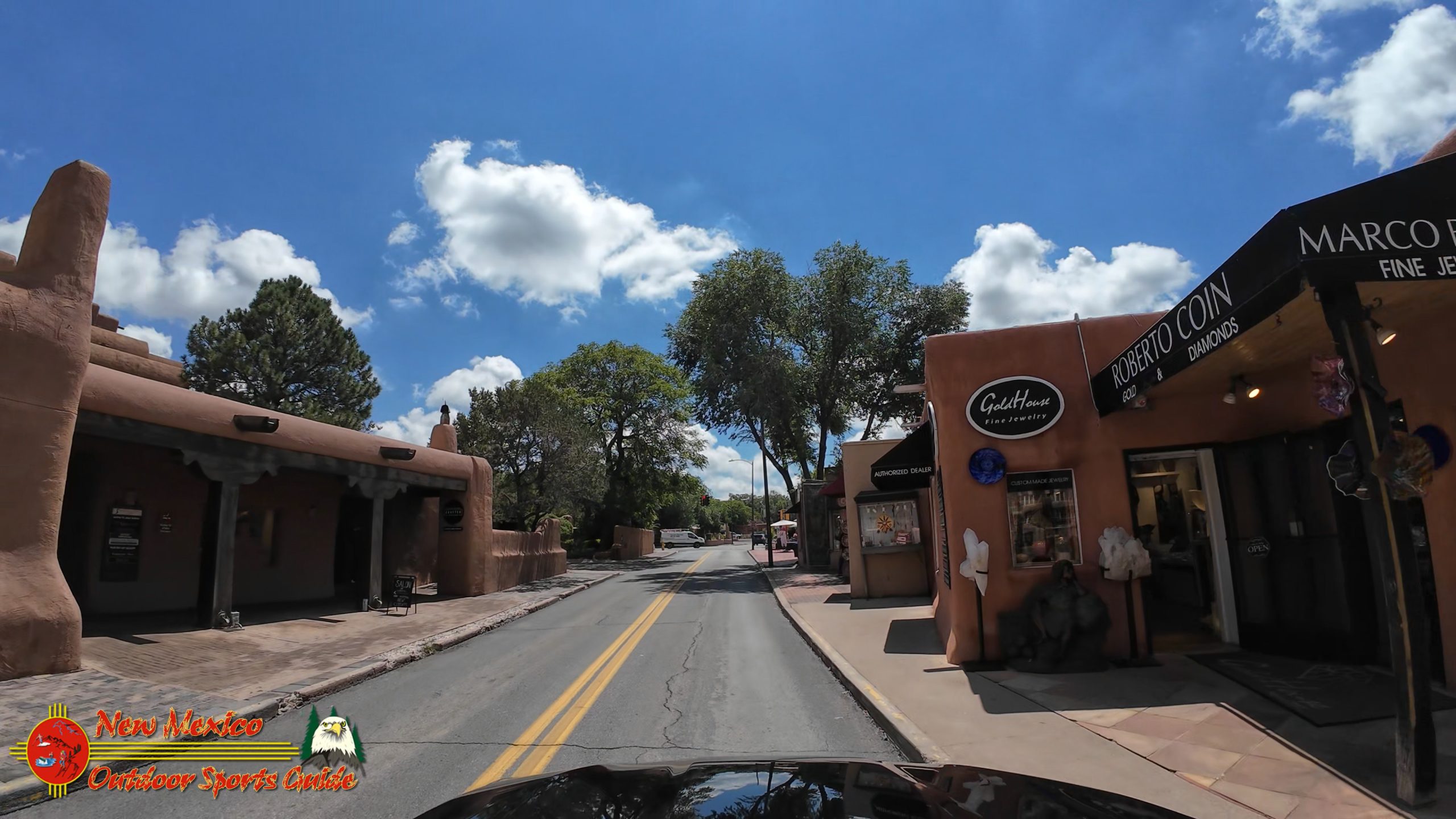
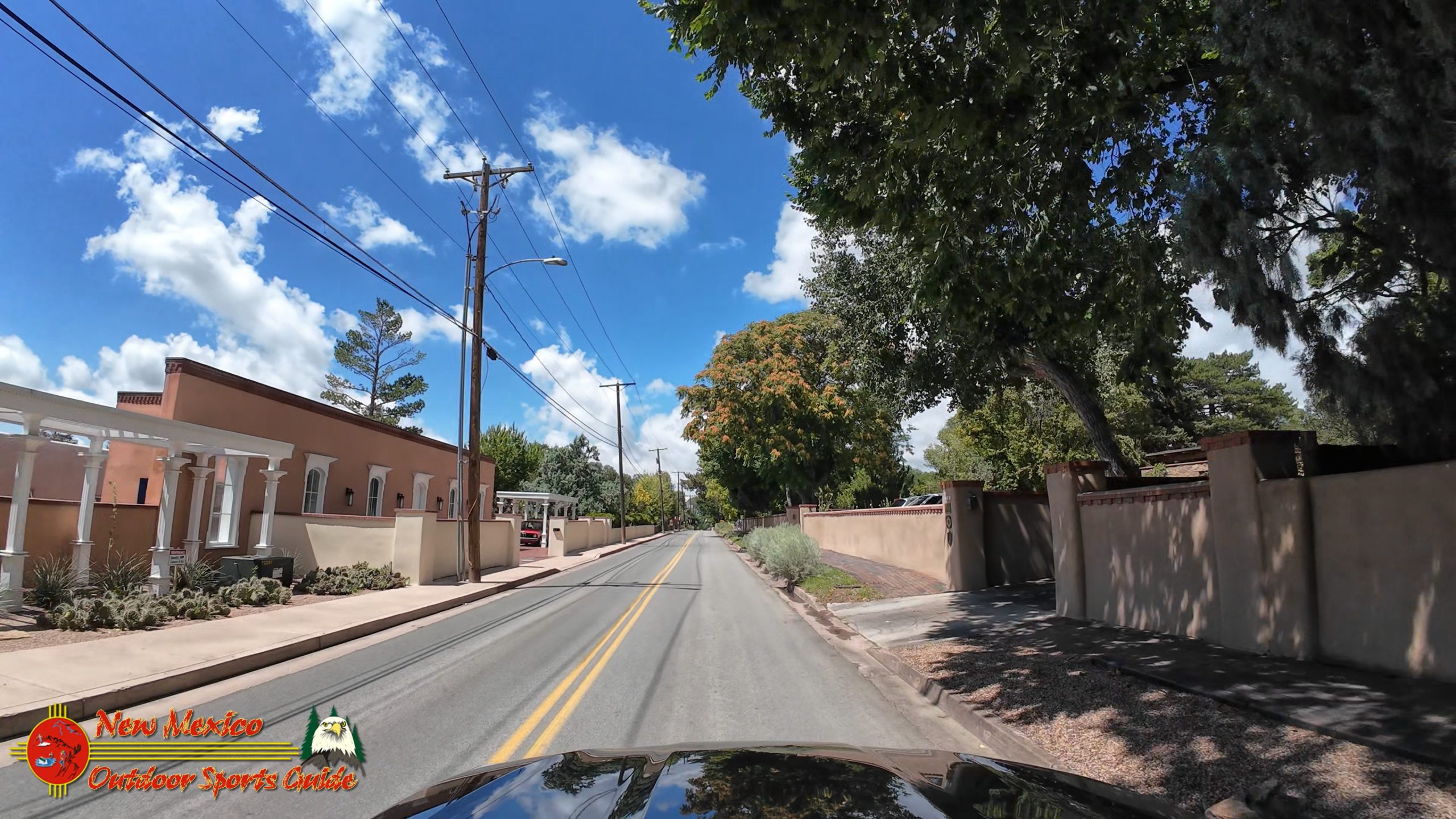
Driving down East Palace Avenue today, you're immediately struck by how different Santa Fe is from any other American city. Instead of white picket fences and manicured lawns, thick adobe walls line both sides of the street, rising like ancient fortifications that guard the mysteries within. These walls aren't just aesthetic choices—they're direct descendants of a building tradition that stretches back over 400 years.
Triggered by efforts in 1912 to boost tourism in Santa Fe, the Pueblo Revival period ushered in a resurgence of Pueblo-Spanish and Territorial architectural styles, with contoured adobe walls, flat roofs, vigas or beams and nichos, or small arches carved into the walls for displaying objects. This revival wasn't accidental—it was a conscious effort to preserve and celebrate the architectural heritage that made Santa Fe unique in an increasingly homogenized America.
The Poetry of Pueblo Elements
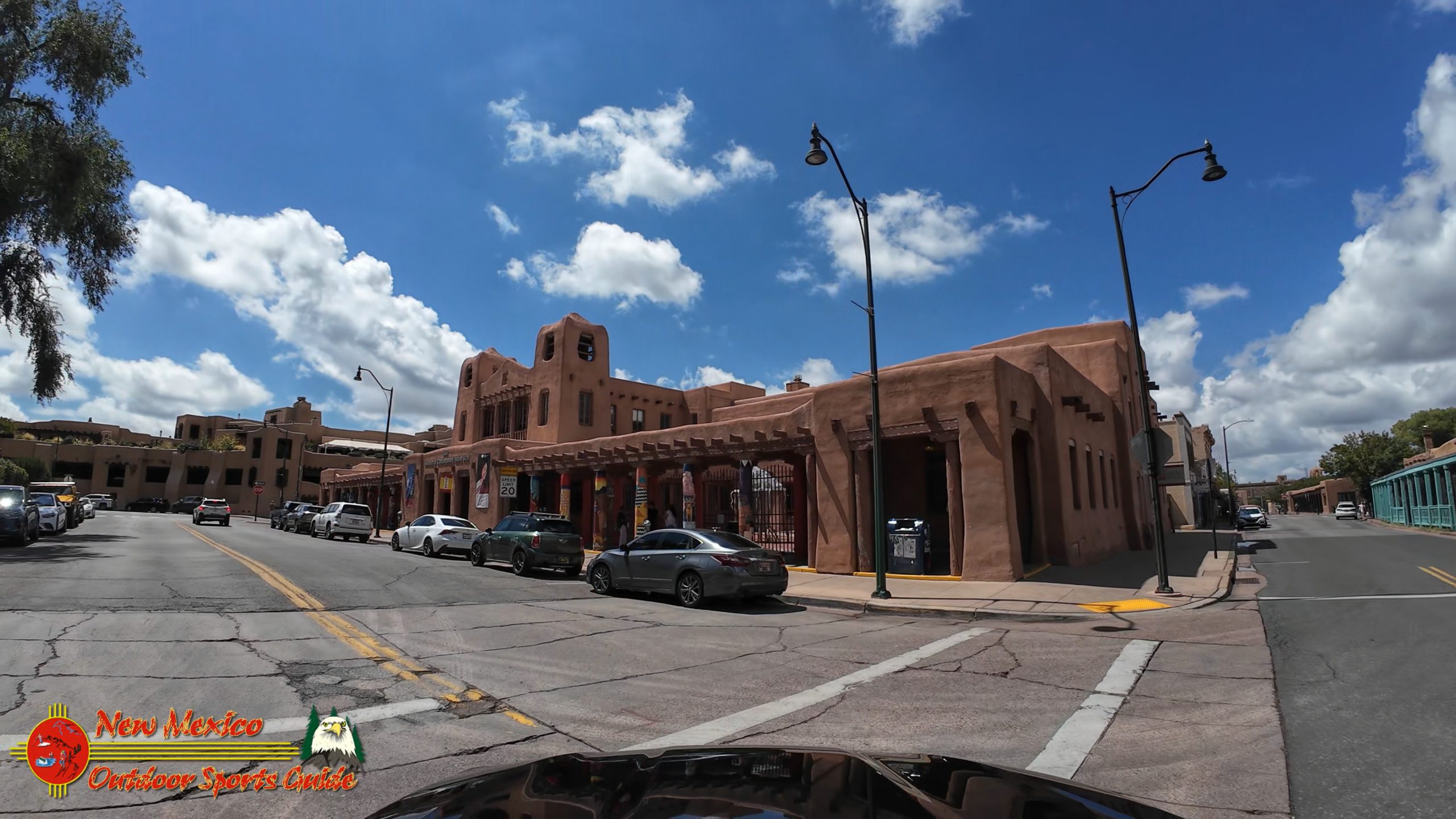
The buildings along East Palace Avenue showcase the full vocabulary of Santa Fe's architectural language. Vigas, those massive wooden beams that extend through and beyond the walls, aren't just structural elements—they're the exclamation points of Pueblo Revival design. Traditionally hewn from ponderosa pines that grow in the nearby Sangre de Cristo Mountains, these beams speak to the harmony between human habitation and the natural world that surrounds Santa Fe.
Today's pueblo homes share much with their ancestors, such as vigas, latillas, nichos, canales and bancos. Nichos, those small arched recesses carved into thick adobe walls, serve as intimate shrines or display areas, adding spiritual and artistic dimensions to otherwise utilitarian structures. They're like little windows into the soul of a building, each one individually crafted and unique.
The portals—covered walkways that wrap around buildings—provide both practical shade from the high desert sun and social spaces where neighbors can gather. Walking beneath these portals along East Palace Avenue, you're participating in a tradition that goes back centuries, when Spanish colonists adapted Pueblo building techniques to create outdoor living spaces that acknowledged the reality of Santa Fe's climate and landscape.
Inside these adobe homes, you'll often find kiva fireplaces, those distinctive rounded corner fireplaces that take their name and inspiration from the circular ceremonial chambers of Pueblo peoples. These fireplaces aren't just heating devices—they're architectural sculptures that anchor rooms and create intimate gathering spaces perfectly suited to Santa Fe's cool mountain evenings.
From Colonial Outpost to Atomic Secrets
Originating in Santa Fe, New Mexico at the turn of the 20th century, the style quickly became a regional architectural expression in the southwest, but East Palace Avenue's most dramatic chapter was yet to be written. The street that had witnessed Spanish colonial expansion, Mexican independence, and American territorial conquest would soon become ground zero for the most momentous scientific undertaking of the 20th century.
In March 1943, a small, unremarkable adobe building at 109 East Palace Avenue was quietly leased by the University of California. The owner, Martha Field, only knew it would be used for the war effort. What she didn't know was that this building would serve as the secret gateway to the Manhattan Project, the top-secret program to develop the atomic bomb.
The unremarkable building served as the first stop for Richard Feynman, Enrico Fermi, Robert Oppenheimer, and innumerable other scientists working on the top-secret Manhattan Project in nearby Los Alamos. Imagine the scene: some of the greatest scientific minds of the century arriving by train in Santa Fe, then making their way down East Palace Avenue to this innocuous adobe office, where they would receive their credentials and transportation to the classified laboratory up in the mountains.
The building operated under this veil of secrecy for two decades, with Dorothy McKibbin serving as the gatekeeper who managed the logistics of getting scientists and supplies to Los Alamos while maintaining complete confidentiality. Santa Fe will forever be linked to those historic dates because the Los Alamos Scientific Laboratory had its offices at 109 East Palace Avenue in Sena Plaza.
The River, the Street, and the Seasons
The historical significance of East Palace Avenue becomes even more poignant when you consider its relationship to the Santa Fe River. This modest waterway, more of a stream really, has been the lifeline of Santa Fe since the Spanish first chose this location for their settlement. The river provided the water necessary for making adobe bricks, irrigating crops, and sustaining life in this high desert environment.
Driving across the Santa Fe River on East Palace Avenue, especially in early fall when the cottonwoods are beginning to show their golden colors, you're crossing more than just water—you're traversing the natural feature that made Santa Fe possible. The Spanish chose this location precisely because of the reliable water source, and the settlement grew outward from the river, with East Palace Avenue serving as one of the main arteries connecting the Plaza to the residential areas.
The seasonal changes along this route tell the story of Santa Fe's relationship with its environment. In spring, the cottonwoods burst with fresh green leaves that create a canopy of shade over the river. Summer brings the deep green of full foliage and the drama of afternoon thunderstorms that can turn the normally placid river into a rushing torrent. Fall brings the golden transformation that signals the approach of winter, while winter itself reveals the stark beauty of the landscape and the essential role that warm, thick-walled adobe homes play in making life comfortable at 7,200 feet above sea level.
Downtown Monuments and Living History
Continuing down East Palace Avenue toward downtown, you encounter some of Santa Fe's most significant architectural and cultural landmarks. The Museum of Contemporary Native Arts represents the ongoing vitality of indigenous artistic traditions, while The Cathedral Basilica of St. Francis of Assisi speaks to the enduring influence of Catholic colonial heritage. The Plaza was founded by the Spanish in 1609 as a strategic location for defense, and it remains the heart of Santa Fe more than 400 years later.
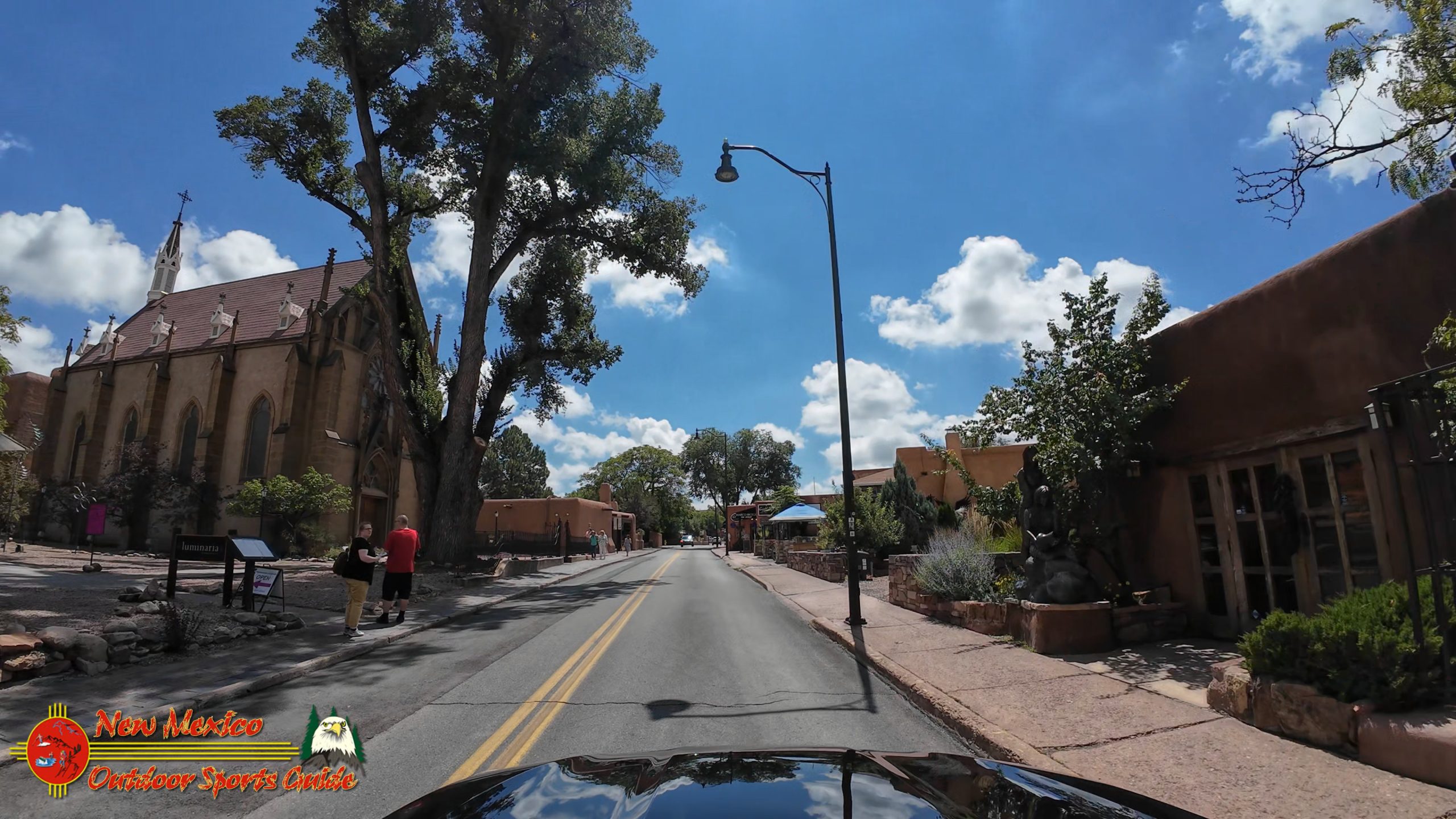
The Loretto Chapel, with its mysterious "miraculous" spiral staircase, embodies the blend of faith, craftsmanship, and mystery that permeates Santa Fe's character. These aren't just tourist attractions—they're living monuments to the complex layering of cultures and histories that have shaped this unique place.
Walking the Plaza after driving down East Palace Avenue, you're standing where Spanish governors once held court, where American territorial officials proclaimed the annexation of New Mexico, where merchants from Missouri completed their arduous journeys along the Santa Fe Trail, and where contemporary artists and craftspeople continue traditions that stretch back centuries.
The Adobe Walls Tell Stories
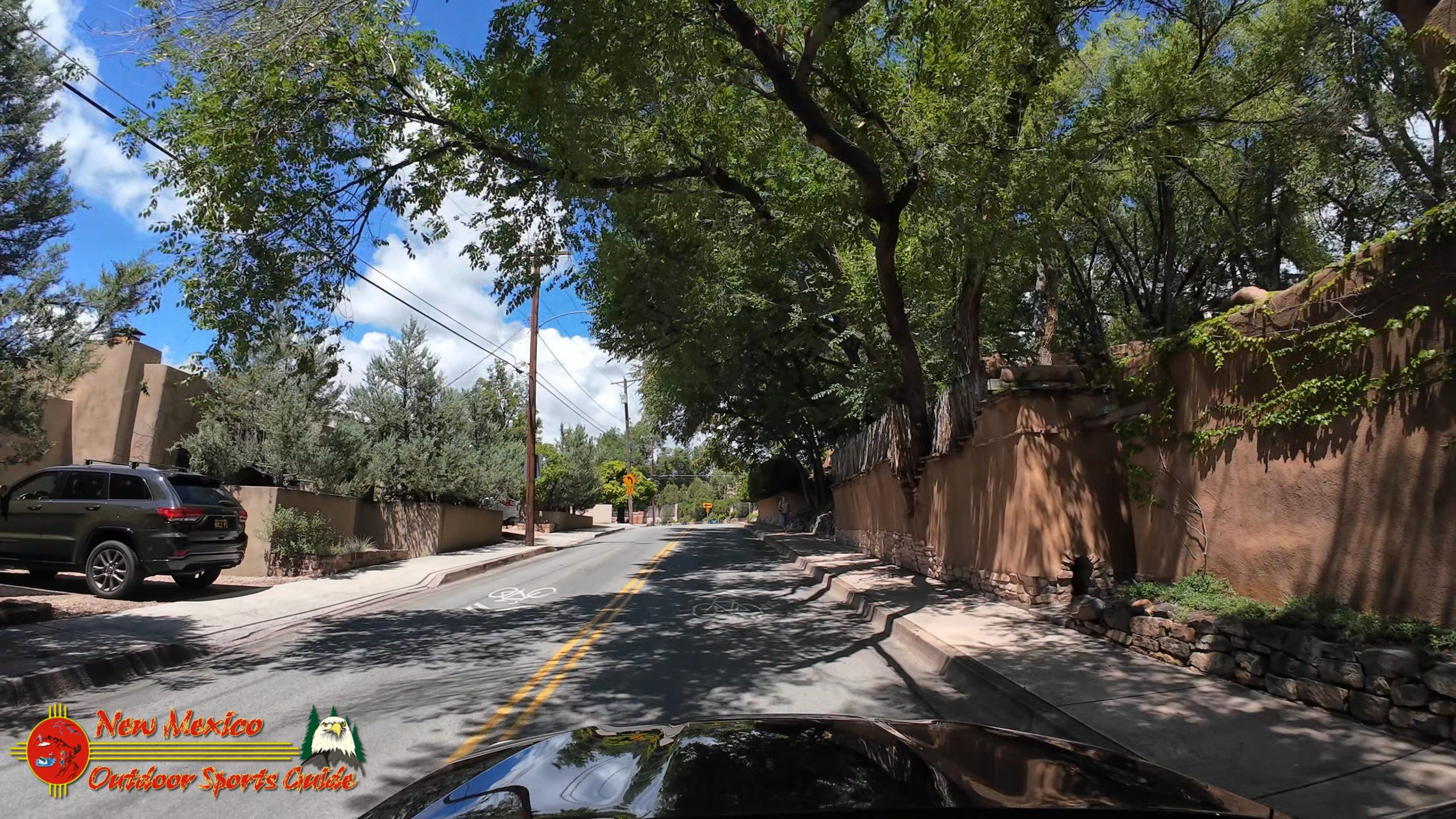
The thick adobe walls that line East Palace Avenue aren't just architectural features—they're repositories of history and culture. Adobe, made from local clay, sand, straw, and water, represents one of humanity's oldest building materials, perfected over millennia by indigenous peoples and adapted by Spanish colonists to create structures uniquely suited to Santa Fe's high desert environment.
These walls, some several feet thick, provide natural insulation that keeps homes cool in summer and warm in winter. They absorb heat during the day and release it slowly at night, creating comfortable living environments without modern heating and cooling systems. The slightly irregular surfaces and rounded corners that characterize hand-built adobe construction give Santa Fe's buildings their distinctive organic appearance, as if they grew from the earth itself rather than being imposed upon it.
Its main adobe walls reach 35 feet high and seven feet thick at the base, demonstrating the impressive scale that adobe construction can achieve. The maintenance of these walls requires ongoing attention—they must be regularly replastered to protect them from weather—but this need for care creates an ongoing relationship between inhabitants and their built environment that connects contemporary Santa Feans to centuries of previous residents.
A Street That Embodies Santa Fe's Soul
The History of East Palace Avenue Santa Fe, New Mexico is really the story of how different cultures, time periods, and architectural traditions can blend to create something greater than the sum of their parts. From Spanish colonial land grants to atomic secrets, from traditional Pueblo building techniques to contemporary artistic expression, this single street encapsulates the complex, layered character that makes Santa Fe unlike anywhere else in America.
In Santa Fe, where it was popularized in the 1920s and 1930s by a group of artists and architects seeking to establish a unique regional identity, the Pueblo Revival style became more than just an architectural movement—it became a declaration of cultural independence, a statement that this place would celebrate its unique heritage rather than succumb to generic American development patterns.
Today, as you drive down East Palace Avenue from the cottonwood-shaded Santa Fe River toward the historic Plaza, you're not just traveling a few city blocks—you're journeying through time itself. The thick adobe walls, the protruding vigas, the intimate nichos, and the shaded portals all tell stories of adaptation, survival, creativity, and the ongoing human effort to create beautiful, functional spaces that honor both history and the natural environment.
The street serves as a daily reminder that architecture can be poetry, that buildings can embody values, and that a community's commitment to preserving and celebrating its distinctive character can create something truly remarkable. In a nation often characterized by architectural homogeneity, East Palace Avenue stands as proof that it's possible to honor the past while embracing the present, to maintain regional distinctiveness while participating in contemporary life.
Whether you're a longtime resident like myself, returning from lunch at the Santa Fe Teahouse and noticing the first hints of autumn gold in the cottonwoods, or a first-time visitor struck by the otherworldly beauty of Santa Fe's adobe architecture, East Palace Avenue offers a direct connection to the forces—geographical, cultural, historical, and artistic—that have shaped this remarkable place we call the City Different.
The History of East Palace Avenue Santa Fe, New Mexico continues to be written every day, as contemporary residents and visitors add their own chapters to this ongoing story of how human creativity and respect for place can create something truly extraordinary. In a world of increasing uniformity, this single street stands as testament to the power of distinctive regional character and the importance of preserving the architectural traditions that make places unique and meaningful.


0 Comments