
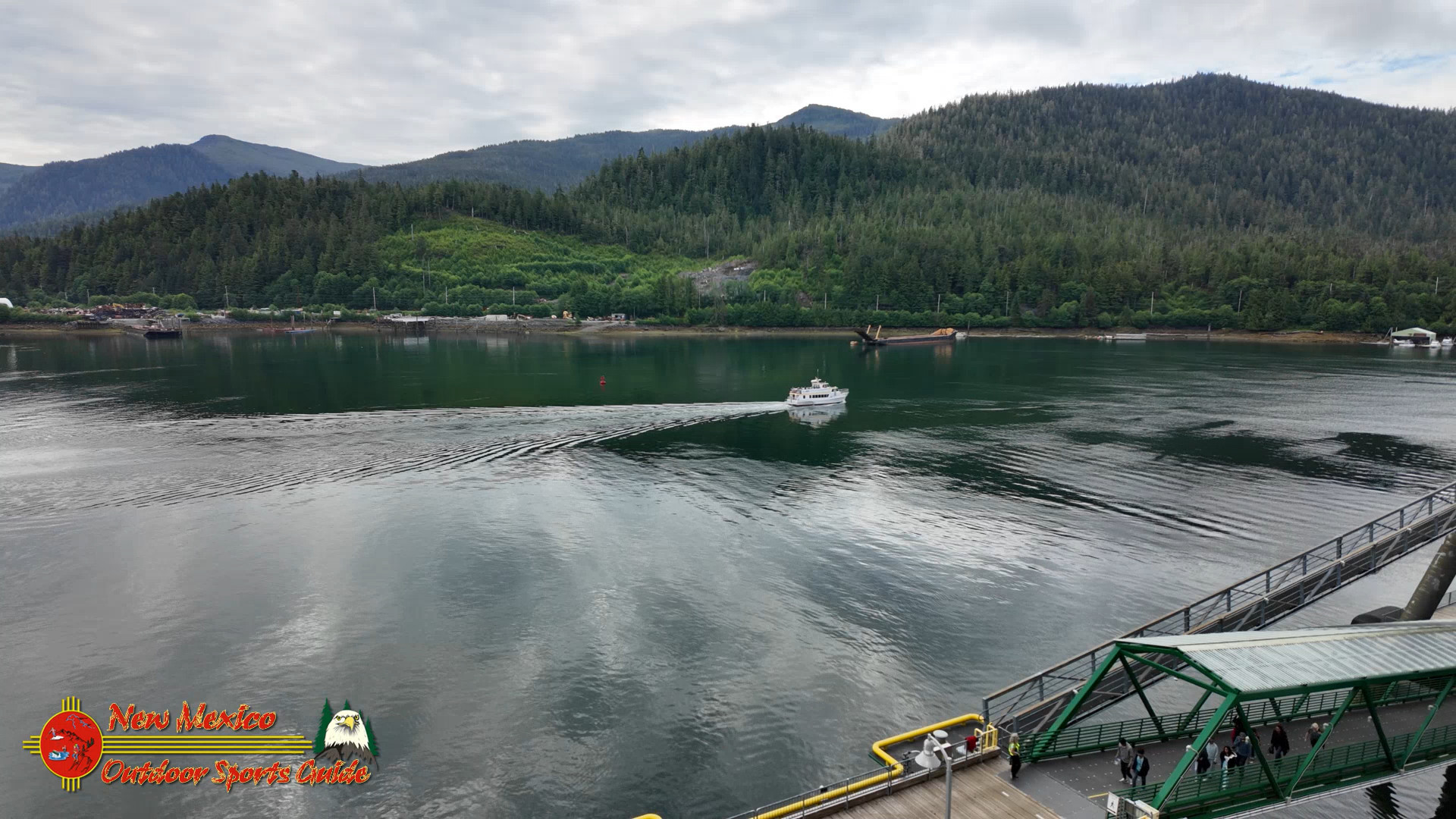
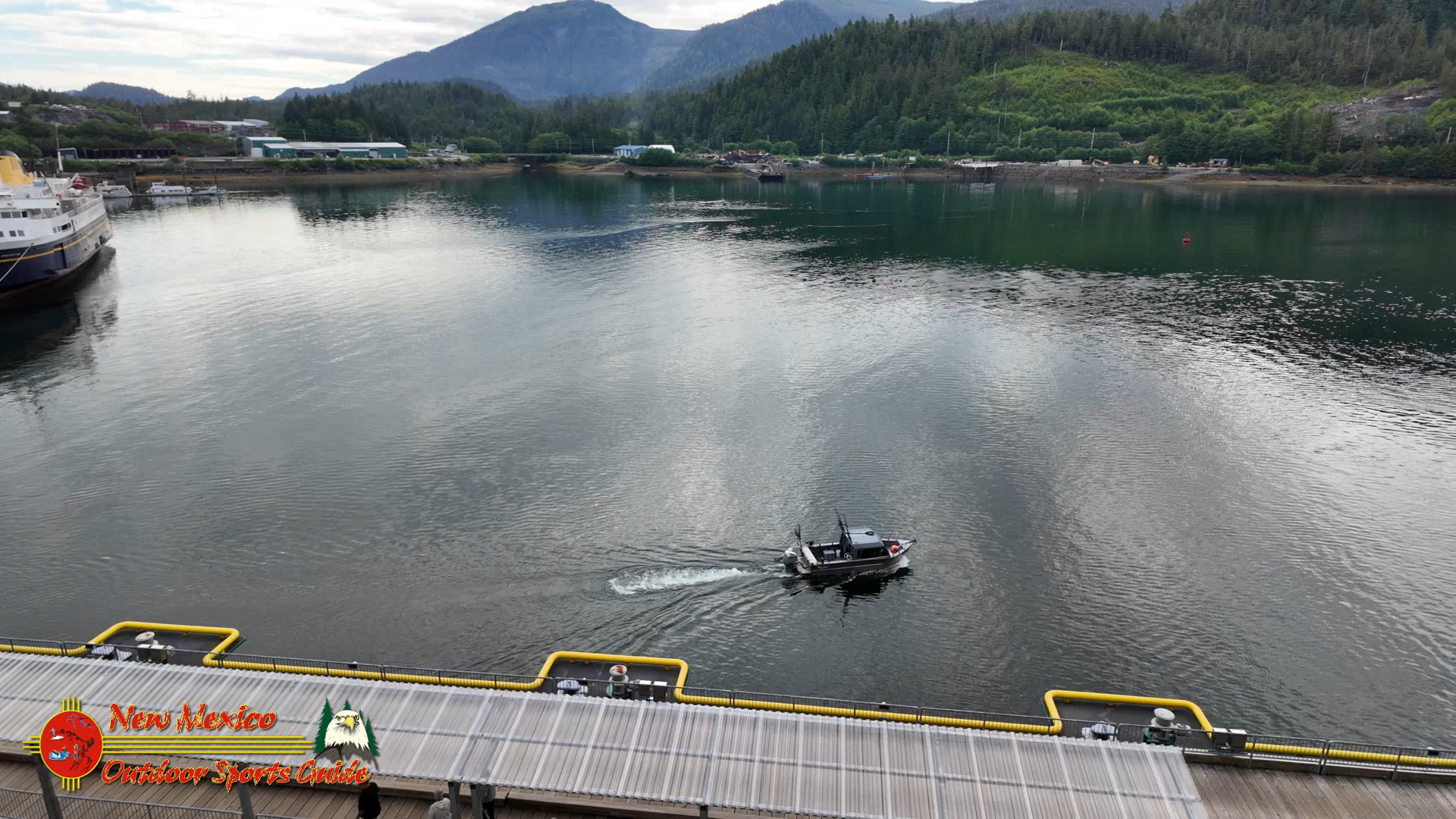
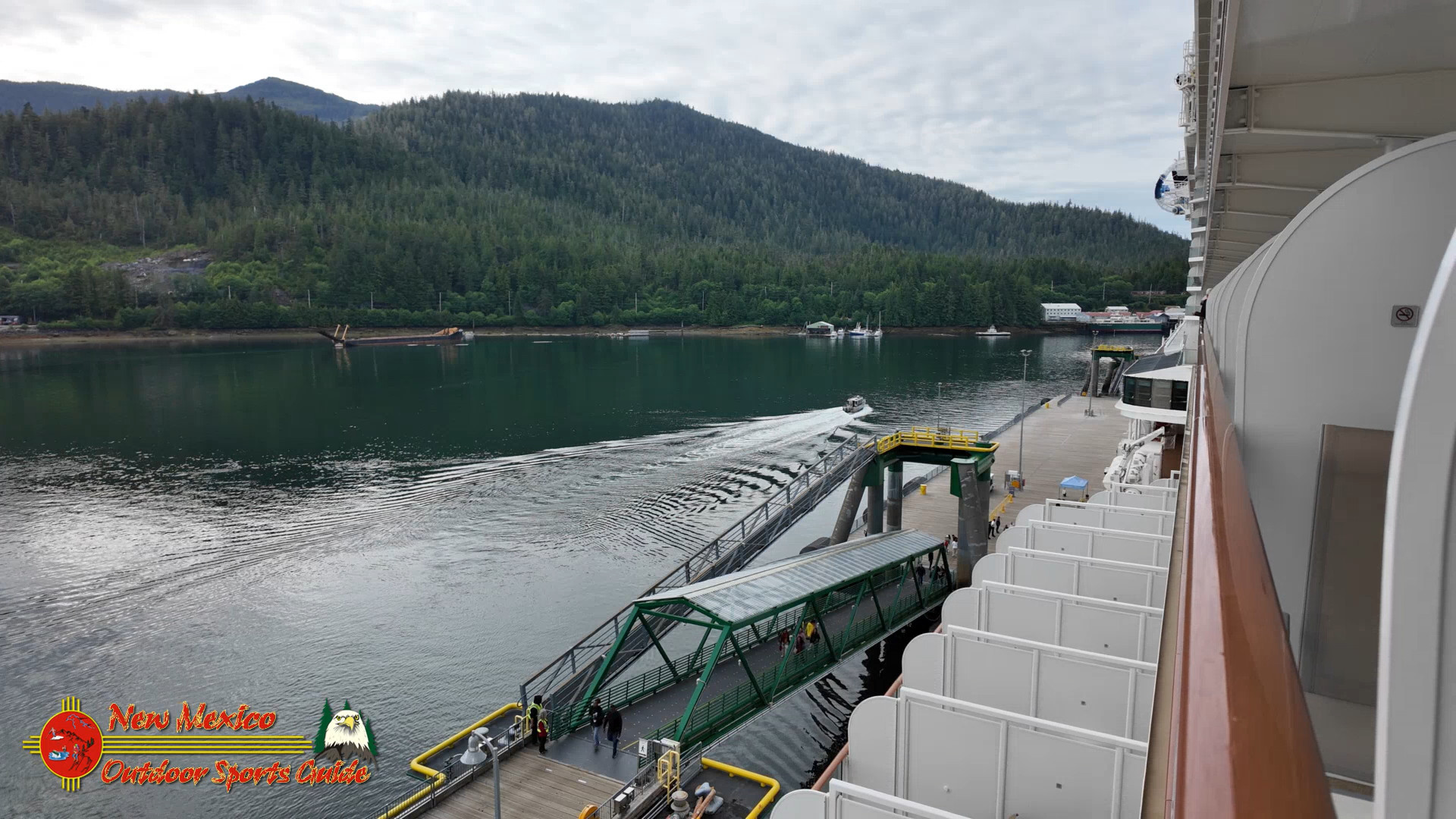
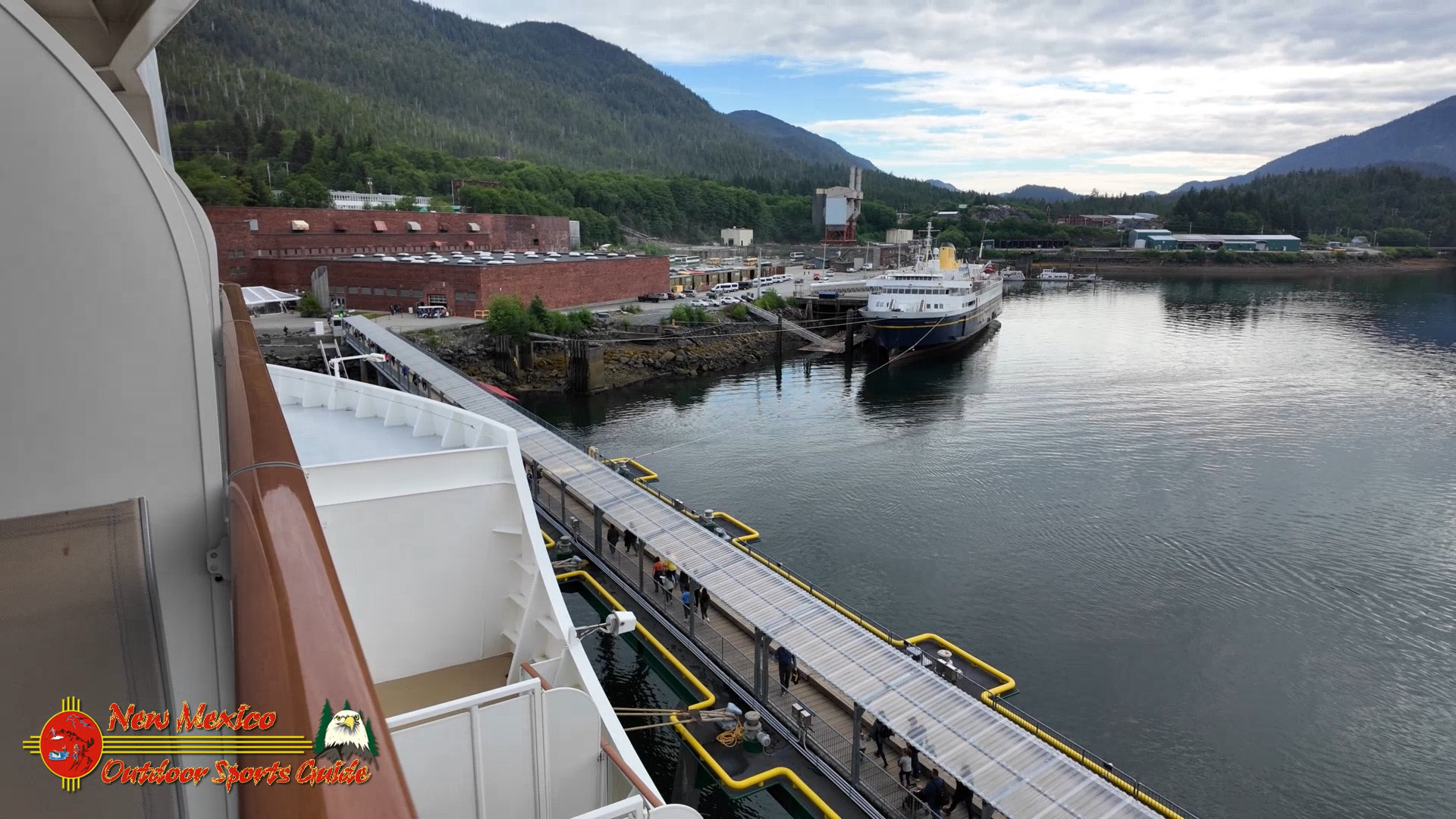
The sun was just beginning to rise when I woke up on Day 6 of our Alaska cruise aboard the Norwegian Encore. I quietly stepped out onto our balcony, trying not to wake Paulette, and was greeted by the first clear skies we'd seen in nearly a week. Ketchikan, "The Salmon Capital of the World," lay before us, bathed in the soft, golden light of early morning. We arrived at the port at 7:00 am, and from our vantage point on the balcony, I could see the flurry of activity as passengers began disembarking for their various shore excursions. It was partly sunny, a welcome change from the five consecutive days of clouds and drizzle. Glimpses of blue sky peeked through the breaking clouds, and I couldn't help but feel a sense of renewed energy for the day ahead.
We had time for a leisurely breakfast in the ship's Taste dining room, where we enjoyed fresh pastries, fruit, and a hot cup of coffee to start the day. The dining room was abuzz with excitement as everyone discussed their plans for Ketchikan. For Paulette and me, today was all about the Tongass Rain Forest Tour, an eco-exploration that promised a blend of natural beauty, cultural history, and wildlife sightings.
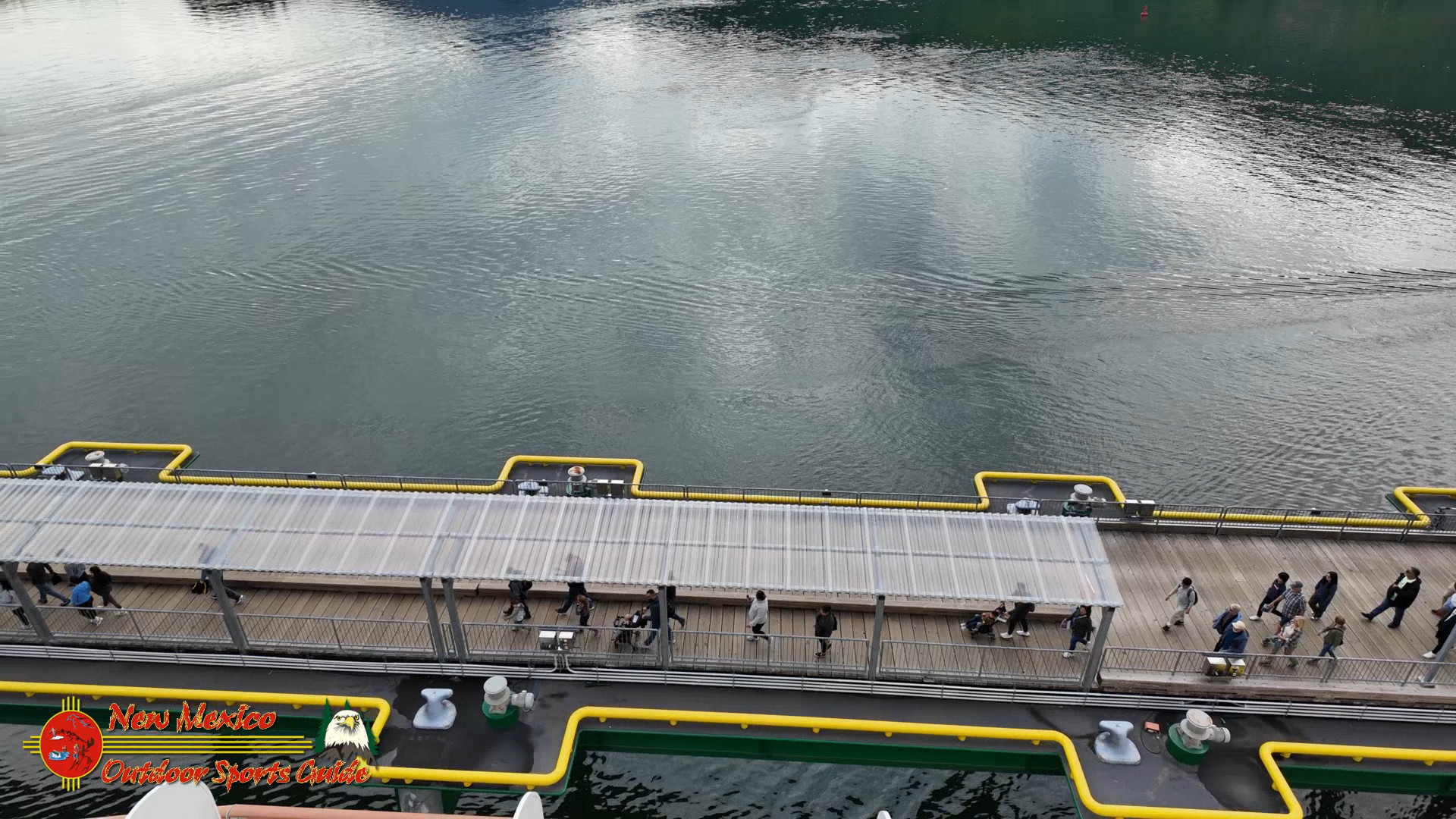
After breakfast, we made our way to the meeting point for our tour. The fresh scent of the ocean mingled with the crisp morning air as we walked along the pier. The excitement was palpable among the small group of fellow travelers joining us, all eager to explore the pristine wilderness of Alaska’s largest national forest.
Setting Off on the Tongass Rain Forest Tour
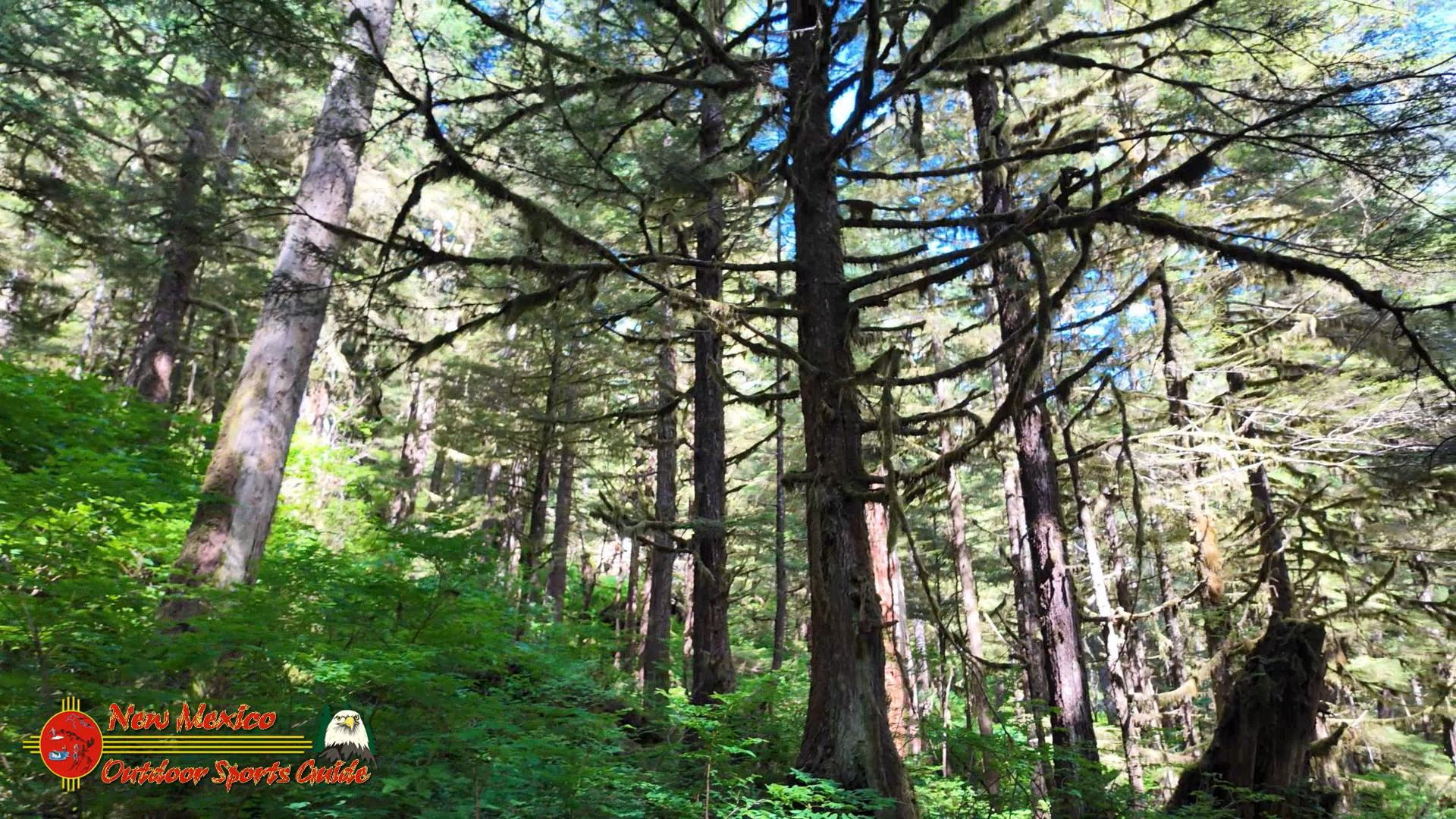
Our adventure began with a short bus ride to Herring Cove, a secluded area nestled in the forested mountains outside of Ketchikan. Our guide, a knowledgeable naturalist named Alan, introduced herself and gave us an overview of what to expect during the tour. He explained that the Tongass National Forest is the largest temperate rainforest in the world, covering around 17 million acres. It’s a place where ancient hemlock, spruce, and cedar trees tower above you, creating a lush canopy that filters the sunlight into dappled patches on the forest floor.
As we stepped off the bus, I was immediately struck by the beauty and tranquility of the setting. The air was cool and fragrant with the scent of pine and damp earth. The towering trees seemed to embrace us, their branches swaying gently in the breeze. Herring Cove felt like a hidden gem, far from the bustle of the city, where nature reigned supreme. Alan led us to the start of an improved trail that would take us deep into the heart of this dense forest.
The Rainforest Hike: A Journey Through Nature’s Cathedral
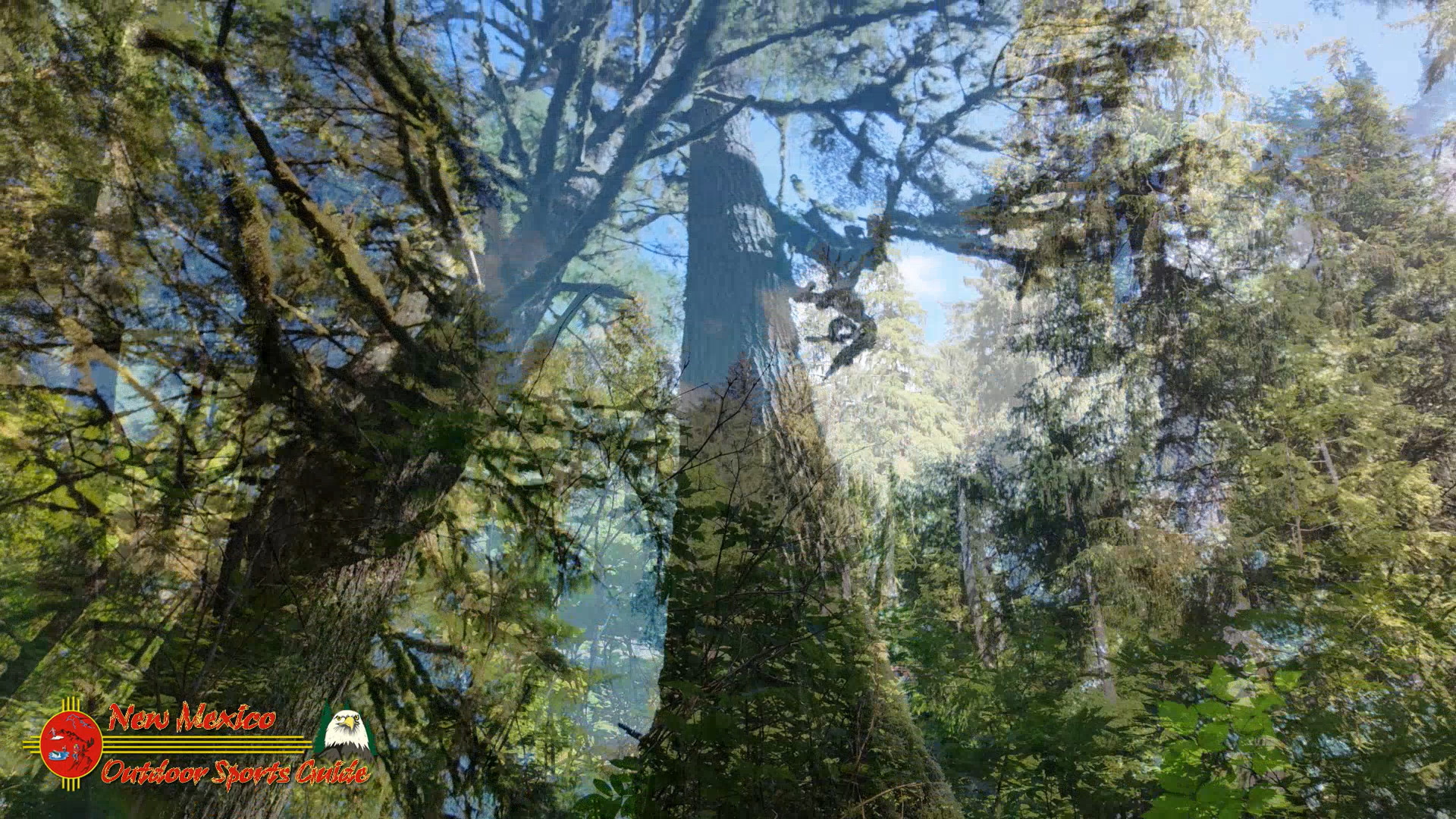
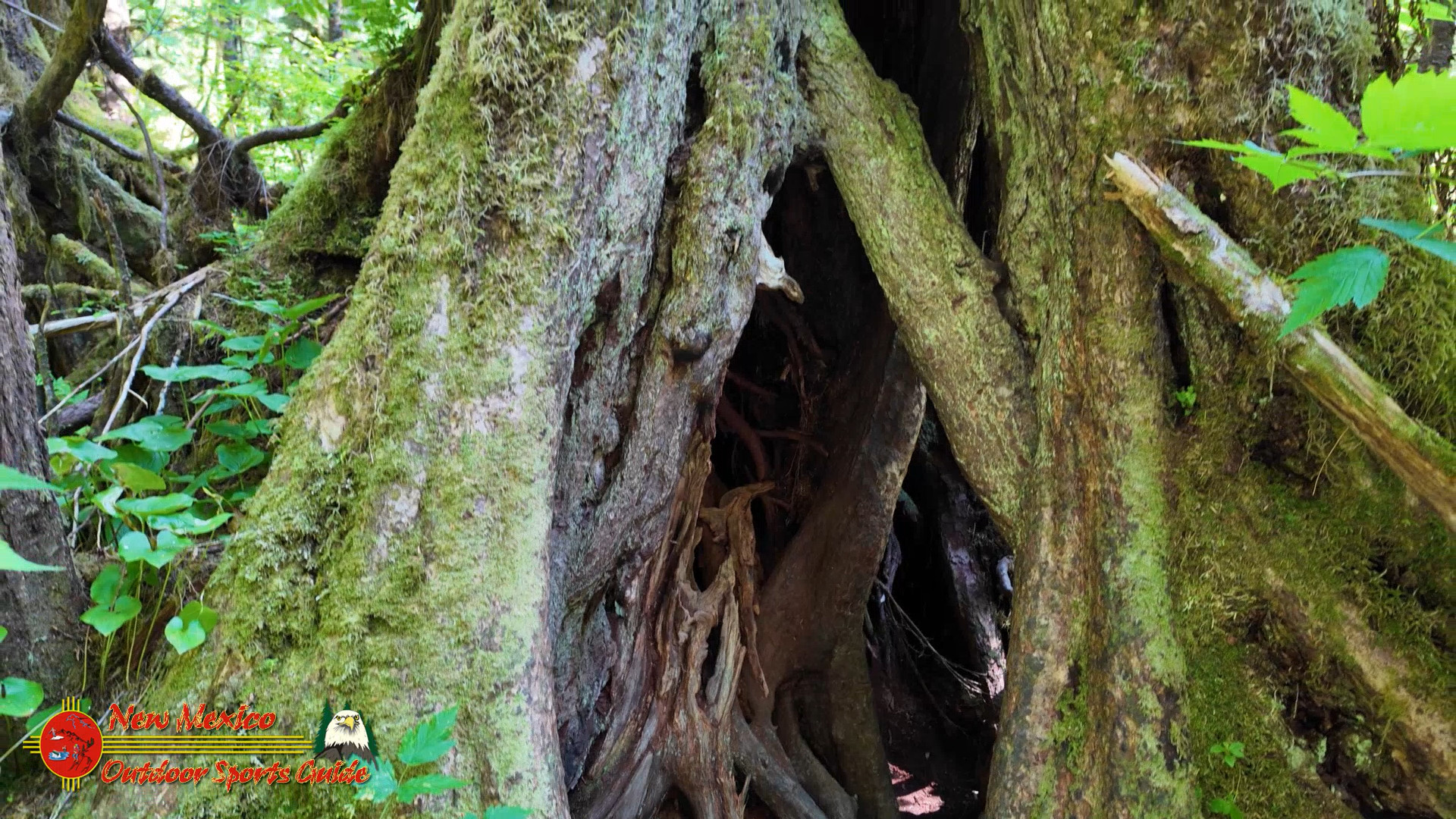
The hike began with a gentle descent into the forest, where we were immediately surrounded by towering stands of Sitka spruce and western hemlock. These trees, some of which were hundreds of years old, created a natural cathedral with their immense trunks and interwoven branches. Sunlight streamed through the canopy, illuminating patches of moss-covered ground and creating a mystical, almost otherworldly atmosphere. Alan paused frequently to point out unique features of the forest. He explained how the trees’ roots are shallow, spreading outwards rather than downwards to anchor themselves in the soft, often waterlogged soil. He showed us nurse logs, fallen trees that have become the foundation for new growth, with ferns, saplings, and mushrooms sprouting from their decaying wood.
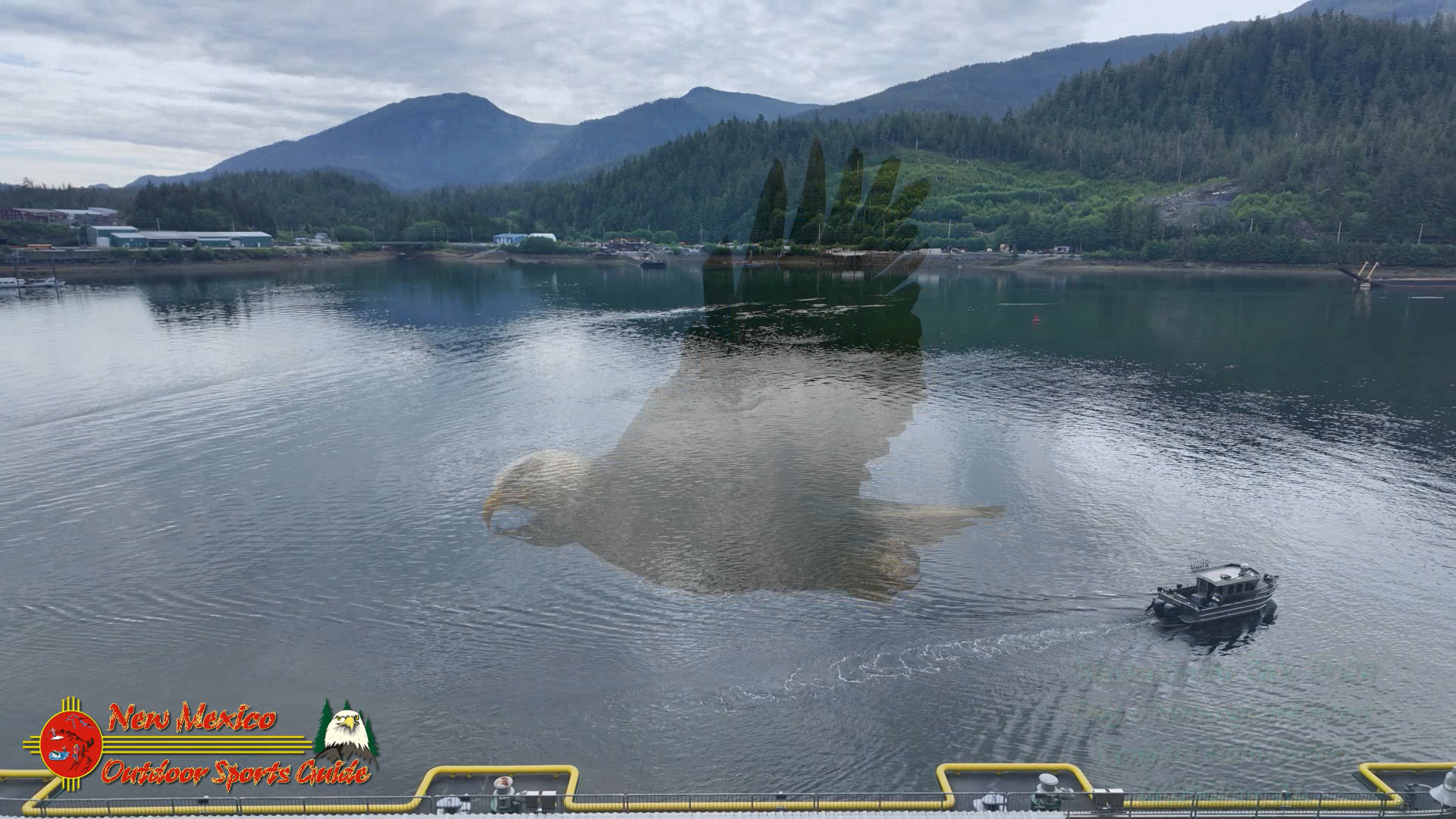
Every few minutes, we would come upon a strategically located viewing area, where we paused to take in the sights and sounds of the forest. At one point, Alan directed our attention to a pair of bald eagles perched high in a cedar tree. I watched in awe as one of them took off, its massive wingspan cutting through the air with powerful, deliberate strokes. It circled overhead before disappearing into the distance, and I felt a rush of gratitude for witnessing such a majestic sight.
Exploring Herring Creek and the Elevated Boardwalk
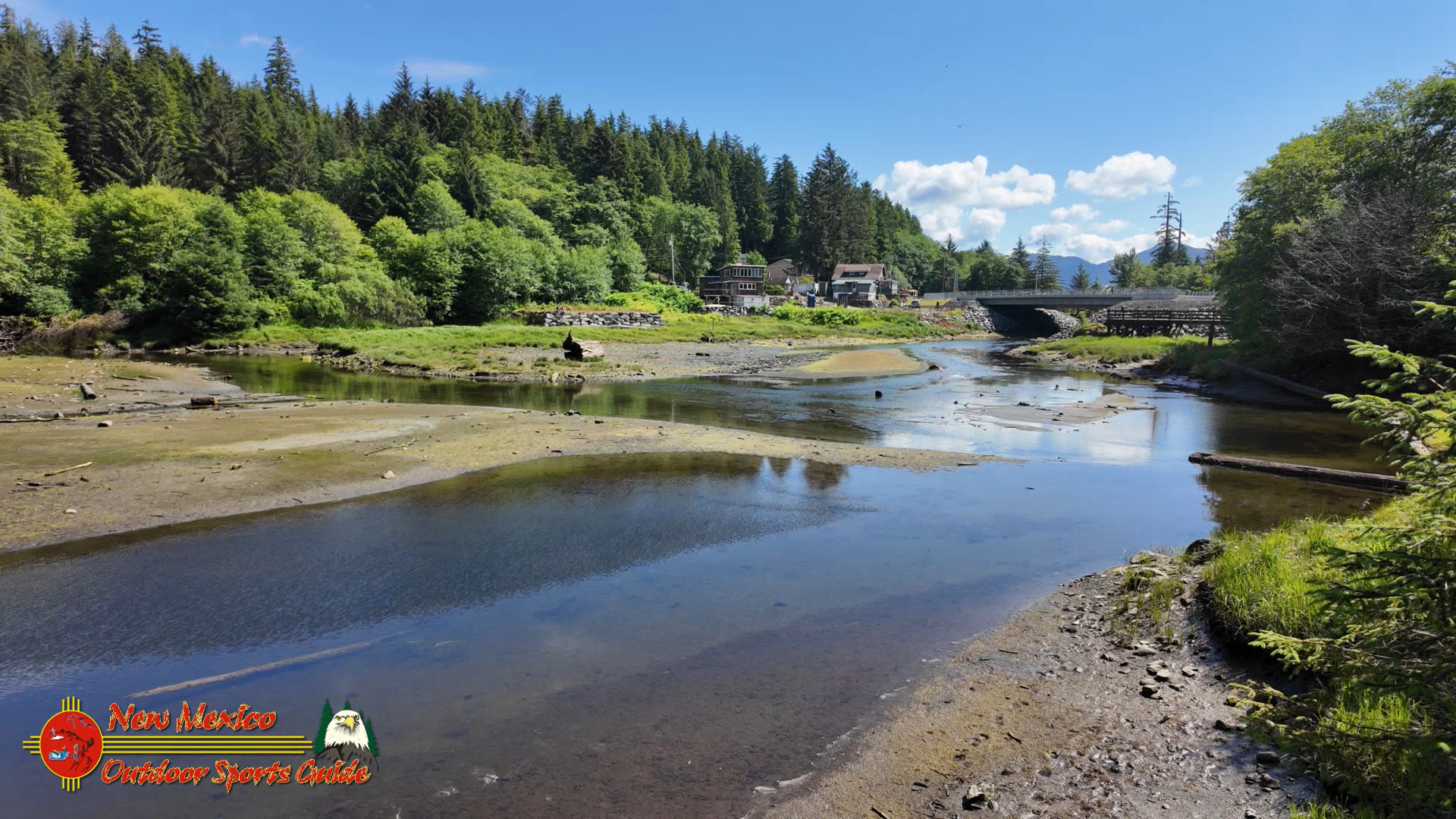
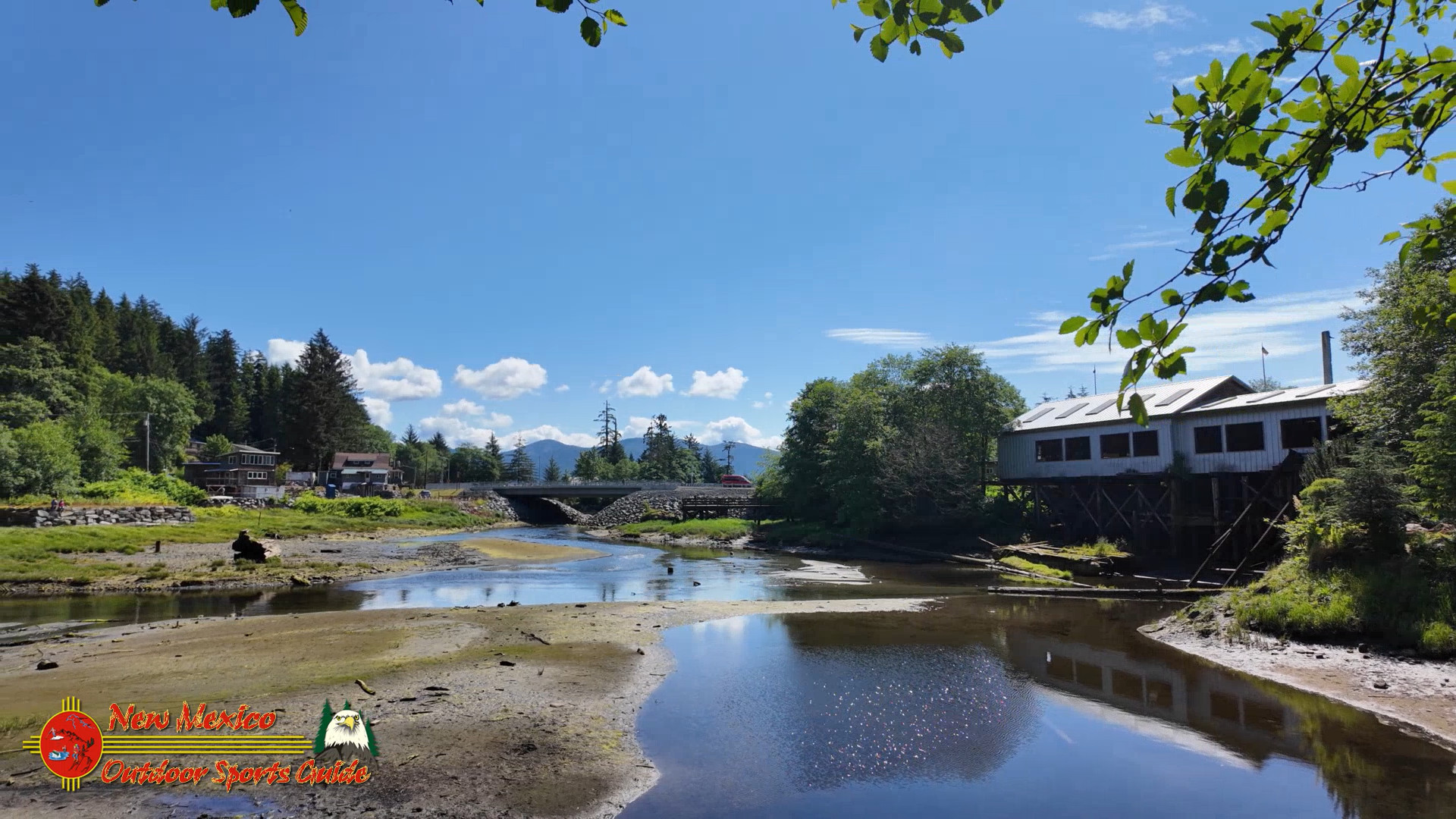
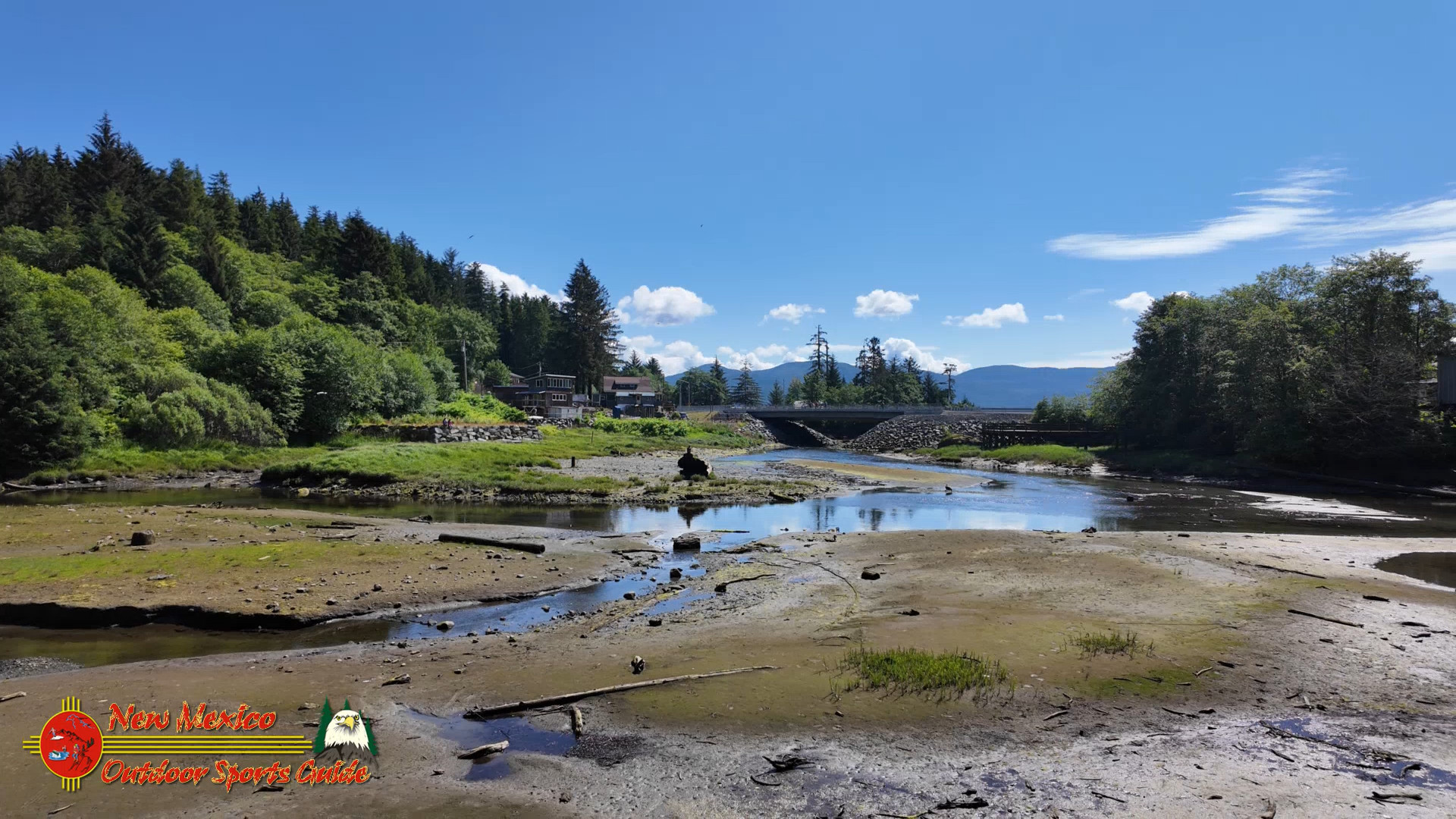
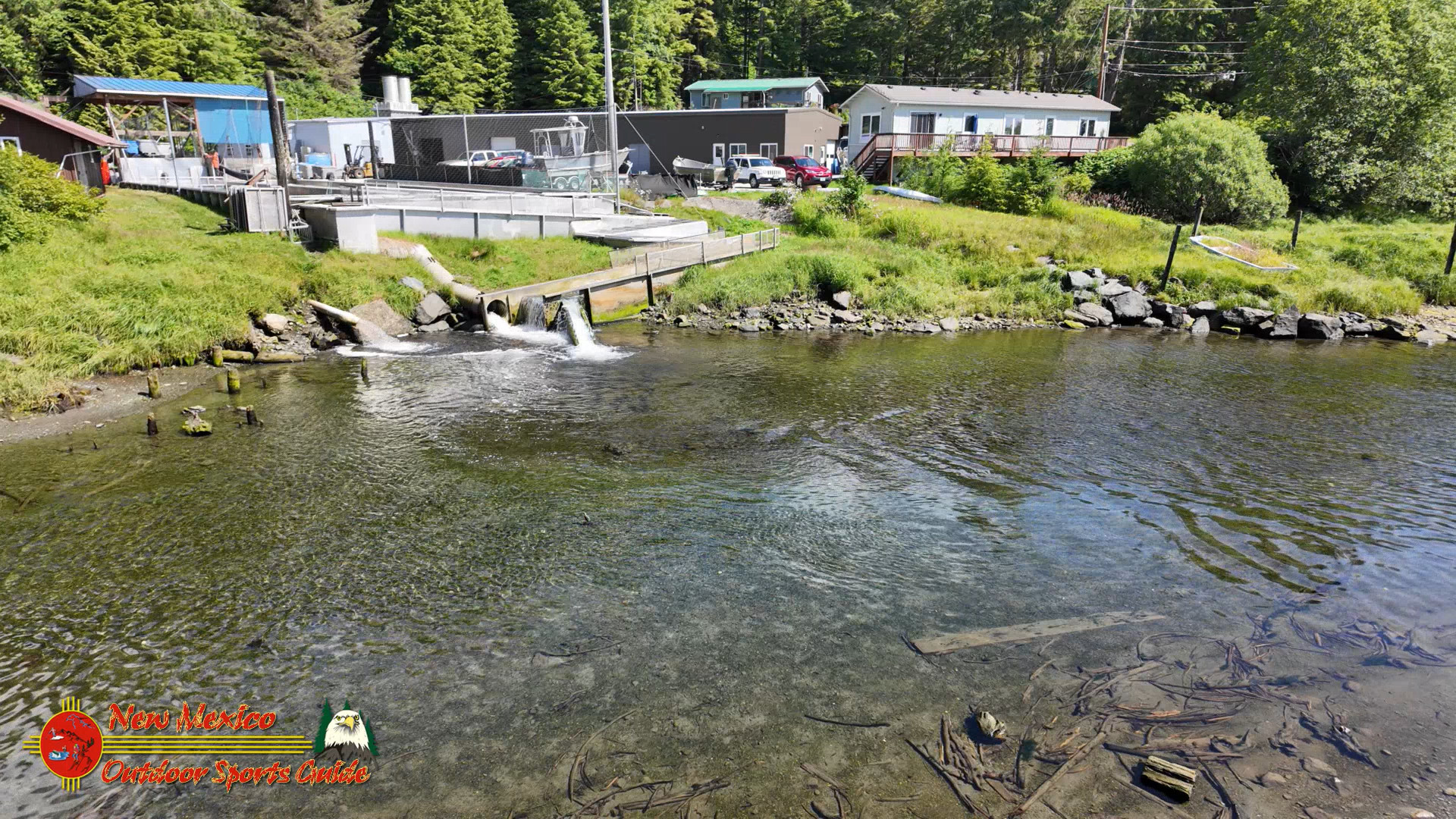
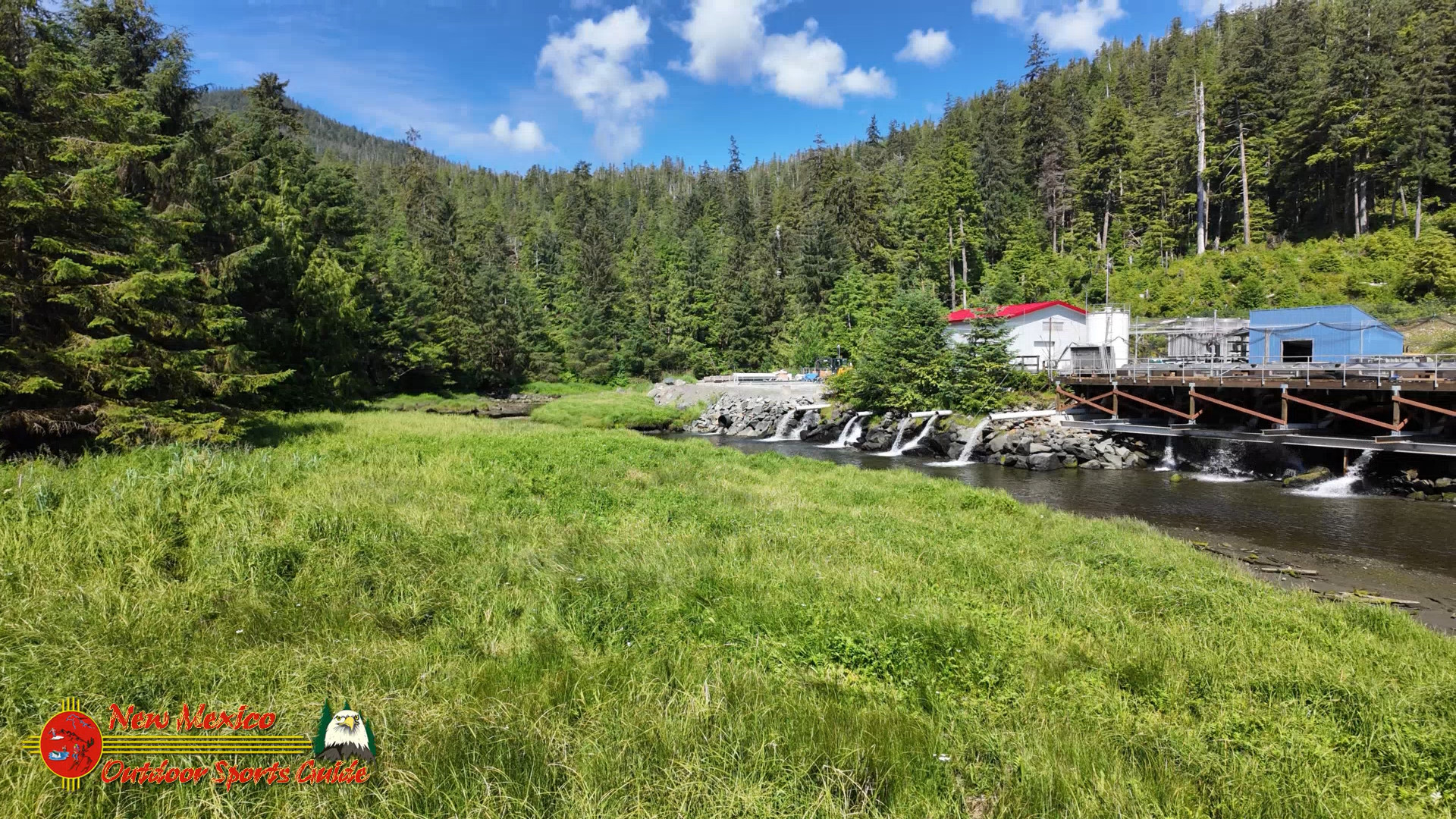
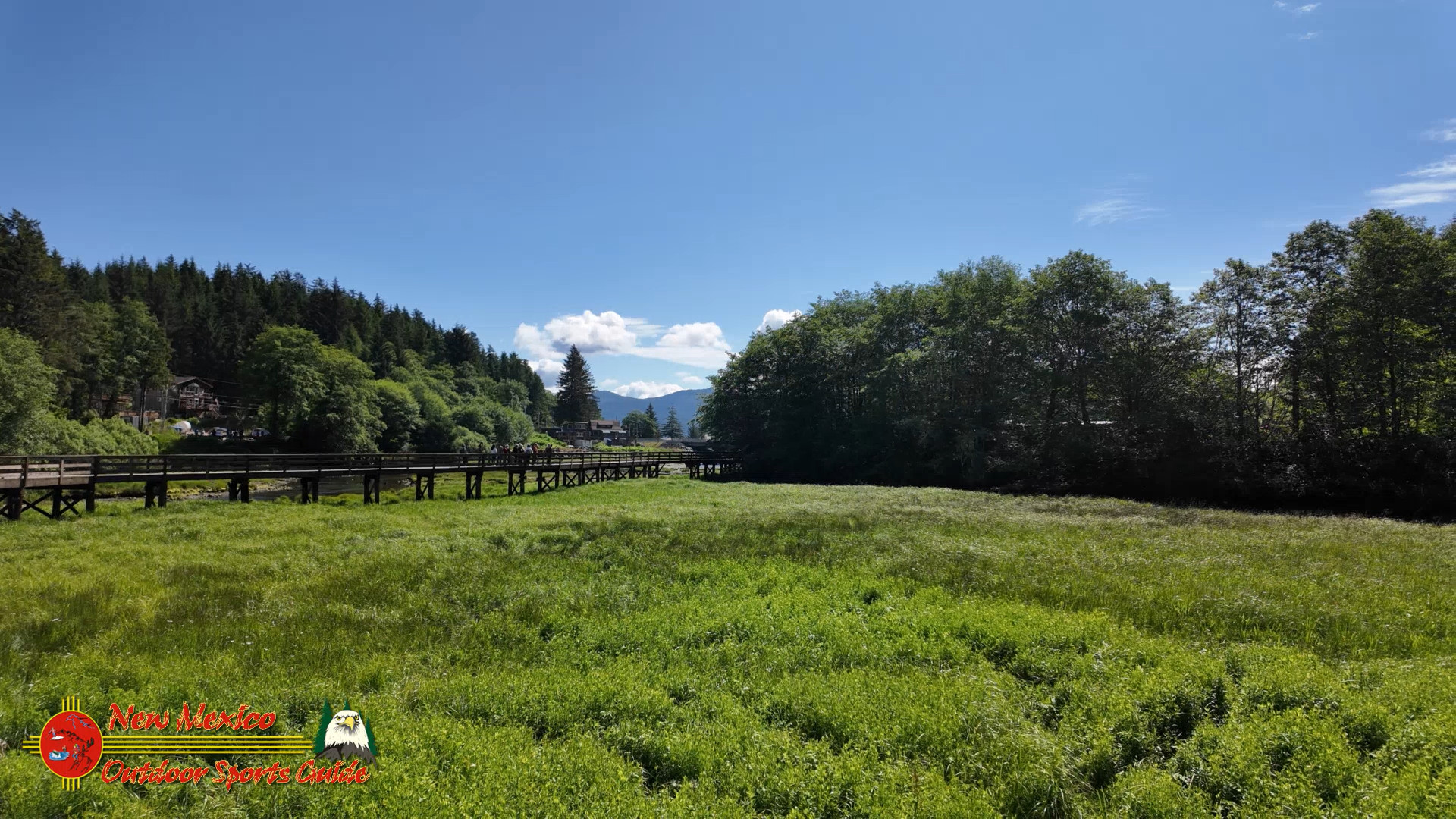
The trail continued to wind its way through the forest, and soon we arrived at a wooden boardwalk that led us out of the dense undergrowth and along Herring Creek. The elevated boardwalk provided an excellent vantage point to observe the estuary below. Here, the forest opened up to reveal a lush, grassy wetland that stretched out before us, bordered by a slow-moving creek where salmon were returning to spawn. The water was so clear that we could see the dark shapes of the fish swimming upstream, fighting against the current to reach their spawning grounds.
Alan explained that this estuary was a vital ecosystem, providing food and habitat for a variety of species, including bears, seals, and numerous bird species. As if on cue, a family of harbor seals appeared, their sleek heads bobbing above the water as they fiHed for salmon. We stood quietly, watching them playfully dart around, their movements smooth and graceful. The only sounds were the rustling of leaves in the breeze and the occasional call of a bird overhead.
Walking along the boardwalk, we passed several more viewing platforms, each offering a different perspective on this vibrant habitat. The sights and sounds of the estuary were like a living symphony, with the rhythmic splash of fish jumping, the gentle hum of insects, and the distant croak of ravens echoing through the trees. I could have stayed there for hours, simply soaking in the beauty and serenity of this special place.
A Visit to the Native Totem Park
After our time on the boardwalk, we made our way to the Native Totem Park, located within the reserve. Here, we were introduced to the rich cultural heritage of the Tlingit, Haida, and Tsimshian peoples, who have lived in this region for thousands of years. The park featured a collection of beautifully carved totem poles, each one telling a different story or representing a significant event, clan, or animal spirit.
Our guide took us around the park, explaining the symbolism and history behind some of the totems. I was particularly struck by the Raven and Eagle totem, which depicted the story of the Raven bringing light to the world, a tale central to Tlingit mythology. The intricate carvings and vibrant colors of the totems were a testament to the skill and artistry of the carvers who created them. Standing among these towering symbols of indigenous culture, I felt a profound respect for the traditions and histories that have shaped this land.
The Historic Herring Bay Lumber Company Sawmill
The final leg of our tour took us to the historic Herring Bay Lumber Company sawmill, a relic of Ketchikan's past when logging was the primary industry in the region. The sawmill, nestled at the edge of the forest, looked as though it had been frozen in time. Its wooden structure, weathered by the elements, stood as a silent witness to the bustling activity that once took place here.
As we walked through the sawmill, our guide explained how it had played a vital role in the local economy during the early 20th century, providing jobs and resources for the growing town of Ketchikan. The old machinery, now covered in moss and rust, had a certain charm to it. It was easy to imagine the sounds of saw blades cutting through massive logs and the smell of fresh-cut timber filling the air.
A Memorable End to a Perfect Day
As our tour concluded, we made our way back to the bus, feeling both invigorated and at peace. The Tongass Rain Forest Tour had exceeded all our expectations, offering a unique blend of natural beauty, cultural heritage, and historical insight. It was a reminder of how much this part of the world has to offer and how important it is to preserve these precious ecosystems.

0 Comments