
A January Stroll
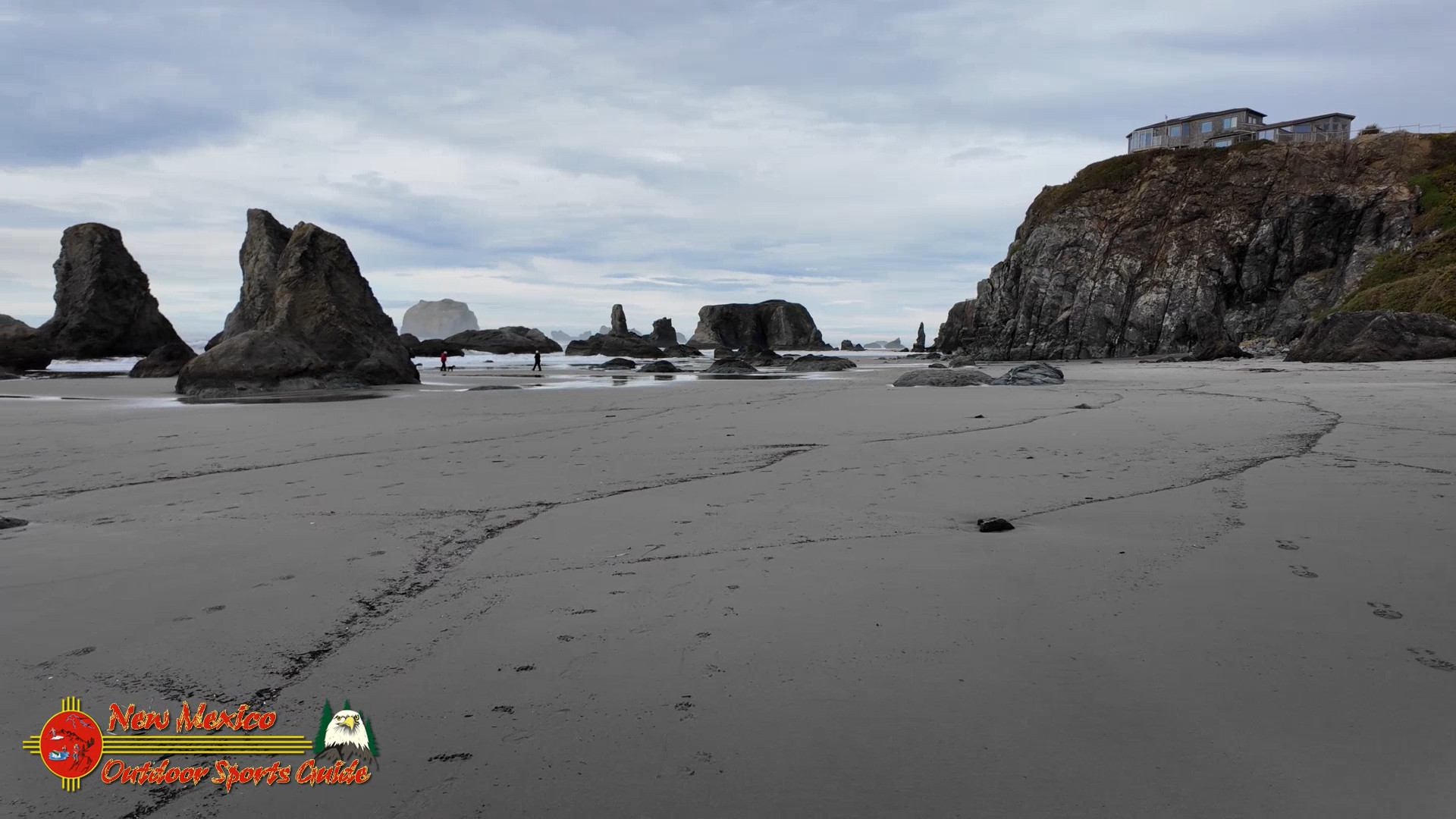
As I set foot onto the damp sands of the Oregon coast on a brisk January afternoon, I felt a surge of anticipation mingled with a soothing calmness. There's something profoundly invigorating about walking along the shoreline in winter—the crisp air, the muted colors, the rhythmic crash of waves against ancient sea stacks. It's a scene that feels simultaneously timeless and ever-changing, a canvas shaped by thousands of years of relentless erosion and natural sculpting.
The sky above was a tapestry of gray, with thick clouds stretching as far as the eye could see. Despite the absence of sunshine, there was a peculiar beauty in the muted light, casting a soft glow over the rugged coastline. The air was tinged with the salty tang of the sea, carried by the gentle breeze that tousled my hair as I ventured further along the shore.
With each step, I felt myself sinking deeper into a state of reverie, my senses attuned to the symphony of nature unfolding around me. The sound of seagulls echoed overhead, their cries mingling with the ceaseless roar of the ocean. But it was the rhythmic percussion of waves meeting stone that truly captivated me—the primal rhythm of nature's eternal dance.
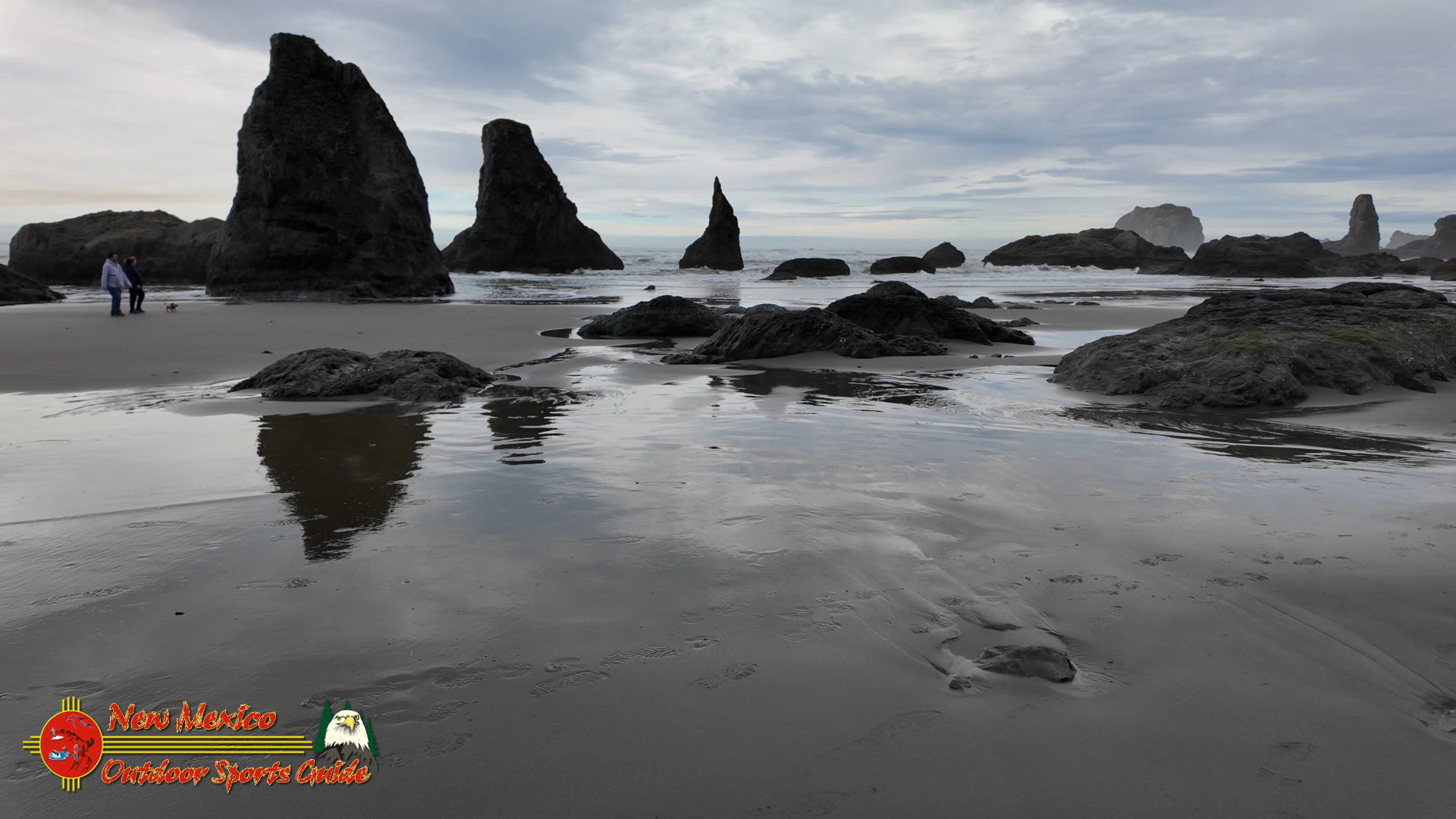
Before me rose the majestic sea stacks, towering monoliths sculpted by millennia of wind and water. Each one was a unique masterpiece, a testament to the relentless forces of erosion that had shaped this coastline over countless ages. I couldn't help but marvel at the intricate patterns etched into their surfaces, the result of centuries of gradual wear and tear.
As I walked, I found myself lost in contemplation, imagining the countless years it must have taken for these towering formations to take shape. I pictured the ancient seas that once covered this land, the powerful currents that had sculpted these rocks into their present forms. It was a humbling reminder of the vastness of geologic time, a reminder that the world around us is in a constant state of flux, shaped by forces far beyond our comprehension.
With each passing moment, I felt myself drawn deeper into the timeless beauty of this rugged coastline. I stopped to examine the tide pools that dotted the rocky shore, marveling at the delicate ecosystems teeming within. Tiny crabs scuttled among the rocks, while anemones swayed gently in the currents. It was a microcosm of life, a reminder that even in the harshest of environments, nature finds a way to thrive.
As I continued my journey, I found myself drawn to a particularly imposing sea stack that rose defiantly from the surf. Its sheer cliffs were weathered and worn, yet still bore the scars of countless battles with the elements. I imagined the storms that must have battered its shores, the waves that had crashed against its base with relentless fury. And yet, despite it all, it stood tall and proud, a silent sentinel guarding the coastline against the encroaching sea.
I couldn't help but feel a sense of awe as I gazed up at this ancient monolith, a tangible link to the distant past. It was a reminder of the ephemeral nature of our own existence, a reminder that long after we are gone, the earth will continue to evolve and change, sculpted by forces beyond our control.
As the afternoon wore on and the sky began to darken, I reluctantly turned back towards the shore. But even as I retraced my steps along the sandy expanse, I carried with me a sense of peace and wonder, a reminder of the beauty that surrounds us if only we take the time to truly see it.
In the end, my January stroll along the Oregon coast was more than just a walk—it was a journey through time, a chance to connect with the ancient forces that have shaped our world. And as I watched the waves crash against the shore one final time, I couldn't help but feel grateful for the opportunity to experience the timeless beauty of this wild and untamed landscape.


0 Comments