
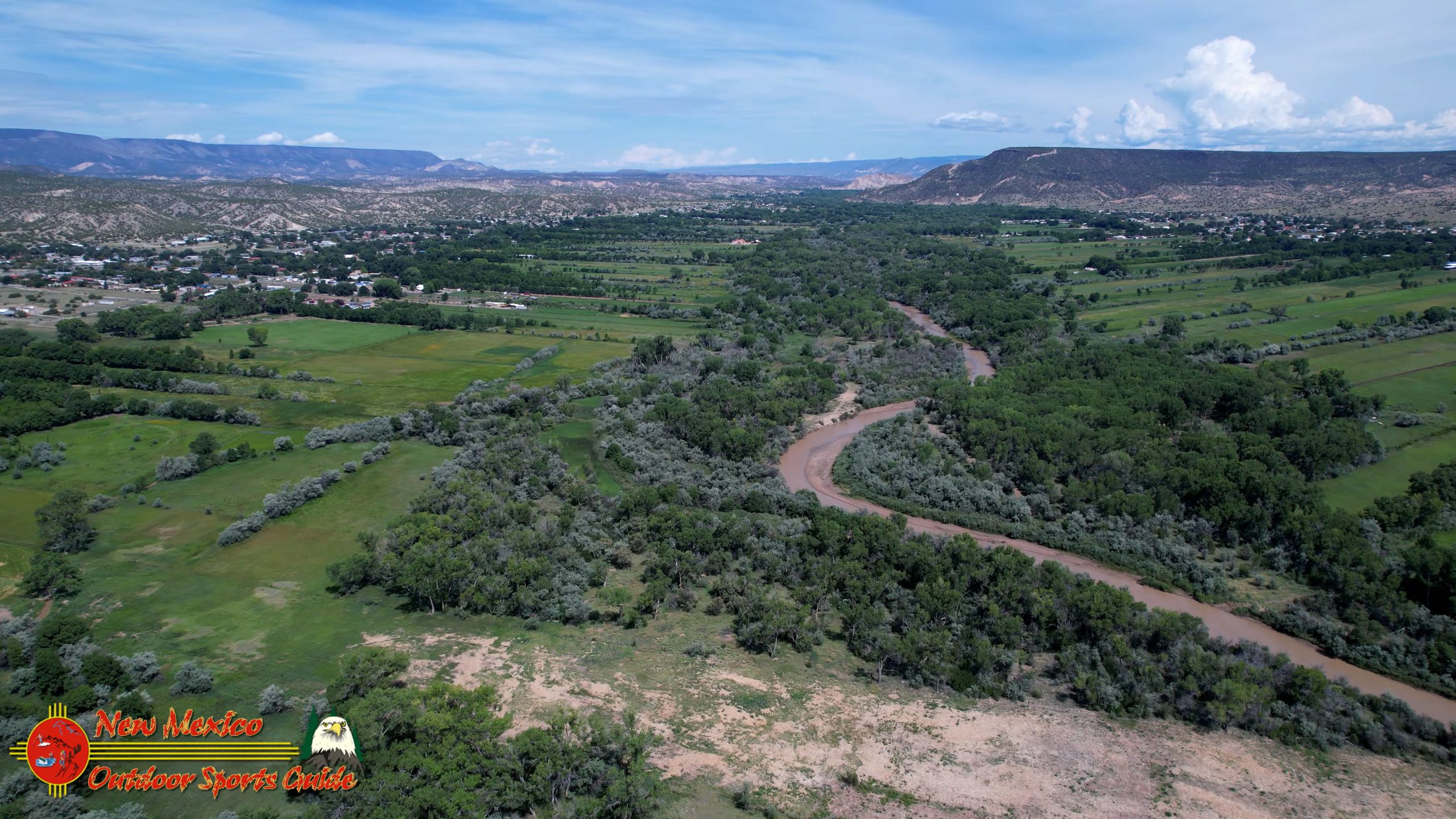
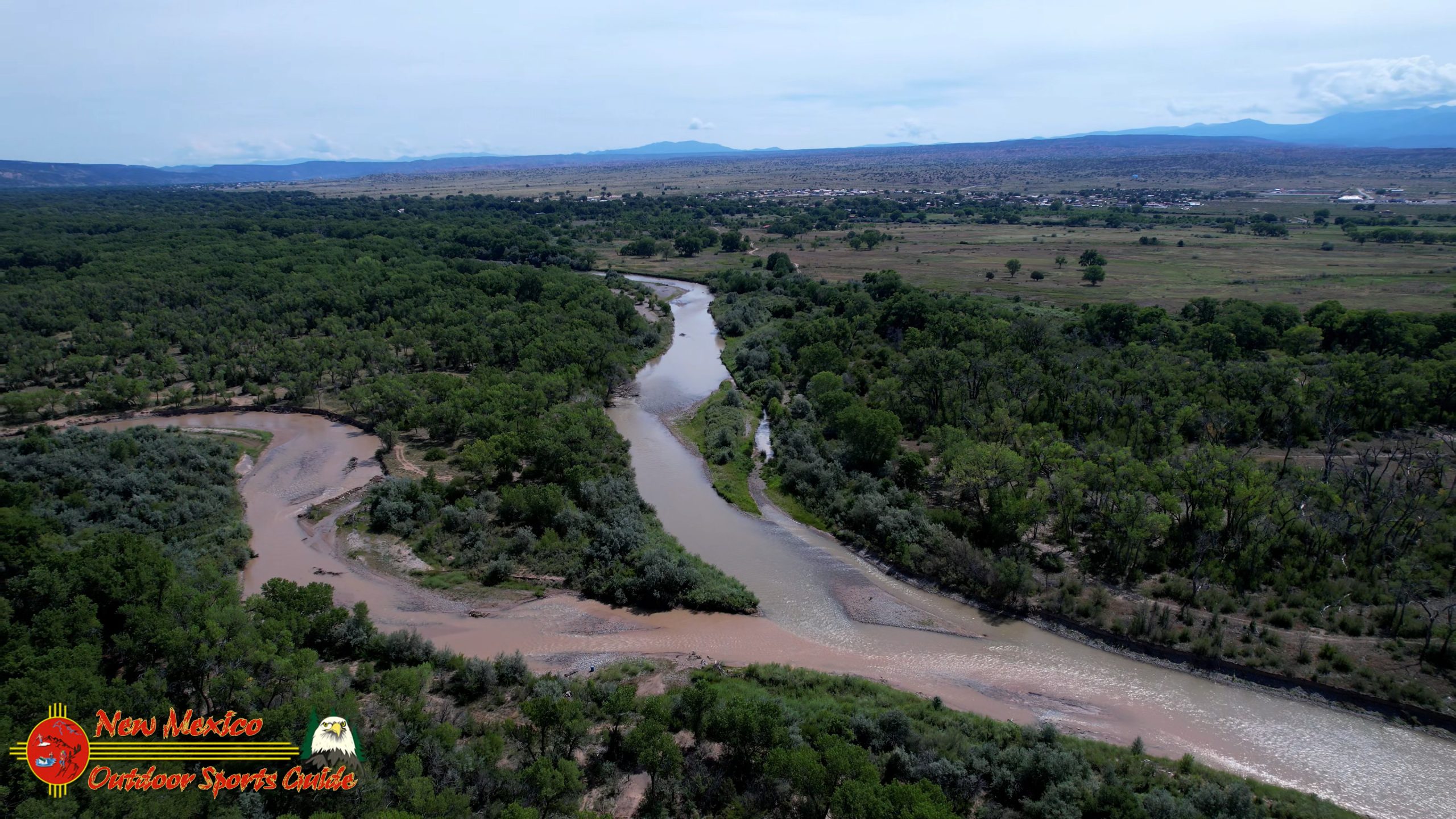
The Rio Chama is one of Northern New Mexico’s most captivating rivers, winding through rugged canyons, fertile valleys, and ancient lands before meeting the mighty Rio Grande. The spot where these two rivers meet — just a few miles southwest of Española, near the small farming communities of northern New Mexico — has long been a crossroads of life. It’s a place where water nourishes crops, wildlife flourishes, and the legacy of Native Americans and Hispanic settlers intertwines with the land.
For travelers and vacationers looking to explore beyond Santa Fe and Taos, the Rio Chama offers a perfect escape. Here, you can drive along scenic highways, stop to watch the river where it feeds the Rio Grande, visit small farms tucked into the valleys, or cast a line for some peaceful fishing against a backdrop of mountains and cottonwoods. This is New Mexico at its most authentic — a place where time slows, and every bend in the river tells a story.
The Life of the Rio Chama
The Rio Chama begins its journey high in the San Juan Mountains of Colorado, flowing for over 120 miles through Northern New Mexico. Along the way, it cuts through dramatic sandstone cliffs, feeds into Abiquiú Lake, and winds its way past Georgia O’Keeffe country, where the painter immortalized the red mesas and stark skies.
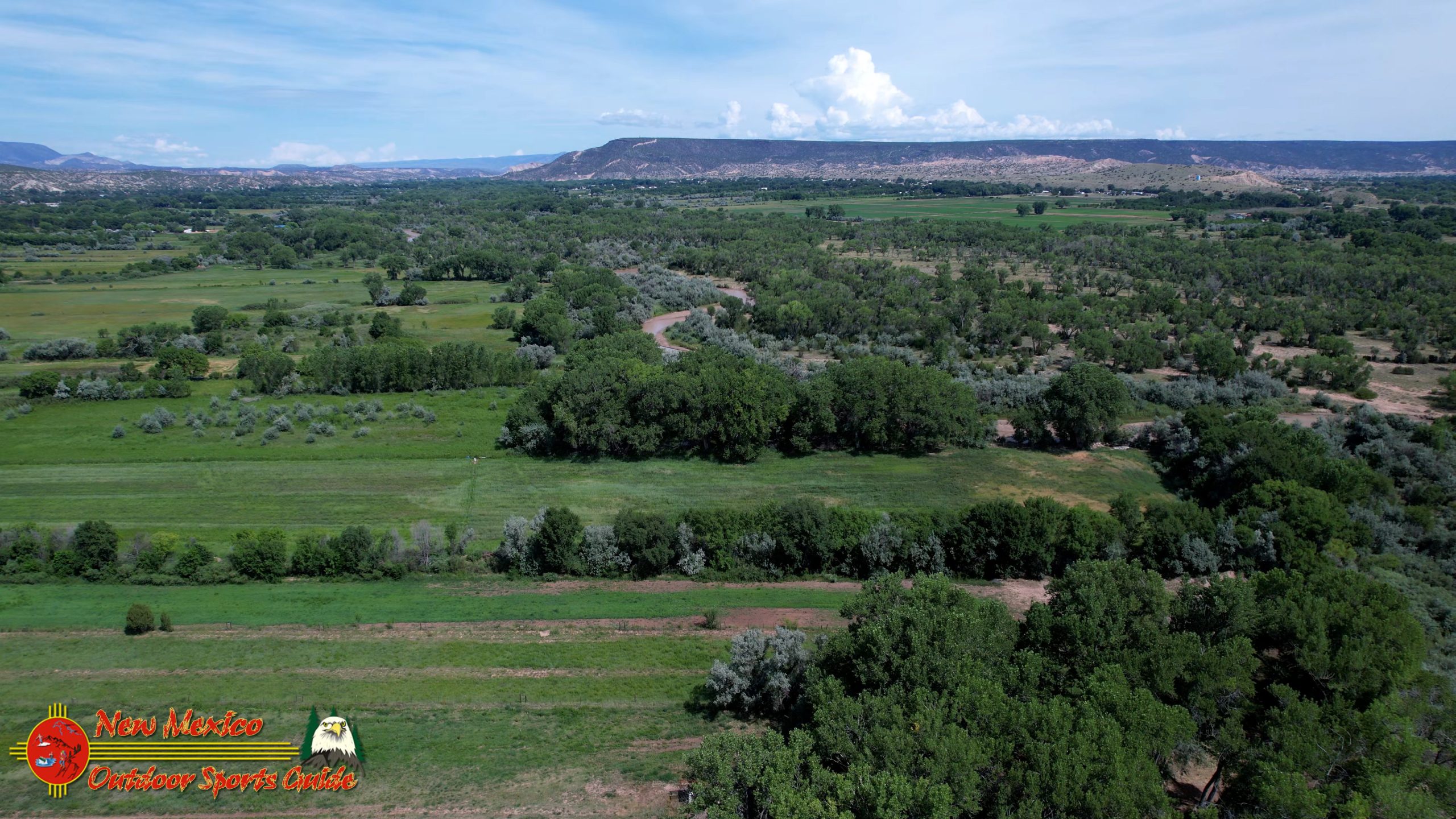
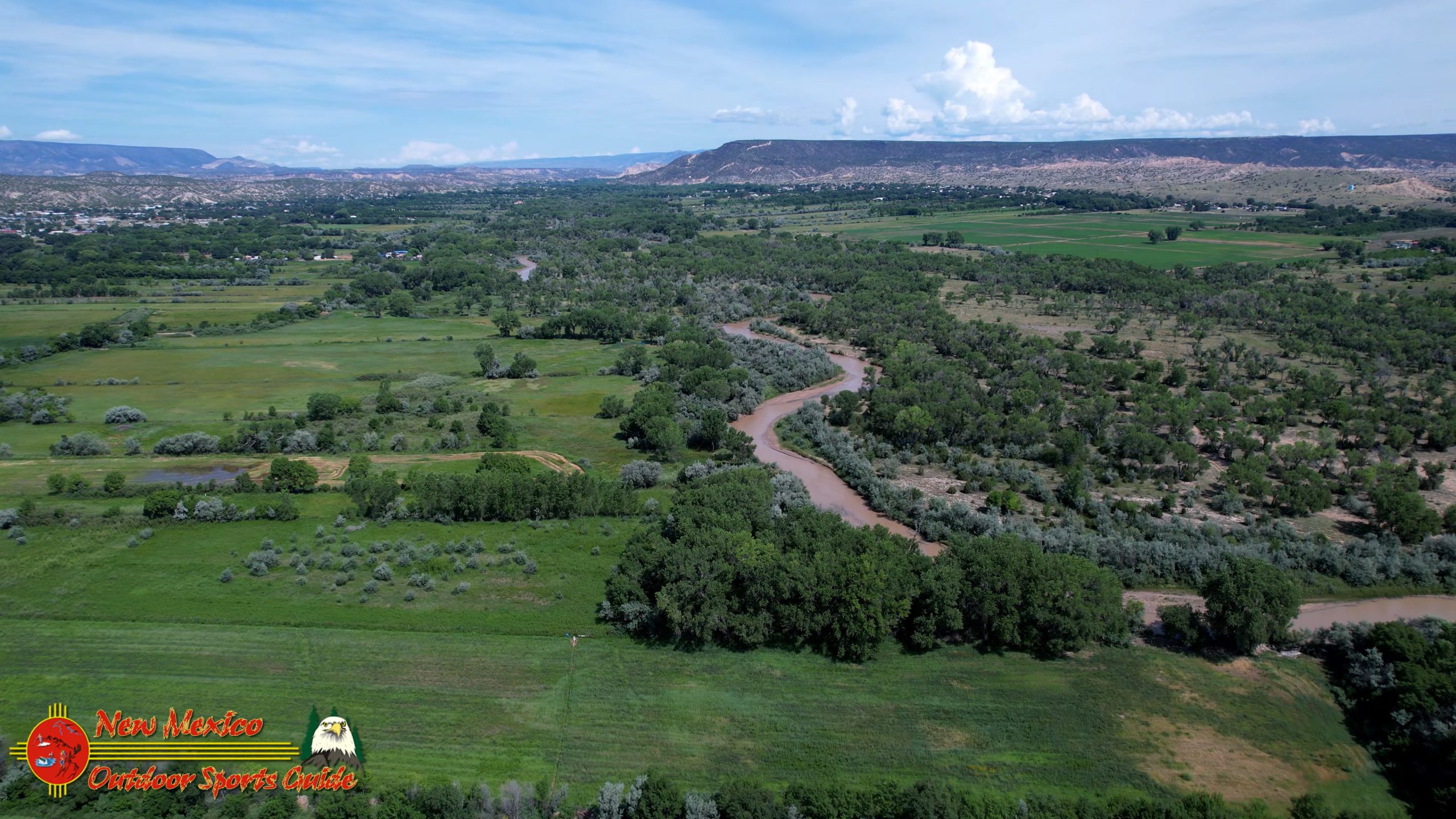
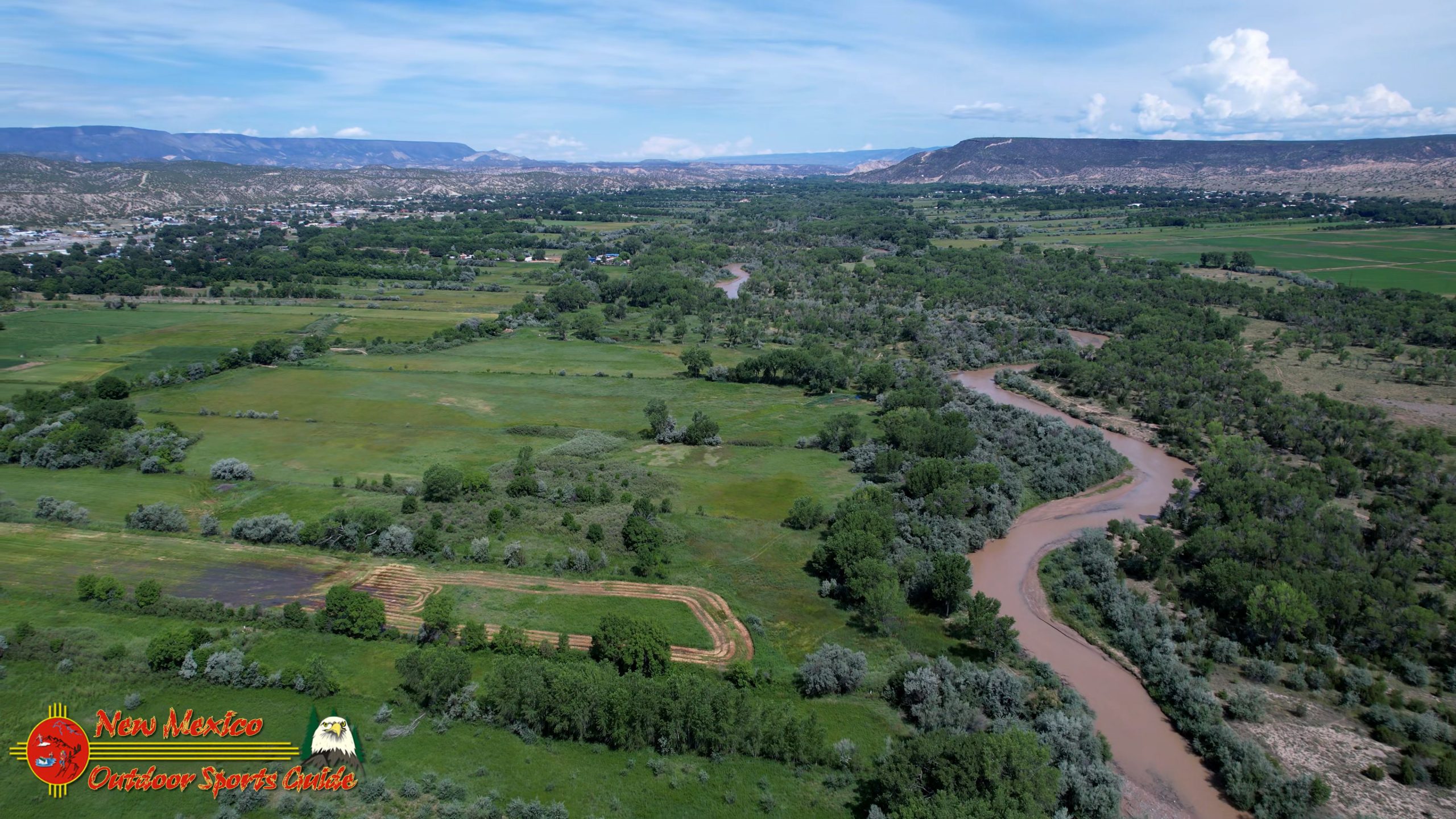
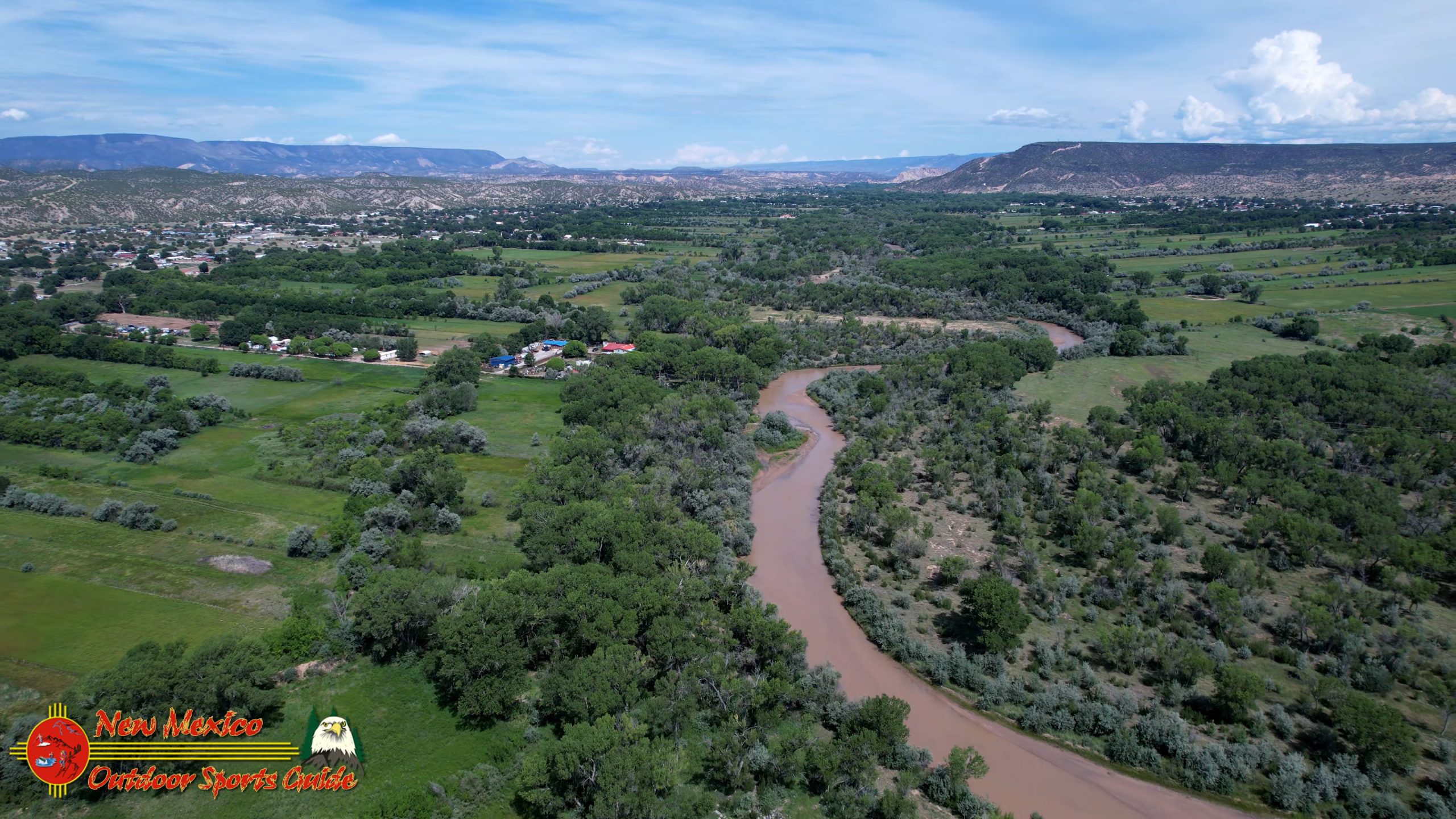
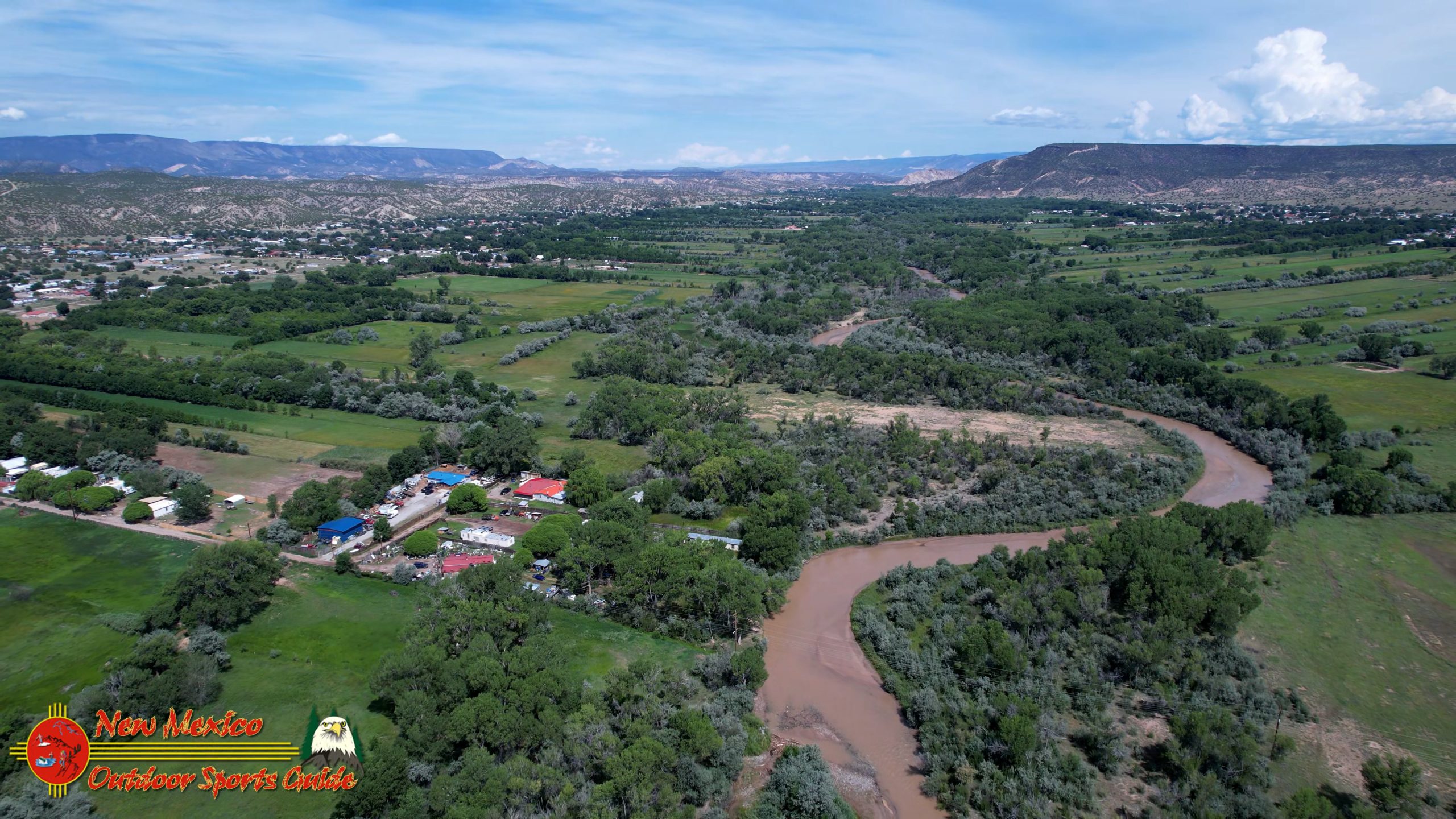
By the time it reaches the confluence with the Rio Grande, the Chama has transformed into a calmer river, flowing through valleys that have supported small farms and crops for centuries. Acequias — hand-dug irrigation ditches dating back to Spanish colonial times — carry the river’s water to fields where alfalfa, corn, and chile thrive. In spring and summer, the fields are lush and green, a striking contrast to the surrounding desert mesas.
For vacationers, following the Chama’s course south offers endless rewards:
-
Scenic overlooks near Abiquiú and Ghost Ranch, perfect for photography.
-
Quiet fishing access points near Dixon and Embudo.
-
A chance to witness the river’s cultural layers, from Native American pueblos to Spanish missions.
Meeting the Rio Grande
The Rio Grande itself is no ordinary river. It begins in the San Juan Mountains as well and flows over 1,800 miles to the Gulf of Mexico, carving deep canyons and creating fertile valleys across the Southwest. By the time the Chama flows into it, near Española, the Rio Grande is the lifeblood of the region.
The confluence is not a dramatic waterfall or roaring rapid, but it’s a place of subtle beauty and life. The two rivers merge quietly, watched over by cottonwoods, willows, and the Sangre de Cristo Mountains rising in the distance. It’s common to see herons, ducks, and the occasional bald eagle here — drawn by the same waters that sustain local fishing enthusiasts.
For travelers, the confluence area is easy to explore:
-
Scenic drives along Highway 68 and Highway 285 offer multiple river pullouts.
-
Small footpaths near the riverbanks give access for picnics or short walks.
-
Several Native American pueblos nearby, including Ohkay Owingeh, offer cultural insights (check ahead for visitor hours and etiquette).
Fertile Farmland Along the Rio Chama
One of the most striking things about the Rio Chama valley is its contrast to the surrounding high desert. Thanks to centuries-old irrigation systems, the river’s water transforms what might otherwise be arid land into a ribbon of fertile farmland.
Many of the small farms here are family-run, some tracing their roots back generations. You’ll find fields of crops like:
-
Green and red chile — staples of New Mexico cuisine.
-
Sweet corn and alfalfa — grown for both local tables and livestock.
-
Fruit orchards, especially apples and apricots, thriving in the warm summers.
If you visit in late summer or early fall, roadside stands and local markets often sell fresh produce straight from these farms. It’s a chance to taste the valley’s bounty and support local growers, whose work is deeply tied to the Rio Chama’s steady flow.
Native American Roots and Living Traditions
Long before Spanish settlers arrived in the late 1500s, the Native Americans of the Tewa-speaking pueblos relied on the Rio Chama and Rio Grande for life. The rivers were not just sources of water but sacred pathways, central to ceremonies, farming, and trade.
Today, several pueblos near the confluence — including Ohkay Owingeh (formerly San Juan Pueblo), Santa Clara, and Pojoaque — continue to honor these traditions. Visitors can sometimes attend feast days (with proper respect and adherence to guidelines) or explore pueblo-run cultural centers and museums that share the history of the land and rivers.
For vacationers, this connection to Native culture adds depth to any visit. Standing along the riverbanks, it’s easy to imagine generations planting crops, casting nets for fish, and walking the same trails that now attract photographers and hikers.
Fishing the Rio Chama
If you’re a fan of fishing, the Rio Chama offers opportunities for both casual anglers and seasoned fly fishers. Near the confluence, the waters are calmer, perfect for beginners or those simply looking to relax. Upstream, particularly near Abiquiú and El Vado, the river is a renowned trout fishery, stocked with rainbow and brown trout.
Tips for fishing near the confluence:
-
Best seasons: Spring and fall offer cooler water temperatures and more active fish.
-
Popular lures: Small spinners, worms, or fly patterns like woolly buggers work well in this stretch.
-
Access points: Check local maps for public land access, as some stretches run through private property.
Even if you don’t fish, watching the river flow by while others cast their lines is a peaceful way to take in the area’s charm.
Exploring the Area: A Traveler’s Guide
For those planning to visit the Rio Chama – Rio Grande confluence, here’s how to make the most of your trip:
Getting There
-
The confluence lies just southwest of Española, about 35 minutes north of Santa Fe along Highway 285.
-
Scenic Highway 68 runs along the Rio Grande toward Taos, offering multiple river views and access points.
When to Visit
-
Spring (April–June) brings lush green fields and active wildlife.
-
Fall (September–October) is especially stunning with golden cottonwoods and the chile harvest in full swing.
-
Summer can be warm but is ideal for river activities like rafting and picnicking.
What to Do
-
Drive the High Road to Taos for stunning vistas of both rivers and surrounding mountains.
-
Visit local farmers markets for fresh chile, fruit, and honey.
-
Stop by the Poeh Cultural Center (Pojoaque) or other pueblo museums for insights into Native heritage.
-
Pack a picnic and find a shady spot near the confluence — perfect for photographers, bird-watchers, or those simply seeking peace.
The Timeless Flow of the Rio Chama
Standing where the Rio Chama meets the Rio Grande, it’s hard not to feel a connection to the past. These rivers have seen centuries of change, from ancient Native settlements to Spanish colonists and modern-day travelers. They’ve watered the same small farms for generations, fed countless flocks of migrating birds, and carried the reflections of countless sunsets.
For vacationers, the Rio Chama offers more than just a scenic stop. It’s a reminder of how life in Northern New Mexico has always revolved around water — from the first Native Americans planting crops to today’s anglers and farmers. Whether you’re here to cast a line, photograph the landscape, or simply watch two rivers merge, the Rio Chama will leave you with memories as lasting as the rivers themselves.
Conclusion: Why the Rio Chama Should Be on Your Itinerary
If you’re exploring Northern New Mexico, don’t miss the quiet magic of the Rio Chama – Rio Grande confluence. Here, you’ll find:
-
A living landscape shaped by centuries of farming and cultural history.
-
Peaceful spots for fishing, photography, and picnicking.
-
A deeper understanding of how these rivers have sustained Native Americans, Hispanic farmers, and wildlife alike.
The Rio Chama isn’t just another river — it’s a lifeline, a scenic wonder, and a bridge between past and present. For vacationers, it’s the perfect place to slow down, breathe deeply, and soak in the beauty of Northern New Mexico’s most vital waters.


0 Comments