
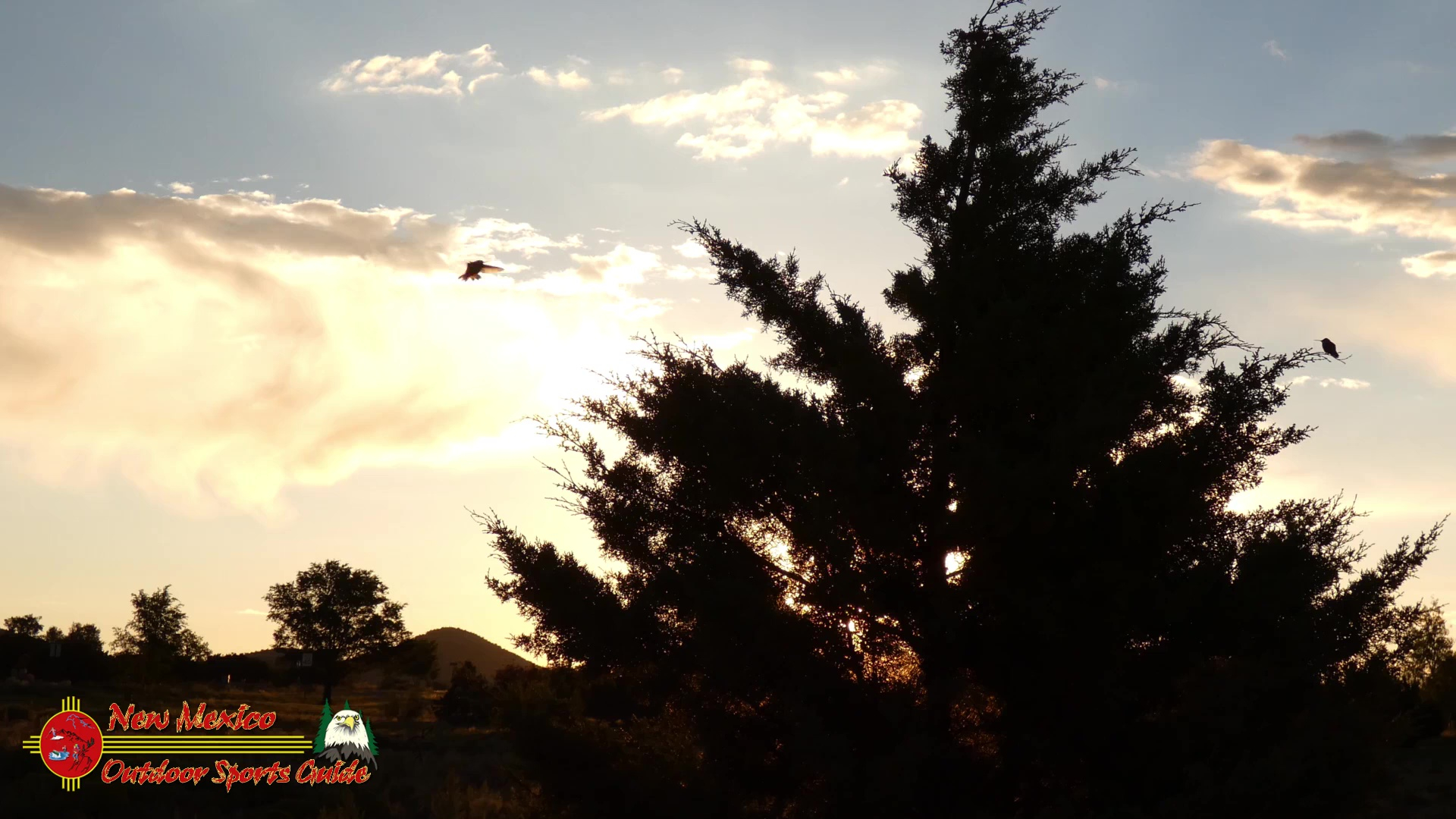
Every summer morning Hummingbirds gather in our Juniper tree and take turns on the feeder on the patio.
Hummingbirds may be popular summer visitors at nectar feeders, but they eat many other things. Just as a good backyard feeding station will provide different types of birdseed and other suitable foods, providing different hummingbird foods ensures that these beautiful birds never leave your yard hungry.
Because nectar is liquid, it also supplies the birds’ necessary water, and hummingbirds do not typically drink from other water sources. Nectar does not, however, meet hummingbirds' needs for protein, amino acids, and different vitamins and minerals, and they must eat other things to have a balanced and healthy diet.
Small insects, larvae, insect eggs, and spiders are critical food sources for hummingbirds. Insects provide the fat, protein and salts the birds cannot derive from nectar, and these are crucial nutritional components, especially for rapidly growing hatchlings. Hummingbirds may hunt insects in several ways, including gleaning or picking them from bark, flowers or leaves, hawking them in midair or plucking them from spider webs or sticky sap. To get the required amount of protein for a healthy diet, an adult hummingbird must eat several dozen insects each day. They will eat many more, however, if they need to regurgitate this nutritious food to hungry hatchlings, or if they are in the midst of a long migration.
Hummingbirds do not directly consume pollen, but a great deal of pollen can be stuck to their tongues and bills when they sip nectar from flowers. Some of that pollen is ingested, and it can be a minor source of protein even though it wasn't directly eaten. Less than 10 percent of the ingested pollen is actually digested, however, which shows that while viable, this is not a common food source for hummingbirds.



0 Comments