
The other evening, as the late spring light filtered through the windows of our Casa Santa Fe, I found myself doing what octogenarians often do on quiet evenings – browsing through old videos and photographs, revisiting memories that have accumulated like layers of sediment in the heart. Paulette was reading her latest mystery novel, occasionally glancing up with that knowing smile she's perfected over our four decades together, when I stumbled upon a video file dated May 2016. The moment I clicked play, I was transported back to one of the most spiritually moving places we've ever encountered in our southwestern wanderings: the Stations of the Cross Shrine in San Luis, Colorado.
The footage flickered to life, showing our old vehicle – we were driving a different rig back then, before we upgraded to our trusty 2024 Subaru Outback – winding through the high desert landscape of south-central Colorado. Even through the small screen of my laptop, I could feel the thin mountain air and see the magnificent backdrop of the Sangre de Cristo Mountains rising like ancient guardians over the San Luis Valley. It was a pilgrimage of sorts, though we hadn't planned it that way when we first heard about this remarkable shrine from fellow travelers at a café in Taos.
San Luis, Colorado, holds the distinction of being the oldest continuously inhabited town in the state, founded in 1851 by Hispanic settlers who brought with them not just their hopes and dreams, but their deep Catholic faith. Nestled in the San Luis Valley at an elevation of nearly 8,000 feet, this small community of fewer than 700 souls has maintained its cultural heritage with a tenacity that would make my Kansas ranching ancestors proud. The town sits in a landscape that seems to stretch toward infinity, with the Rio Grande River meandering through the valley floor and the Rio Costilla adding its voice to the high desert's ancient song.
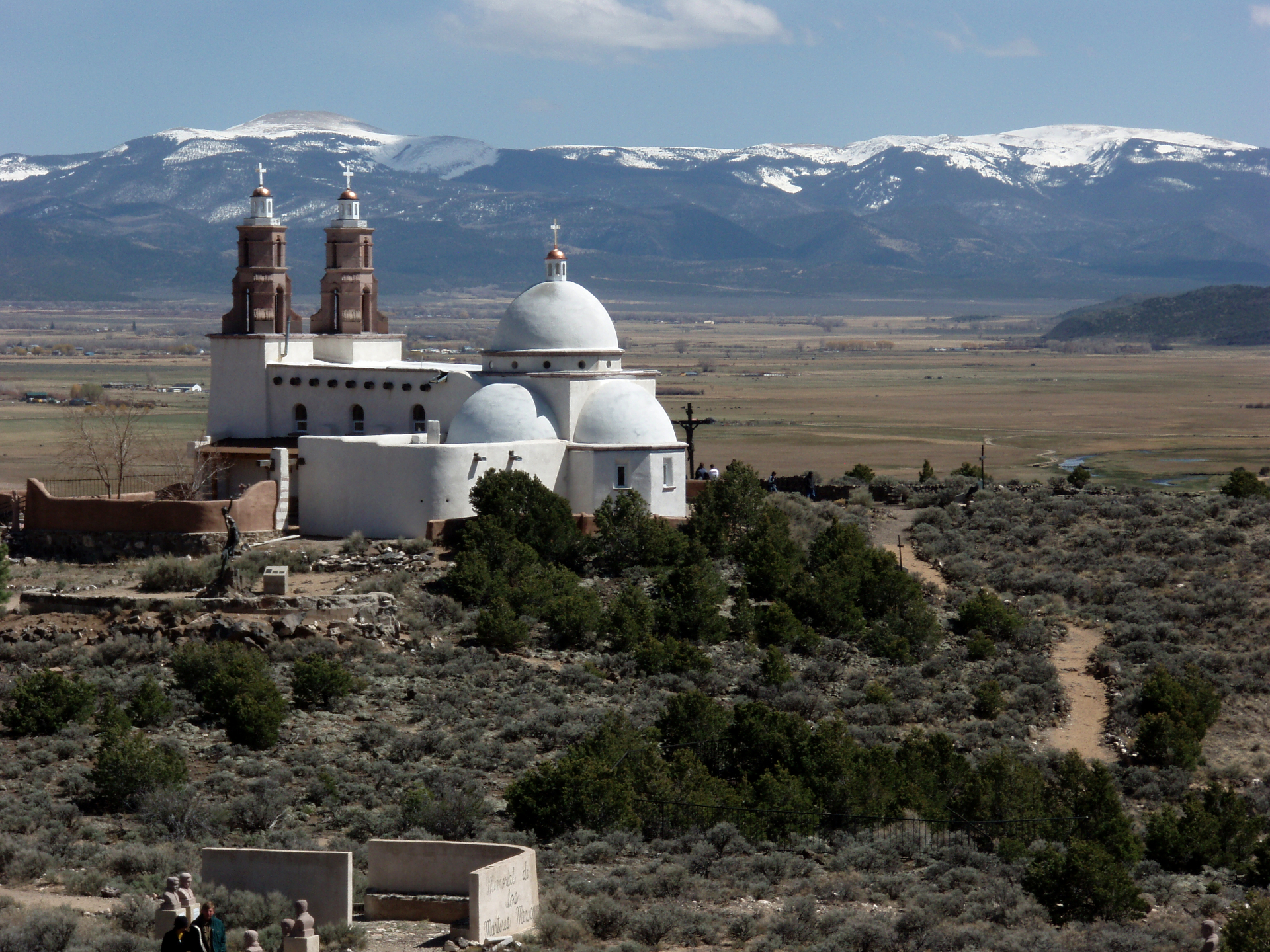
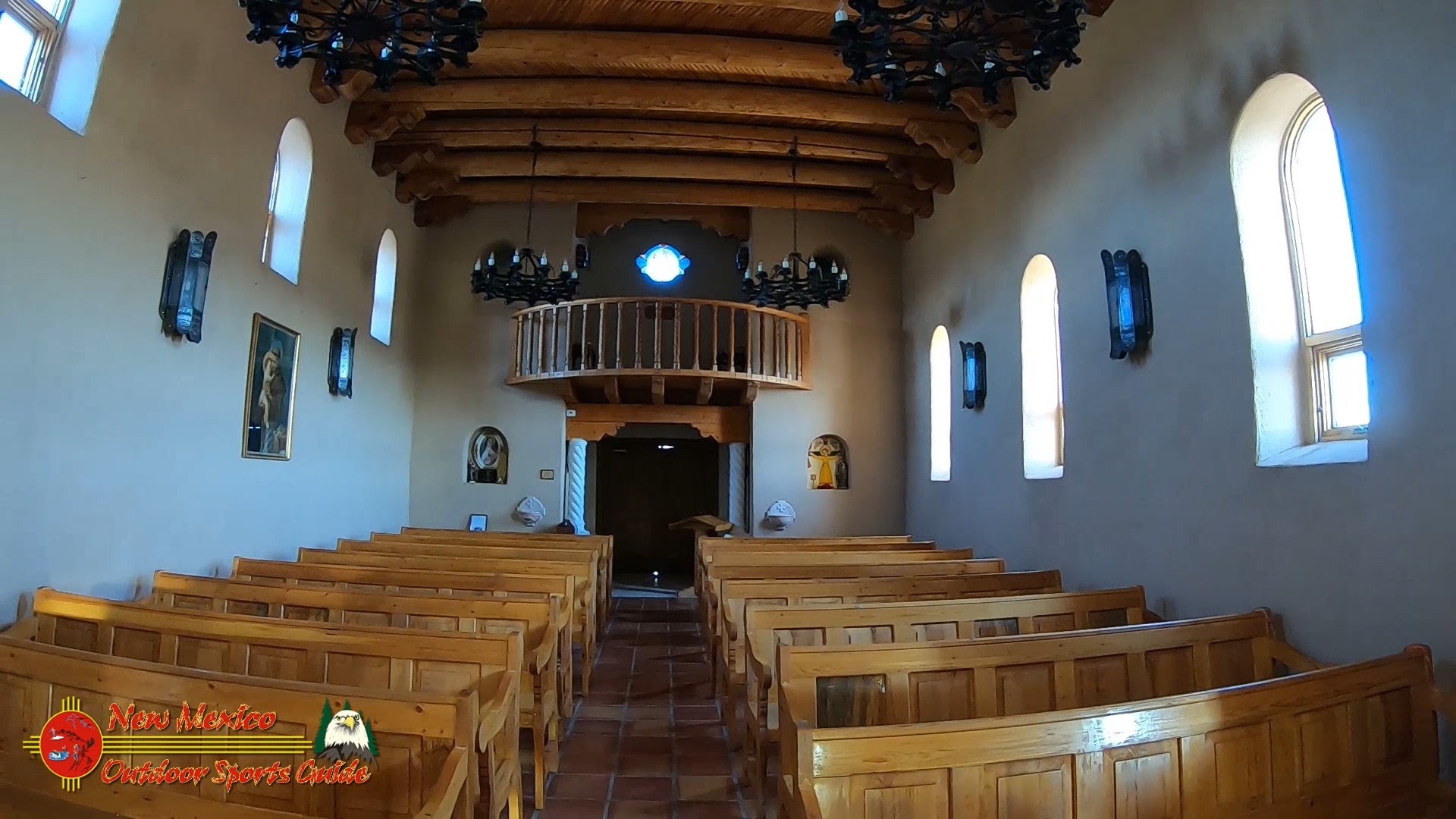
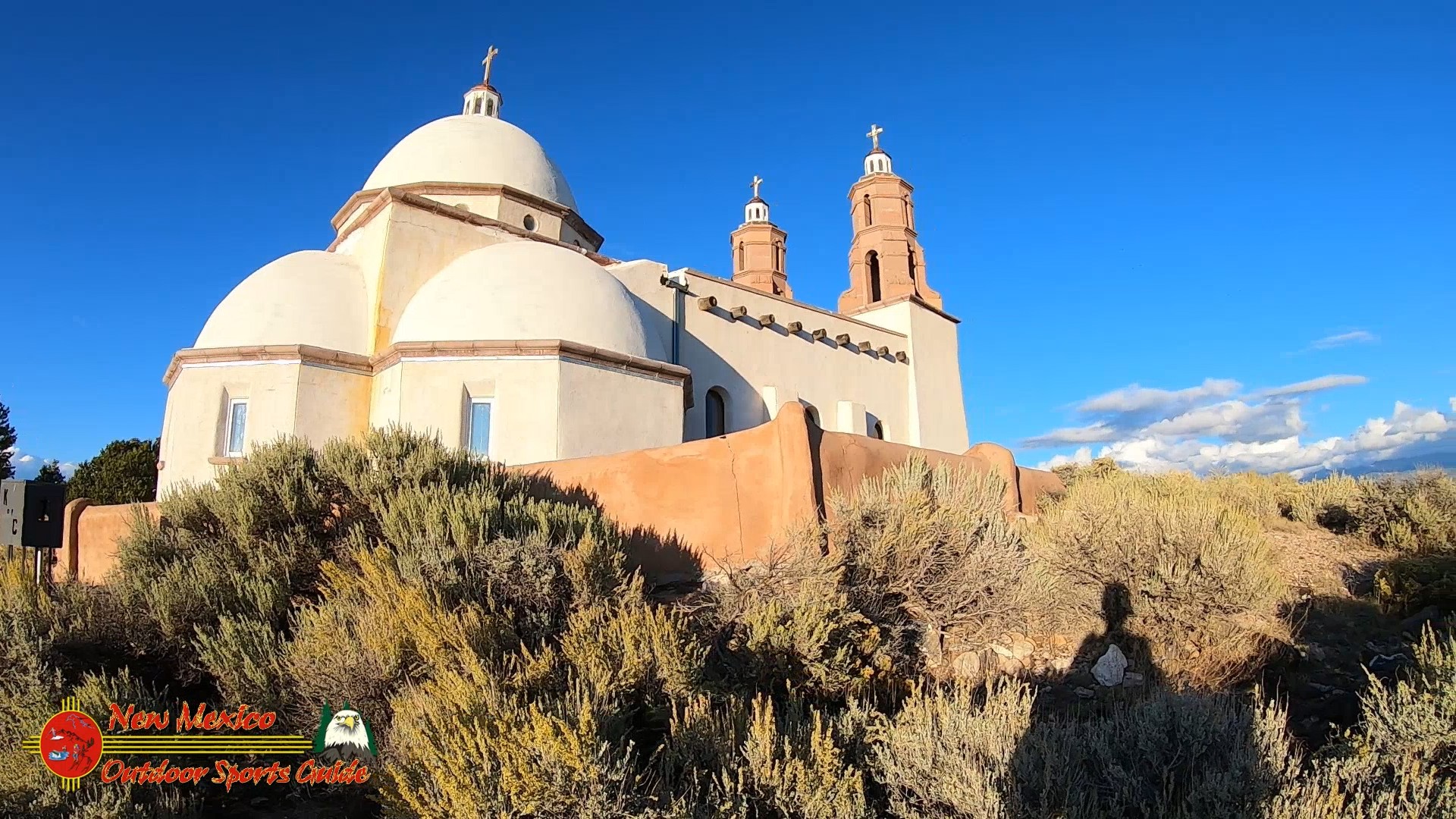
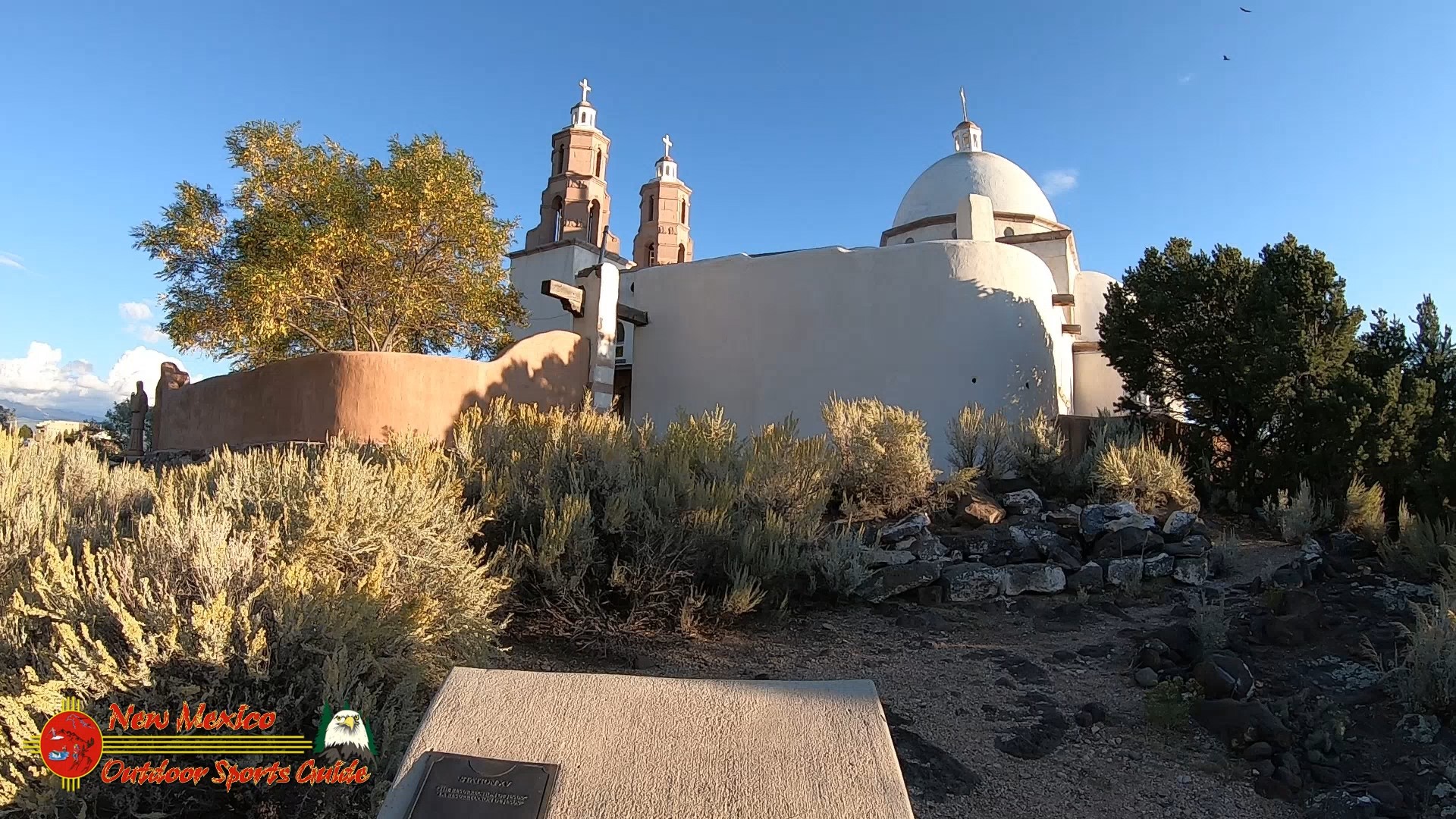
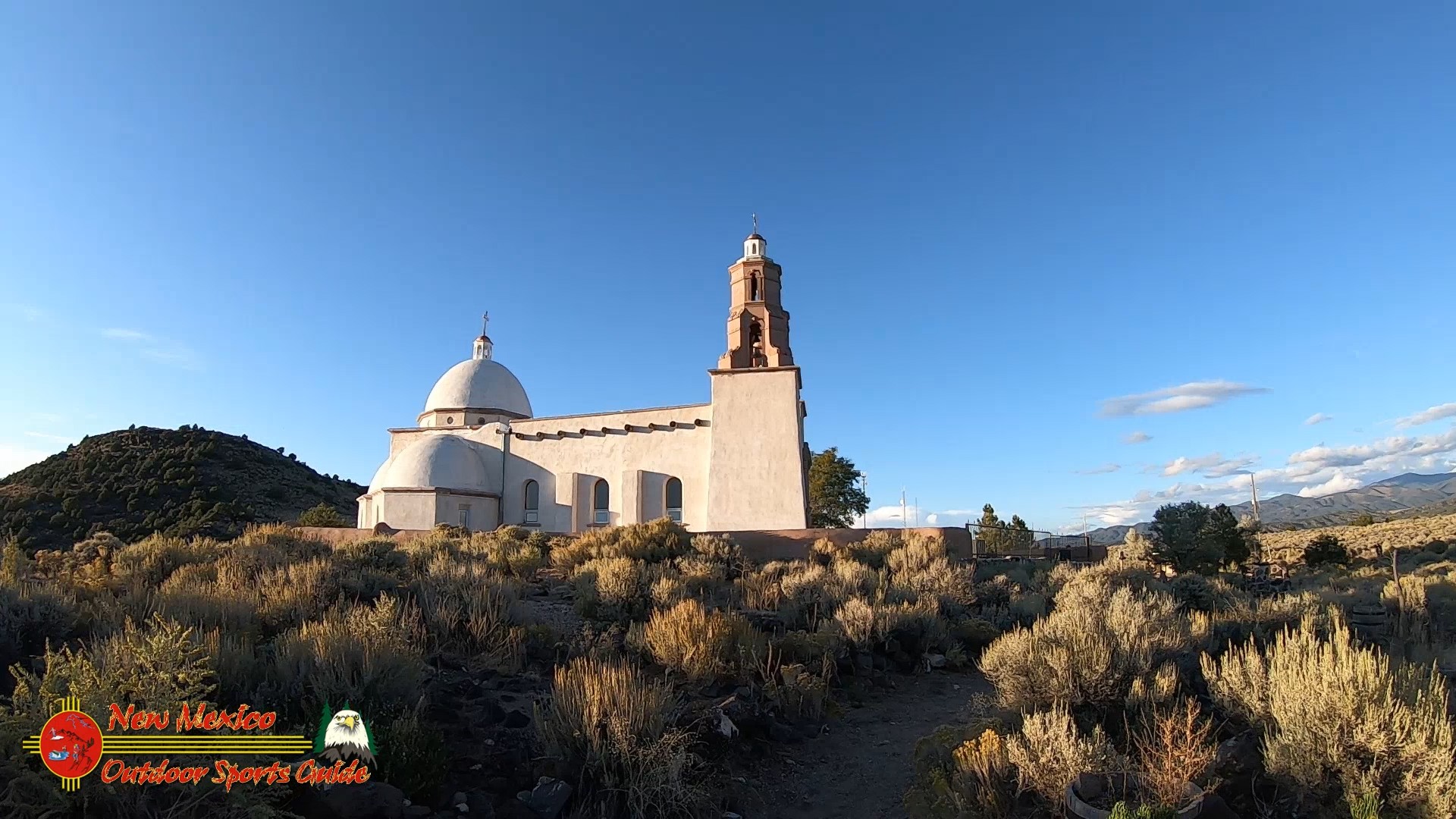
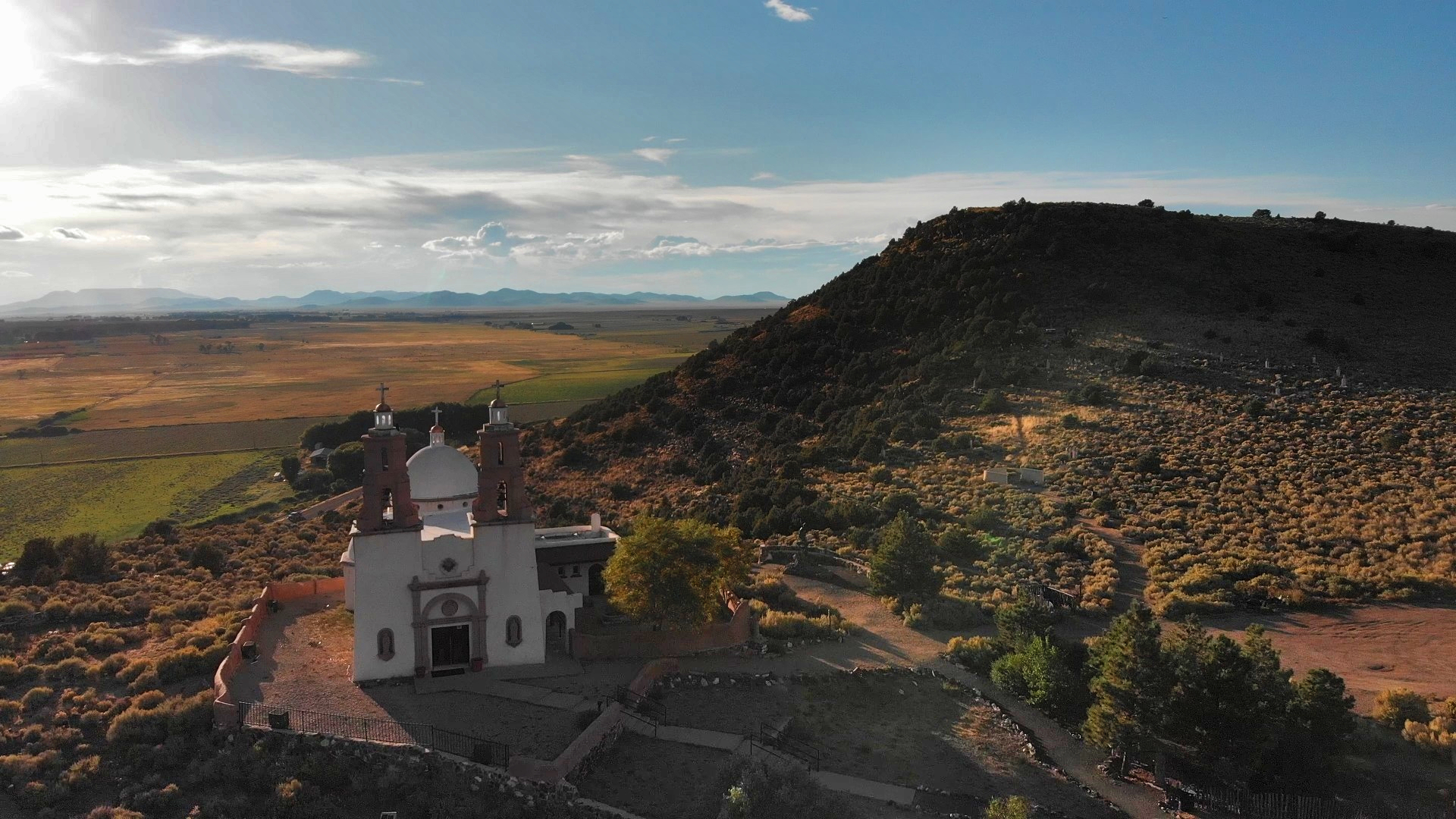
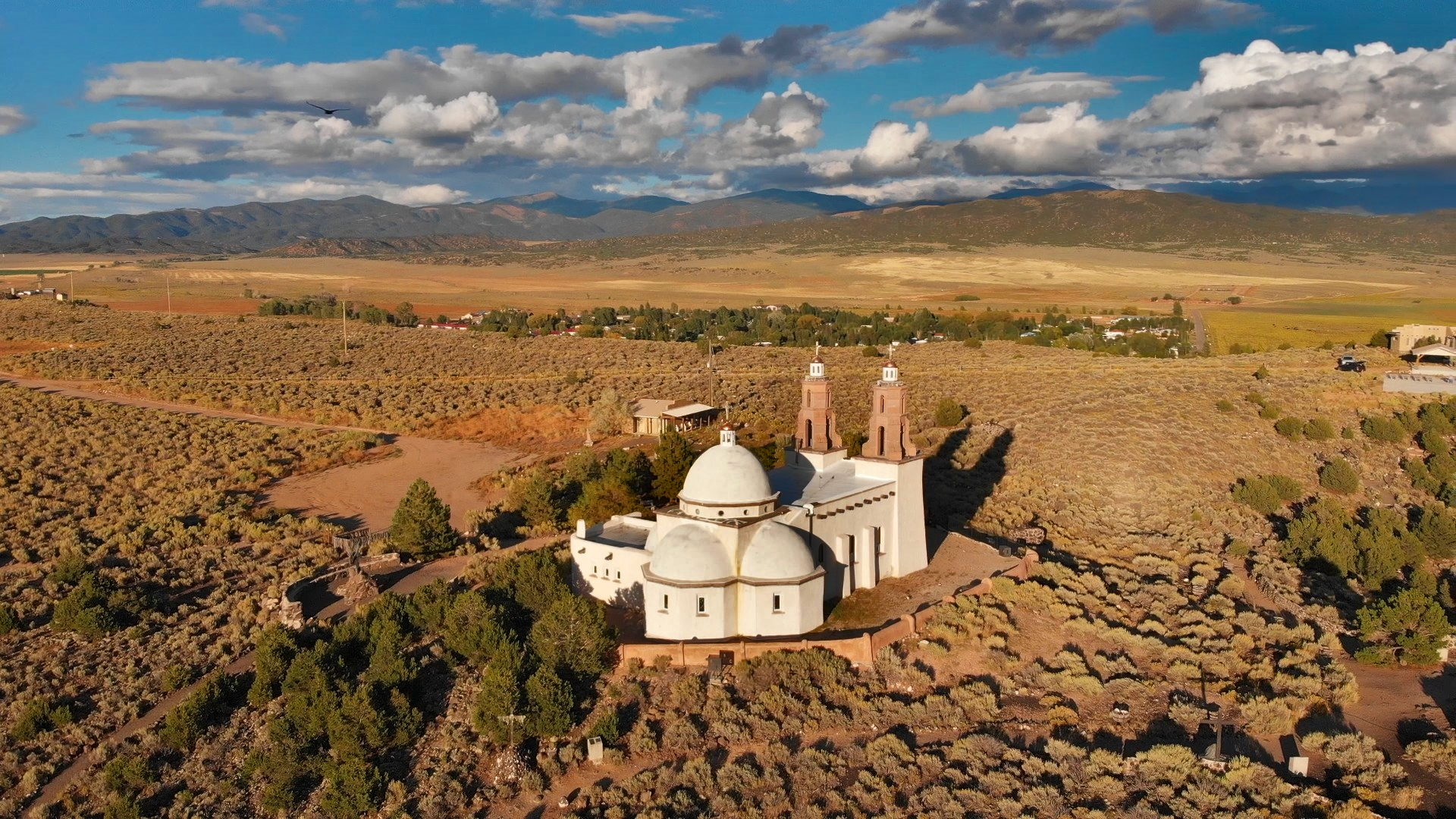
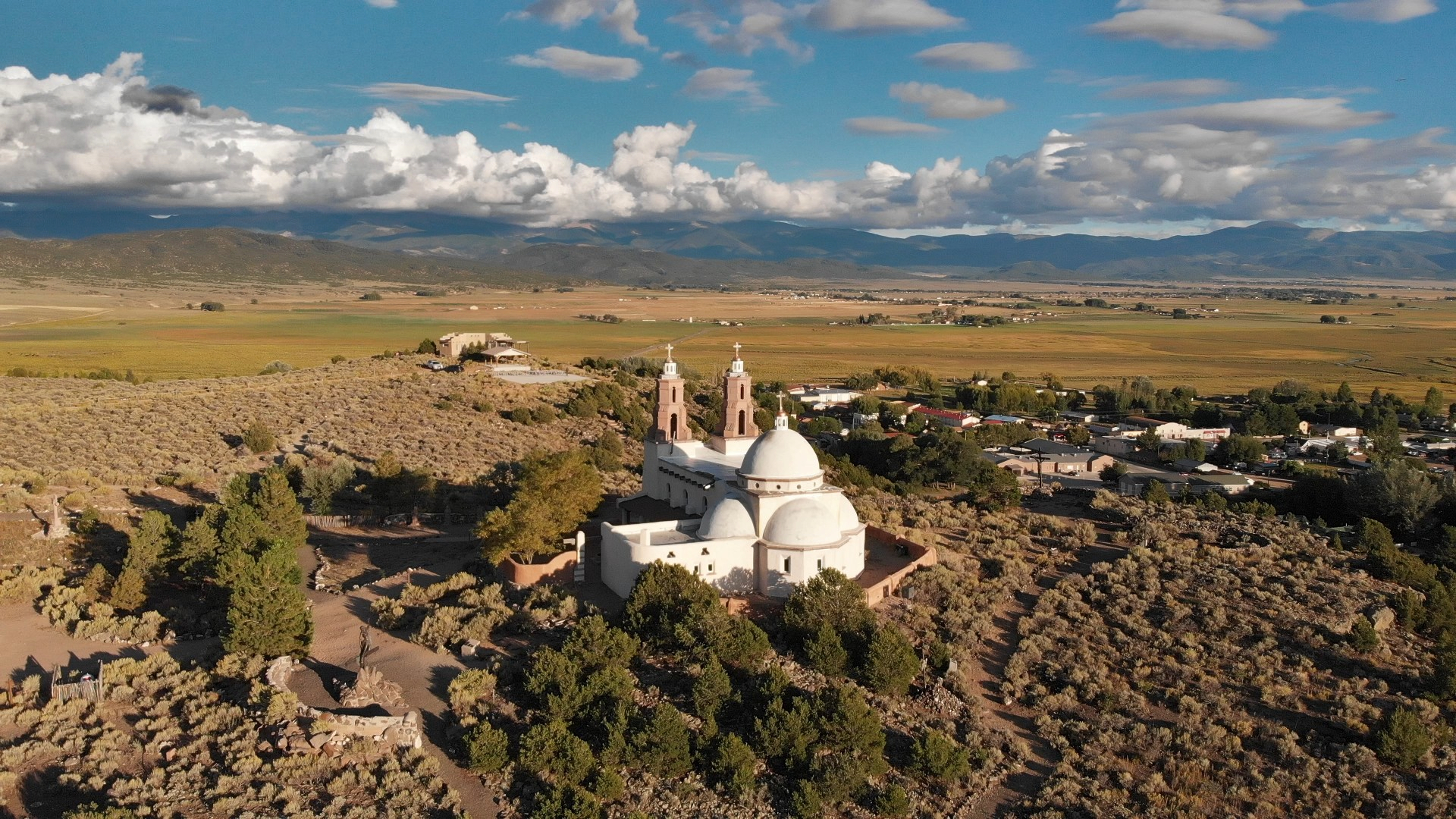
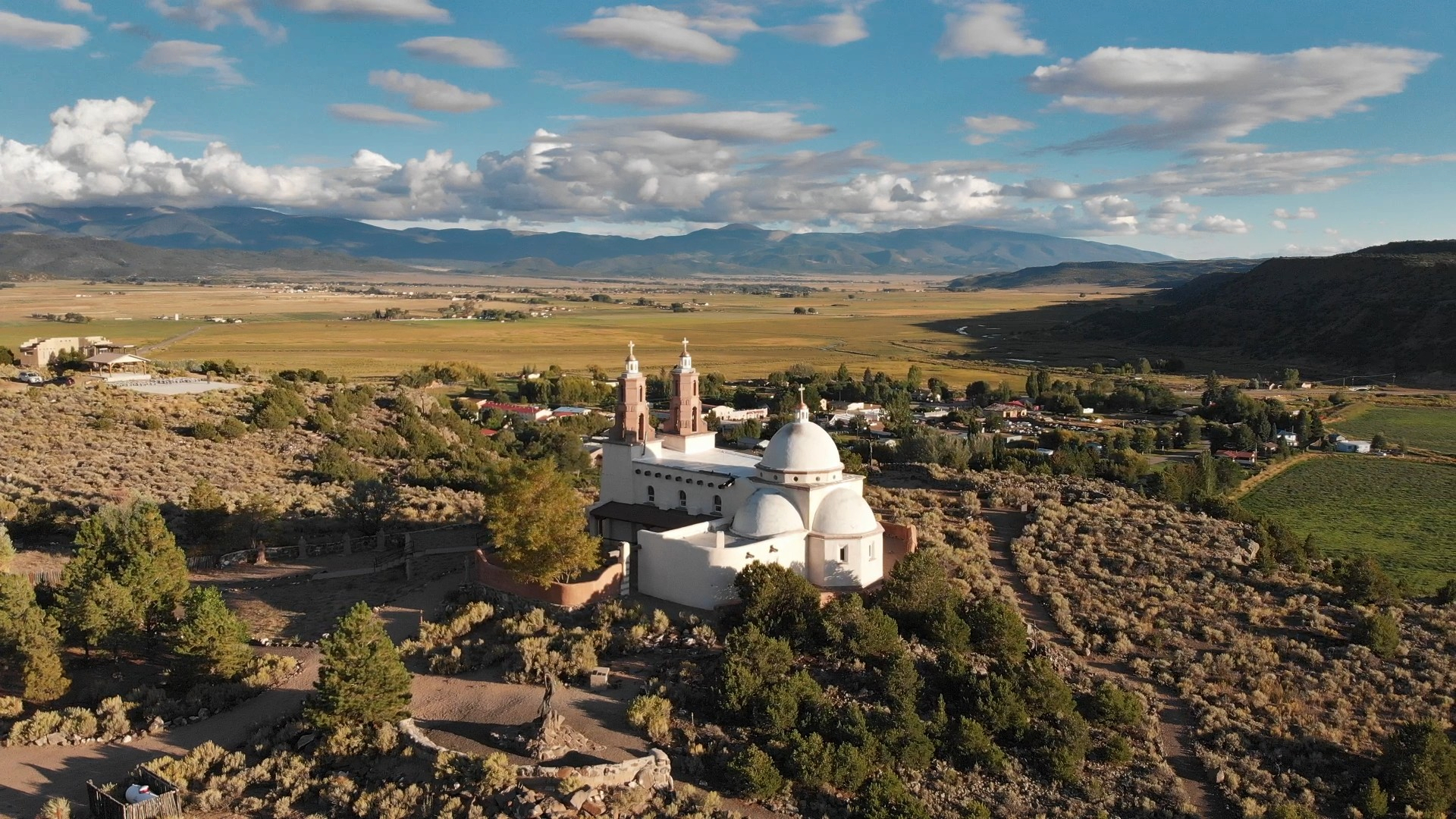
Watching that old video, I remembered how we'd approached the Stations of the Cross Shrine – or "La Mesa de la Piedad" as the locals call it – on that crisp May morning eight years ago. The shrine sits on a mesa overlooking the town, a natural amphitheater created by wind and time, where faith and landscape merge into something that transcends both. As someone who spent his boyhood exploring every creek bed and hilltop on our Kansas ranch, I've always been drawn to places where the sacred and the natural world intersect. This shrine, perched on its high plateau with the snowcapped Culebra Peak gleaming in the distance, embodied that intersection perfectly.
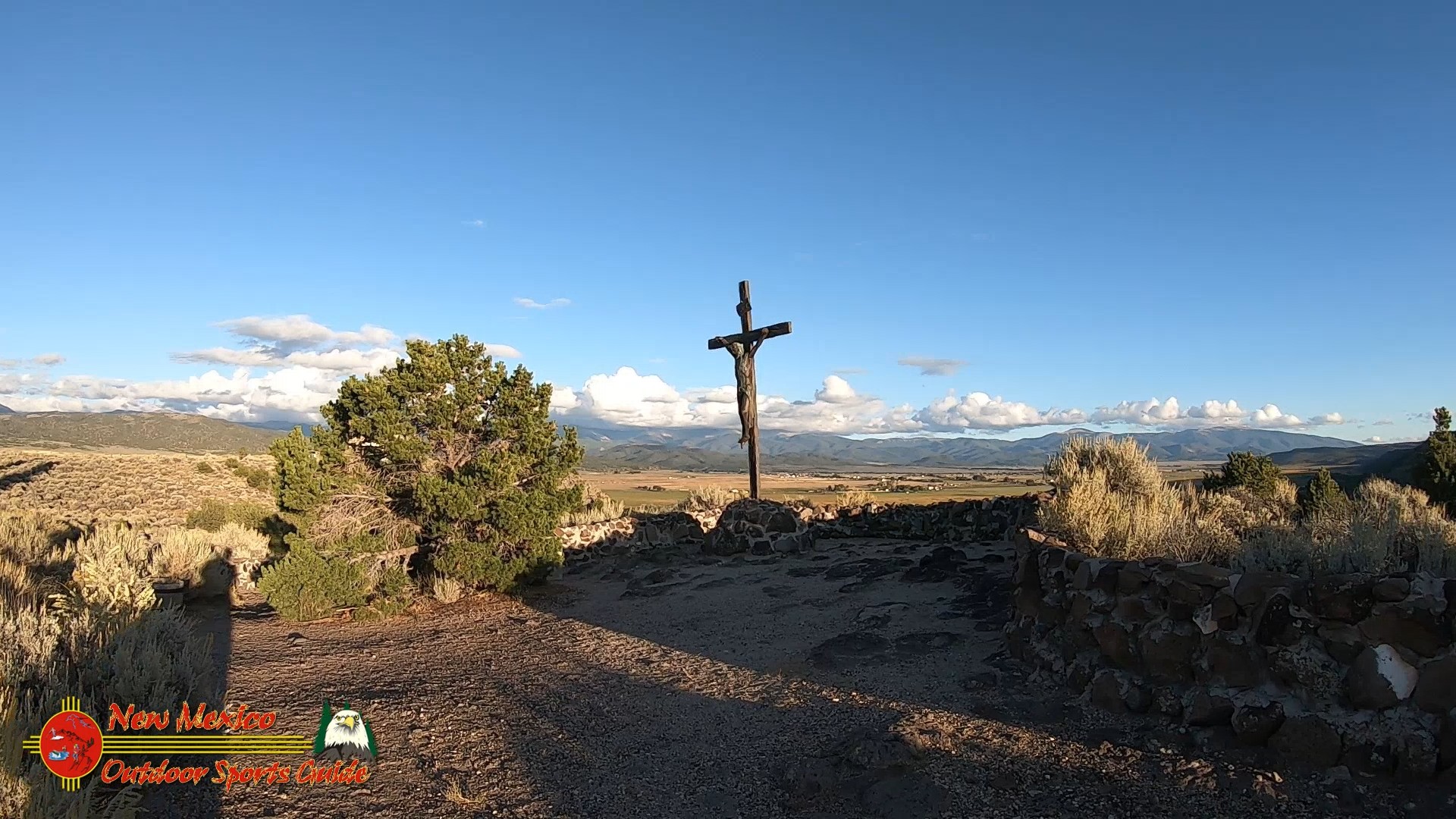
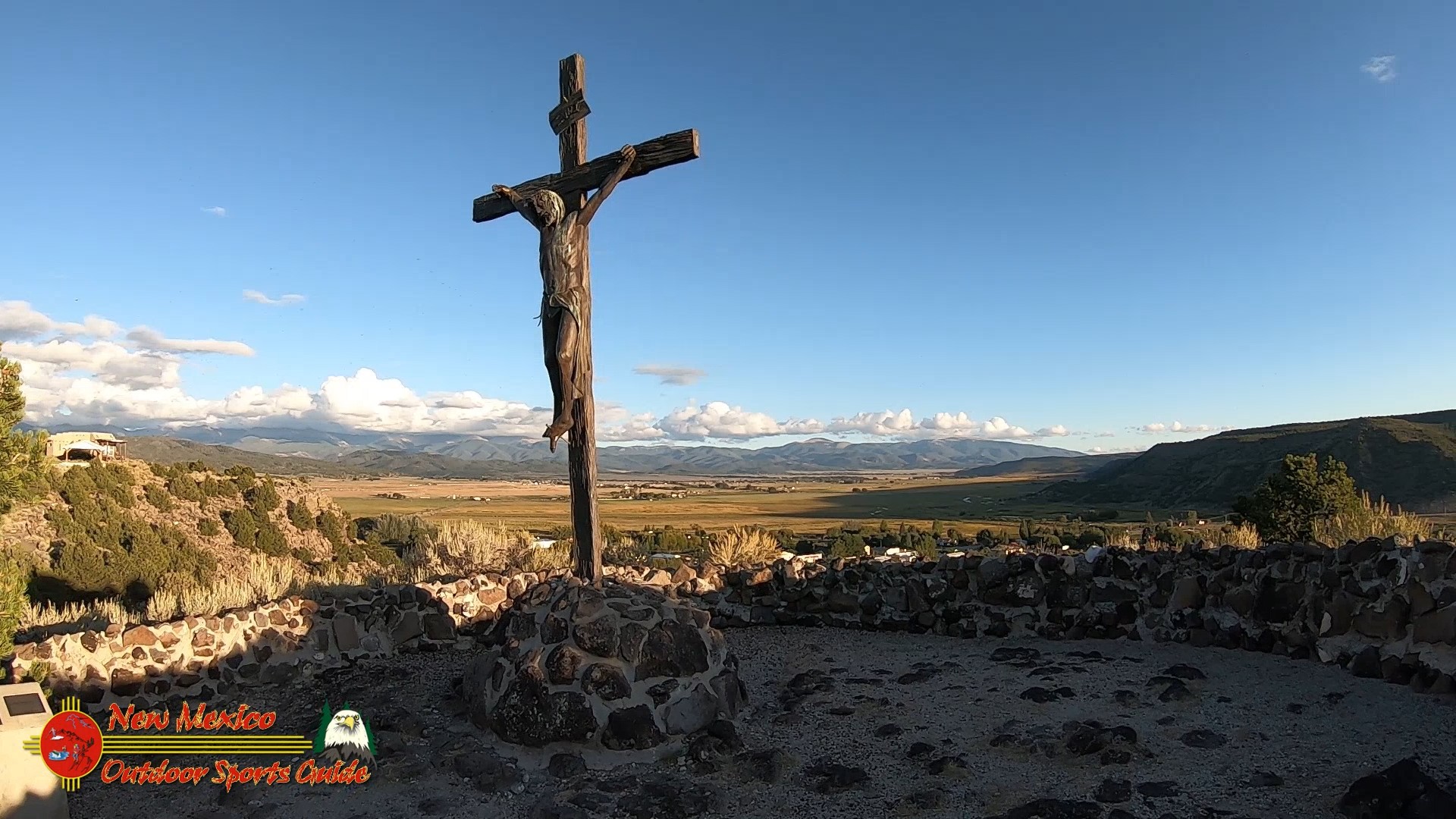
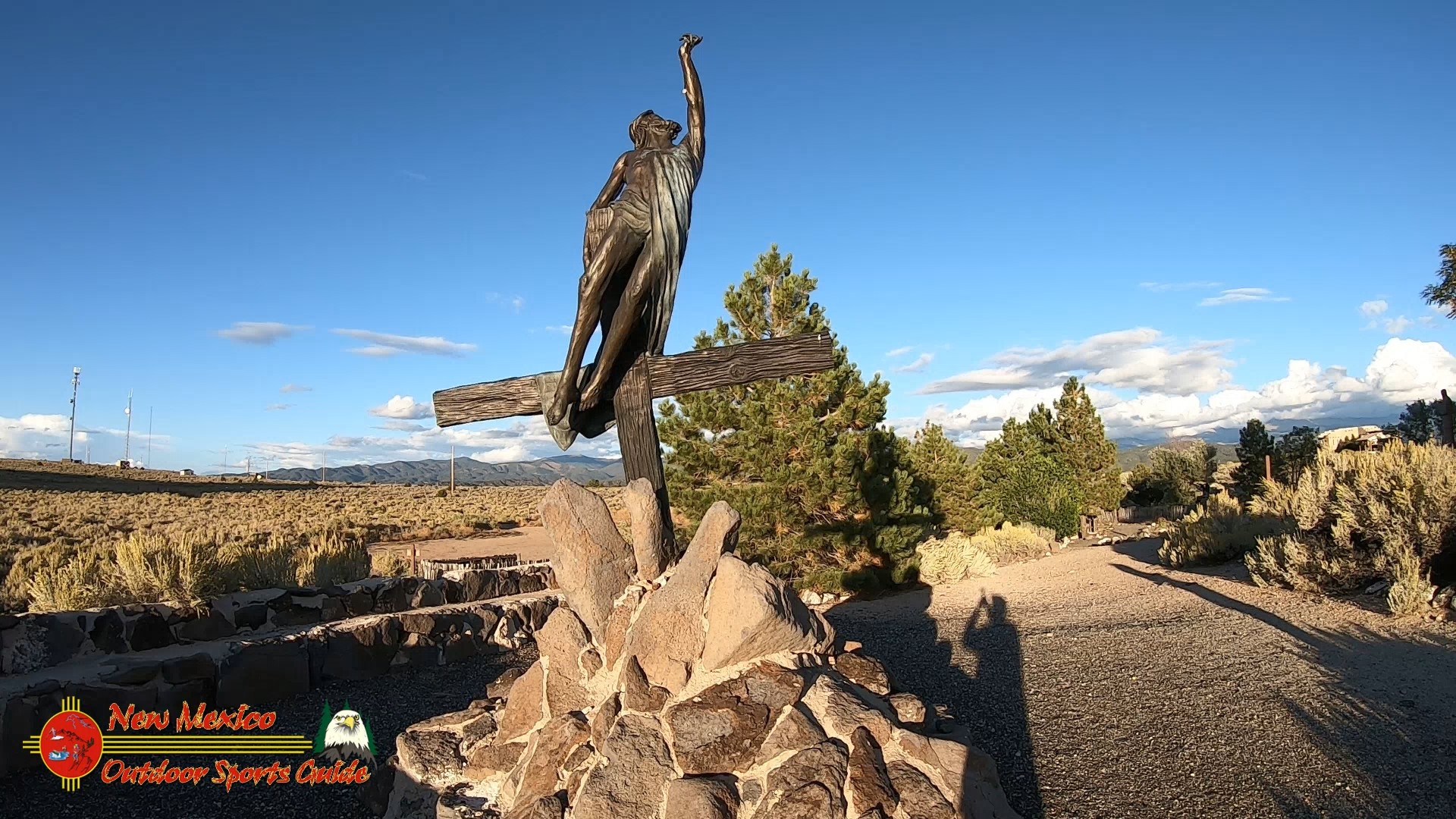
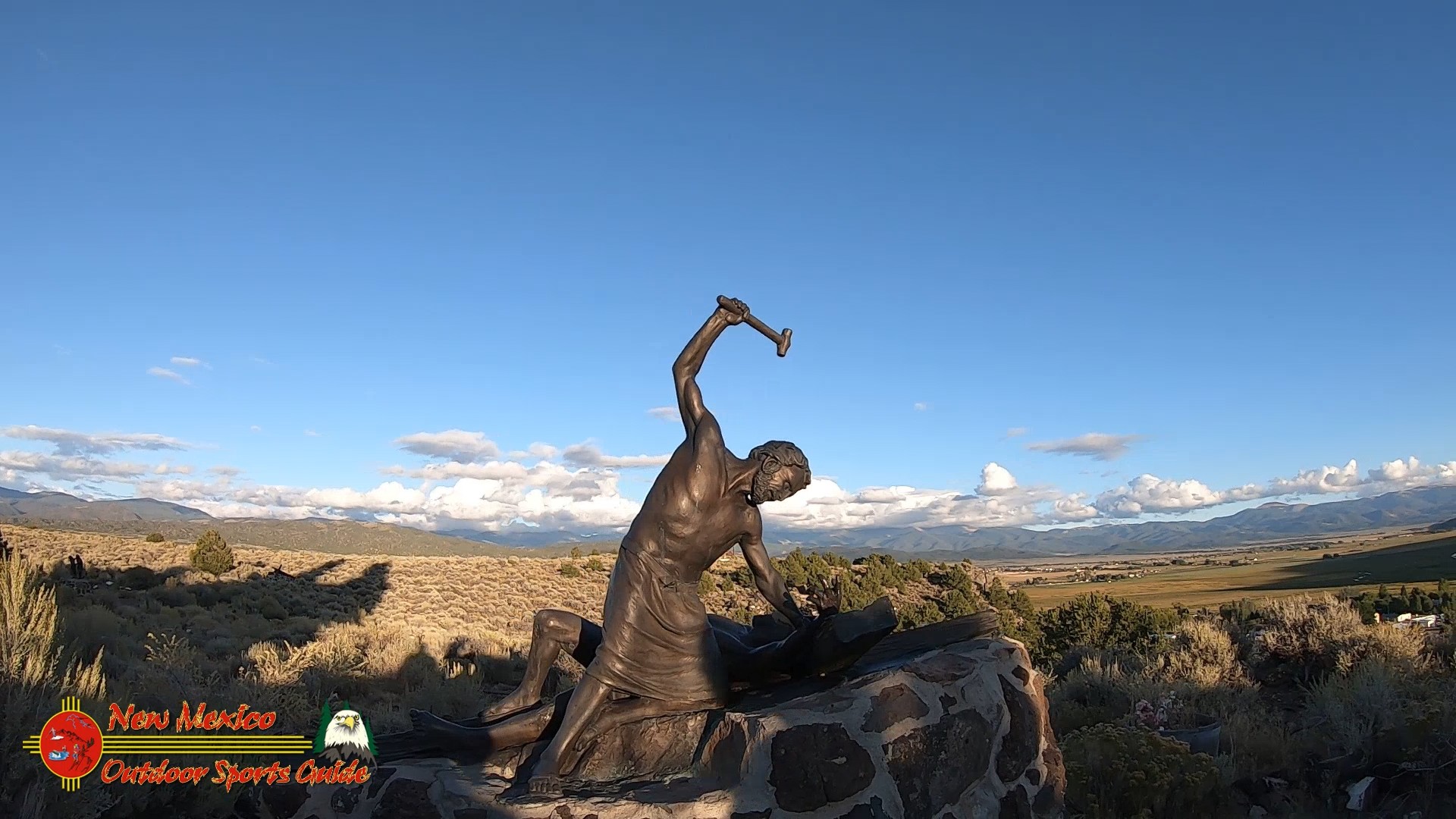
The Stations of the Cross Shrine in San Luis is no ordinary religious site. Created through the vision and determination of local sculptor Huberto Maestas, this outdoor pilgrimage route features life-sized bronze sculptures that tell the story of Christ's final hours. What makes this shrine extraordinary isn't just the artistry – though Maestas's work is genuinely moving – but the way it's been integrated into the high desert landscape. Each station stands like a meditation point against the vast backdrop of the San Luis Valley, where pilgrims can contemplate both spiritual and natural mysteries under the endless Colorado sky.
As I watched our younger selves in that 2016 video, I could almost feel again the wind that perpetually sweeps across the mesa, carrying with it the scents of sage and pinon pine. Paulette and I had climbed the winding path slowly, not just because of the altitude – though at our age, every thousand feet of elevation makes itself known – but because each station demanded pause, reflection, and yes, for this old photographer, the perfect shot.
My passion for outdoor photography and videography has taken us to countless remarkable places throughout the American Southwest, from the slot canyons of Utah to the saguaro forests of Arizona, the wild Rio Negro in the Amazon and Glaciers and rain forests of Alaska. But there's something about capturing sacred spaces that requires a different approach, a more reverent eye. The Stations of the Cross Shrine challenged me to document not just the physical beauty of the sculptures and their setting, but to somehow convey the spiritual weight of the place. Through my lens, I tried to capture how the morning light played across Maestas's bronze figures, how the shadows of the sculptures seemed to dance with the shadows of the surrounding mountains, how the vastness of the valley below made each human figure both insignificant and profoundly important.
The technical aspects of outdoor photography at 8,000 feet present their own challenges. The high altitude means dealing with intense UV radiation, sudden weather changes, and atmospheric conditions that can turn crystal-clear mountain air into a photographer's nightmare in minutes. But it also offers rewards that lowland photography simply can't match. The quality of light at that elevation, especially during the golden hours just after sunrise and before sunset, has a clarity and intensity that seems to illuminate subjects from within. Our 2024 Subaru Outback, with its higher clearance and all-wheel drive, has made accessing these remote high-altitude locations, though back in 2016, we somehow managed just fine with what we had.
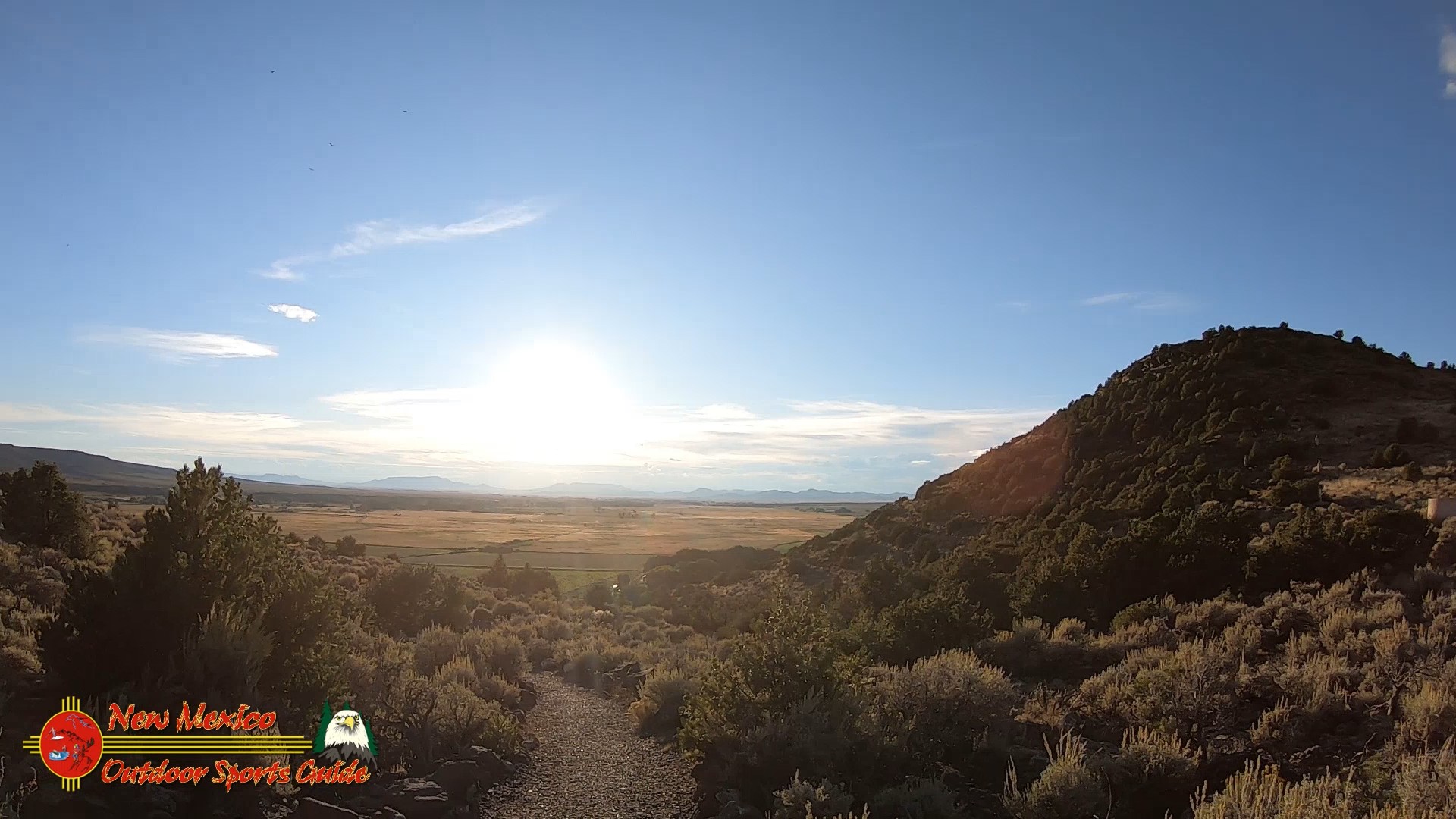
The Rio Costilla, which flows through the valley below the shrine, adds another layer to the area's natural beauty. This river, whose name means "little rib" in Spanish, originates high in the Sangre de Cristo Mountains and eventually joins the Rio Grande as it makes its ancient journey toward the Gulf of Mexico. From the mesa where the Stations of the Cross Shrine stands, you can see the green ribbon of the Rio Costilla's riparian zone cutting through the golden grasslands, a reminder that even in this high desert, water finds its way and life follows.
The nearby Rio Grande River, that great artery of the American Southwest, has been a constant companion in our New Mexico adventures. From our Santa Fe base, we've followed its course through white-water canyons and peaceful agricultural valleys, but seeing it from the elevated perspective of the shrine adds a different dimension. The Rio Grande in the San Luis Valley is a gentler version of itself, spreading wide across the valley floor, creating wetlands that attract migrating birds and support the agricultural communities that have thrived here for generations.
Standing on that mesa in 2016, with my camera capturing the interplay of sacred art and natural landscape, I was struck by how this shrine represents the best of human response to place. Rather than imposing itself upon the landscape, the Stations of the Cross Shrine seems to emerge from it, as if the mesa had always been waiting for someone to recognize its potential as a place of pilgrimage. The bronze sculptures, weathered by years of high-altitude sun and wind, have taken on the patina of the desert itself.
Each station tells its part of the Passion story, but together they create something larger – a meditation on suffering, endurance, and redemption that resonates beyond any single faith tradition. As someone who's spent a lifetime watching the cycles of drought and plenty on the Great Plains, who's seen how the land tests those who try to make their living from it, I found profound meaning in the way these sculptures seemed to embody the human struggle against and within the natural world.
The videography challenges at the Stations of the Cross Shrine were as compelling as the photographic ones. How do you capture the sense of pilgrimage, the gradual unfolding of the narrative, the way each station builds upon the previous one? In that old 2016 video I was watching, I could see my attempts to use the mountain backdrop as a visual anchor, panning from the intimate details of each sculpture to the vast landscape beyond, trying to convey the sense of scale that makes this place so powerful.
The Sangre de Cristo Mountains, with Culebra Peak rising to over 14,000 feet, provide a backdrop that changes throughout the day as light and shadow play across their slopes. In early morning, they often appear deep purple against the pale sky, their Spanish name – "Blood of Christ" – taking on literal meaning as the first light turns their snow-covered peaks pink and gold. By afternoon, they become a wall of blue-gray shadow, and by evening, they're silhouetted against skies that can range from gentle pastels to the kind of dramatic sunsets that make you understand why Georgia O'Keeffe fell in love with New Mexico light.
The San Luis Valley itself deserves recognition as one of the American West's most remarkable landscapes. This high-altitude basin, roughly the size of Connecticut, sits at an average elevation of 7,500 feet, making it one of the world's largest high-altitude valleys. The valley floor is a patchwork of agricultural fields, wetlands, and native grasslands, all surrounded by mountain ranges that rise to over 14,000 feet. From the vantage point of the Stations of the Cross Shrine, you can see across this entire expanse, a view that puts human endeavors into cosmic perspective.
Our Casa Santa Fe, where we now spend our summers, serves as the perfect base for exploring places like the Stations of the Cross Shrine. The drive from Santa Fe to San Luis takes us through some of the most spectacular high desert country in North America, past ancient volcanic formations, through river valleys that have been carved by millennia of water and wind, and up onto mesas that offer views that stretch to multiple horizons. Our 2024 Subaru Outback handles these mountain roads with the confidence that comes from good engineering and all-wheel drive, making even remote destinations accessible for a couple of octogenarians who refuse to let age limit our sense of adventure.
The spiritual dimension of the Stations of the Cross Shrine extends beyond its obvious religious significance. There's something about being at 8,000 feet elevation, surrounded by mountains and desert, confronted with art that speaks to universal human experiences, that opens doorways in the mind and heart. Even for someone like me, raised in the practical Catholic tradition of Kansas farming communities, the shrine's power is undeniable. It's a place where the physical act of pilgrimage – the slow climb up the mesa, the pause at each station, the gradual unfolding of the narrative – creates space for whatever form of contemplation or prayer feels appropriate.
The craftsmanship of Huberto Maestas's sculptures deserves special recognition. Working in bronze, a medium that can withstand the extreme temperature variations and intense UV radiation of high-altitude Colorado, Maestas created figures that are both artistically sophisticated and emotionally accessible. Each sculpture captures a moment in the Passion narrative with remarkable attention to detail and emotional resonance. The faces of his figures – Christ, Mary, the Roman soldiers, the mourning women – speak across centuries and cultures to anyone who has experienced loss, suffering, or the search for meaning in difficult circumstances.
From a photographer's perspective, bronze sculptures in high-altitude desert present both opportunities and challenges. The metal's surface reflects and absorbs light in ways that can either enhance or flatten the emotional impact of the work. Early morning and late afternoon light bring out the textures and details that Maestas carved into his figures, while midday sun can create harsh shadows that obscure the subtle expressions that make his work so powerful. Learning to read these light conditions, to anticipate how the mountain atmosphere will affect exposure and color balance, is part of the ongoing education that outdoor photography provides.
The shrine's integration with its natural setting also creates compelling compositions for both photography and videography. The bronze figures stand against backdrops that can include everything from intimate details of high desert vegetation to panoramic views of the San Luis Valley and the surrounding mountain ranges. This range of scale, from the human-sized sculptures to the continental-scale landscape, provides endless opportunities for visual storytelling.
Wildlife photography around the Stations of the Cross Shrine offers its own rewards. The high desert ecosystem of south-central Colorado supports a remarkable diversity of species, from the ravens and red-tailed hawks that patrol the mesa to the elk and deer that sometimes venture close to the shrine in early morning or late evening. Prairie dogs have established colonies in the grasslands below the mesa, their warning calls adding to the soundtrack of this high country. Occasionally, we've spotted coyotes moving through the sagebrush, and there are reports of black bears and even mountain lions in the area, though we've never been fortunate enough to photograph these more elusive residents.
The changing seasons add another dimension to the Stations of the Cross Shrine's appeal. Our 2016 visit was in late spring, when the high country was just beginning to green up after the long winter. The aspens in the surrounding mountains were still bare, but the grasslands were showing the first flush of new growth. Summer brings wildflowers to the mesa – Indian paintbrush, lupines, and dozens of other species that transform the high desert into a tapestry of color. Fall is perhaps the most spectacular season, when the aspens turn gold and the light takes on that crystalline quality that photographers dream about. Winter, while harsh at this elevation, creates its own beauty, with the sculptures standing like sentinels in a landscape of snow and wind-sculpted drifts.
The town of San Luis itself deserves exploration by anyone visiting the Stations of the Cross Shrine. The community has worked hard to preserve its cultural heritage, with adobe buildings, traditional crafts, and a museum that tells the story of the Hispanic settlement of the San Luis Valley. The people we've met there over the years embody the kind of quiet dignity and connection to place that becomes rarer in our increasingly mobile society. They understand that they're custodians not just of buildings and artifacts, but of a way of life that has deep roots in this particular landscape.
The Rio Costilla, which we often stop to photograph on our visits to the area, represents the kind of small western river that's easy to overlook but essential to understand if you want to grasp how life persists in high desert country. Unlike the dramatic whitewater rivers that get most of the attention in Colorado tourism, the Rio Costilla is a gentle presence, meandering through meadows and agricultural fields, supporting cottonwood galleries and providing habitat for trout, beavers, and the countless smaller creatures that form the foundation of riparian ecosystems.
Our outdoor videography at the shrine has evolved over the years as technology has improved and our understanding of the place has deepened. The challenge is always to capture not just the visual beauty of the location, but something of its spiritual resonance. This means paying attention to sound – the wind across the mesa, the distant calls of hawks, the subtle sounds of human movement through this sacred space. It means being patient with light, waiting for those moments when the sun breaks through clouds to illuminate a particular sculpture or when the shadows fall in ways that enhance rather than obscure the emotional content of the scene.
The drive home from San Luis to Santa Fe takes us through some of the most spectacular high desert country in North America. Our route usually follows US Highway 160 east to US Highway 285 south, a journey that crosses several distinct ecological zones and offers constantly changing views of the Sangre de Cristo Mountains. Our 2024 Subaru Outback makes this drive a pleasure rather than an endurance test, with comfortable seats for aging backs and all-wheel drive that gives us confidence on mountain roads that can turn treacherous without warning.
As I finish watching that 2016 video, the late evening light is fading outside our Santa Fe windows, and Paulette has dozed off in her reading chair, her mystery novel open on her lap. The footage ends with a long shot of the Stations of the Cross Shrine silhouetted against the evening sky, the bronze sculptures standing like eternal sentinels on their high mesa, the lights of San Luis beginning to twinkle in the valley below.
The Stations of the Cross Shrine in San Luis, Colorado, represents something precious in our increasingly secular and disconnected world – a place where art, faith, and landscape come together to create space for contemplation and renewal. Whether you approach it as a religious pilgrimage, an artistic experience, or simply as one of the American Southwest's most remarkable outdoor sites, the shrine offers something that our hurried, digital age desperately needs: an invitation to slow down, to pause, to consider the deeper questions that give life meaning.
For Paulette and me, now in our seventies and eighties and treasuring each opportunity to explore the places we love, the Stations of the Cross Shrine stands as a reminder that the most powerful human responses to landscape are often the simplest ones – the recognition that certain places call us to something beyond ourselves, the understanding that art and nature can work together to create experiences that nourish the spirit as well as the eye, and the faith that even in our fragmented time, there are still places where the sacred and the everyday intersect in ways that restore hope and wonder.
The shrine continues to draw pilgrims from around the world, but it remains rooted in the particular landscape and culture of the San Luis Valley. It's a place that rewards multiple visits, changing with the seasons and the light, revealing new aspects of its beauty and meaning each time you climb that winding path to the mesa top. For anyone planning to explore the high country of south-central Colorado, the Stations of the Cross Shrine in San Luis deserves a place at the top of your list – a destination that will challenge your photography skills, reward your sense of adventure, and perhaps, if you're open to it, touch something deeper than either art or landscape alone can reach.

0 Comments