
East Inlet Trail Hike to Adams Falls and the Drive on Trail Ridge Road
When Weather Dictates Wisdom in the High Country
The rich aroma of morning coffee filled our cabin as I sat gazing across Shadow Mountain Lake, my laptop open to the weather forecast. What I saw there made me pause – that familiar knot of concern that comes from decades of experience in wild country. An approaching storm system was sweeping in from the west, promising afternoon snow accumulation at higher elevations throughout the Rocky Mountain National Park region.
My finger hovered over the mouse as I studied the radar patterns, but my mind was somewhere else entirely – back in February 1978, near Payson, Arizona. That's where my father, after enjoying his morning breakfast at his retirement cabin below the Mogollon Rim, decided to drive his Jeep Cherokee up to an overlook. A severe snowstorm caught him off guard. He never made it back. They found him later, having attempted to walk to safety through conditions that proved too much even for a man accustomed to hardship.
I've carried that lesson with me for over four decades now. The mountains don't care about your plans, your experience, or your determination. They set their own terms, and wisdom means knowing when to adapt.
So our primary objective – reaching the actual Colorado River headwaters – would have to wait. But any day in the high country of Colorado is a gift, and I'd learned long ago that flexibility often leads to the best adventures. I pulled up my trail maps and began looking for a backup plan that would keep us safe while still offering that communion with wild places that draws me back to these mountains year after year.
Finding Plan B: East Inlet Trail and the Promise of Moose
A secondary objective had been percolating in the back of my mind since we'd arrived in Grand Lake – moose photography. These magnificent animals, reintroduced to Colorado in the 1970s, have found ideal habitat in the willow-choked valleys and marshy meadows around Rocky Mountain National Park. The East Inlet Trail, departing from just outside Grand Lake, looked promising on the map. The trail follows East Inlet Creek through exactly the kind of terrain moose favor – wetlands surrounded by protective forest, with the creek providing both food and water.
The revised plan took shape: we'd hike East Inlet Trail in the morning when conditions were most favorable, push up past Adams Falls to explore the marshy valley beyond, then after 2:00 PM make the drive over Trail Ridge Road through Rocky Mountain National Park. On the return trip, we'd scout for moose along the Colorado River corridor above the south entrance to the park, where the river is still young and wild.
At my age – an octogenarian now, though some days I still feel like that Kansas ranch kid running across the Flint Hills – I've learned that the best adventures often come from letting circumstances guide you rather than fighting against them. The mountains will be there tomorrow. Your job is to make sure you're there to see them.
Morning at East Inlet Trailhead
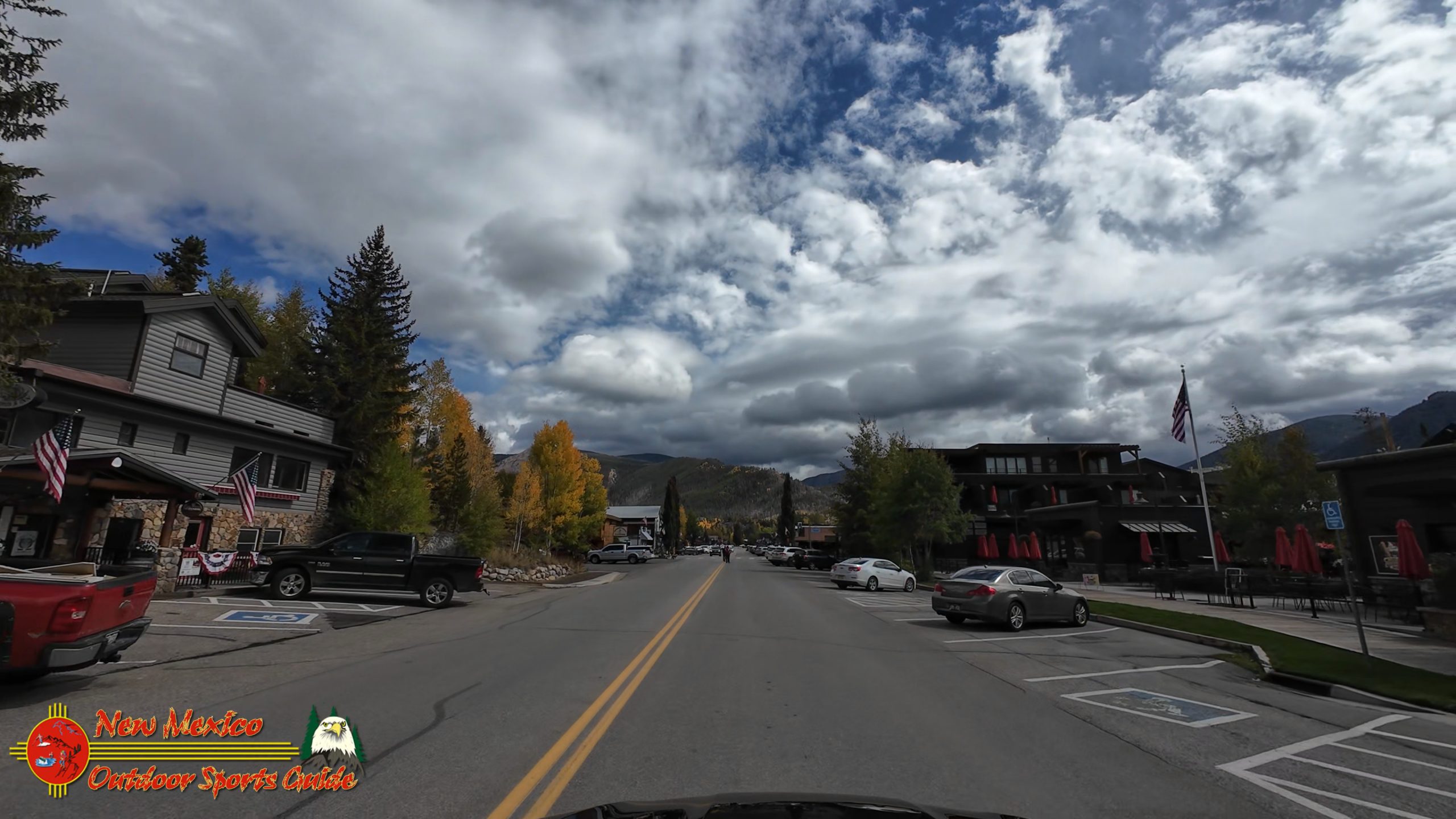
After a hearty breakfast that would fuel us through the morning, Paulette and I loaded our Subaru Outback with camera gear, water, snacks, and the layers of clothing essential for autumn hiking in the Colorado high country. The short drive through Grand Lake took us past the quaint storefronts and lakeside homes that give this mountain village its enduring charm. Grand Lake, Colorado's largest natural lake, stretched out to our right, its surface catching the morning light like hammered silver.
Grand Lake itself sits at 8,369 feet elevation, making it not just Colorado's largest natural lake but also its deepest. The town has served as a gateway to Rocky Mountain National Park's western slope since the early 1900s, and driving through it, you can feel that history in the well-preserved buildings and the unhurried pace of life.
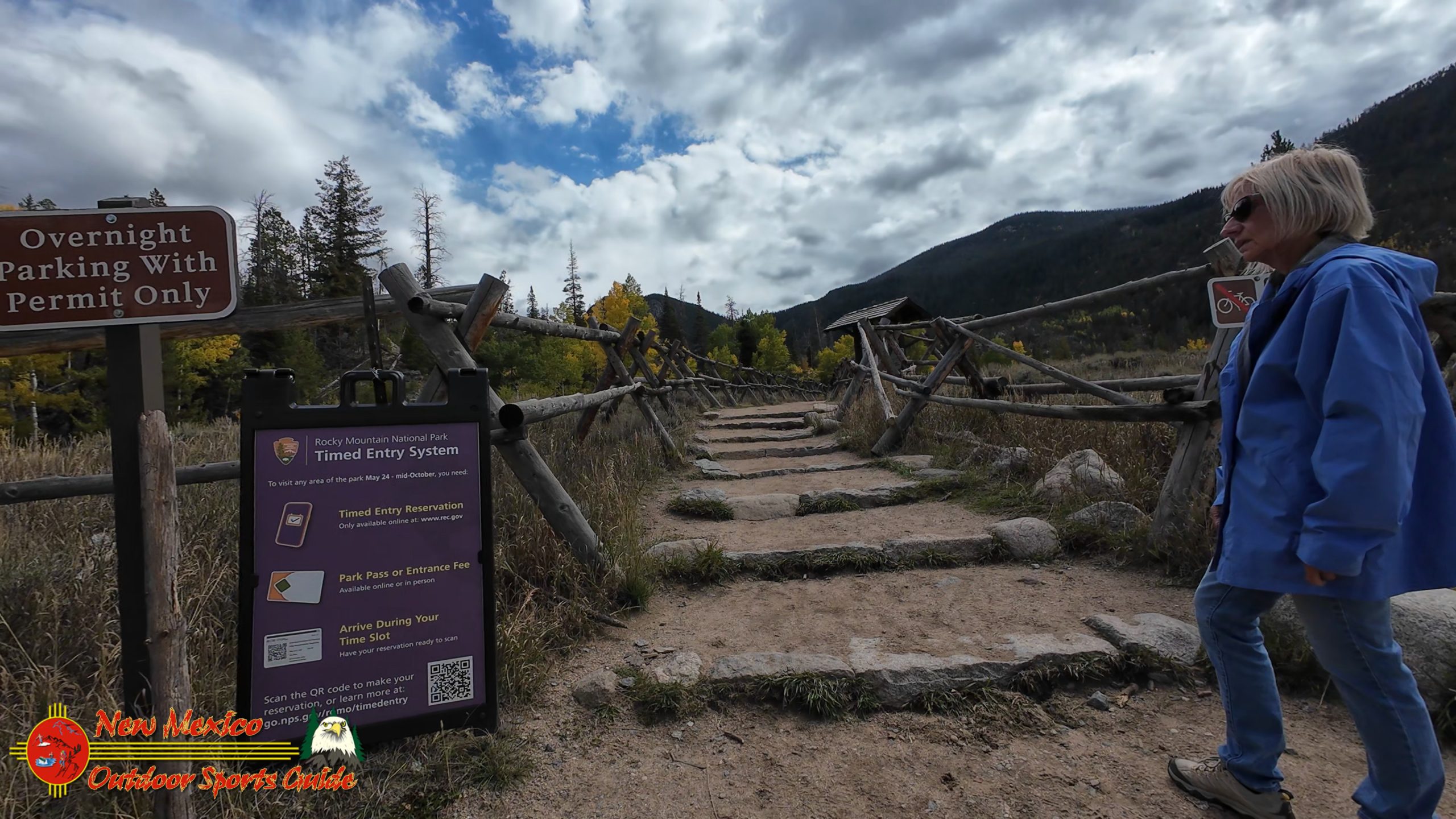
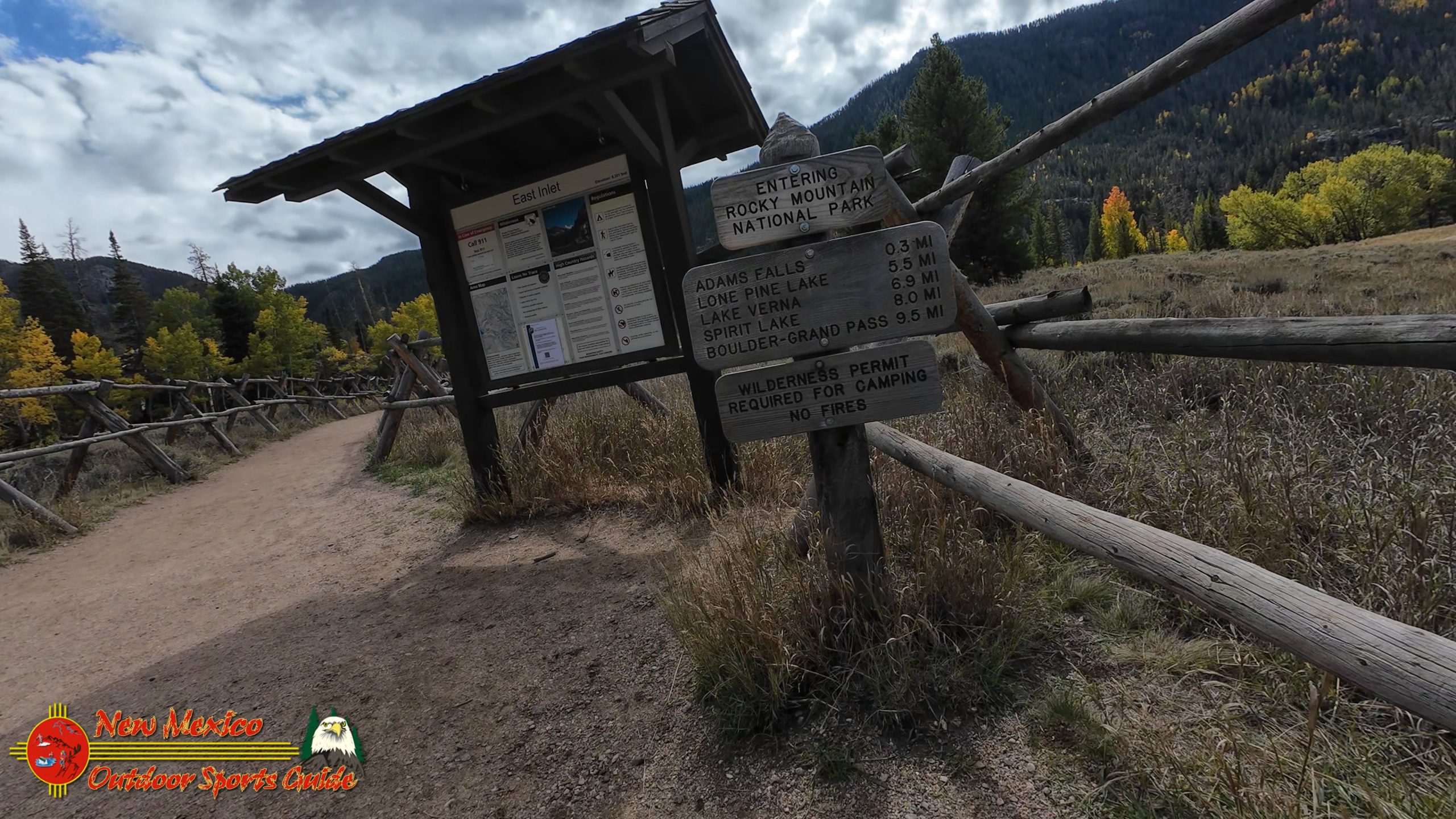
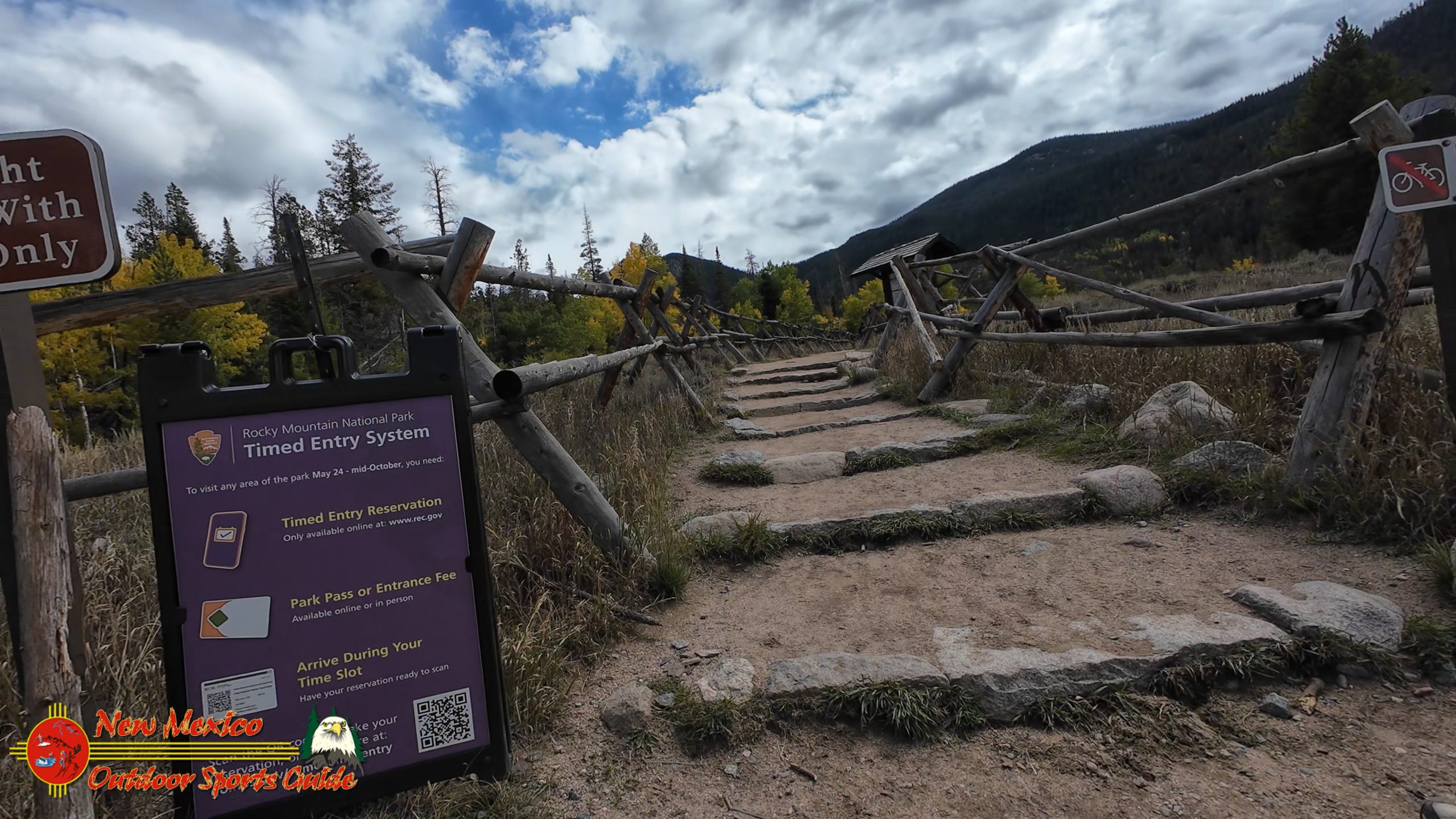
We found the East Inlet Trailhead without difficulty – one of the advantages of modern GPS that still amazes someone who once navigated by sectional charts and dead reckoning in a twin-engine Beechcraft Baron. Despite the ominous afternoon forecast, the morning offered everything you could ask for: bright sunshine, puffy white clouds building slowly against peaks still dusted with last week's snow, and a crisp 50 degrees Fahrenheit that promised to warm as we hiked.
The Hike to Adams Falls
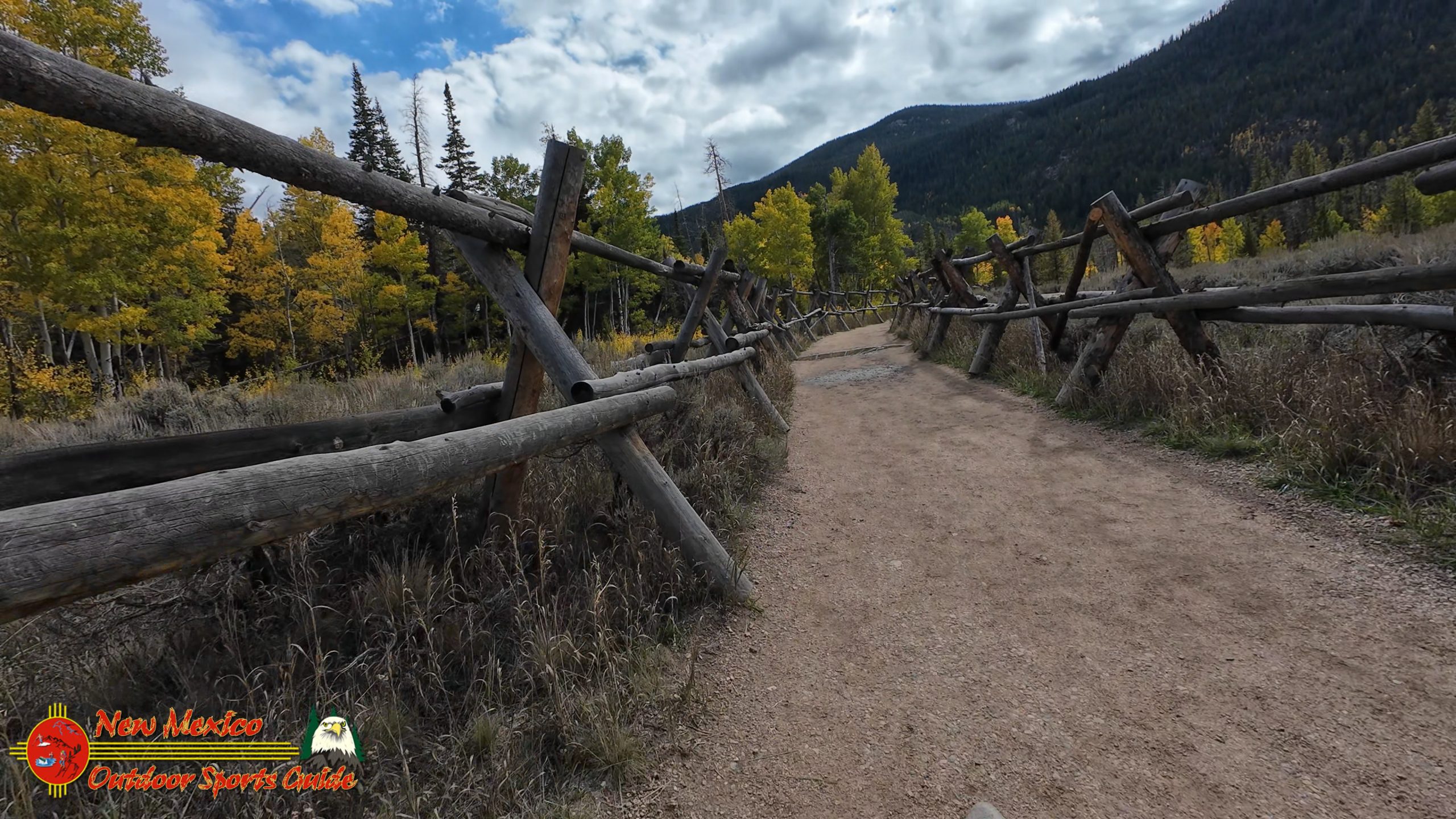
The East Inlet Trail begins modestly, winding through mixed conifer forest where lodgepole pine, Engelmann spruce, and subalpine fir create a fragrant canopy overhead. The trail is well-maintained, which I appreciate more with each passing year. Those days of scrambling up rough scree slopes with casual abandon are behind me now, but good trails let you access country that remains every bit as wild and inspiring.
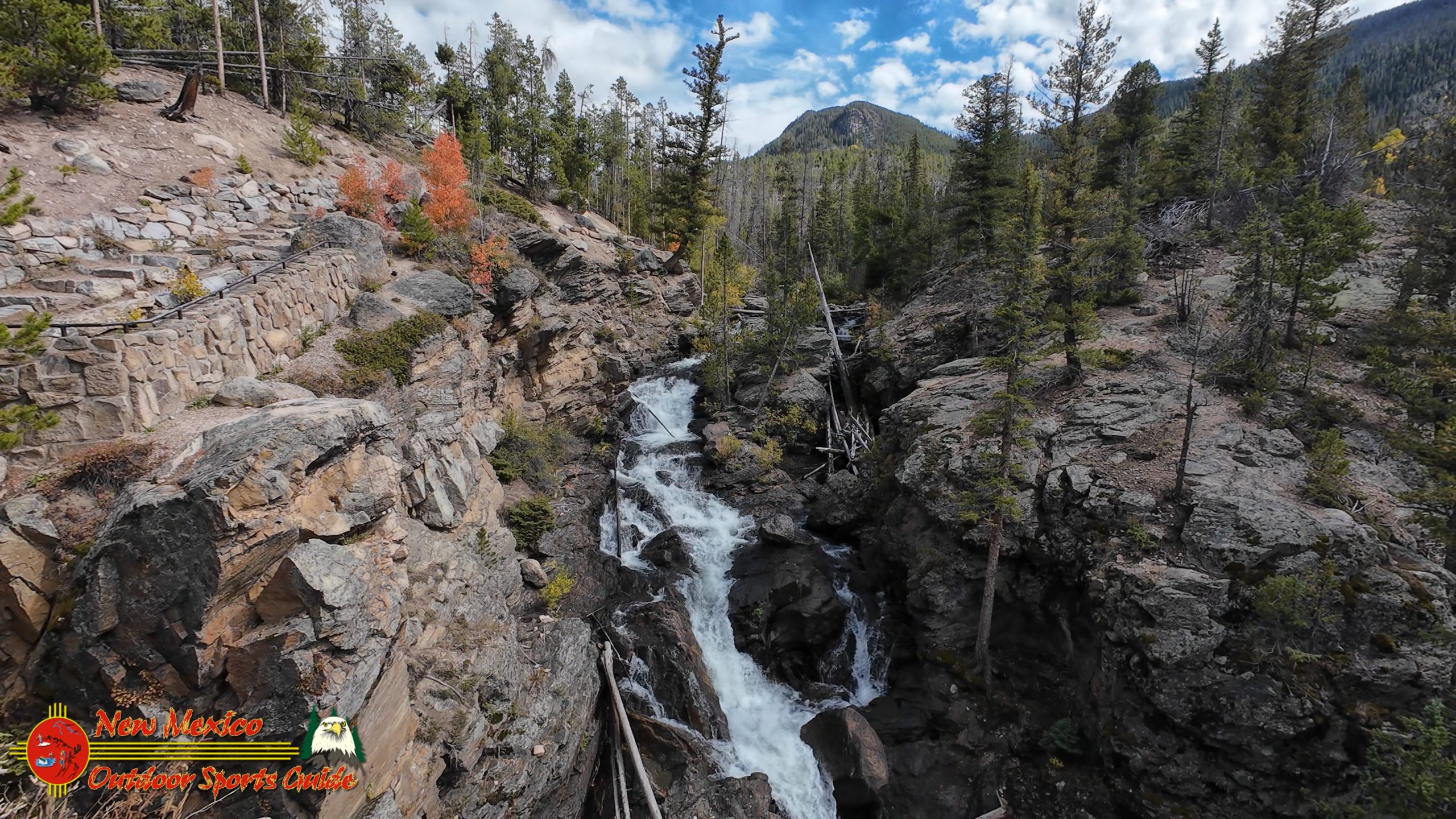
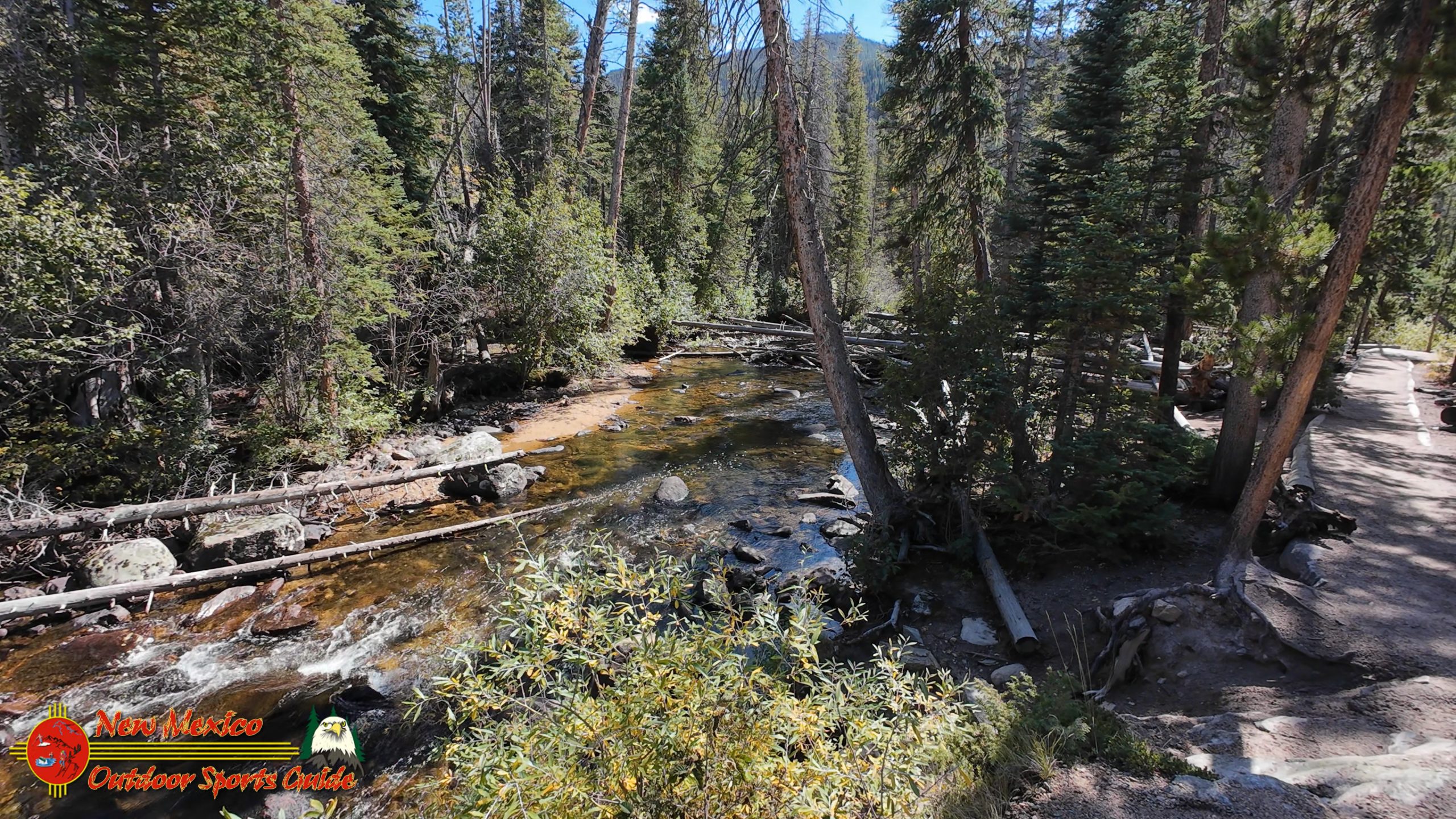
Adams Falls announces itself before you see it – that particular music of falling water that quickens the pulse of anyone who loves moving water. We rounded a bend and there it was: East Inlet Creek tumbling approximately 55 feet over a series of granite ledges and drops, the water white with velocity and volume. This time of year, with monsoon season past but winter's deep freeze still weeks away, the falls ran with ideal vigor.
I set up my video camera on its tripod, working through the familiar routine that has become second nature after thousands of hours documenting the wilderness and wildlife of the American Southwest. The falls filled the viewfinder, and I let the camera roll, capturing that perpetual motion that somehow seems to exist outside of time. Paulette moved around with her still camera, finding angles that would capture both the power of the falls and the golden aspens that surrounded this little cathedral of stone and water.
Photography has given my retirement years a purpose I didn't fully anticipate when Paulette and I built our log cabin, Casa Oso, at 9,500 feet above Angel Fire. What started as simple documentation has become a mission of sorts – preserving these wild places and the creatures that inhabit them through images and video. My work has appeared in the New Mexico Outdoor Sports Guide blog and on our NMOSG YouTube channel, where hundreds of videos chronicle the mountains and deserts of Arizona, Utah, Colorado, and New Mexico.
Beyond the Falls: Discovering a Hidden Valley
After spending perhaps thirty minutes at Adams Falls – you lose track of time in places like that – we continued up the trail. The map had suggested promising moose habitat further up East Inlet, and my instincts told me to push on while the morning remained young and the weather held.
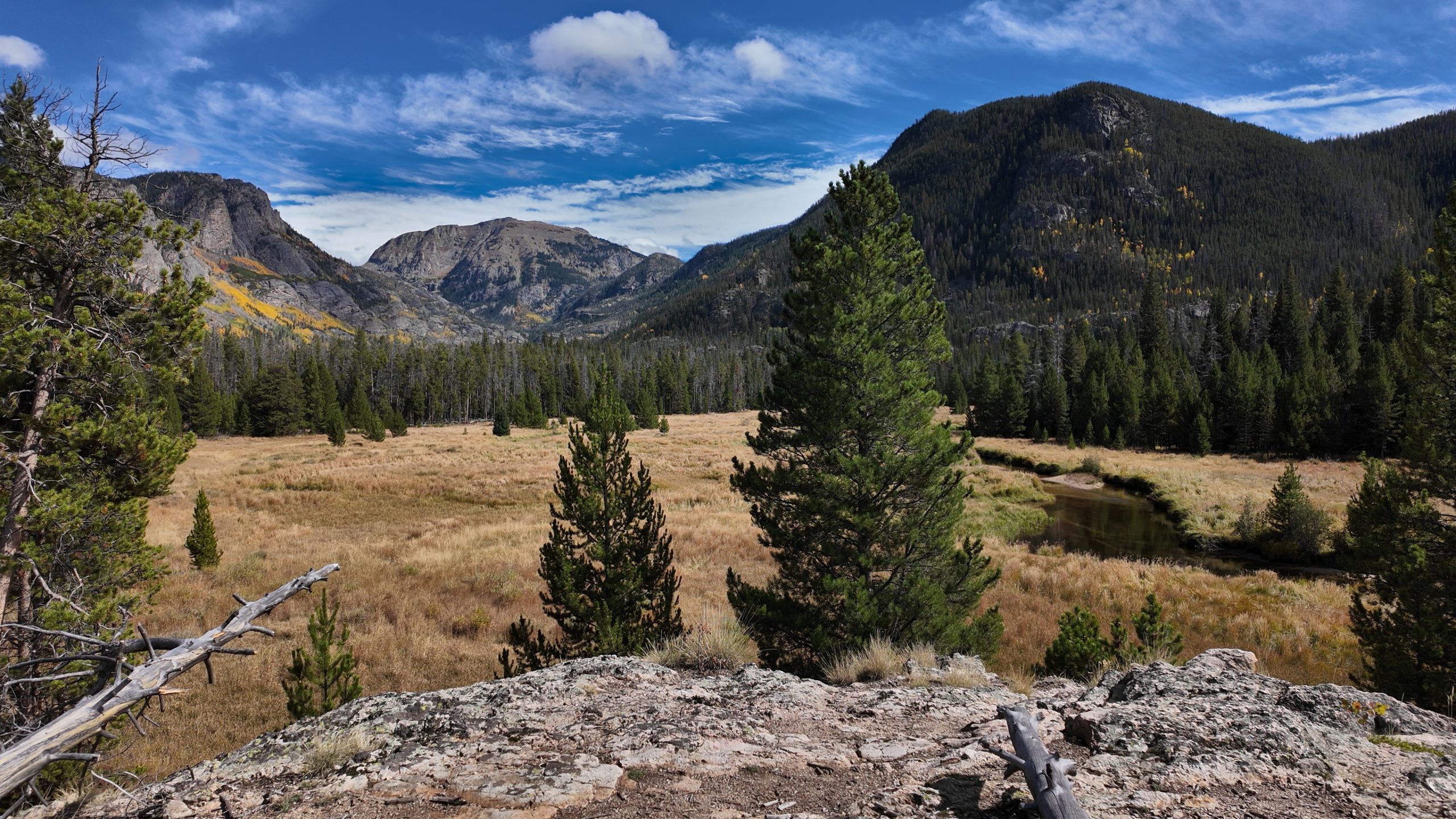
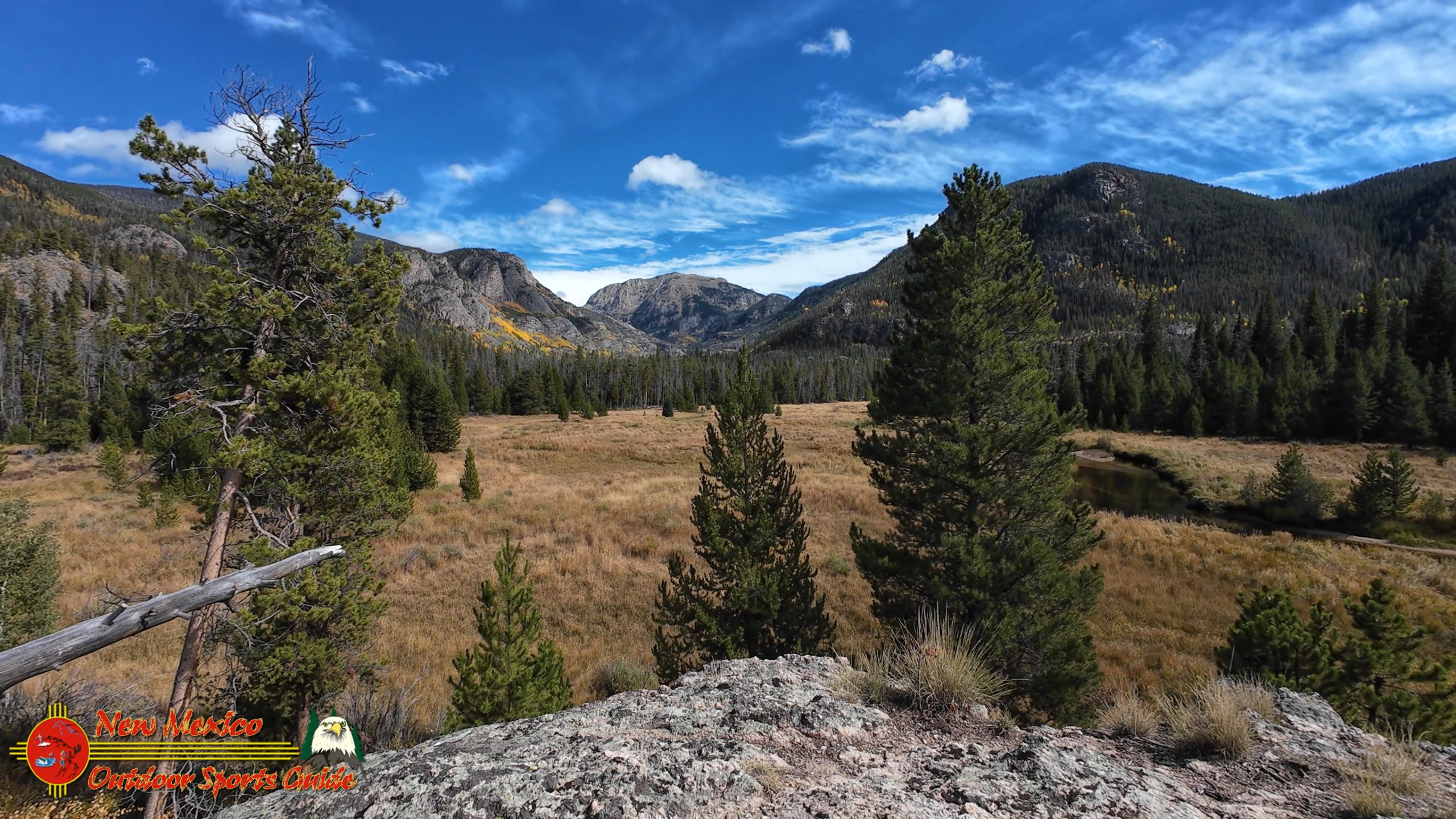
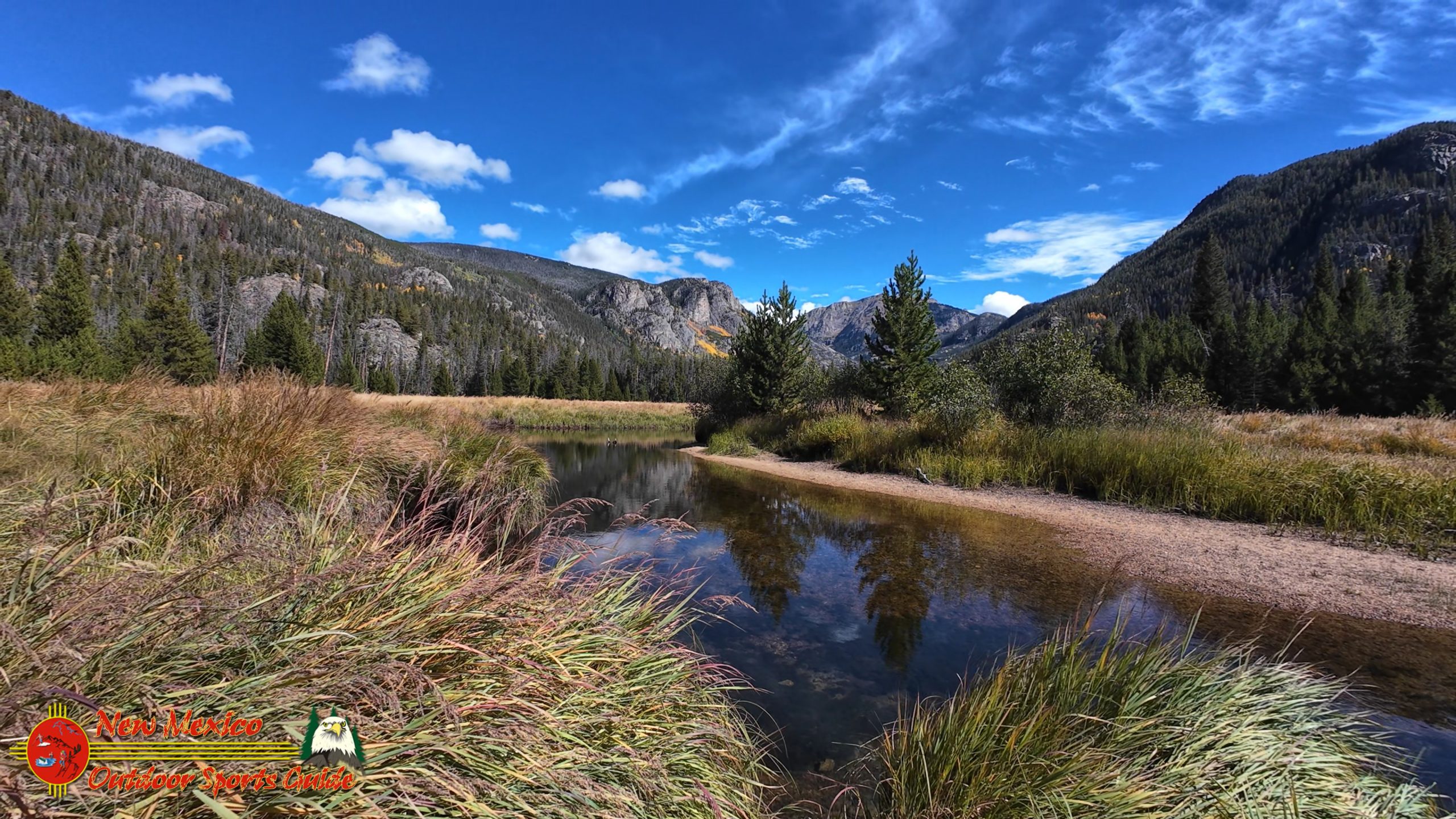
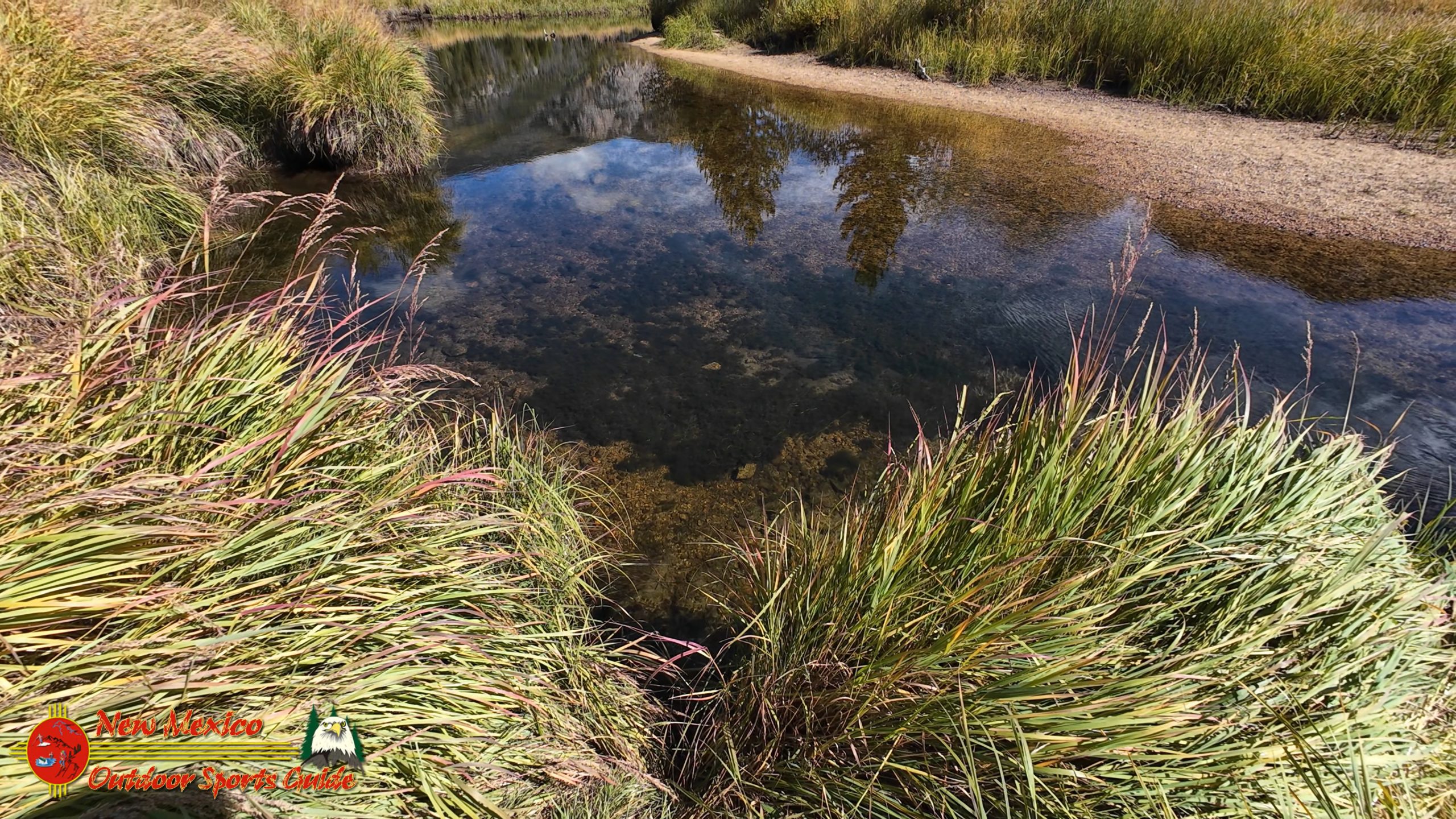
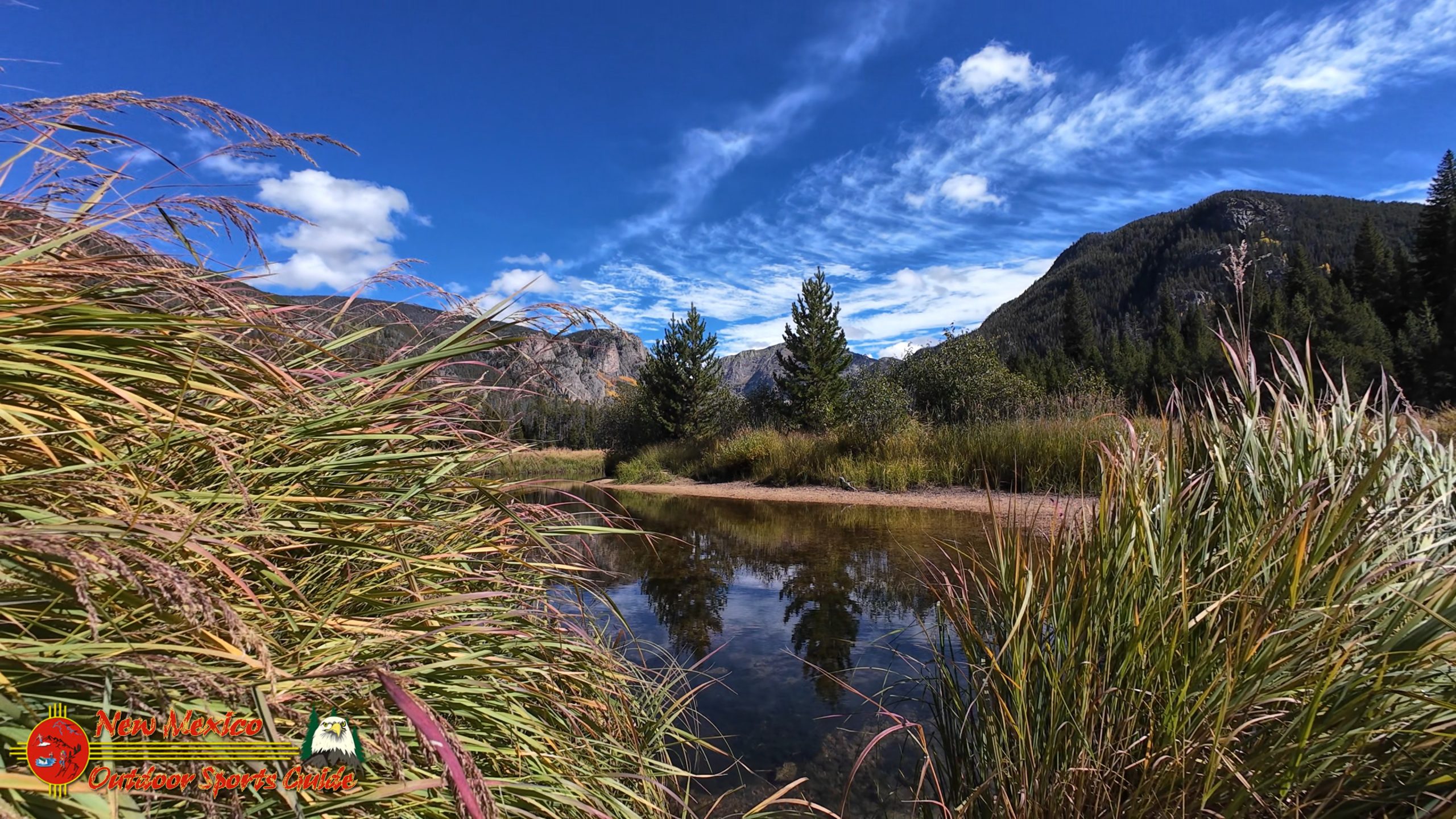
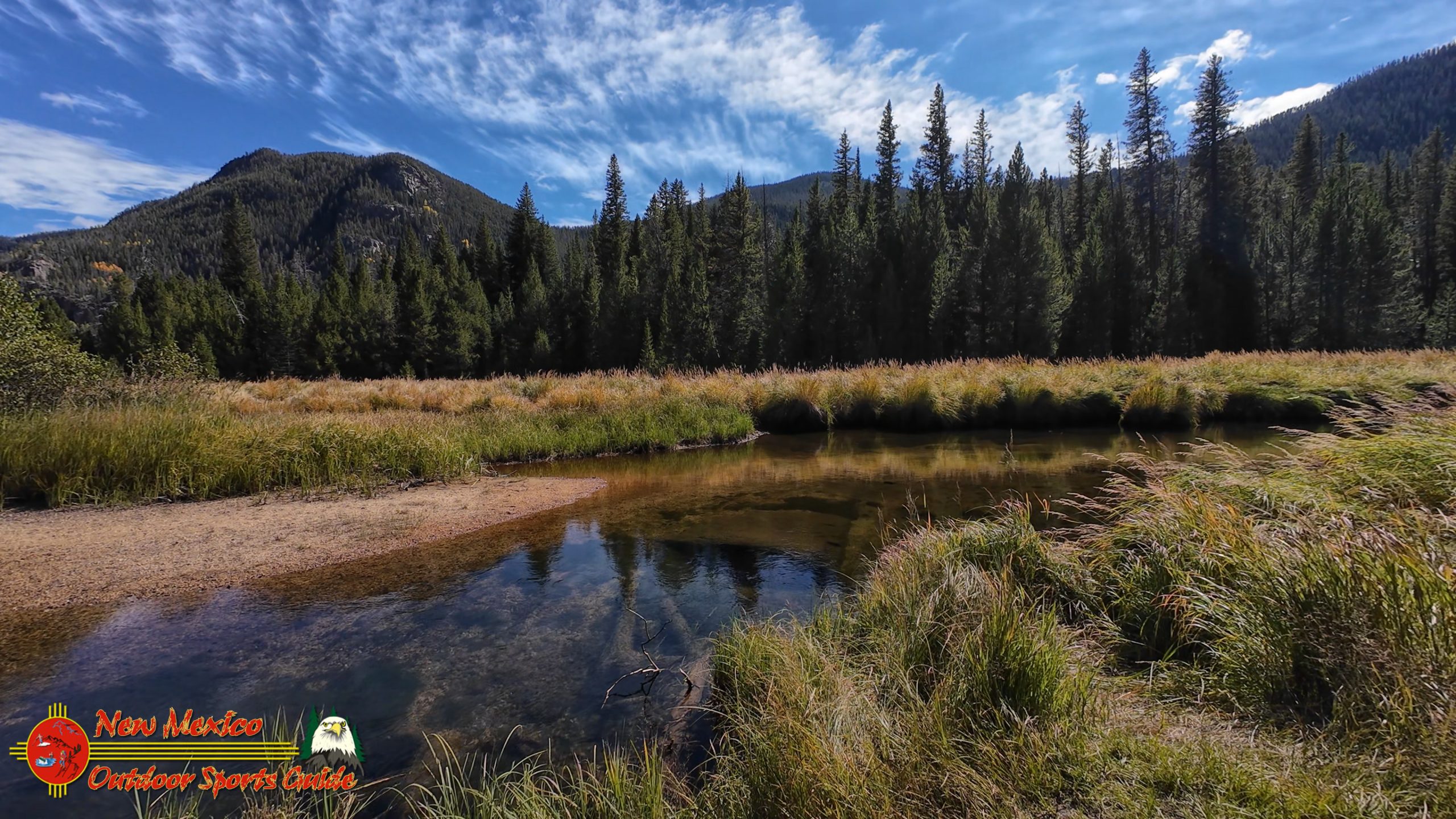
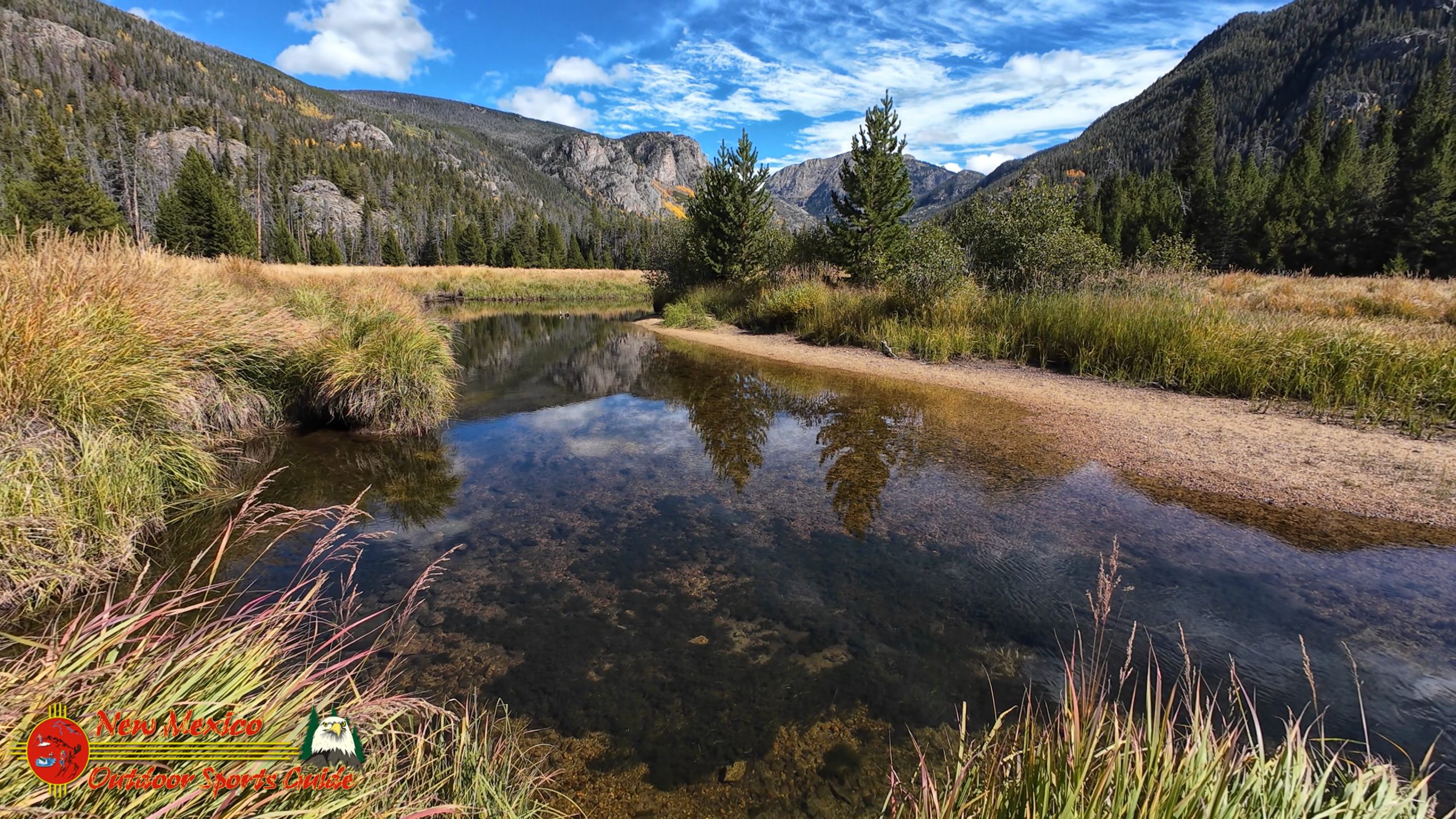
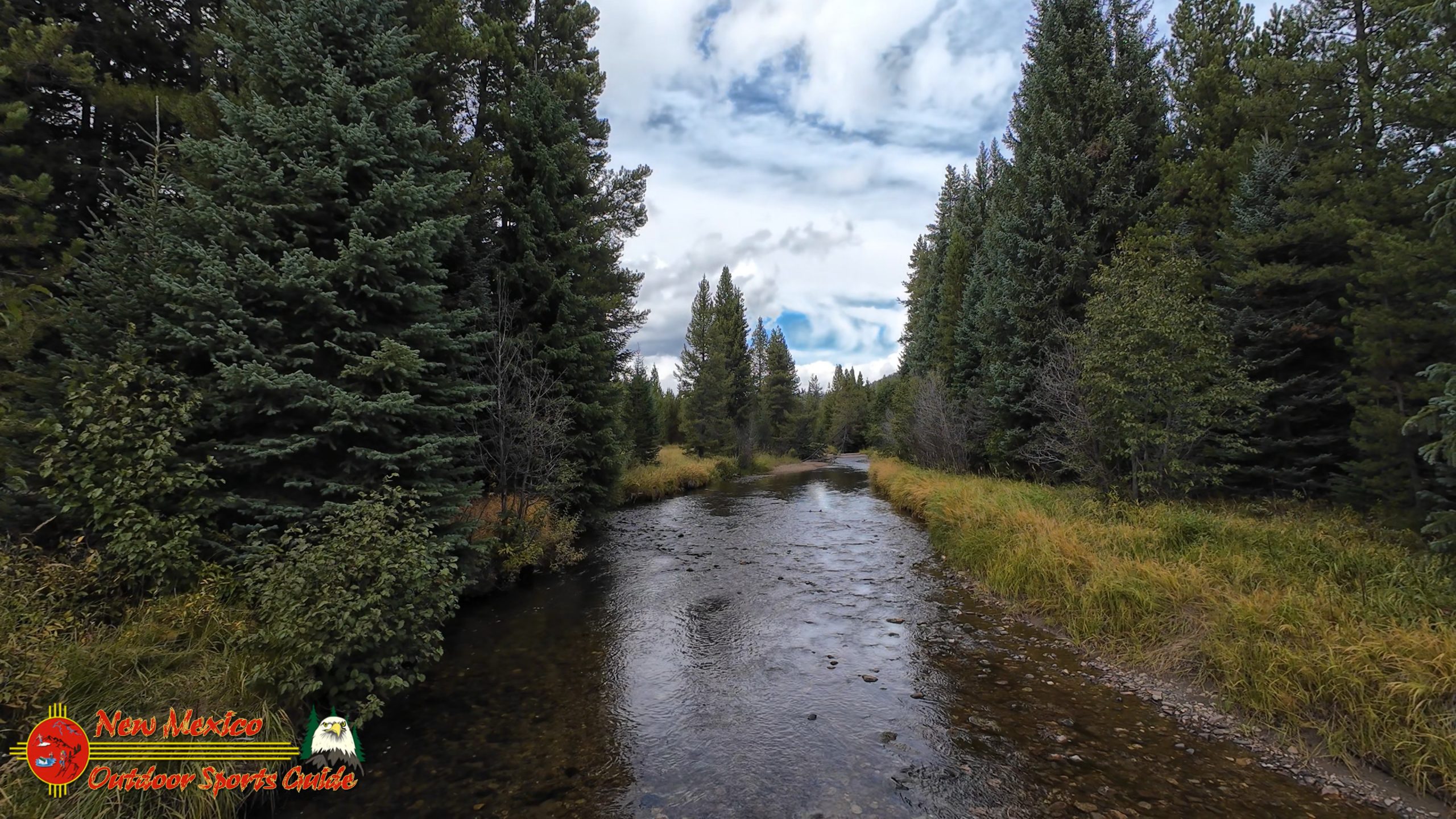
About half a mile beyond Adams Falls, the forest opened up into something that took my breath away even after a lifetime of seeking out wild country. East Inlet Creek wound through a spectacular marshy valley, the kind of place that looks like it belongs on a postcard but exists in glorious, accessible reality. The creek meandered in gentle curves through wetlands thick with willows and sedges – absolutely perfect moose habitat. Surrounding this valley on all sides, beautiful mountain peaks rose in layers, their upper slopes already holding snow that gleamed white against the deep blue Colorado sky.
I set up again, shooting video along the creek, panning slowly to capture the full sweep of the valley. The wind was light, carrying the scent of conifers and that particular cold clarity that only exists above 8,000 feet. At the western end of the valley, a large rock outcrop offered an elevated vantage point, and I carefully made my way up to it.
From that perch, I could see the entire valley spread before me. East Inlet Creek caught the sunlight in places where it broke through the willows. The marsh grasses had turned golden with autumn, creating a tapestry of color against the dark green of the surrounding forest. Mountain peaks stood sentinel all around – this was Rocky Mountain National Park's backcountry at its finest, the kind of place that reminds you why these protected lands matter so much.
I shot photos from various angles, but honestly, I spent more time just sitting there, soaking it all up. That's something I've learned in my eighth decade: sometimes the best part of photography is the stillness it requires, the way it forces you to really observe rather than just pass through.
No moose revealed themselves that morning, but that's wildlife photography – you take what the mountains give you. The absence of moose didn't diminish the experience one bit. The valley itself was the gift.
Lunch at Shadow Mountain Lake
As noon approached, we reluctantly tore ourselves away from that special valley and made our way back down the trail to the Outback. The drive back to our cabin was short, and soon we were sitting down to a healthy light lunch with Shadow Mountain Lake stretching out before us.
Shadow Mountain Lake, created by a dam on the Colorado River, connects to Grand Lake and serves as a reservoir for water that's tunneled under the Continental Divide to Colorado's Front Range. But sitting there on the cabin deck, you don't think about water rights and transmountain diversions – you simply appreciate the view, the play of light on water, the way the surrounding peaks frame the lake in perfect composition.
These lunch breaks have become one of my favorite parts of our mountain adventures. Paulette and I talk about what we've seen, plan the afternoon ahead, and simply enjoy being in this country we love. After over forty years of marriage, we've developed a comfortable rhythm to these trips, an unspoken understanding of when to push on and when to rest.
Trail Ridge Road: The Roof of the Rockies
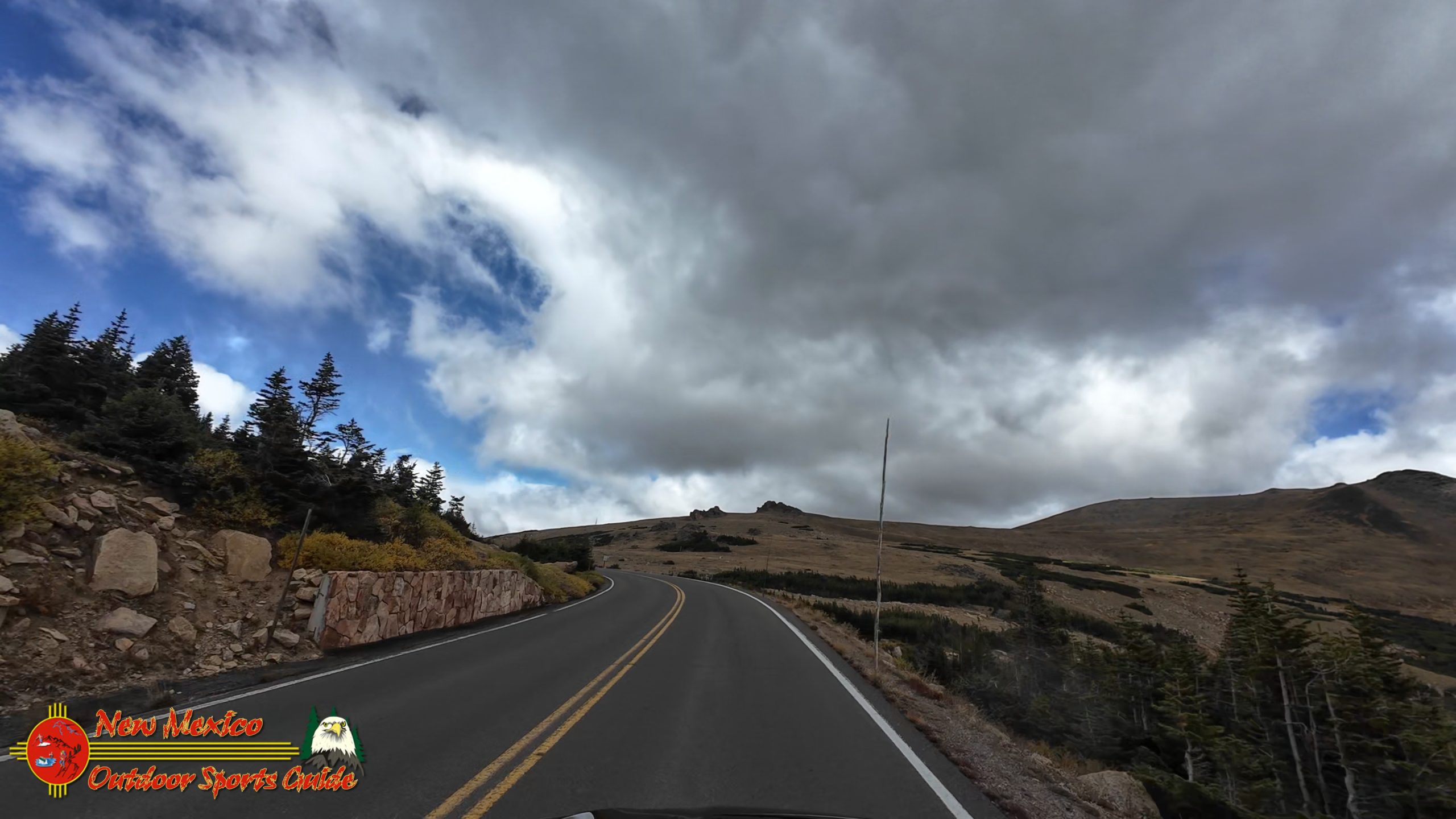
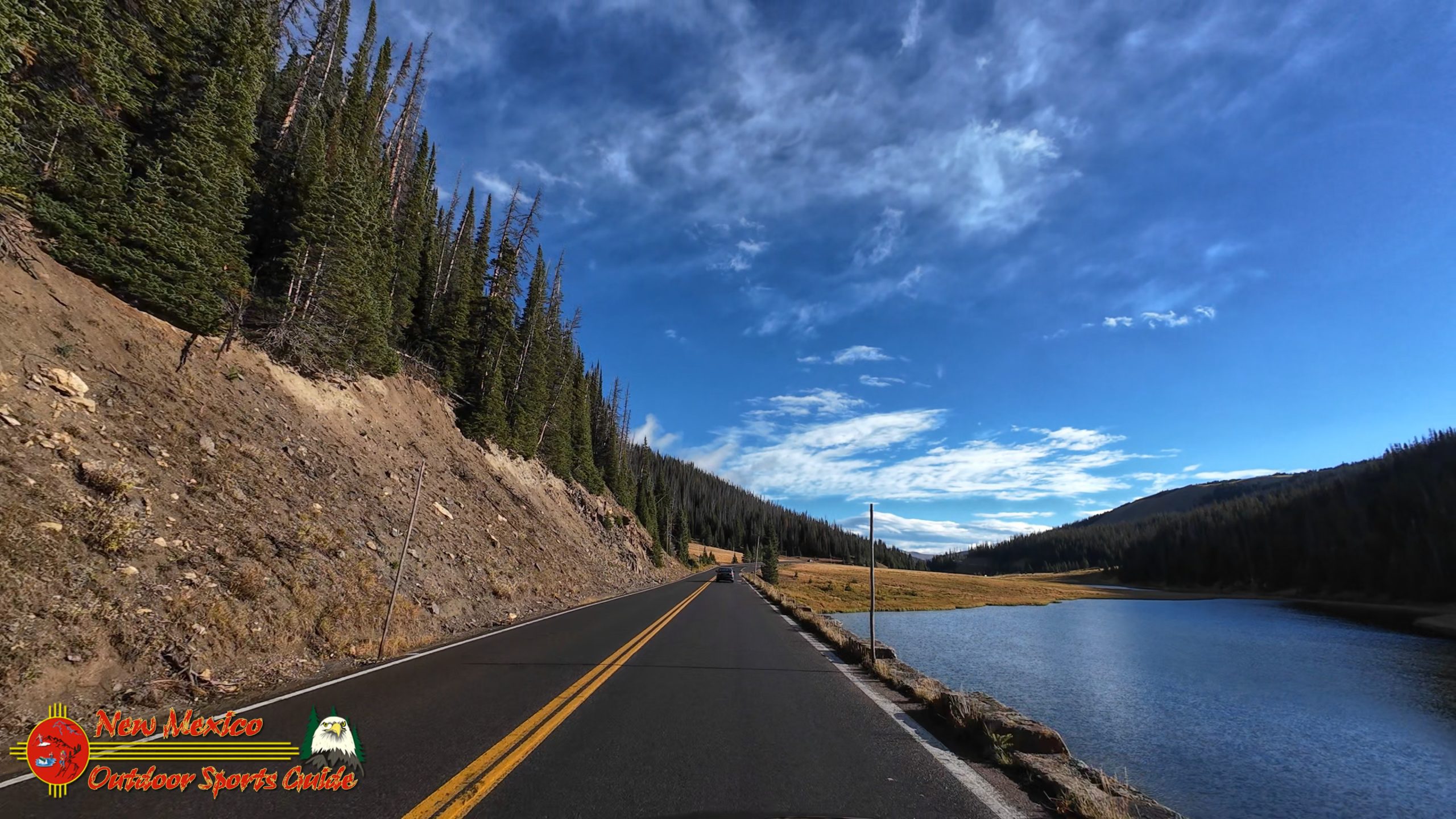
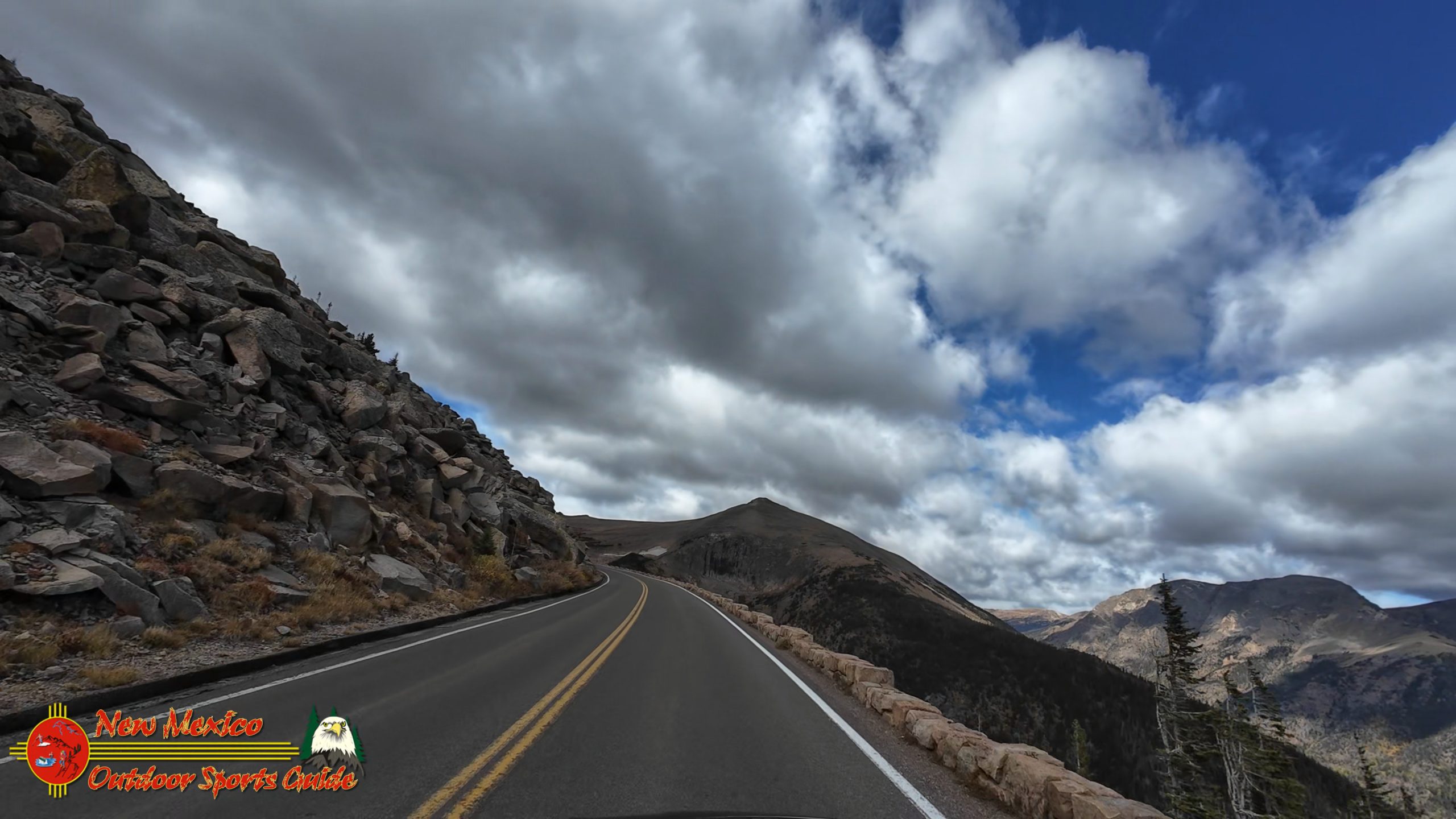
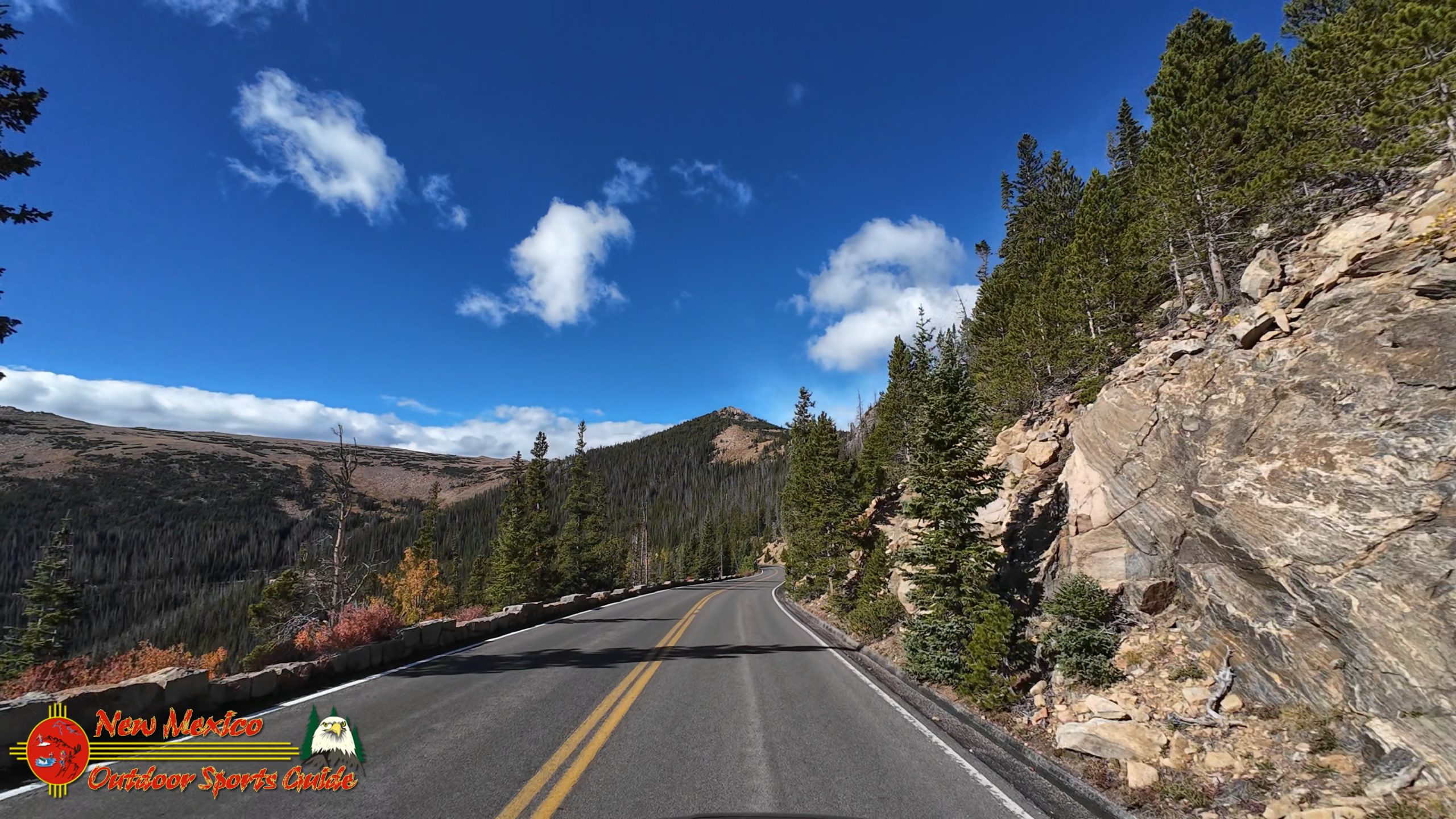
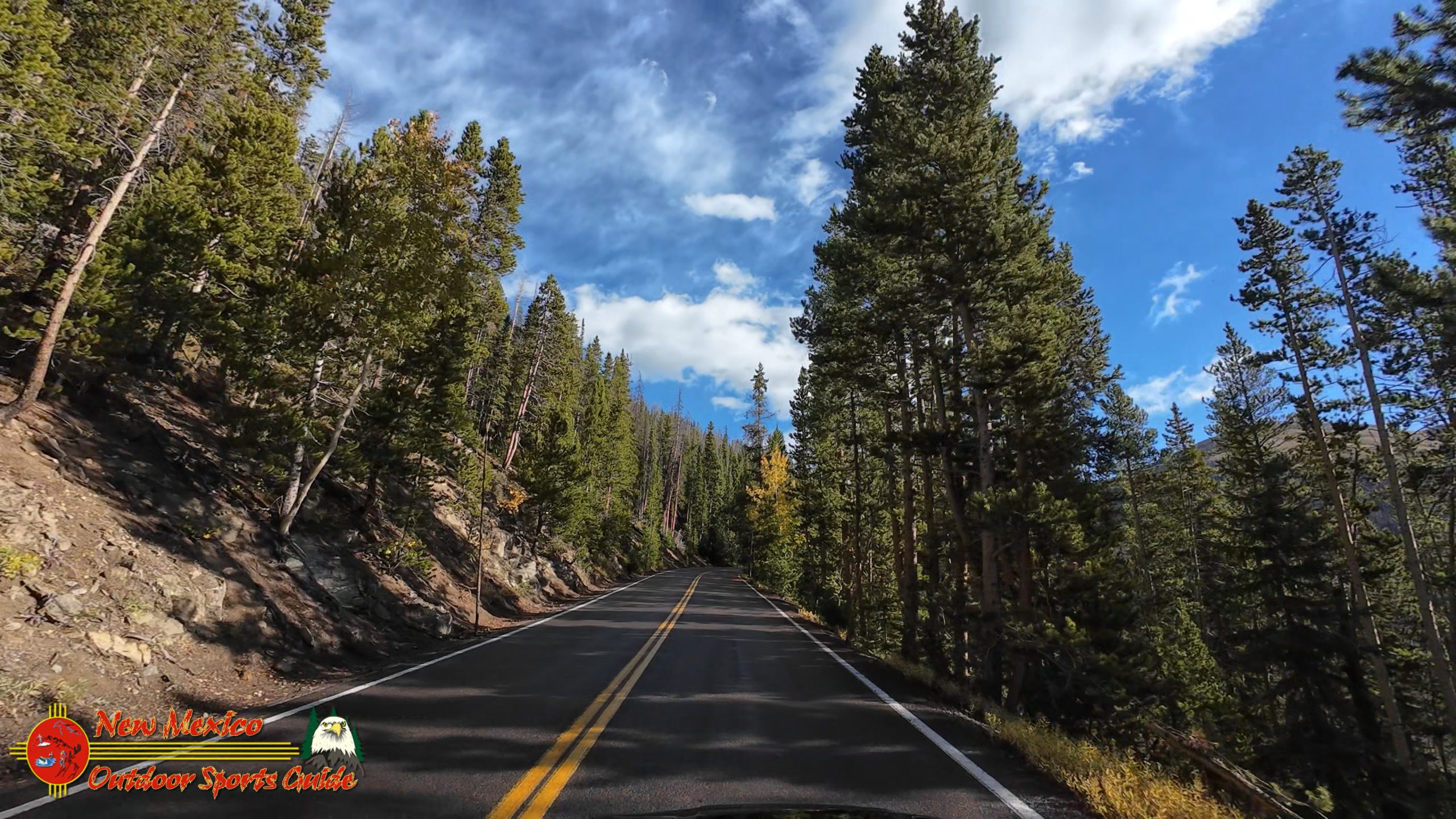
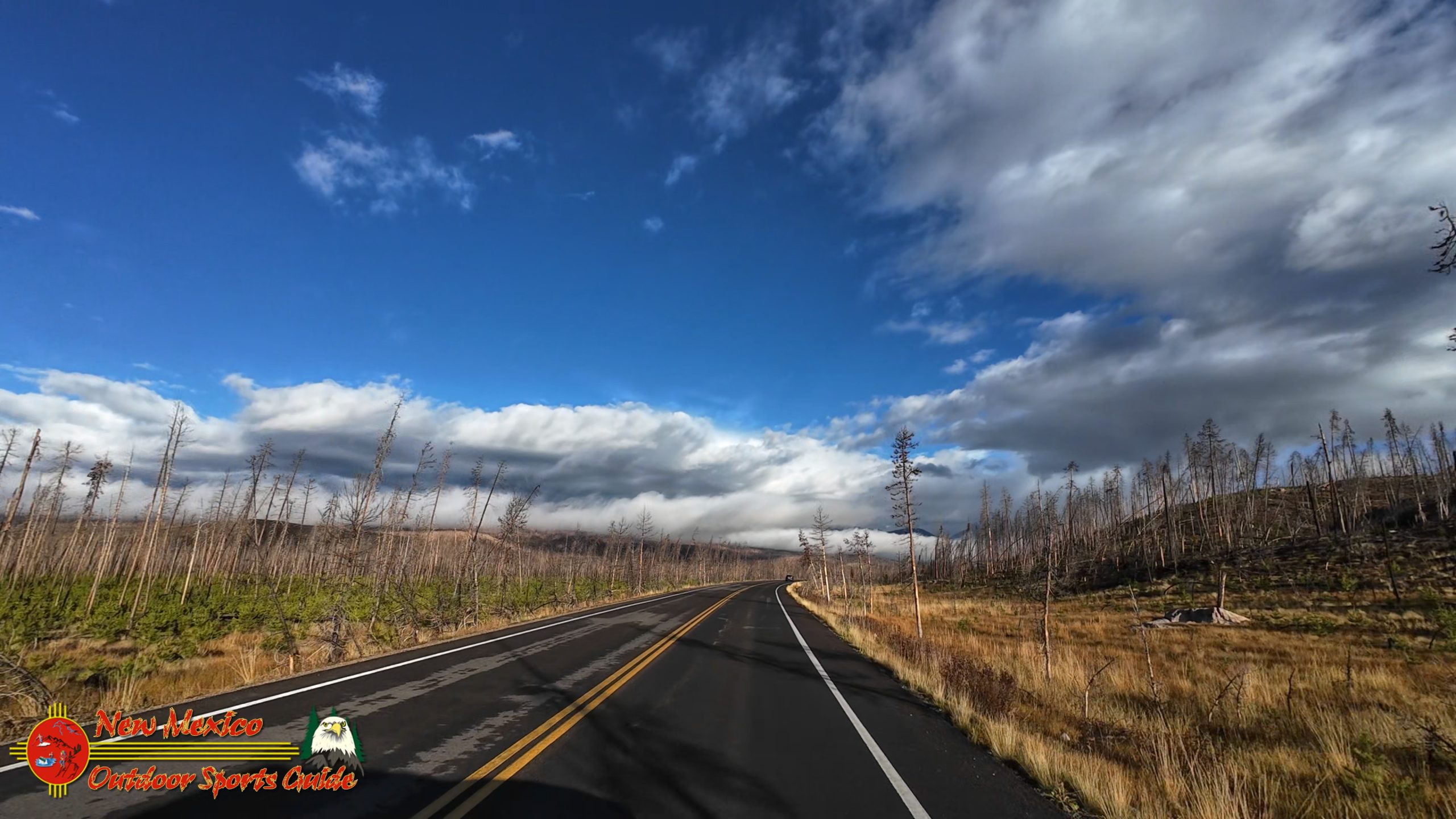
After a relaxing lunch, we loaded back into the Outback for the main event of the afternoon: the drive across Trail Ridge Road through Rocky Mountain National Park. This iconic route, which climbs to 12,183 feet at its highest point, is the highest continuous paved road in the United States. It's a spectacular journey through multiple life zones, from montane forests to alpine tundra that exists above treeline in a landscape more lunar than earthly.
Trail Ridge Road presents unique challenges for photography, as I've learned on previous trips through the park. The wind at those elevations is often ferocious, making it difficult to steady a camera and frankly just uncomfortable to be outside for long. The temperature drops dramatically as you climb, and even on a relatively mild day down in the valleys, conditions on the ridge can be brutally cold.
As we climbed out of the forested lower elevations, the landscape transformed around us. Trees became increasingly stunted and gnarled, shaped by prevailing winds into krummholz – that distinctive twisted form that trees take when trying to survive above timberline. Then even those hardy survivors disappeared, and we found ourselves in true alpine tundra.
The views from Trail Ridge Road are nothing short of spectacular. Mountain ranges extend in every direction, layer upon layer of peaks fading into blue distance. You can see how the glaciers carved these valleys during the Pleistocene, leaving behind the distinctive U-shaped profiles and hanging valleys visible from this elevation. The tundra itself, though seeming barren at first glance, supports hundreds of plant species adapted to the harsh conditions – tiny flowers that bloom spectacularly in summer, cushion plants that hug the ground to escape the wind.
I pulled over at several overlooks, attempting to capture some video despite the buffeting wind. The Outback rocked on its suspension as gusts hit us. I managed a few shots through the windshield, and Paulette got some photos at locations where the parking areas offered slight wind protection, but mostly we experienced Trail Ridge Road the way you often do – as a spectacular landscape to enjoy from the relative comfort of the vehicle.
The Wisdom of Storms
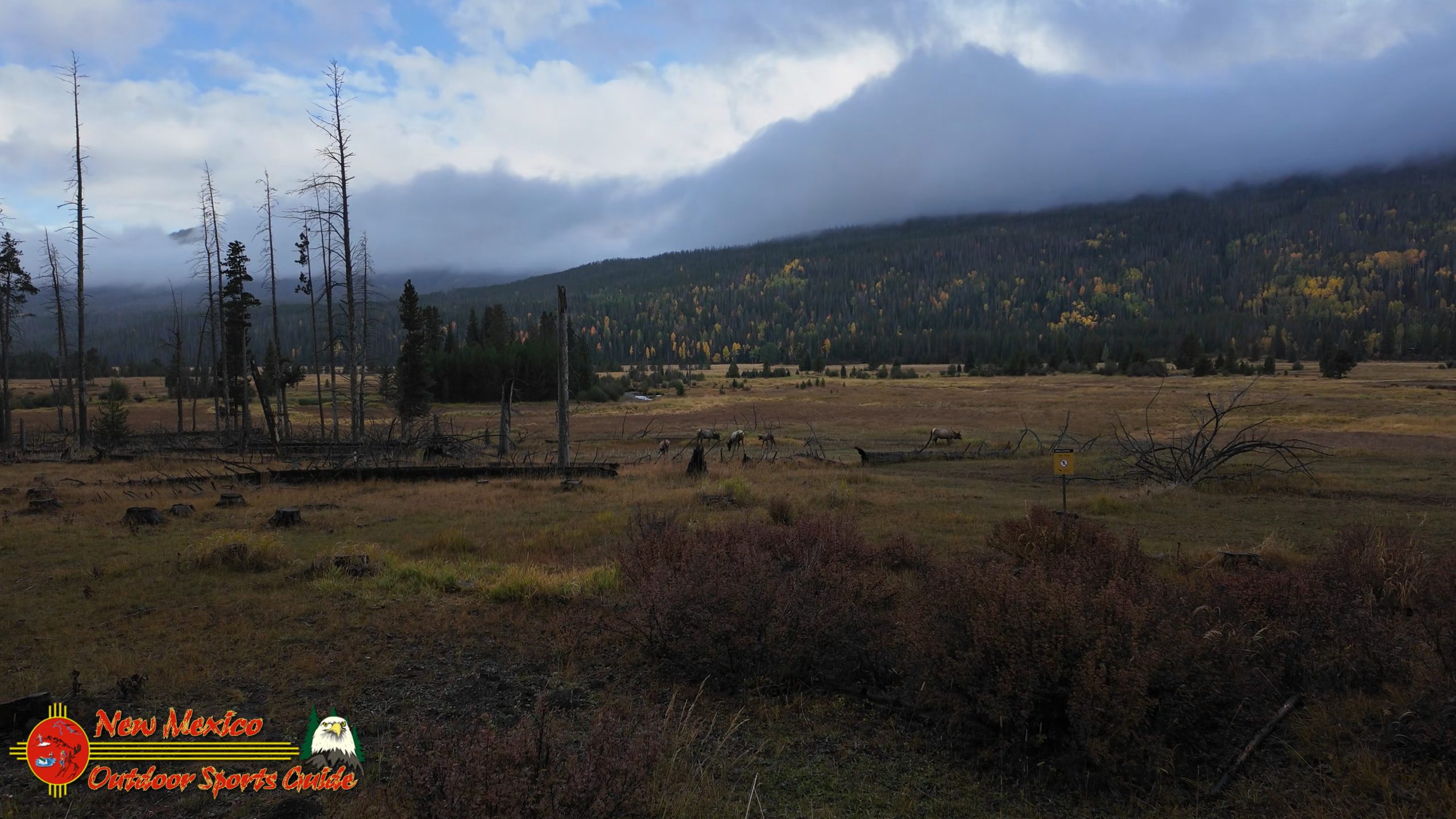
As we descended the western side of the park, I kept one eye on the sky. Those puffy morning clouds had matured into something more ominous, building into towering cumulus that promised the afternoon snow the forecast had predicted. The temperature was dropping, and even down in the valley, we could see snow beginning to fall on the higher peaks.
This is when experience matters in high country travel. Fall storms in the Colorado Rockies can turn deadly with remarkable speed. What starts as light snow can quickly become a whiteout. Roads that were clear an hour ago become impassable. The storm that took my father in Arizona wasn't unique – every year, people underestimate mountain weather and pay the price.
But we were ahead of the storm, safely descending while we still had clear roads and visibility. The revised plan had worked perfectly, keeping us in position to enjoy our day while avoiding the dangerous conditions that would develop later.
Evening Along the Colorado
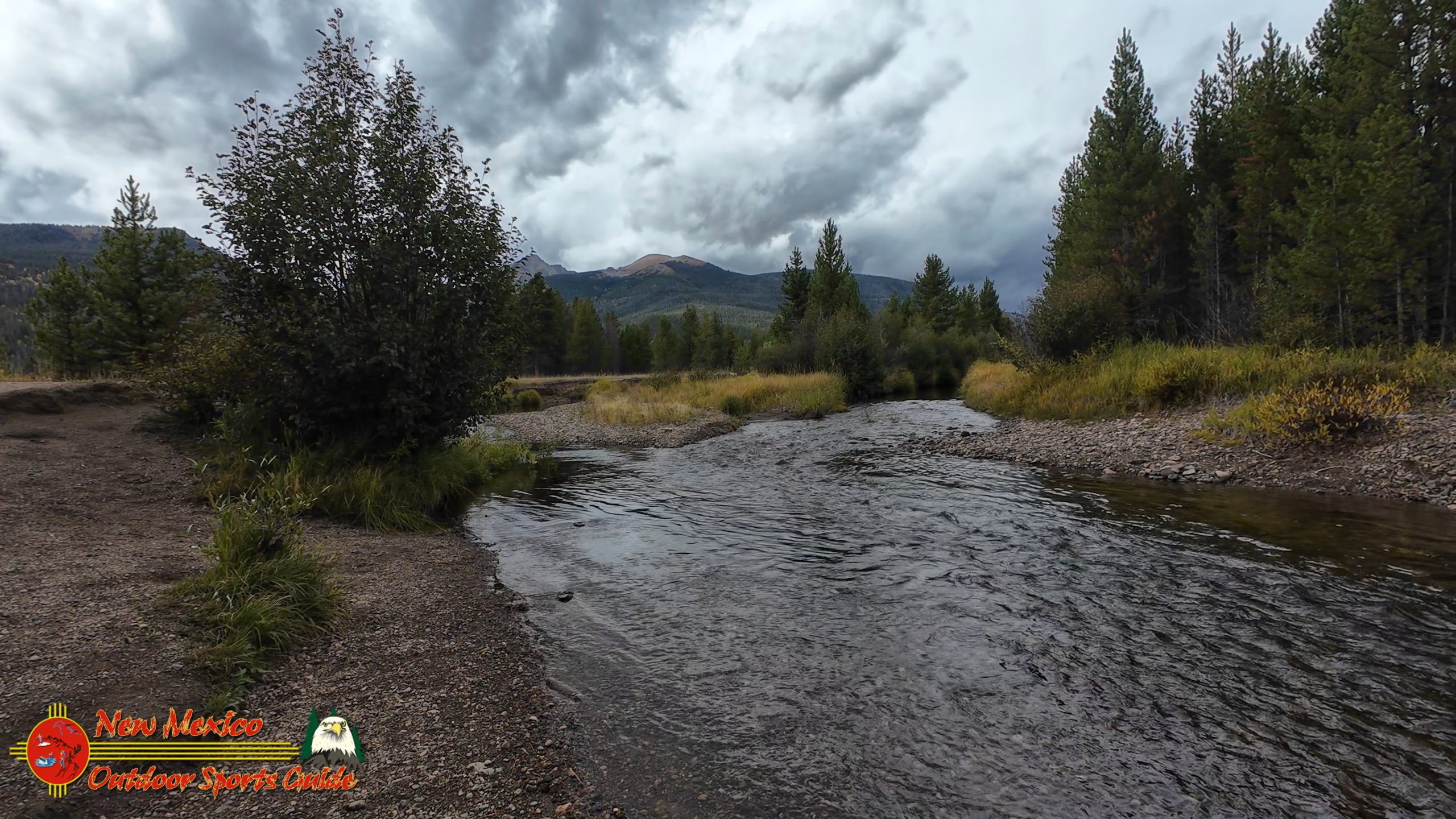
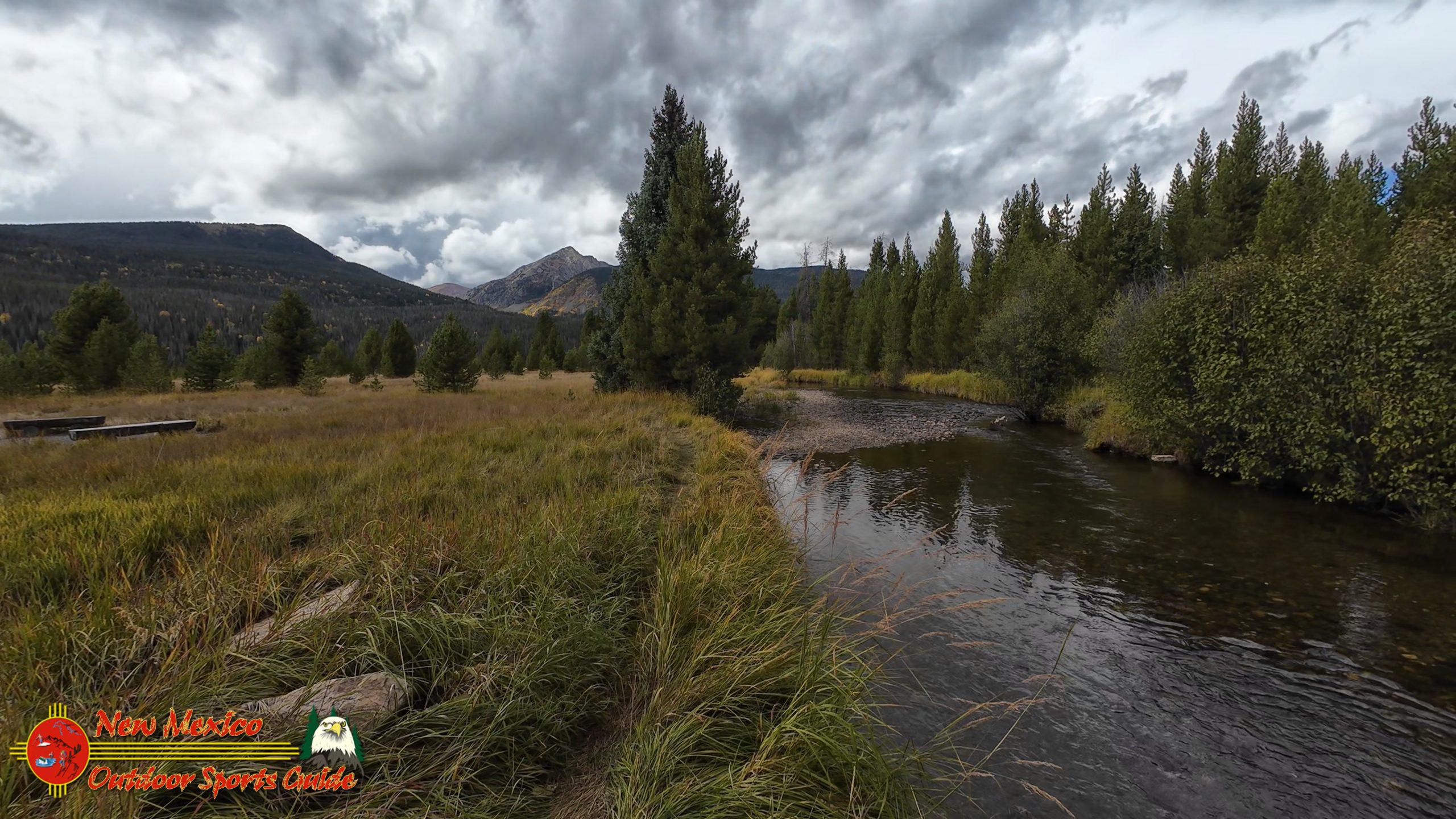
As dusk approached and storm clouds continued building, we made a quick stop along the Colorado River above the south entrance to Rocky Mountain National Park. Here, the river is still young and wild, nothing like the massive waterway it becomes by the time it reaches Lake Mohave near our winter home in Arizona.
The Colorado River headwaters region visible below storm clouds in the distance represents the birthplace of one of North America's most important river systems. Fed by snowmelt from the surrounding peaks, the young Colorado gathers strength as it flows through Rocky Mountain National Park, eventually carving the Grand Canyon and supporting millions of people across seven states before reaching the Gulf of California – or at least it did before modern demands diverted most of its flow.
Standing beside the river that evening, watching the dark water slide past over rounded stones, I thought about that incredible journey and how this small stream would grow into something mighty. We walked a short distance along the bank, cameras ready in case a moose appeared in the willows across the river. The habitat looked perfect – the kind of place where moose often feed in the evening hours.
No moose materialized, but we did capture some photos and video clips that would help tell the story of the day. The light was fading fast now, taking on that particular quality that photographers call the blue hour, when everything seems painted in shades of twilight.
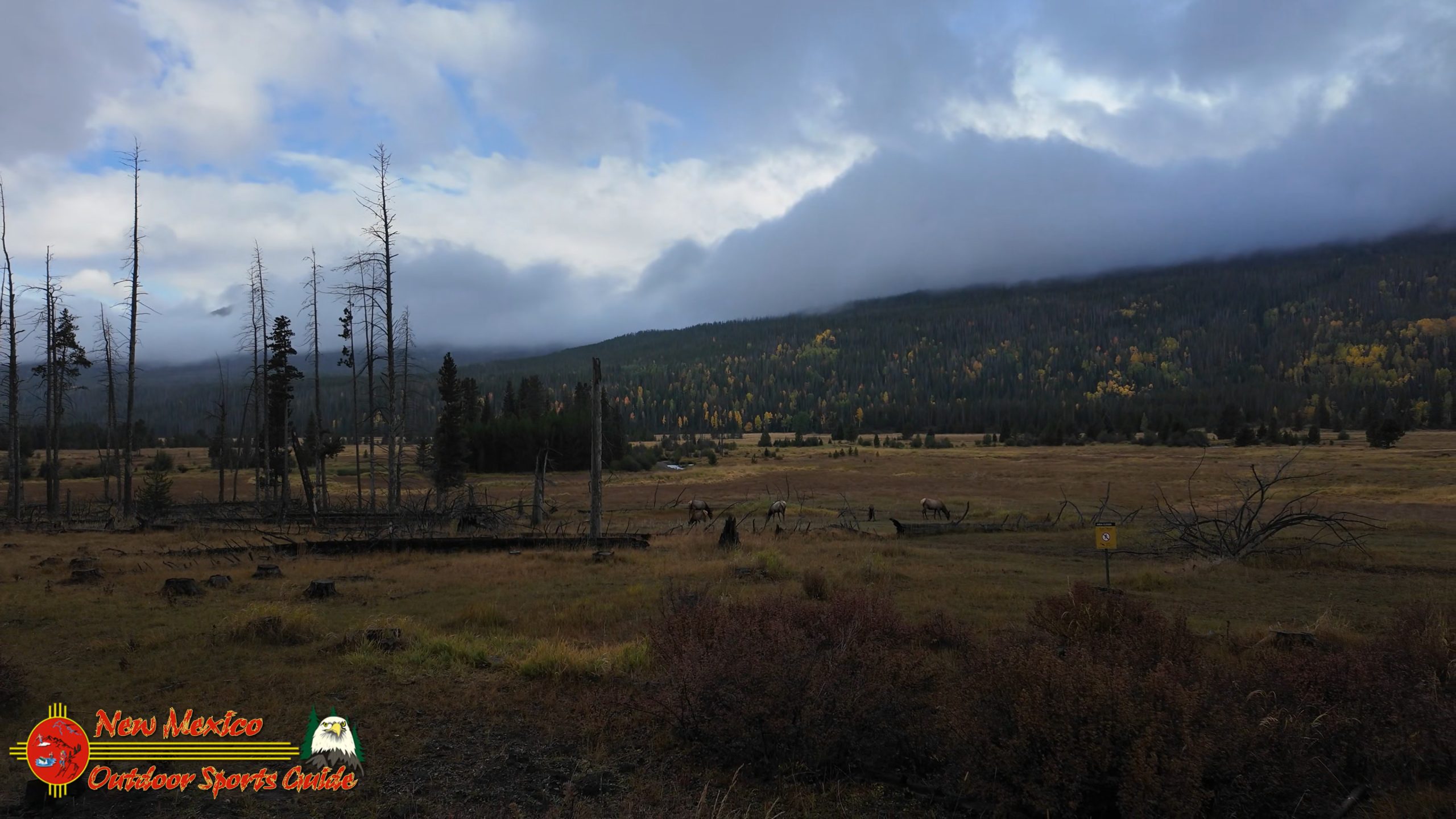
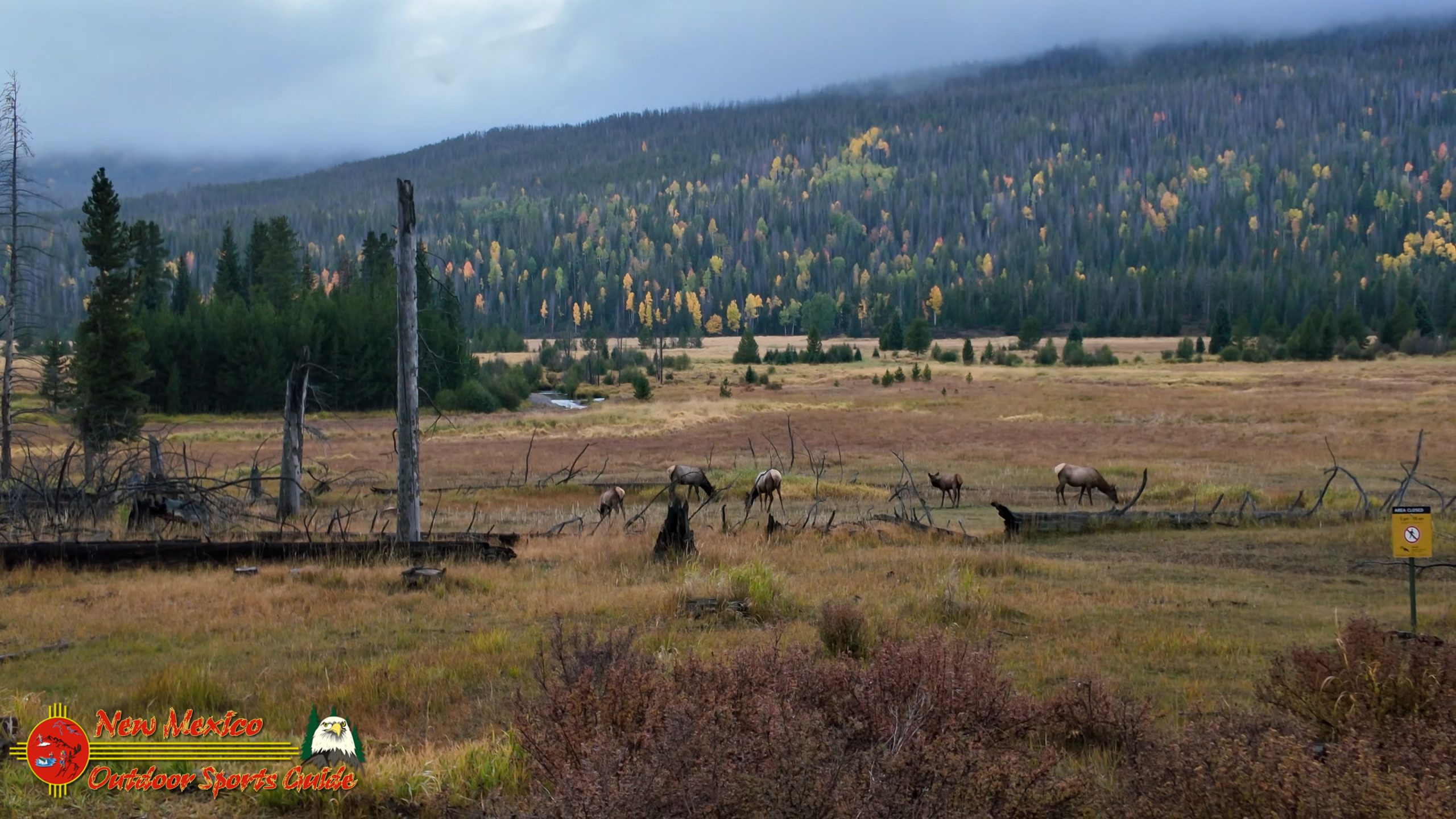
On the drive back to the cabin, we encountered a large elk herd browsing along the roadside – perhaps twenty animals, cows and calves mostly, with one respectable bull keeping watch from slightly higher ground. Elk are common around Grand Lake and Rocky Mountain National Park, with the fall rut recently concluded and the animals settling into their winter patterns. We stopped for a few minutes, watching them feed with that particular wariness wild animals maintain even when they've grown accustomed to human presence.
Back to the Cabin: Planning Tomorrow
Back at the warm cabin overlooking Shadow Mountain Lake, we prepared dinner and settled in for the evening. Outside, the storm had arrived in earnest – a cold light rain was beginning to fall, visible in the lights from across the lake. Inside, we were comfortable and safe, exactly where we needed to be.
Over dinner, I pulled up the weather forecast on my laptop, studying the patterns for the next day. The storm would clear by morning, leaving fresh snow on the peaks but clearing conditions in the valleys. Tomorrow would be perfect for the Colorado River headwaters hike we'd postponed.
Looking back on the day, I felt satisfied. We'd adapted our plans based on conditions, enjoyed spectacular hiking and scenery, experienced the grandeur of Trail Ridge Road, and stayed safe while doing it. That's success in the mountains, especially when you're carrying eight decades of living on your frame.
Lessons from a Lifetime in Wild Country
As I write this, reflecting on our day exploring the Colorado River headwaters region and Rocky Mountain National Park, I'm reminded of the lessons learned across a lifetime of adventures. From my boyhood on Kansas ranches where I first learned respect for weather and country, through my years flying across the United States where I gained appreciation for reading conditions and planning carefully, to these retirement years documenting the wilderness of the Southwest – it all comes down to the same principles.
The mountains will always be there. Weather systems pass. The Colorado River will keep flowing from its headwaters high in Rocky Mountain National Park, carrying snowmelt from these peaks toward distant seas. Moose will continue browsing in willow thickets whether we photograph them or not. The elk herds will survive another winter.
Our job, as visitors to these wild places, is to experience them with respect, adapt to their terms, and preserve them through whatever means we can – whether that's through photography and video like Paulette and I pursue, or simply through the stories we tell and the advocacy we provide for keeping these landscapes protected and wild.
Tomorrow, weather permitting, we'd make that hike to the actual Colorado River headwaters. But tonight, watching rain fall outside our cabin window while warmth and safety surrounded us inside, I was grateful for the wisdom that had kept us out of harm's way while still giving us a day full of beauty and adventure in the high country we love.
The mountains teach patience to those willing to learn. Sometimes the best decision is postponing a plan. Sometimes the backup objective turns out to be the real treasure. And always, safety and wisdom must guide our choices, because the only way to have more adventures is to survive the current one.
Stay tuned for Part 3, where we finally reach the Colorado River headwaters – if the weather gods smile upon us.

0 Comments