
In Search of Moose
The morning sun filtered through the cabin windows as I cradled my coffee mug, its warmth a welcome companion in the crisp mountain air. Paulette was still sleeping, and I found myself doing what has become second nature in my eighth decade—studying maps. Not the paper kind I used to spread across the hood of my truck back in the Flint Hills, but the detailed satellite imagery that modern technology delivers to a laptop screen. Sometimes I marvel at how far we've come from those early CompuServe days when I first discovered the internet's potential.
This morning's mission was clear: find moose habitat around Shadow Mountain Lake. I'd been chasing these magnificent creatures for days now, and our time in Colorado was running short. The frustration of empty willow thickets and silent riverbanks had taught me that ground-level searching wasn't going to cut it. I needed an eagle's perspective—or more accurately, a drone's eye view.
The Eagle's Eye View
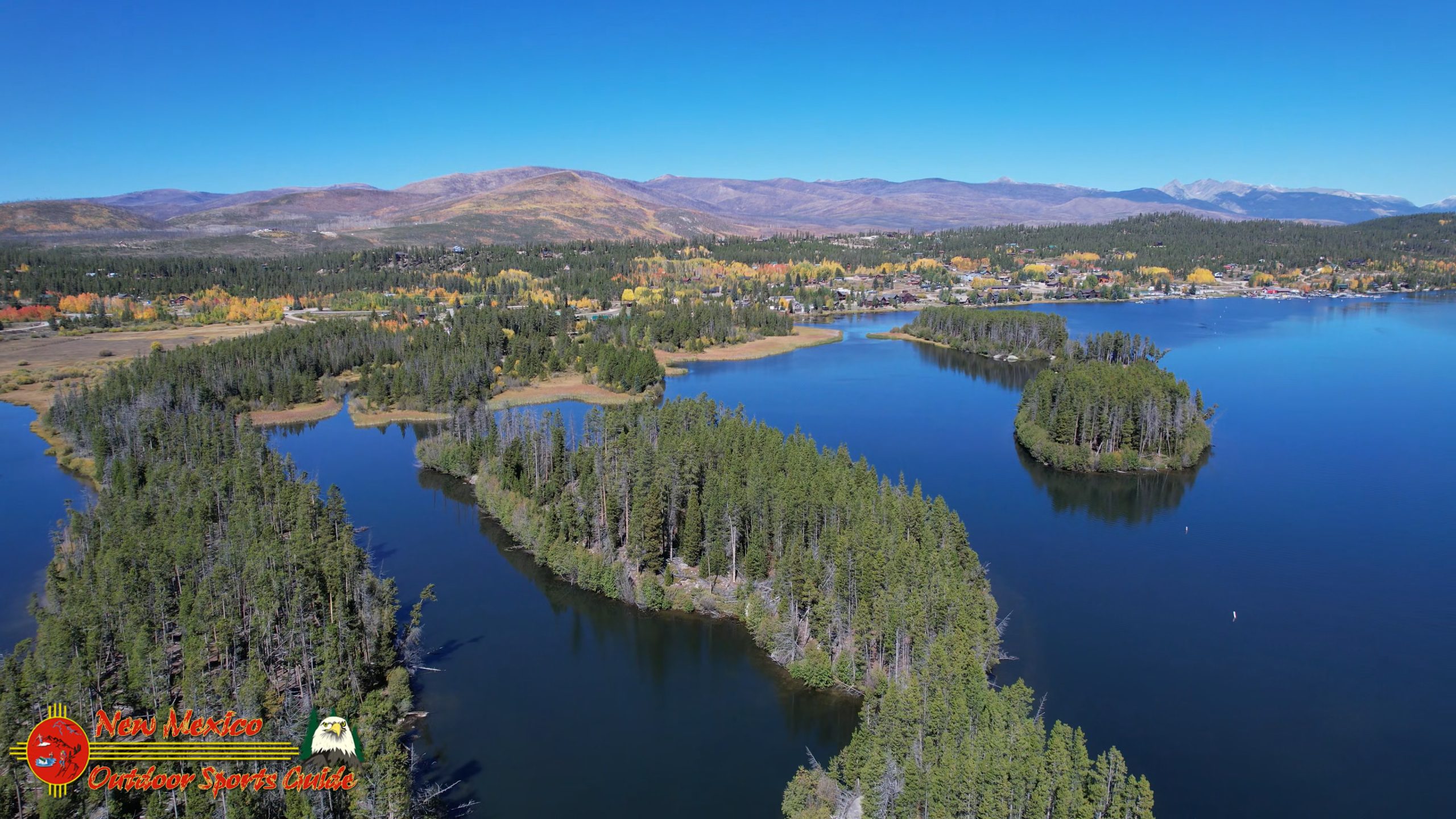
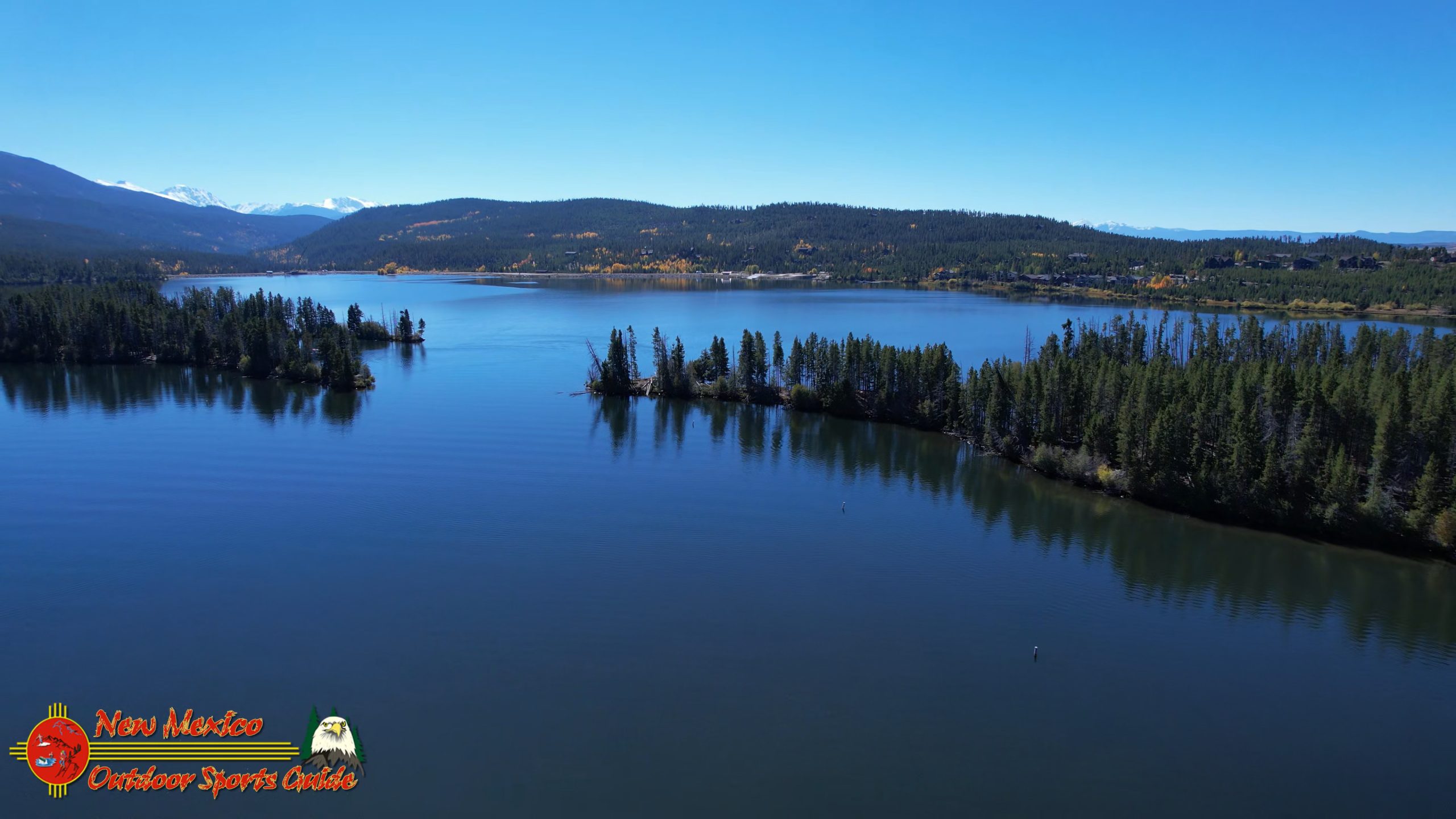
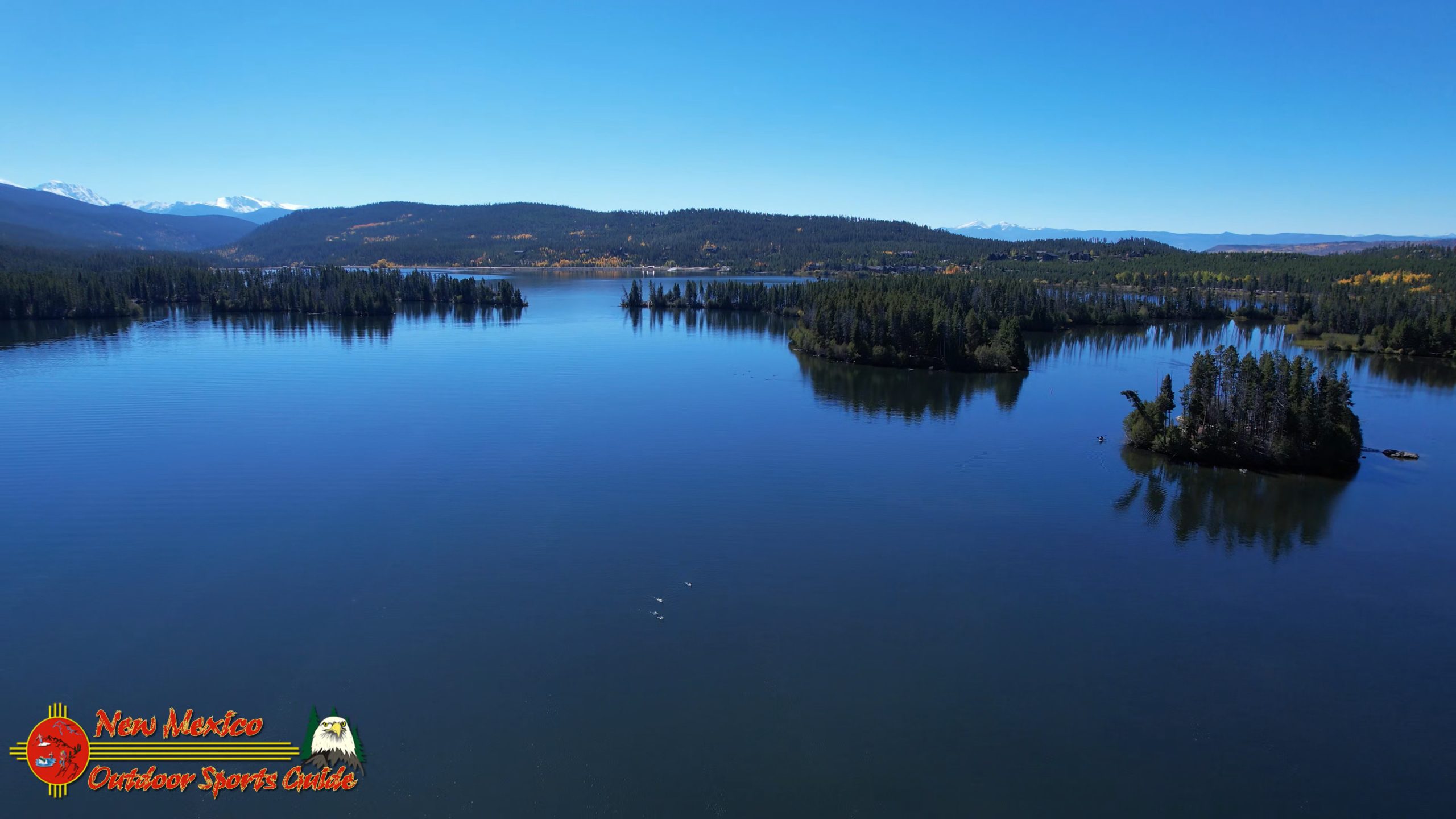
Zooming in on Shadow Mountain Lake's southern reaches, I noticed something promising. About three-quarters down the lake, a long peninsula stretched into the water like a gnarled finger, with a series of islands dotting the surface beyond it. The terrain looked perfect for Colorado River moose—the kind of marshy, willow-thick habitat where these massive animals browse and bed down. More importantly, I spotted an ideal launch location at the peninsula's tip, far enough from any structures to respect the privacy of lakeside residents.
Flying camera drones has become an essential tool in my wildlife photography arsenal, but it comes with responsibilities that weigh heavily on me. Growing up on the ranches in Kansas, we respected our neighbors' property and privacy as sacrosanct. That same ethic applies to aerial photography. I never fly over private homes, backyards, or anywhere people have a reasonable expectation of solitude. But for scouting vast wilderness areas? A drone can cover in minutes what would take me hours on foot—hours these octogenarian legs don't always have to spare.
After breakfast, we loaded the Subaru Outback once more. The drive was short, maybe twenty minutes through the kind of Colorado scenery that never gets old—towering pines, glimpses of snowcapped peaks, and that crystalline mountain light that makes everything look newly minted.
Shadow Mountain Lake: A Drone's Paradise
Standing at the lake's edge, I ran through my pre-flight checklist with the practiced precision I once applied to my Beechcraft Baron. Some habits never die, and the discipline of aviation has served me well in this new passion. The sky was a flawless blue canvas, not a single cloud to mar its perfection. Better still, the wind was dead calm—zero. That's rarer than moose sightings in these mountains.
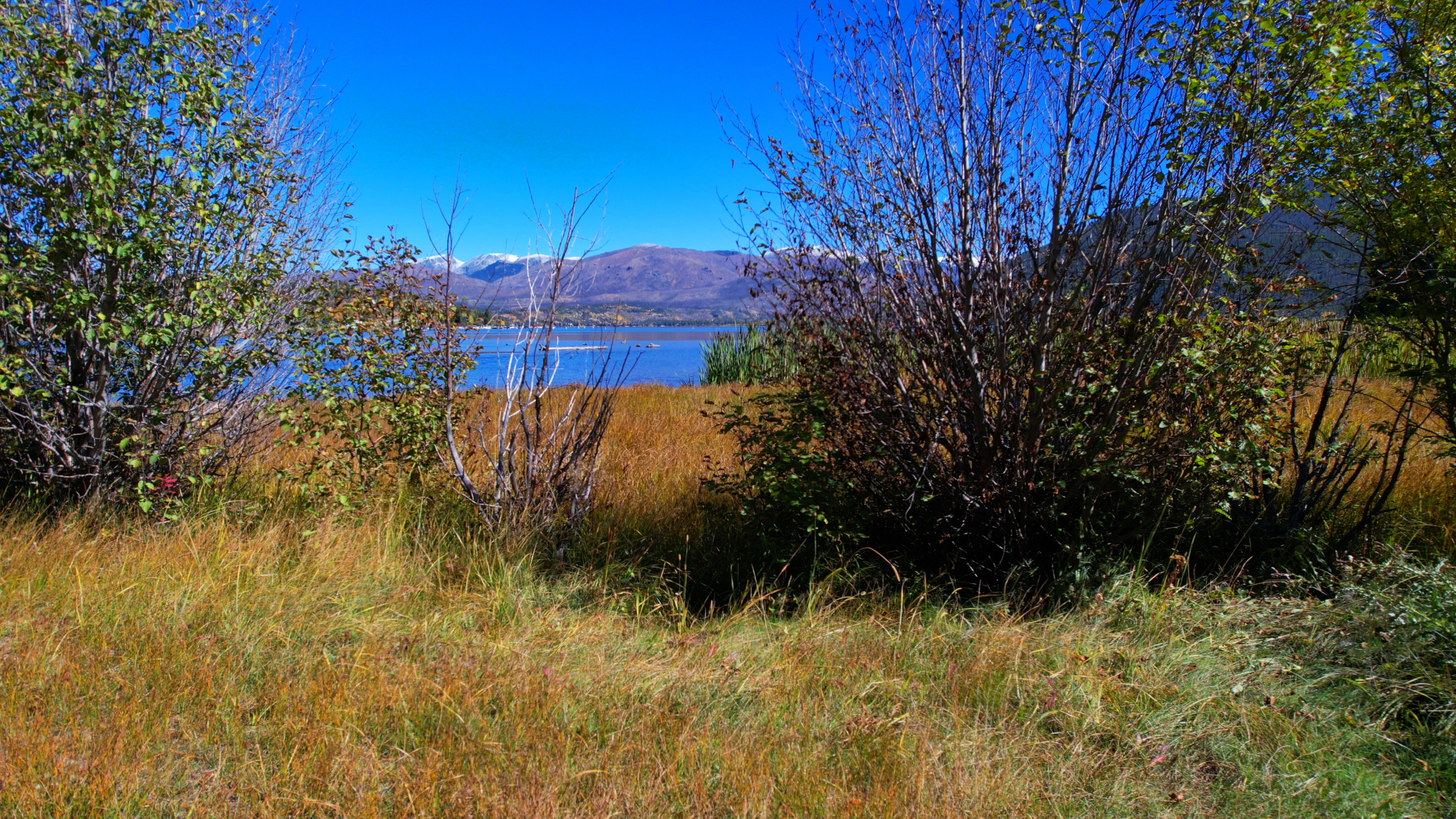
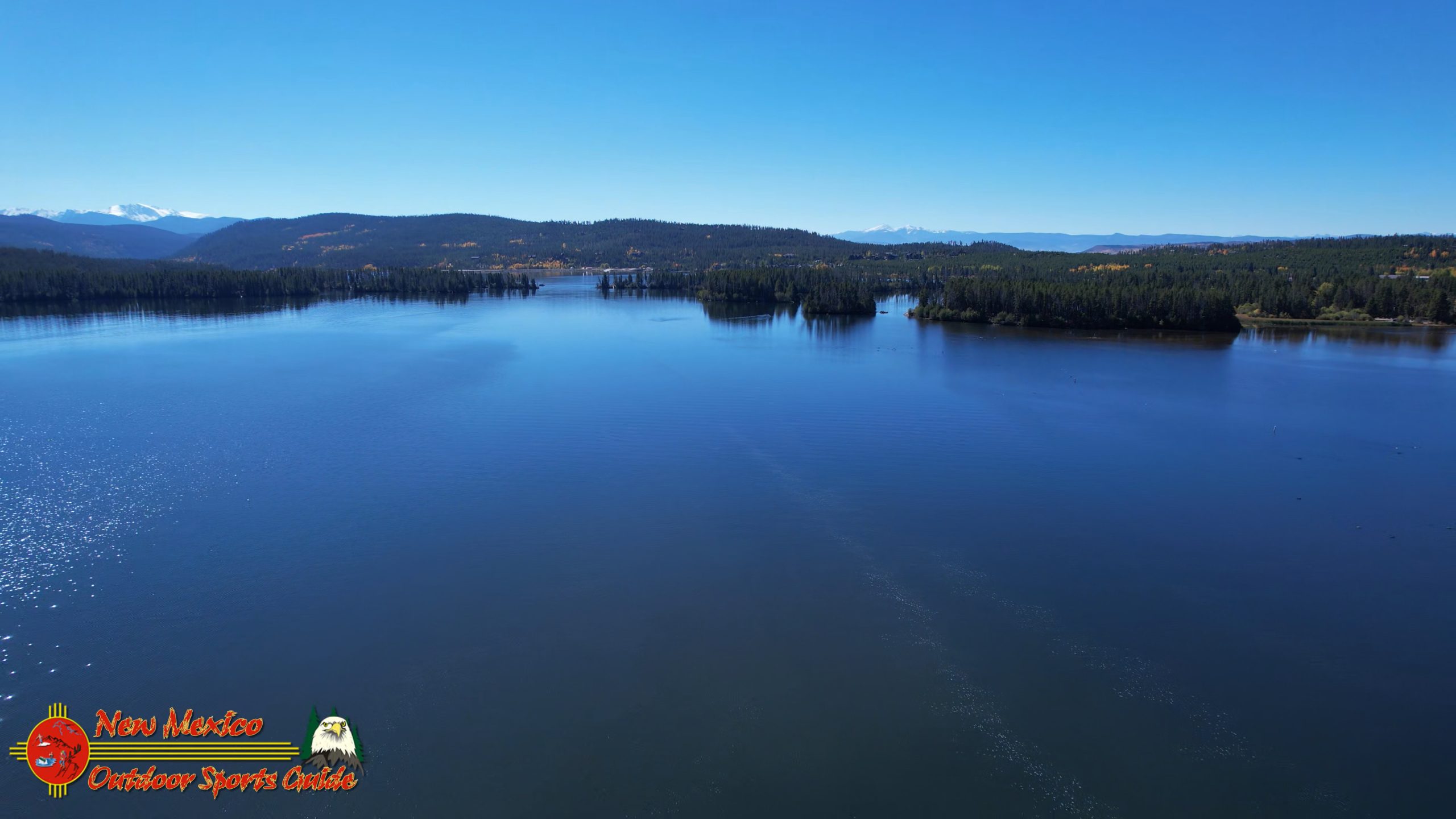
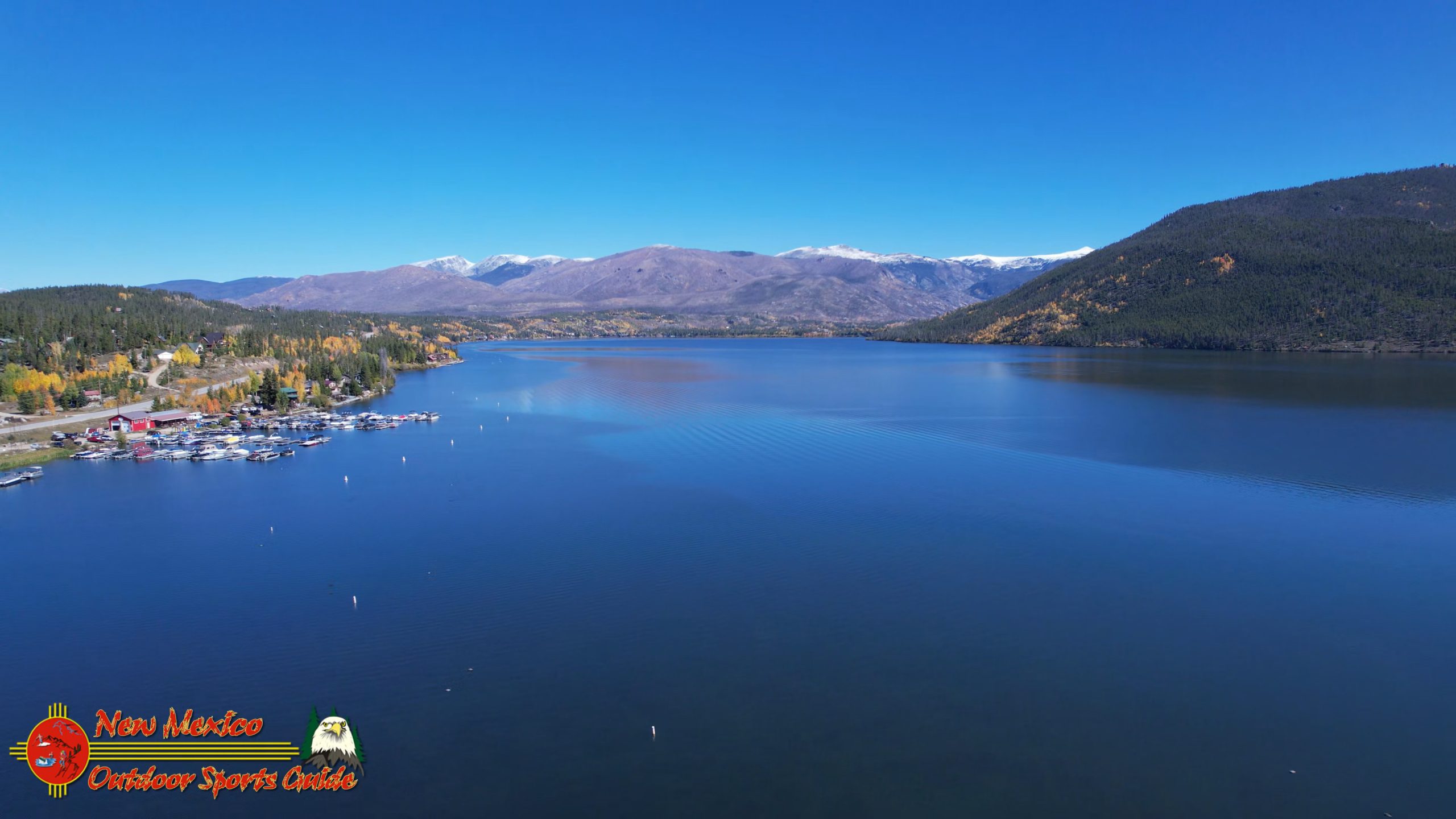
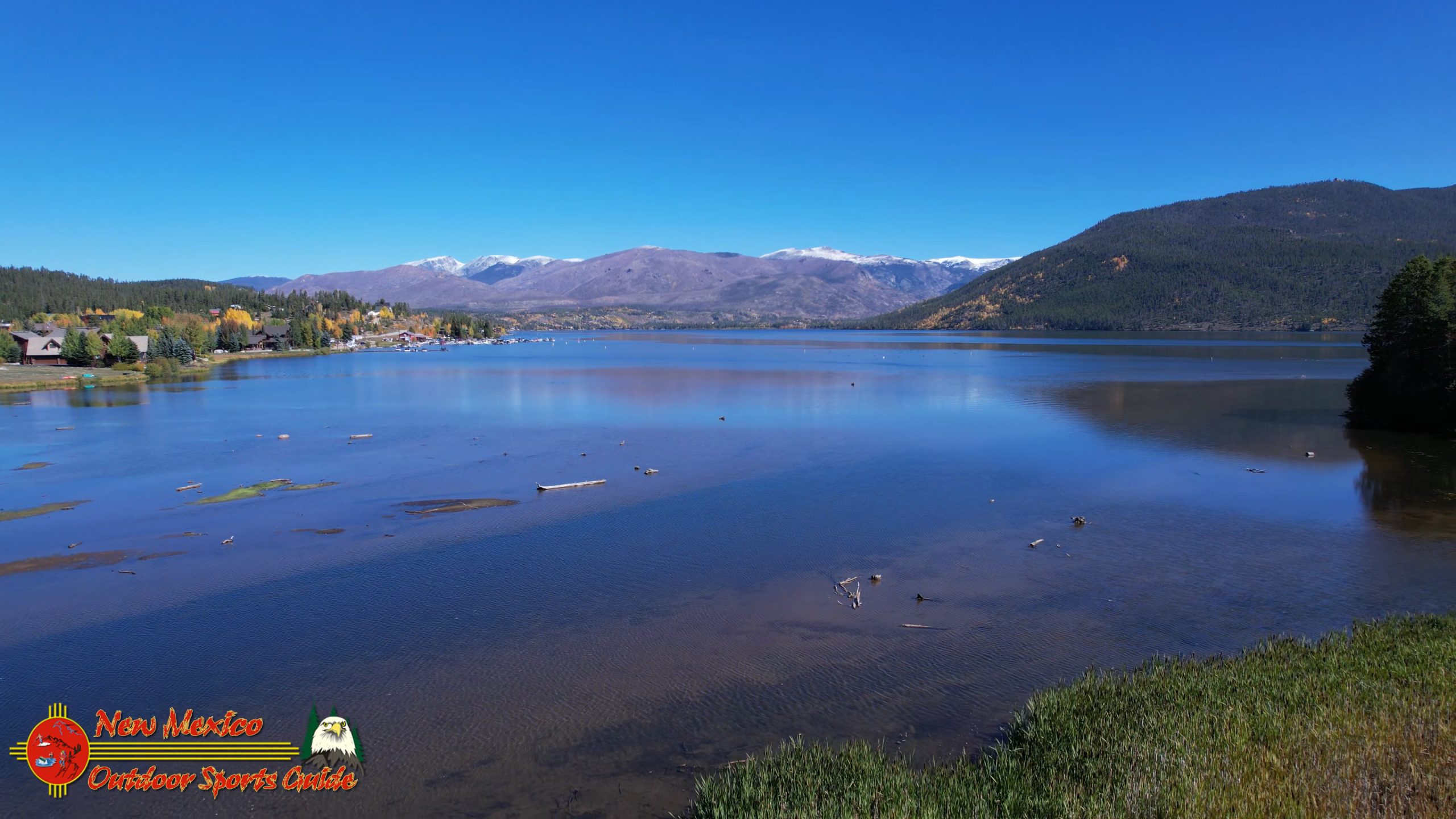
Shadow Mountain Lake spread before me like a mirror, its surface so still it perfectly reflected the surrounding peaks and forests. This wasn't the first time I'd flown here, but conditions like these were a gift. I powered up the drone, heard the familiar whir of the props, and sent it skyward.
The perspective a flying camera provides never ceases to amaze me. Even after building over 100 websites and spending decades immersed in technology, there's something almost magical about viewing the world from 200 feet up. It's the same thrill I felt logging those 2,600 hours in the Baron, but compressed into a device that fits in a backpack. The lake below transformed into an abstract painting—swirls of aquamarine and deep blue, the peninsula's green finger pointing toward the islands like a compass needle.
At this altitude, the drone is completely silent to anyone on the ground. That's crucial when searching for wildlife. I've learned that Colorado River moose are skittish creatures, particularly in areas with heavy human activity. The slightest disturbance and they melt into the forest like shadows.
I worked the telephoto lens systematically, scanning the shoreline of the peninsula first, then each island in turn. The video footage was gorgeous—the kind of pristine wilderness shots that make viewers stop scrolling on YouTube. But there wasn't a single moose. Not one massive brown form browsing in the shallows. No tell-tale antlers poking above the willow scrub. Just empty, beautiful habitat.
I brought the drone back and packed it away with a familiar mix of disappointment and determination. Paulette could read it on my face before I said a word.
"Nothing?" she asked.
"Nothing. But we've got one more card to play."
Trail Ridge Road: Last Chance
If the weather held—and that cloudless sky suggested it would—we could make one more run up Trail Ridge Road after lunch. It would be our last chance to capture moose images before heading back to Santa Fe. I'd learned long ago, whether building websites for small businesses or stalking wildlife with a camera, that persistence pays off. You keep showing up, keep trying different approaches, and sometimes the universe rewards you.
We took our time over lunch at the cabin, savoring the moment. There's a particular quality to mountain afternoons in Colorado that reminds me of the high country around our old log home, Casa Oso, in Angel Fire. That combination of thin air, brilliant sunshine, and the sense of being on top of the world. After seventeen years at 9,500 feet, watching snow pile three to four feet deep each winter and fly-fishing through glorious summers, I'd become intimate with mountain rhythms. Even now, splitting our time between Santa Fe summers and Lake Mohave winters, I feel most alive in places like this.
Rocky Mountain National Park: The Unexpected
We loaded up and headed into the western end of Rocky Mountain National Park, following the Colorado River as it wound through the valley. This was moose country—wet meadows, willow thickets, beaver ponds. I drove slowly, stopping at every promising location for a closer look. But it just wasn't meant to be on this trip.
Or so I thought.
As we climbed in altitude, the landscape transformed in that familiar progression—dense lodgepole pine giving way to quaking aspen, their leaves shimmering gold in the afternoon light, then the aspens thinning out until we broke above treeline into the alpine tundra. This is country that speaks to something primal in me. Growing up on the Kansas prairie, I knew open spaces, but the alpine tundra is different—older somehow, more severe, stripped down to essentials.
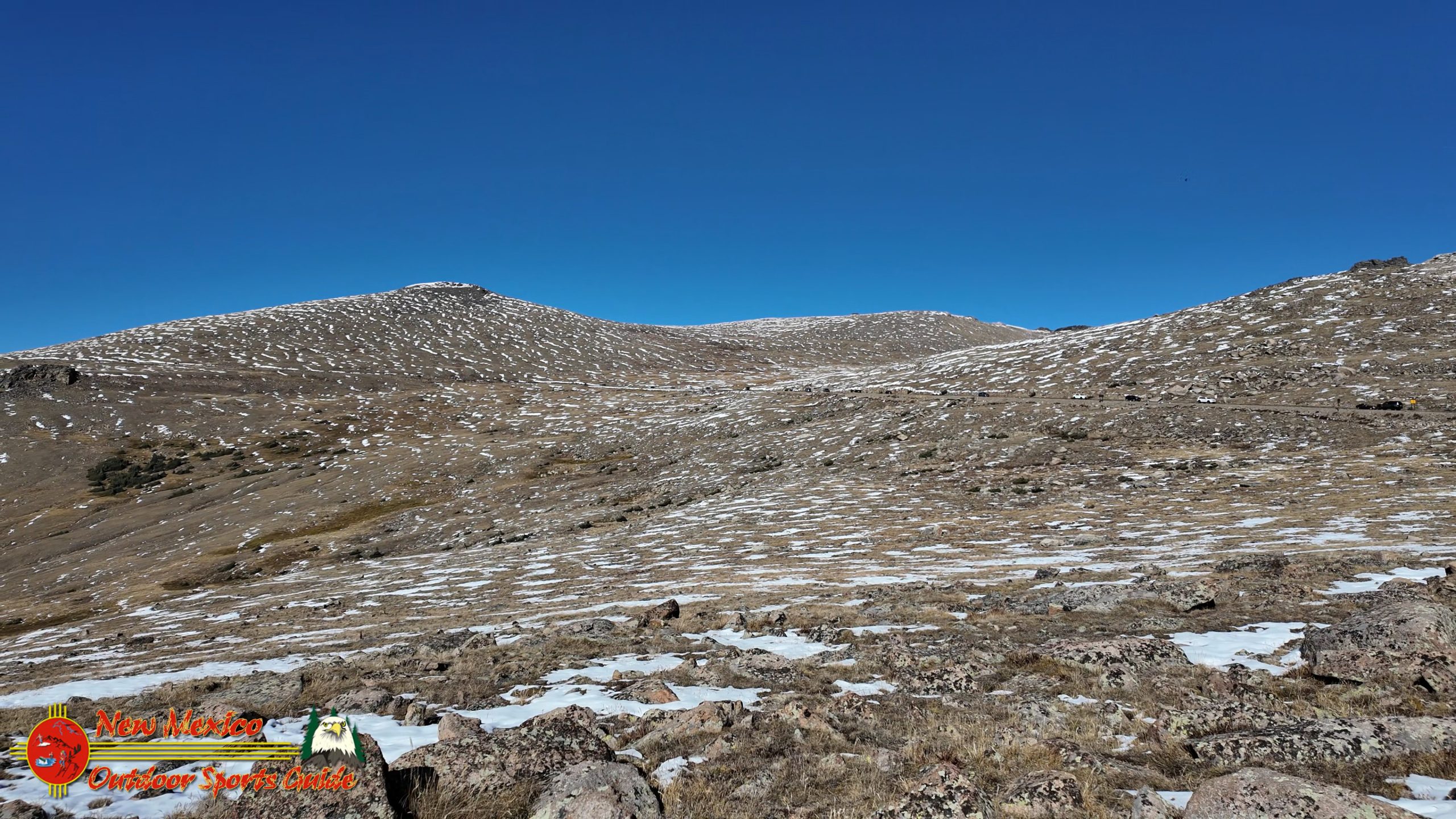
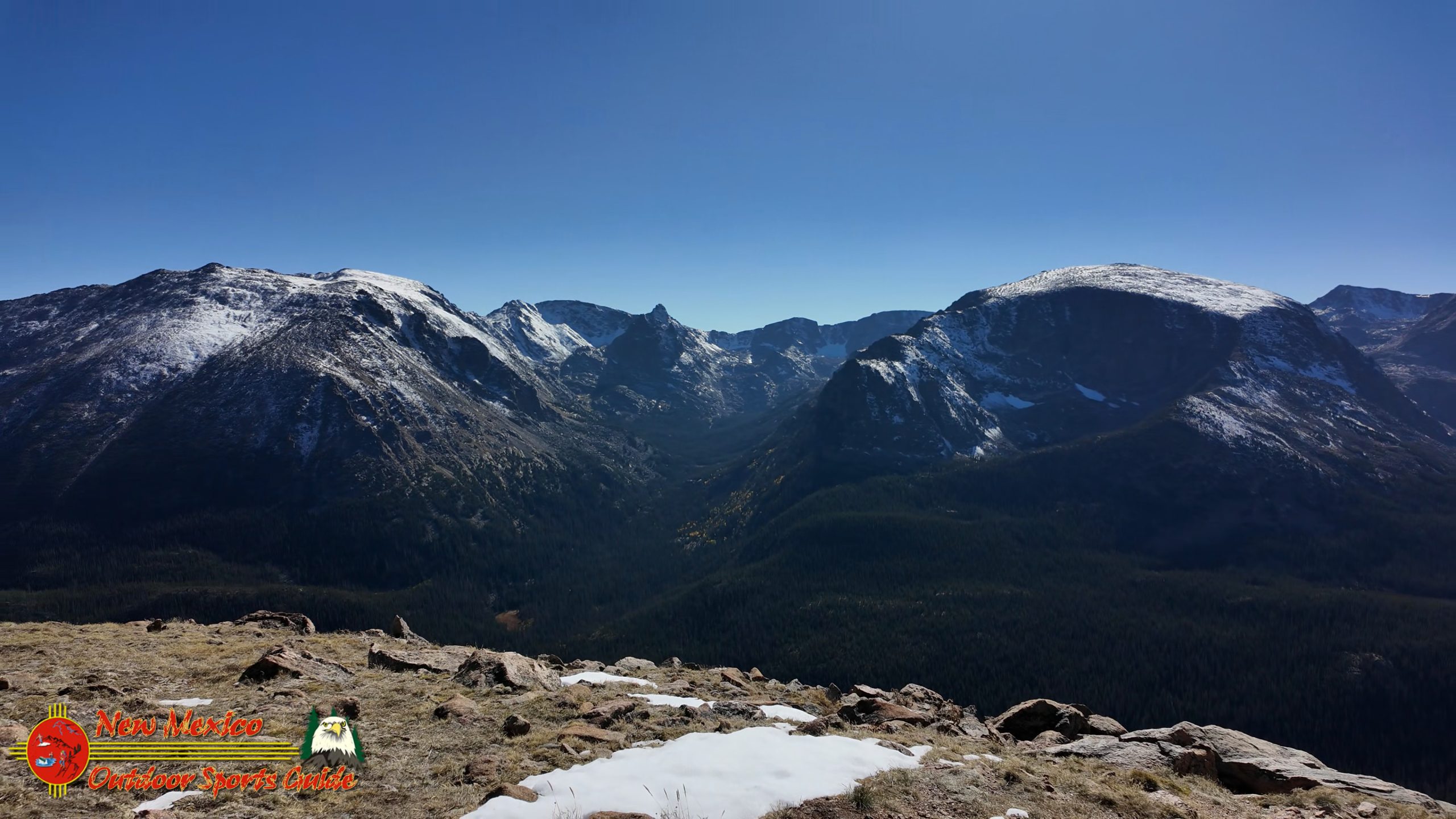
Trail Ridge Road is one of America's great mountain highways, climbing to over 12,000 feet and traversing a landscape that looks more like Alaska or Siberia than the Lower 48. The tundra plants hug the ground against relentless winds, and the views stretch for fifty miles in every direction. It's humbling country.
Near the summit of one of those rounded mountain peaks, I noticed a backup of traffic ahead. In Rocky Mountain National Park, there are always crowds, but this looked different. Cars were pulled off at odd angles, and a line of people stood along the ridge, all looking at something below.
"What do you think it is?" Paulette asked. "Bighorn sheep?"
"Maybe. Elk perhaps." But something in the way people were positioned made me curious.
I found a spot to park, grabbed my action camera, and hurried up the slope. These octogenarian legs might not be what they were when I was working construction or teaching flight students at Hull Field, but they still get me where I need to go. I reached the ridge and looked over.
Shazam. I must be hallucinating.
The Surreal Summit Moose
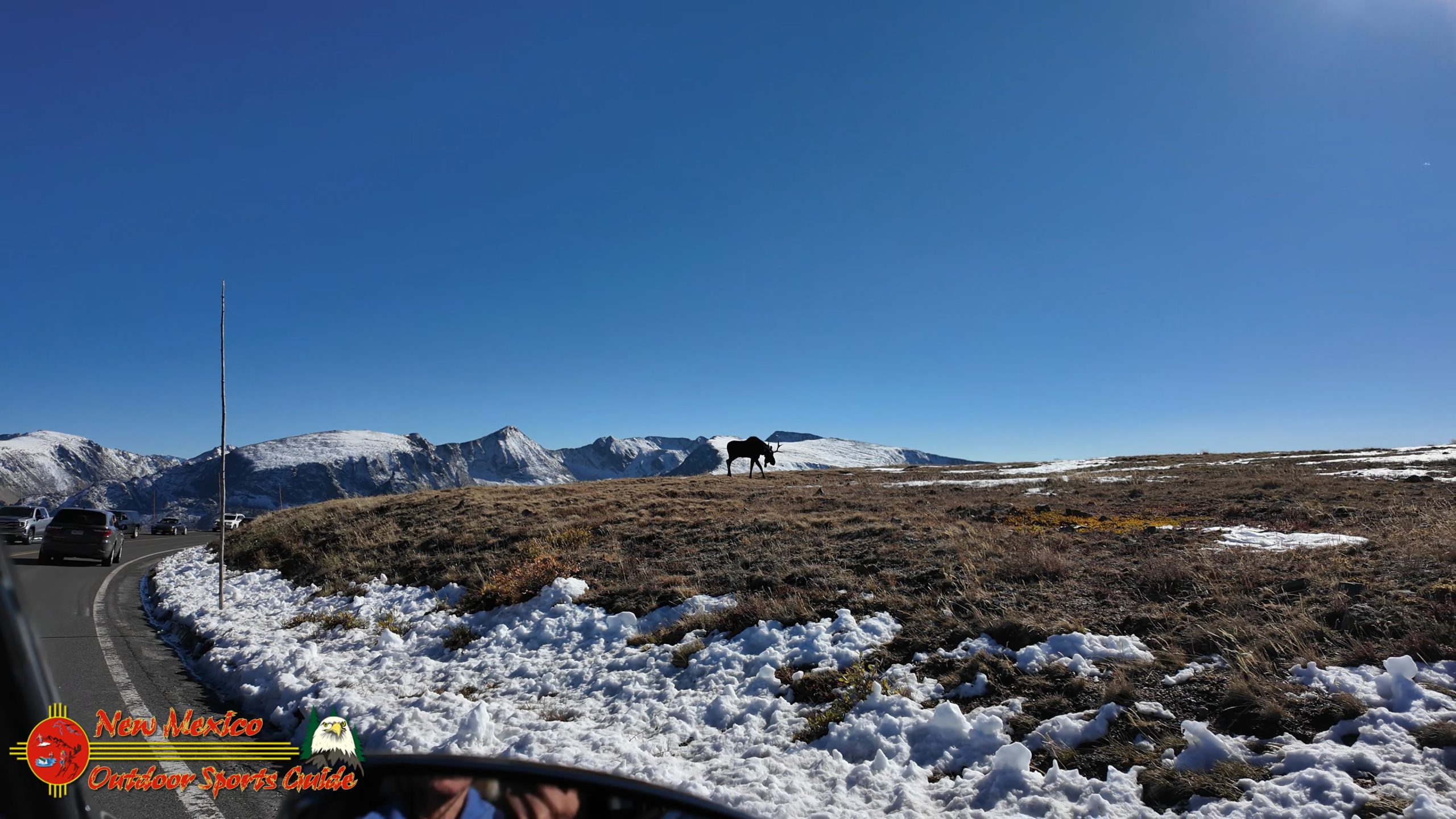
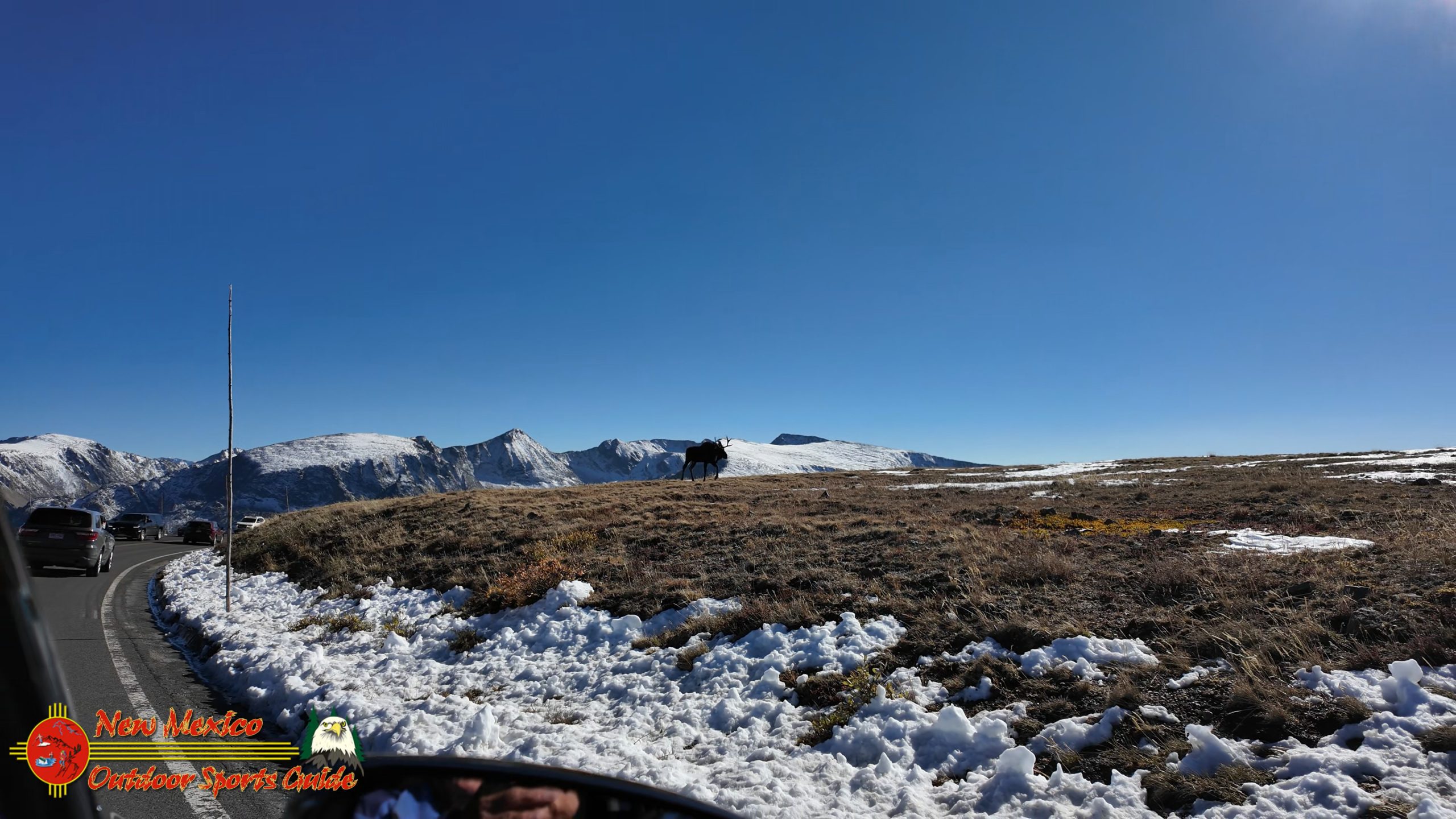
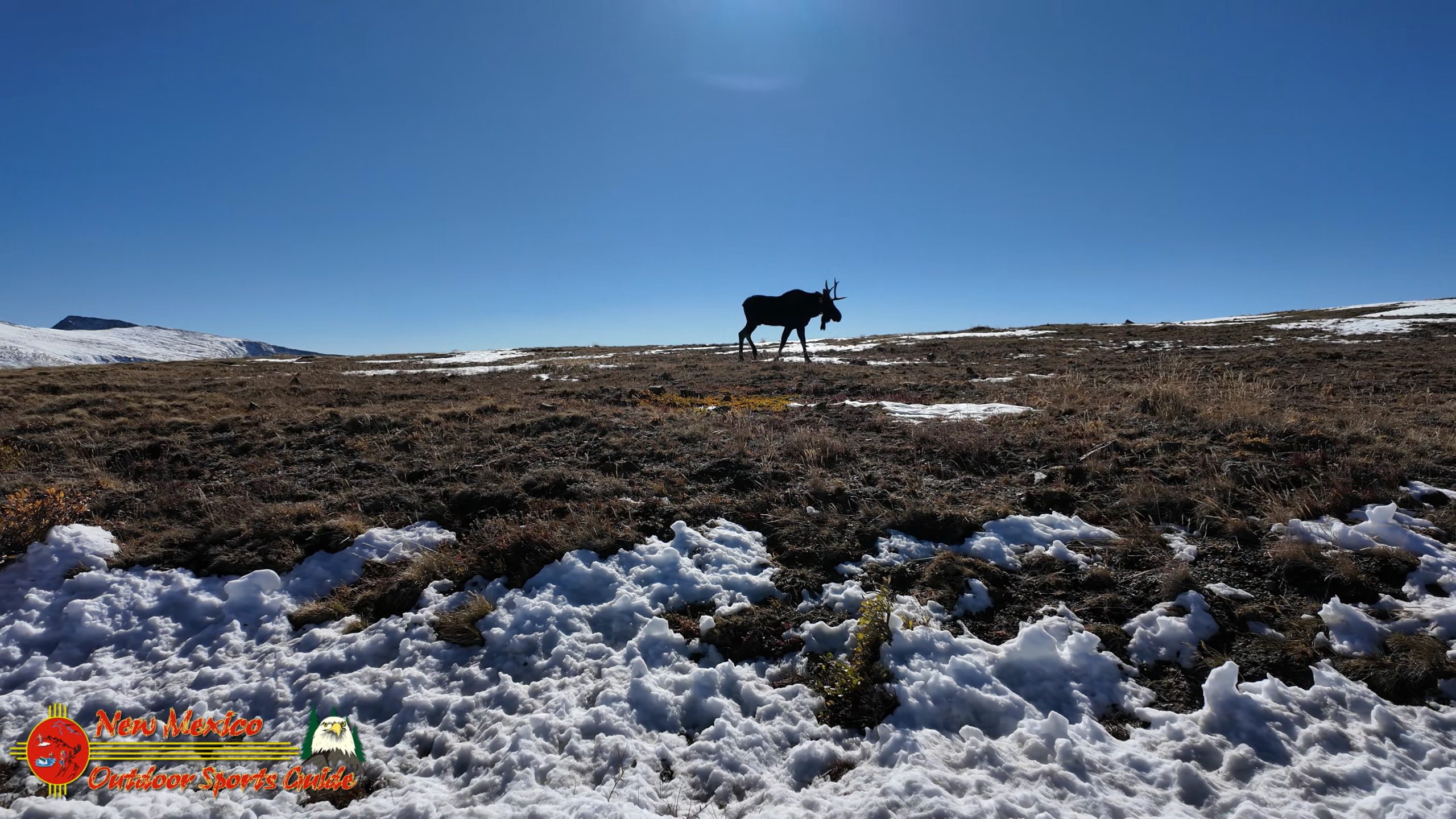
There, walking away from us across the barren mountainside, was a moose. Not in a willow thicket. Not browsing along a river bottom. But on an exposed ridge at roughly 12,000 feet above sea level, tens of miles from the nearest substantial vegetation. A solitary bull moose picking his way across the alpine tundra.
I blinked hard. The thin air can play tricks on you at this elevation, but no—that was definitely a moose. A young bull, judging by his size, though still larger than a big horse. His antlers were spikes, not the massive palmate paddles of a mature bull. He was walking parallel to the road, headed somewhere with the determined gait of an animal on a mission.
My hands shook slightly as I shot a quick ten-second video. Had to have proof. This was too surreal. Then I hurried back to the Outback.
"You're not going to believe this," I told Paulette as I slid behind the wheel. "Moose. Up here. On the tundra."
Her eyebrows rose. After forty-plus years of marriage, she knows when I'm serious.
The moose appeared to be trying to cross Trail Ridge Road to the east side, but the crowd of gawking tourists was blocking his route. I've seen this before—well-meaning people inadvertently creating barriers for wildlife. The animals want to move through their territory, and suddenly there's a wall of humans with phones and cameras.
Understanding Young Bull Moose Migration
What we were witnessing was likely a young bull moose in search of territory. This is a story as old as wildlife itself, one I'd seen play out with cattle back in the Flint Hills. Young males get pushed out by dominant bulls and have to find their own range. For moose, this can mean traveling extraordinary distances across unlikely terrain.
Colorado River moose, part of the Shiras moose subspecies, are relatively recent reintroductions to Colorado. Their population has been growing, and with that growth comes competition for prime habitat. A young bull like this one might travel dozens of miles searching for unoccupied territory—marshy valleys with abundant willows and aquatic vegetation. The fact that he was up here on the alpine tundra suggested he was taking the most direct route between valleys, paying no mind to human concepts of suitable habitat.
I drove ahead of the line of cars to a spot below the ridge where I thought the moose was heading. Years of reading terrain—from scouting construction sites to finding bass fishing holes to tracking wildlife—told me he'd likely appear right about... here.
"Get the camera ready," I told Paulette, handing her the action camera. "He's coming."
The Silhouette
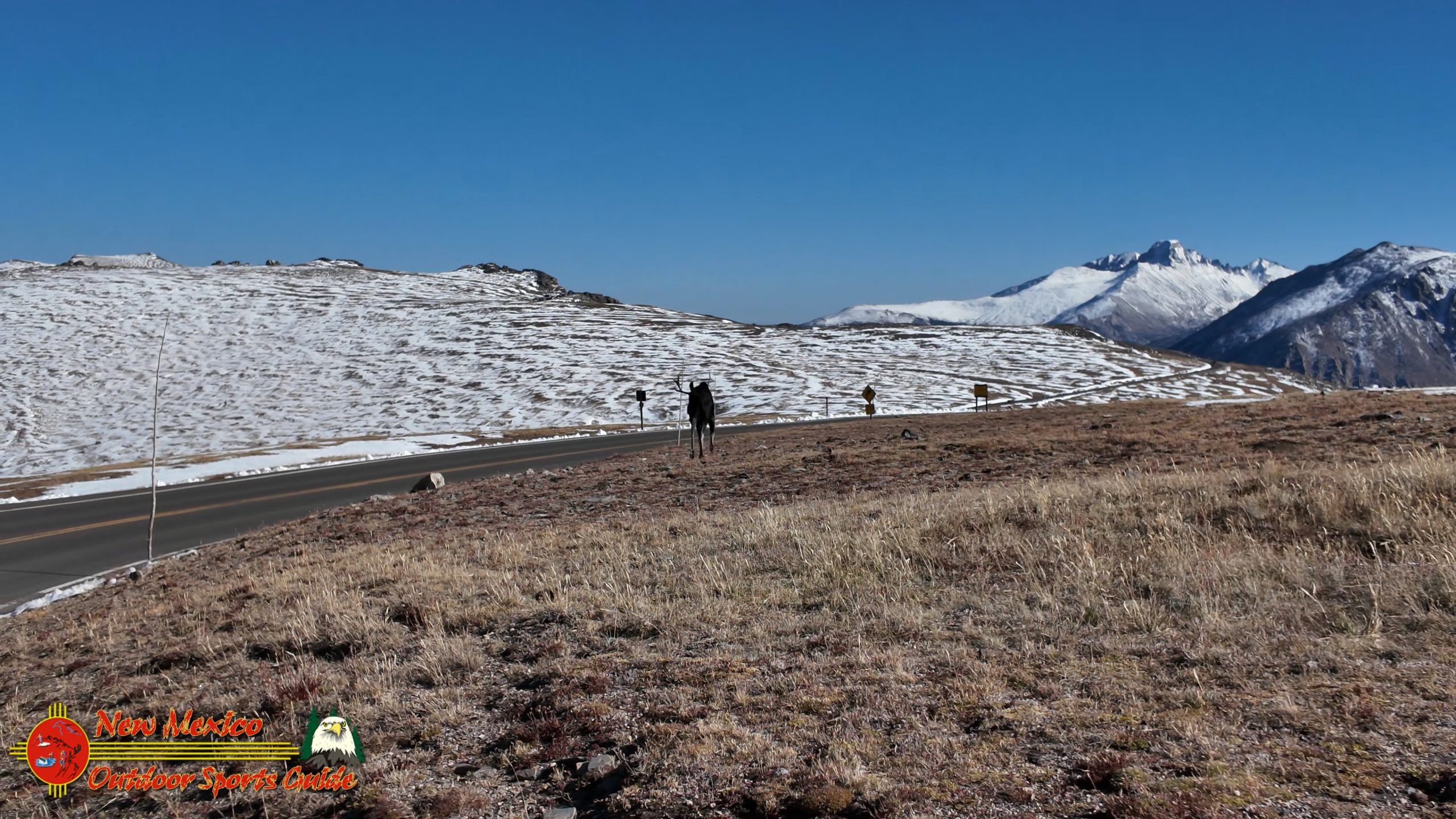
Sure enough, the young bull reappeared about thirty yards from the Outback. This close, I could see his frustration. He stopped and stomped a front leg several times—a clear sign of agitation. The late afternoon sun was directly behind him, which meant our footage would be backlit. The moose would be silhouetted against the sky, his distinctive profile unmistakable, his beard wagging as he moved.
It was exactly the kind of shot wildlife photographers dream about—dramatic, atmospheric, telling a story. But I also recognized the animal's stress. He was obviously frustrated at not being able to cross the road unimpeded, to get on with his journey. Whatever lay on the east side of the mountain range—miles distant across that vast landscape—was calling to him. Perhaps new territory he could claim as his own. Perhaps the ancient knowledge, encoded in his DNA, that somewhere over there was the right combination of water, willows, and solitude.
I didn't pursue him for more shots.
Paulette captured the moment beautifully—this massive creature, out of place yet perfectly adapted, moving through a landscape that seemed utterly wrong for moose yet somehow right in this particular moment. We watched as he finally found a gap in the traffic and crossed Trail Ridge Road, heading east across the tundra toward the distant peaks.
The Gift
As I turned the Outback around at the next opportunity and began the descent back toward Shadow Mountain Lake and our cabin, I couldn't shake the feeling that something larger than coincidence had just occurred. Call it providence, call it luck, call it whatever you like—but after days of searching likely moose habitat with drone and camera, finding nothing, we'd been given this gift in the final hours of our adventure.
A Colorado River moose on a barren mountaintop at nearly 12,000 feet above sea level. It was surreal. It was perfect. It was exactly the kind of moment that keeps me documenting the wilderness and wildlife of the American Southwest, even as I edge deeper into my eighties.
Growing up on those beef and dairy ranches in the Kansas Flint Hills, I learned early that the land gives you what you need, not always what you want, and rarely on your schedule. Whether I was punching cows, flying coworkers in the Baron, running Centaur Installations, or publishing fishing magazines, that lesson held true. You do the work, you show up, you stay patient, and sometimes—just sometimes—you're rewarded beyond your expectations.
The drive back to the cabin was quiet. Paulette fixed dinner while I packed gear, both of us processing what we'd witnessed. Tomorrow would bring the long, beautiful drive back to Santa Fe, to Casa Santa Fe with its proximity to hiking trails and the Sky Railway. The Colorado River headwaters trip would be over, but the memory of that young bull moose—bearded and determined, crossing a mountain above the treeline—would remain vivid.
Reflections on the Search
Looking back on these five days searching for Colorado River moose, I'm struck by how much the hunt mirrored life itself. You plan carefully, study the maps and habitat, deploy the best technology available—whether that's a camera drone or custom accounting software or HTML code. You put in the time and effort. And still, you can't force the outcome.
Shadow Mountain Lake, with its glassy perfection, yielded no moose despite looking ideal. The willow thickets along the Colorado River, textbook moose habitat, were empty. But a barren ridge at 12,000 feet, where no reasonable person would expect to find a moose, delivered exactly what we'd been seeking.
There's a metaphor in there somewhere, probably one I learned back on the ranch or maybe during those early days building websites for small businesses before anyone really understood what the internet would become. The best opportunities often appear where you least expect them, and the key is being ready to recognize and capture them when they do.
The Eagle's Eye Perspective
Flying that drone over Shadow Mountain Lake earlier in the day had provided stunning footage and useful reconnaissance, even if it didn't deliver moose. That eagle's eye view, that ability to see landscape from above, remains one of modern technology's greatest gifts to wildlife photographers and outdoorsmen. It's changed how I scout locations, how I understand terrain, how I tell visual stories.
But there's no substitute for being out there on the ground—or in this case, at 12,000 feet on Trail Ridge Road—when the unexpected happens. The drone gives you intelligence and beautiful establishing shots. Your own eyes, your own presence in the landscape, delivers the moments that matter.
Why the Alpine Tundra?
I've had time since to research why a young bull moose might be traversing the alpine tundra so far from typical habitat. Biologists studying moose migration patterns have documented surprisingly long movements, particularly among young bulls displaced by dominant males. These animals will cross seemingly inhospitable terrain—high ridges, open valleys, even major highways—to reach new territory.
The alpine tundra, while harsh and lacking in moose food, offers clear travel routes with excellent visibility. A young bull can see potential threats from miles away and move efficiently between mountain valleys. It's the highway system of the high country, used by elk, bighorn sheep, and apparently moose when they need to cover serious ground.
Our young bull was likely traveling from the west-side valleys of Rocky Mountain National Park toward the east-side drainages—territory that might be less crowded with established bulls. It's a risky journey, exposing him to predators, weather, and vehicles, but it's what young male moose have done for millennia. Those ancient migration instincts don't care about paved roads or tourist traffic.
The Long Drive Home
Tomorrow, as Paulette and I make our way back to Santa Fe, we'll carry with us more than just video footage and photographs. We'll carry the memory of patience rewarded, of plans both fulfilled and upended, of a young moose on an impossible mountain doing what young moose do—searching for a place to call home.
At my age, I'm acutely aware that each trip into the mountains might be my last, though I'm stubborn enough to not dwell on that. These landscapes—the Colorado Rockies, the Sangre de Cristos above Santa Fe, the desert canyons around Lake Mohave—have become as essential to me as those Kansas prairies were to the boy I once was. They feed something deep in my soul that all the years flying planes, running companies, and building websites never quite satisfied.
The American Southwest, with its mountains, alpine valleys, wildlife, forests, rivers, streams, lakes, and deserts, offers endless stories for those patient enough to listen and watch. This trip to the Colorado River headwaters in search of moose has been one such story—one I'm honored to share with you.
And who knows? Maybe next summer, when we return to the high country, we'll check in on our young bull moose. By then he'll have found his territory, grown into his antlers, and settled into the rhythm of mountain life. Or maybe he'll still be wandering, still searching, still following that ancient pull toward some perfect willow thicket he's never seen but somehow knows is waiting.
Either way, I'll be looking for him.
Final Thoughts on Colorado River Moose
The Colorado River moose, these magnificent animals reestablishing themselves in their historic range, represent more than just successful wildlife management. They're symbols of resilience and adaptation, of wild things finding ways to persist even in an increasingly crowded world. Seeing that young bull at 12,000 feet—so far from where any guidebook says moose should be—reminded me that wildlife doesn't read our rules. They write their own stories across landscapes we can barely comprehend.
For anyone planning their own search for Colorado River moose, my advice is simple: check the obvious places—Shadow Mountain Lake, the willow bottoms along the river, the beaver ponds and marshy meadows. Use whatever tools you have, including drones where legal and appropriate, to cover ground efficiently. But also be ready for the unexpected. Be ready to find moose on mountaintops, in places that make no sense, at moments when you've nearly given up.
Because that's when the magic happens. That's when the land rewards your patience with gifts beyond imagining—a silhouette against the setting sun, a young bull on a mission, a story you'll carry home to tell around the dinner table and share with readers halfway across the country.
The Colorado River headwaters will always be here, flowing cold and clear from the Rockies, nurturing the ecosystems that support moose and countless other species. And as long as I'm able, I'll keep returning with cameras and curiosity, documenting these wild places and the creatures that call them home.
Until next time, may your trails be clear and your moose sightings frequent—even if they happen at 12,000 feet where no moose has any business being.

0 Comments