
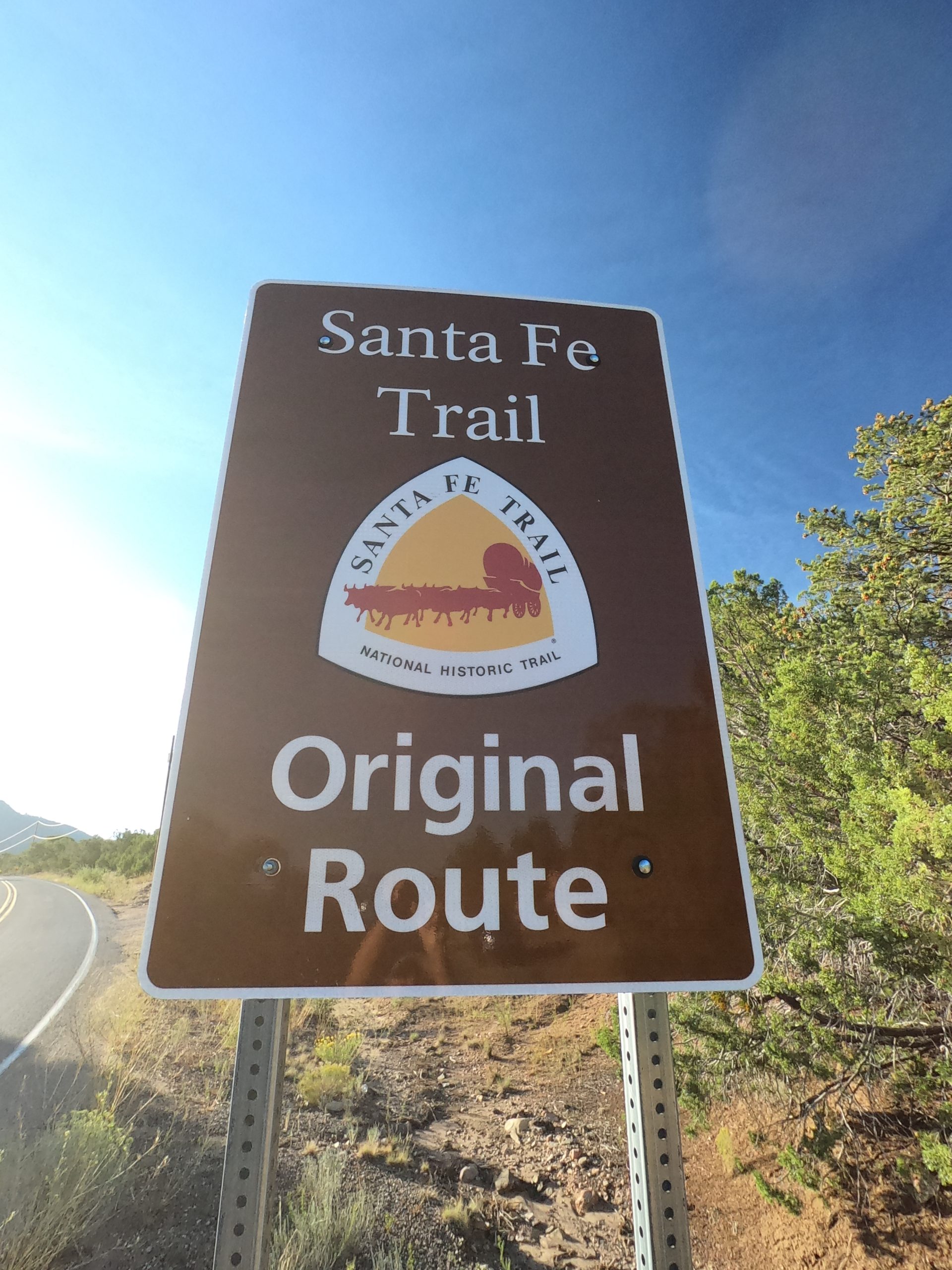
 A personal reflection on traveling America's most legendary trade route, from a teenager's wide-eyed wonder in 1959 to an octogenarian's contemplative journey in 2025
The summer of 1959 feels like both yesterday and a lifetime ago. I was fifteen, sunburned and ranch-tough from working the cattle on our spread in the Kansas Flint Hills outside Manhattan. The prairie stretched endlessly in every direction, broken only by the ancient limestone outcroppings that gave our region its name. Life moved at the pace of seasons and cattle, until my older cousin rolled up in his gleaming 1958 Ford Thunderbird with an offer that would change my perspective forever.
"Want to take a road trip to Las Vegas?" he asked, his Ray-Bans reflecting the Kansas sun.
Las Vegas! In a Thunderbird! For a ranch kid whose idea of excitement was watching westerns at the local movie house, this was like being invited to ride with the cavalry. I couldn't say yes fast enough.
What I didn't fully grasp then was that we'd be following one of the most storied routes in American history – the Santa Fe Trail. Growing up on every western movie ever made, I knew the names: Kit Carson, William Becknell, the Cimarron Cutoff. But knowledge gleaned from Hollywood matinees was nothing compared to actually traveling that legendary path.
The Trail That Built the West
The Santa Fe Trail wasn't just a route – it was America's first international commercial highway. Beginning in 1821, when Mexico gained independence from Spain and opened its borders to American trade, this 900-mile lifeline connected Missouri to the exotic markets of Santa Fe. For six decades, until the railroad arrived in 1880, it carried everything from manufactured goods and silver to dreams and desperation across the Great Plains and into the high desert of New Mexico.
William Becknell, the "Father of the Santa Fe Trail," made the first trading expedition in 1821 with a small pack train. When he returned to Missouri with his saddlebags full of Mexican silver coins, word spread like wildfire. Soon, massive freight wagons pulled by teams of oxen were groaning westward under loads of cotton cloth, hardware, and whiskey, returning east heavy with silver, furs, and Mexican crafts.
The trail was divided into two main routes after Dodge City, Kansas. The Mountain Route, which we followed in 1959, curved northwest through southeastern Colorado, over Raton Pass, and down through Moreno Valley into Santa Fe. The Cimarron Cutoff was shorter but more dangerous, cutting southwest across the waterless Cimarron Desert – a gamble that saved time and miles but cost many lives to Comanche raids and thirst.
A Thunderbird on the Ancient Path
That day in 1959, cruising in air-conditioned luxury at 70 mph, I had no appreciation for what those original travelers endured. The journey that took us less than a day had required two months of backbreaking labor, constant vigilance, and no small amount of luck for the wagon trains. While we stopped for hamburgers and milkshakes, they subsisted on beans, hardtack, and whatever game they could shoot.
But even from the comfort of a Thunderbird, the landscape commanded respect. As we crossed into Colorado and began climbing toward Raton Pass, the endless prairie gave way to piñon and juniper, then ponderosa pine. The air grew thin and sweet. Through the car windows, I could see the wheel ruts worn deep into the earth by thousands of wagons – scars that remain visible today, nearly two centuries later.
The descent into Moreno Valley was breathtaking then, and it still takes my breath away now. The valley opens up like a vast green bowl, surrounded by the Sangre de Cristo Mountains, their peaks still touched with snow even in summer. Eagle Nest Lake sparkled in the distance like a sapphire dropped from heaven. This was where the original traders must have felt they were entering another world entirely – leaving behind the familiar grasslands of home for something wild and wonderful.
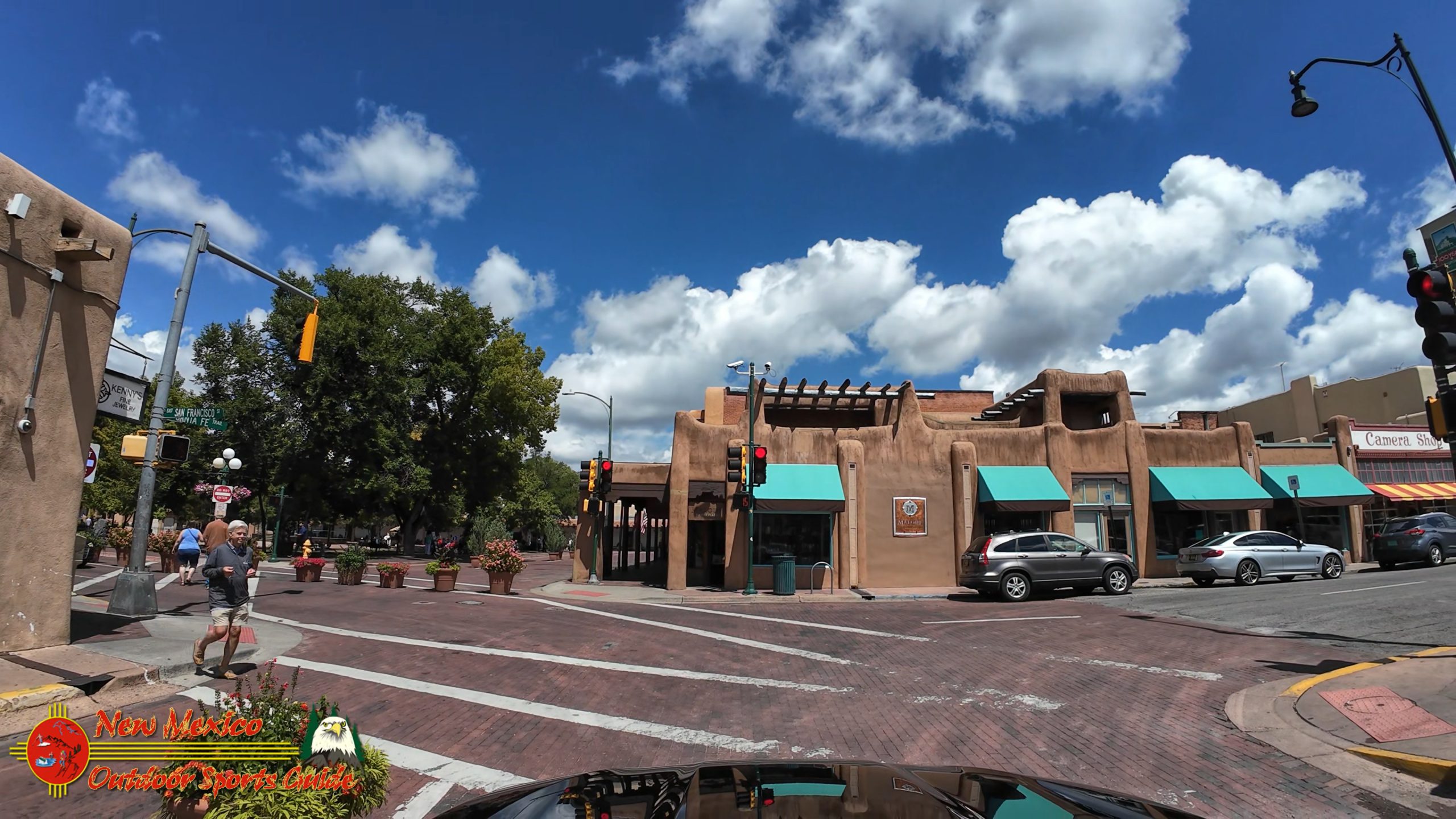
But it was Santa Fe itself that really captured my fifteen-year-old imagination. As we crested the final hill and saw that first white adobe building gleaming in the afternoon sun, I felt like I was riding into one of those westerns I'd grown up watching. The Plaza, with its low-slung buildings and wooden portales, looked exactly like it should have – timeless, mysterious, touched with the romance of the Old West.
The Trail Today: Old Santa Fe Trail to the Plaza
Fast-forward sixty-six years to 2025, and I find myself an octogenarian living in Santa Fe, my wife Paulette and I having settled permanently at what I call Casa Santa Fe after decades of adventures from the high country of Angel Fire to the desert shores of Lake Mohave. Now, instead of being just a destination glimpsed through a Thunderbird's windshield, Santa Fe is home. And remarkably, I can still follow much of that original route into the heart of the city.
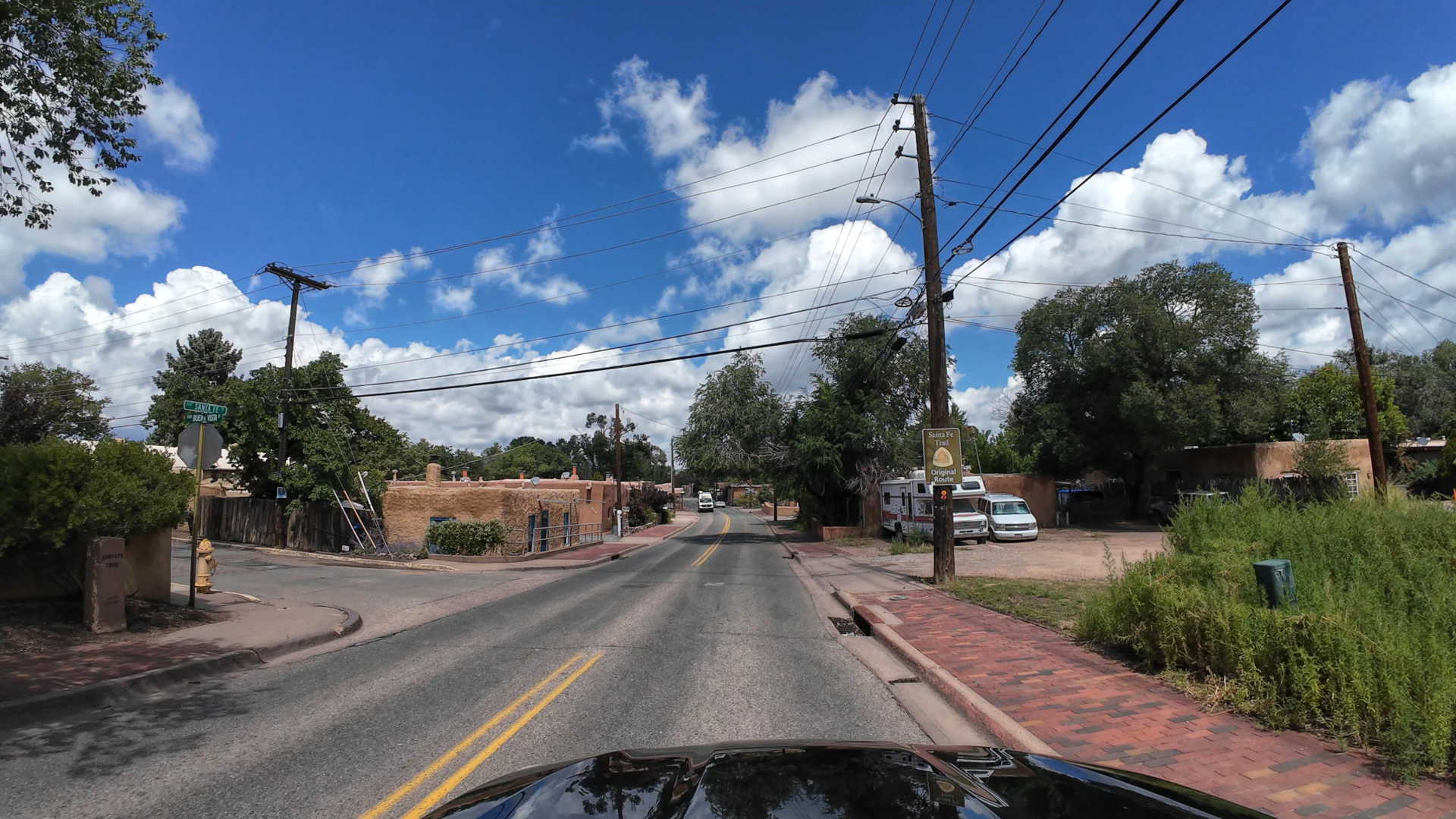
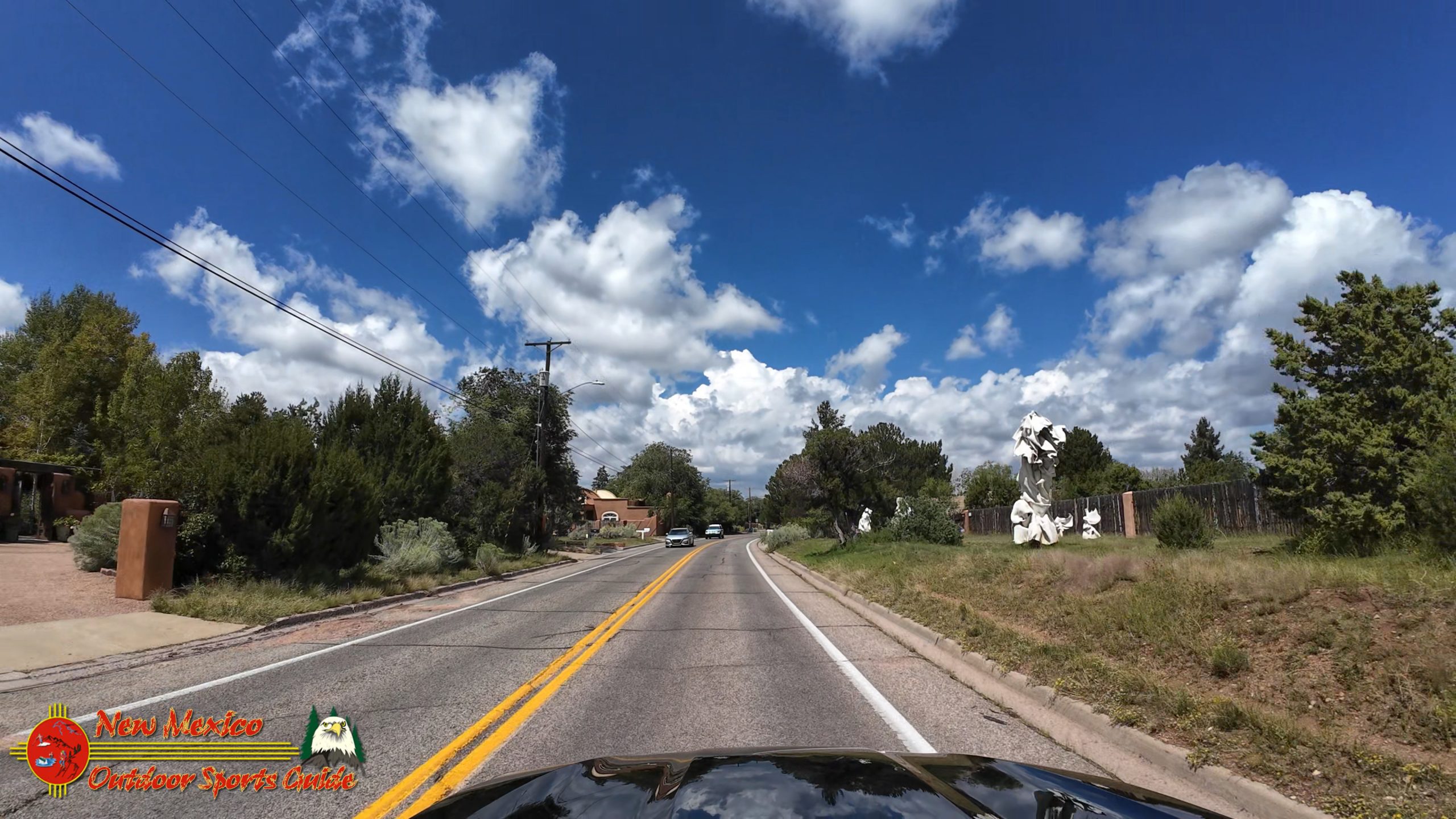
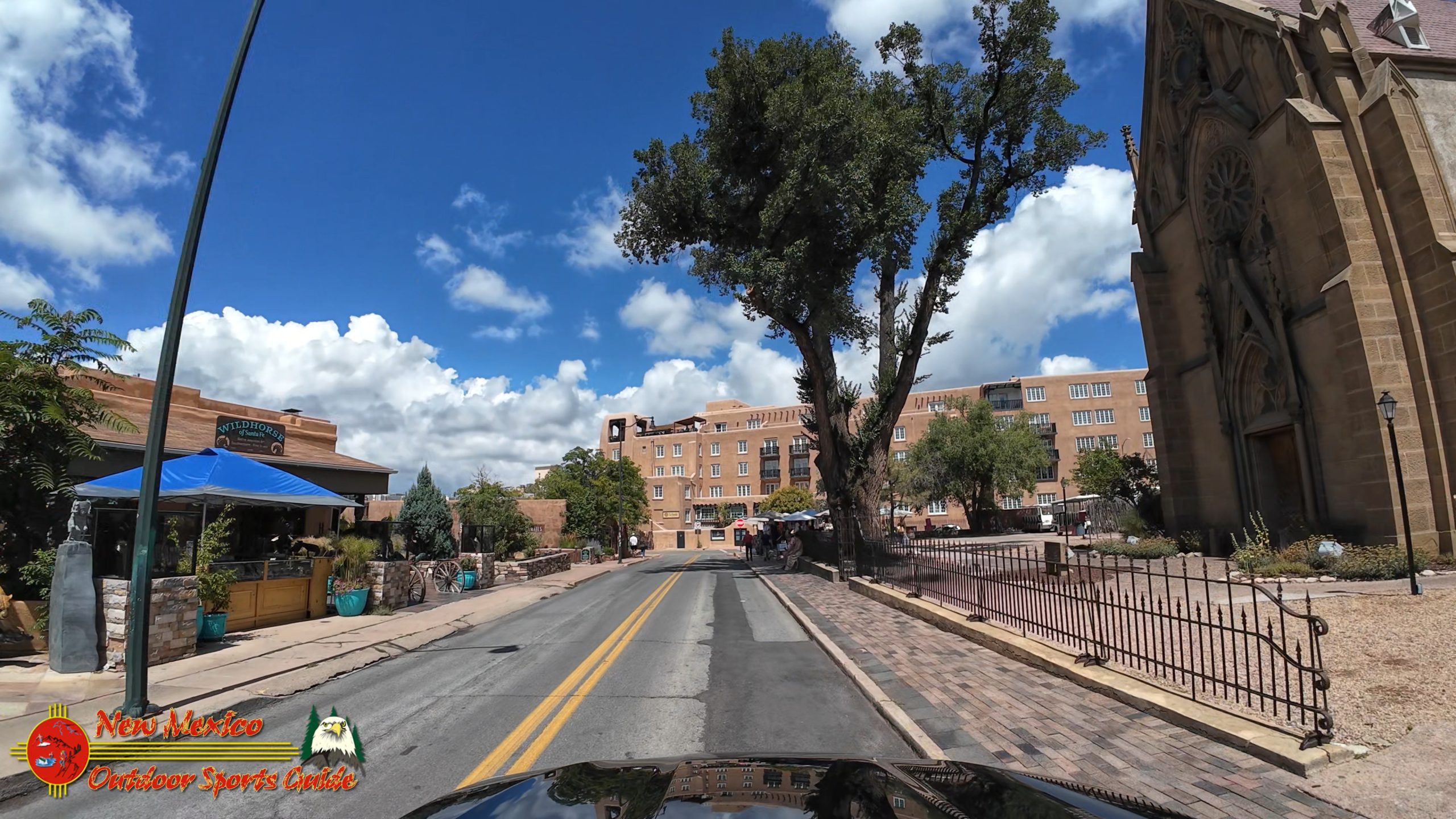
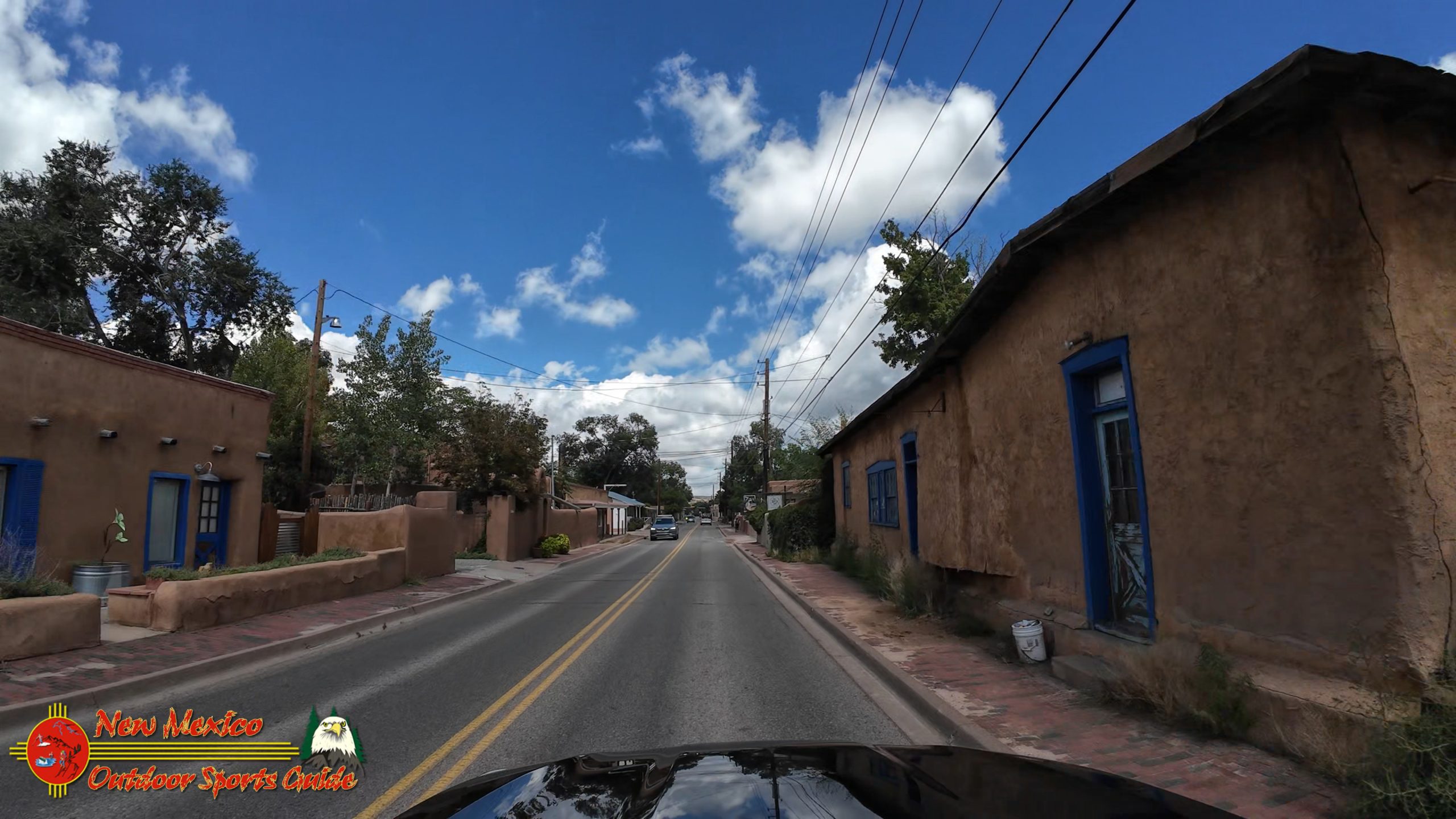
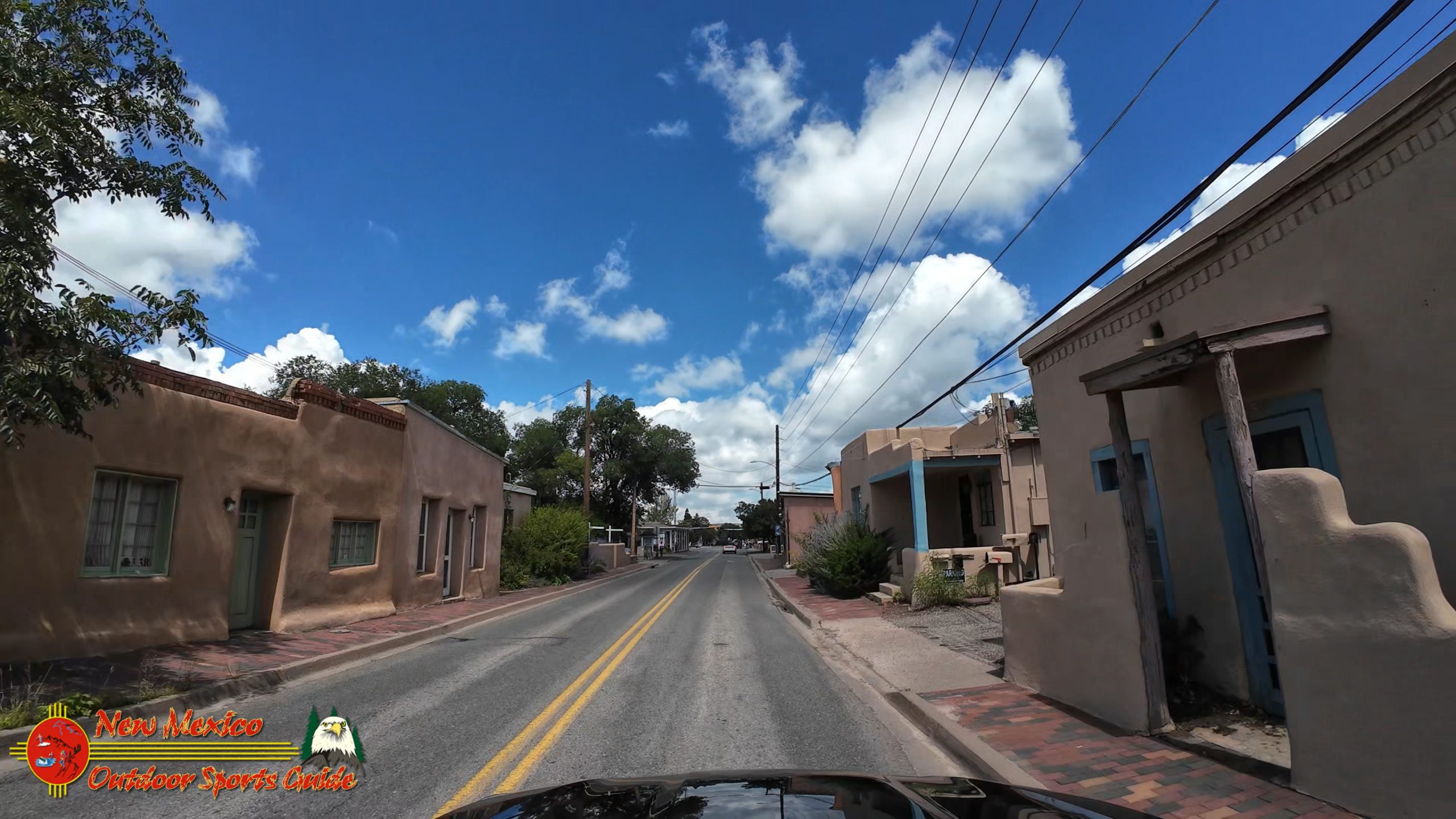
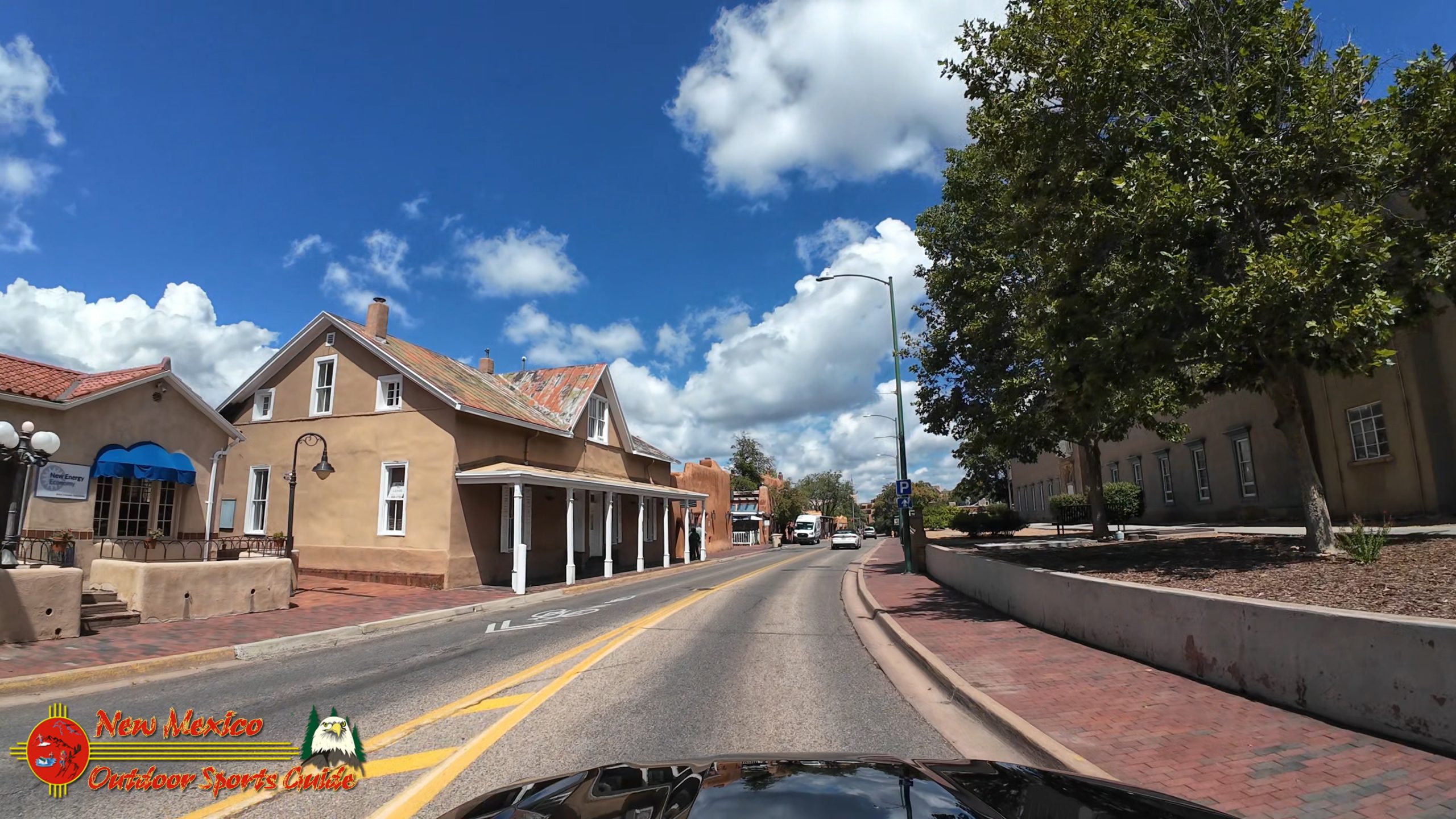
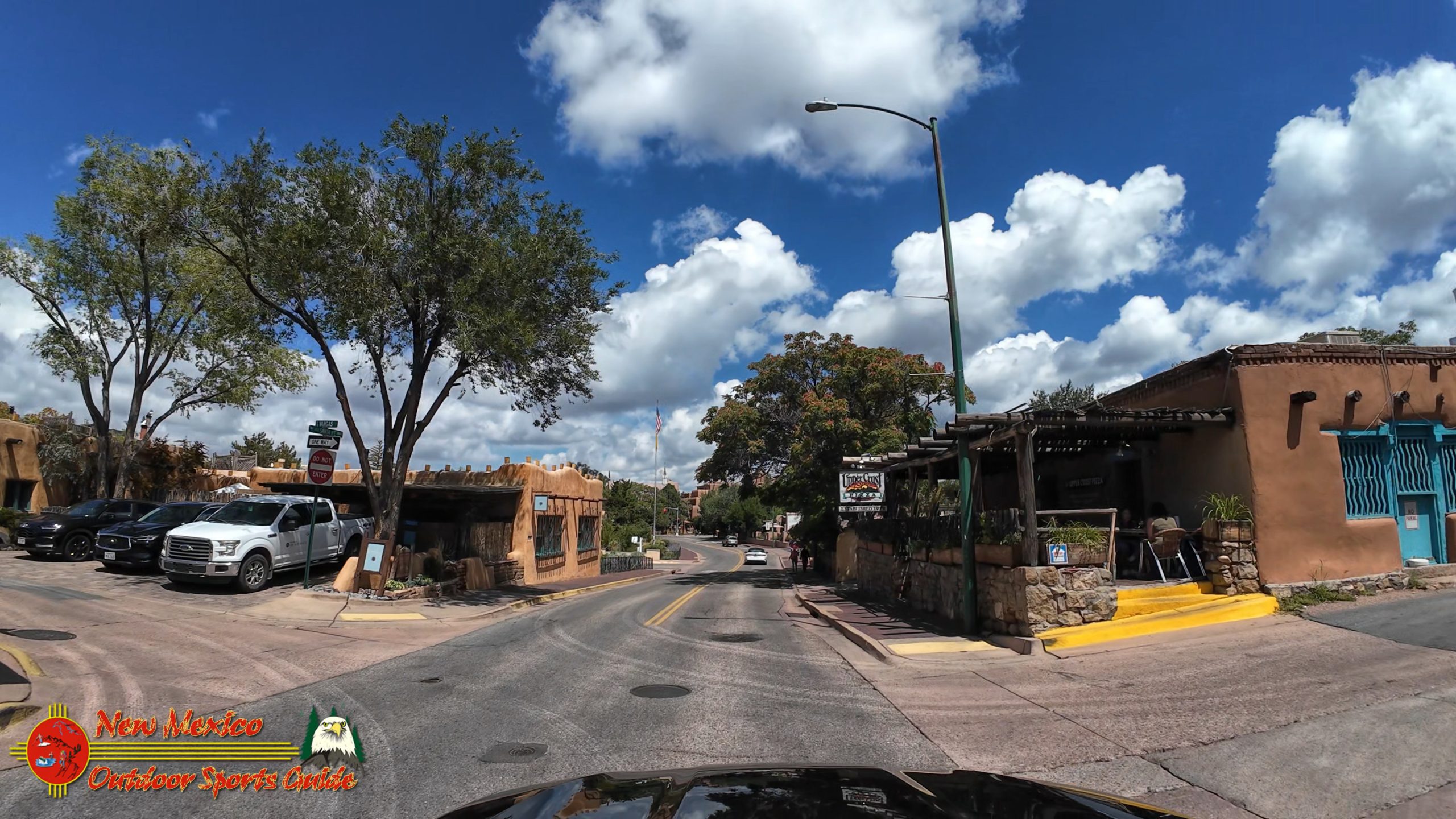
Several times a week, I make the journey from our home southeast of Santa Fe into downtown, usually with camera gear in tow for my ongoing documentation of Southwestern wilderness and wildlife. My route takes me along Old Las Vegas Highway, then onto Old Santa Fe Trail – the very path that thousands of traders, settlers, and adventurers traveled in their covered wagons and on foot.
Every single time I make this drive, my mind drifts back to those original travelers. What must it have felt like to crest that final hill after two months on the trail and see the Plaza spread out before them? The relief must have been overwhelming – they'd made it, they were alive, and Santa Fe meant safety, commerce, and the exotic pleasures of a foreign city.
The anticipation of finally reaching their destination after weeks of watching the Sangre de Cristo Mountains grow larger on the horizon must have been electric. These weren't tourists or casual travelers – they were men (and occasionally women) who had risked everything on this journey. Some were seeking their fortunes, others running from troubles back home. All of them were betting their lives that the Santa Fe trade would pay off.
A Living Museum
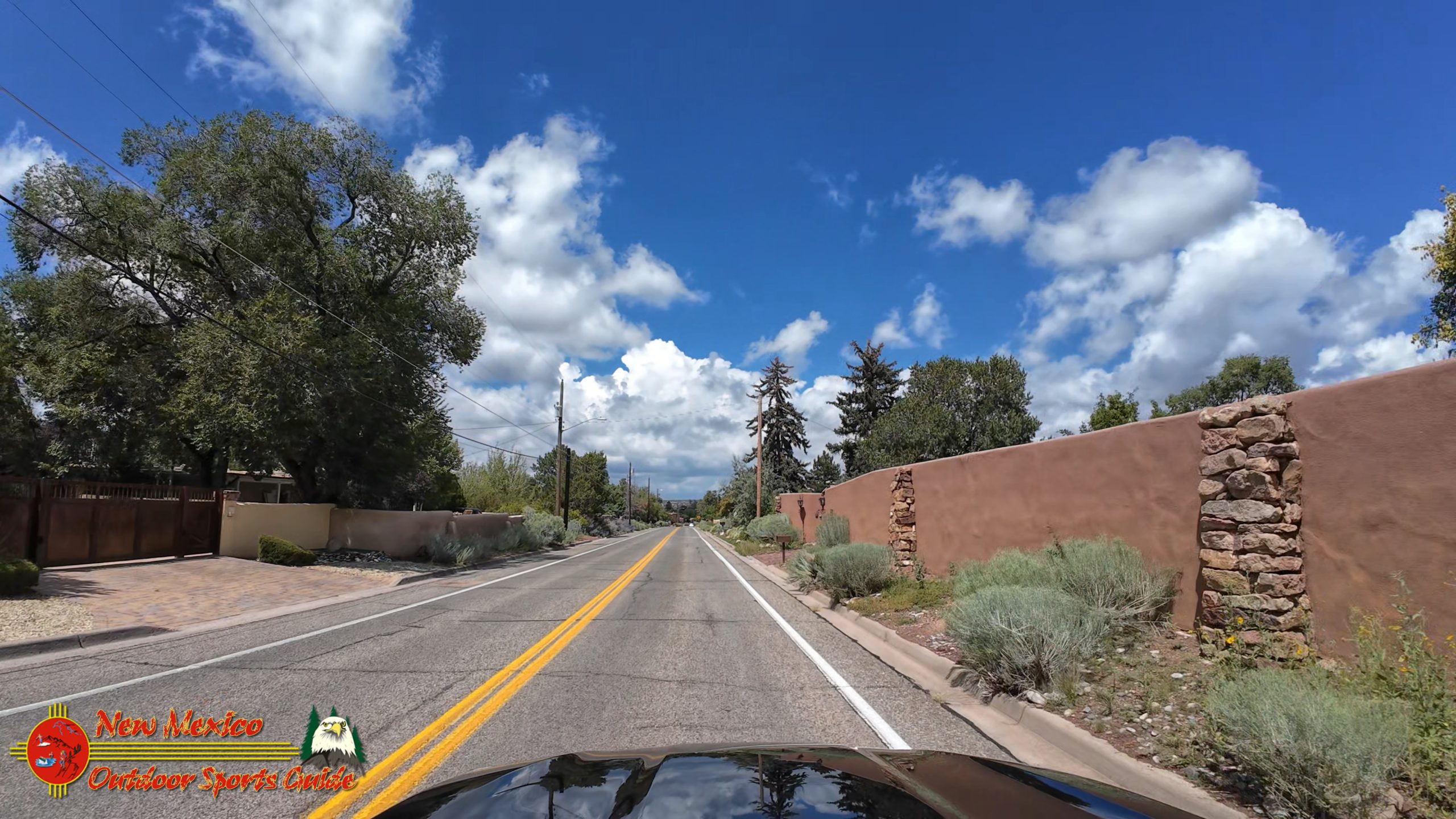
Today's Old Santa Fe Trail follows much of the original route, though it's been paved, widened, and civilized beyond recognition. Where wagon trains once camped under the stars, subdivision houses now cluster behind adobe-style walls. Where oxen grazed and teamsters cursed, landscaped medians bloom with native plants and carefully placed boulders.
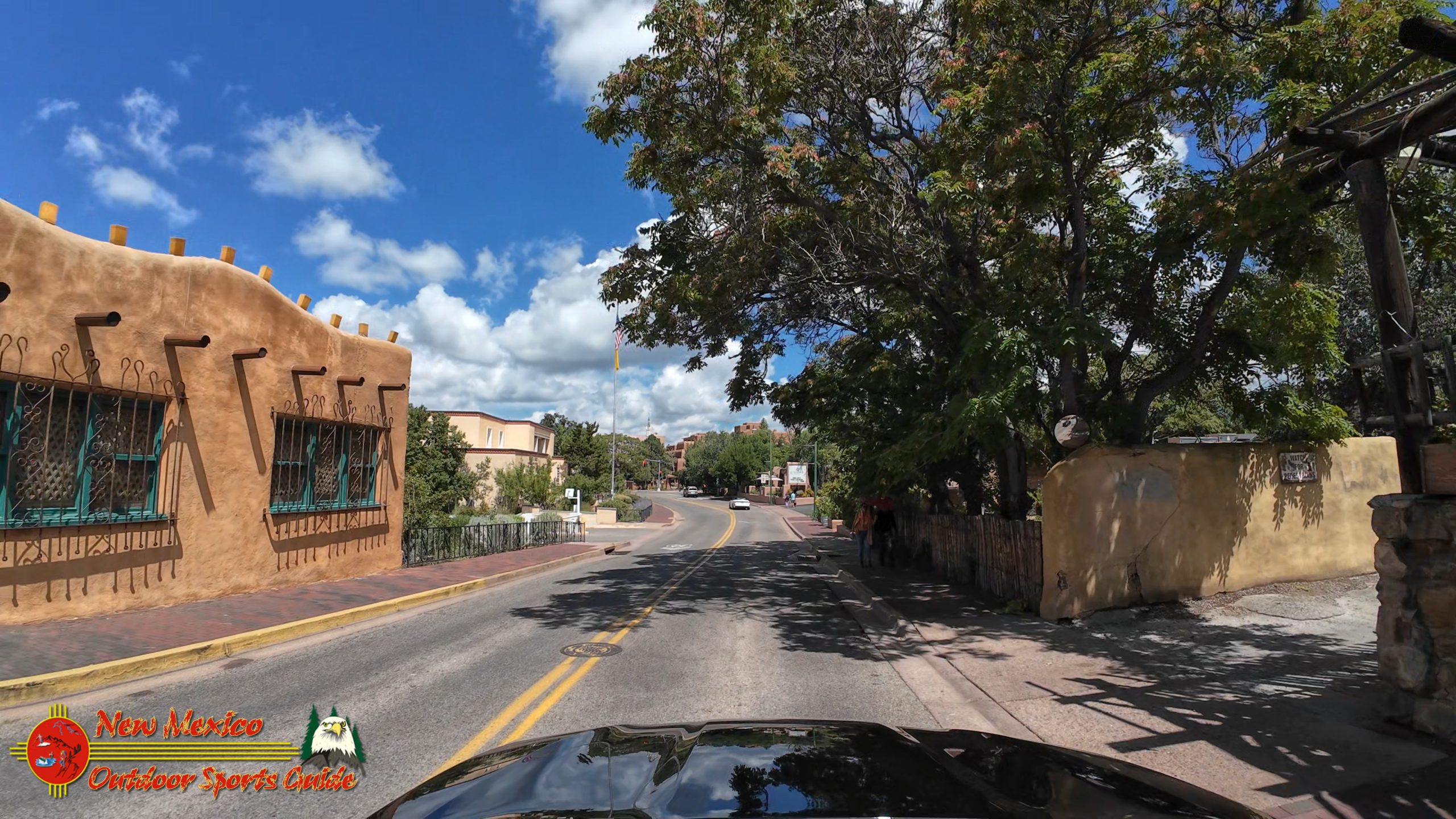
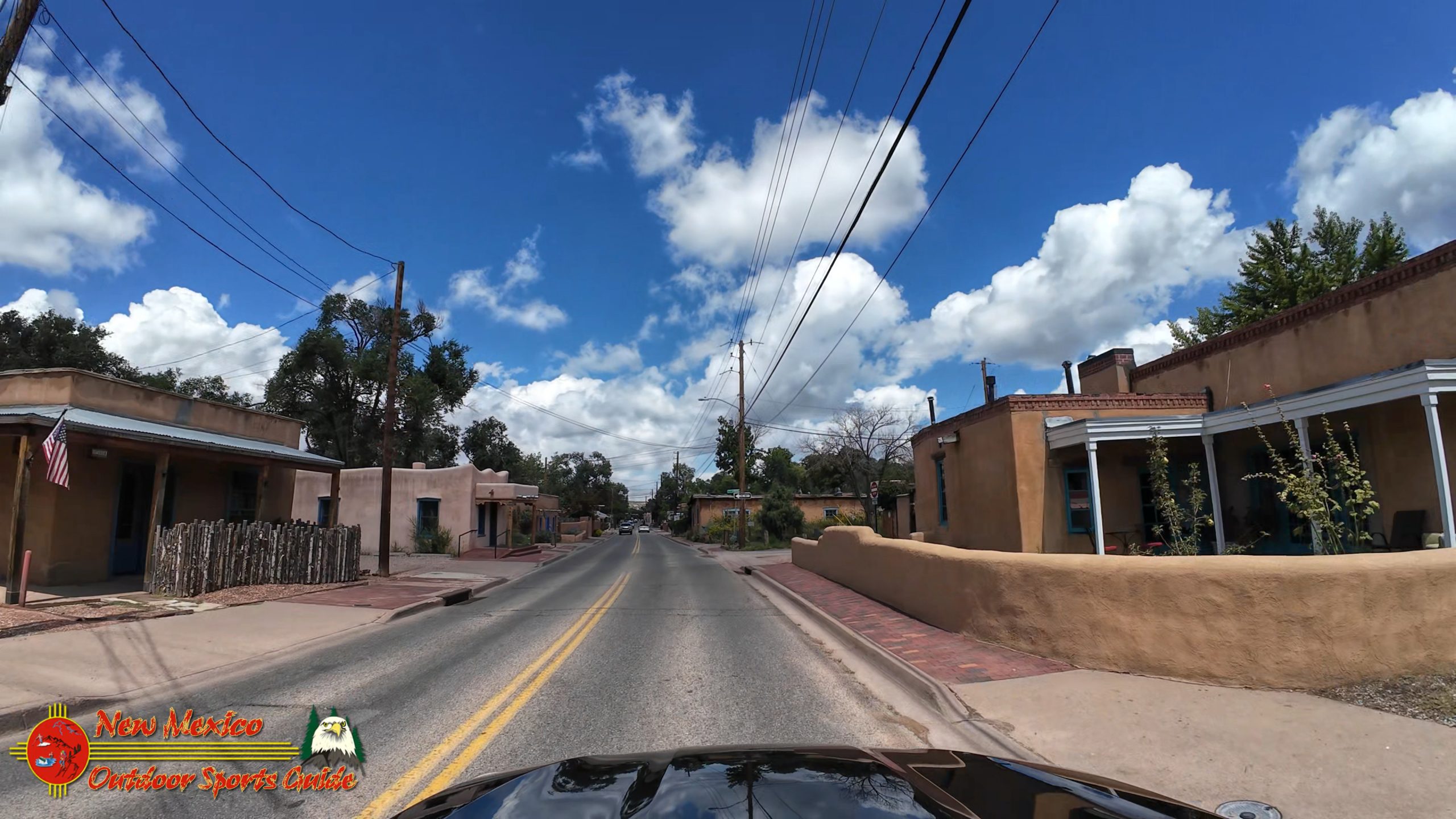
Yet the bones of the old trail remain. The geography hasn't changed – the same arroyos cut across the path, the same distant peaks frame the horizon. And remarkably, many of the adobe homes that line the route near downtown are genuinely old, some dating back three hundred years or more. Their thick walls, small windows, and flat roofs speak of a time when buildings were fortresses against both weather and raiders.
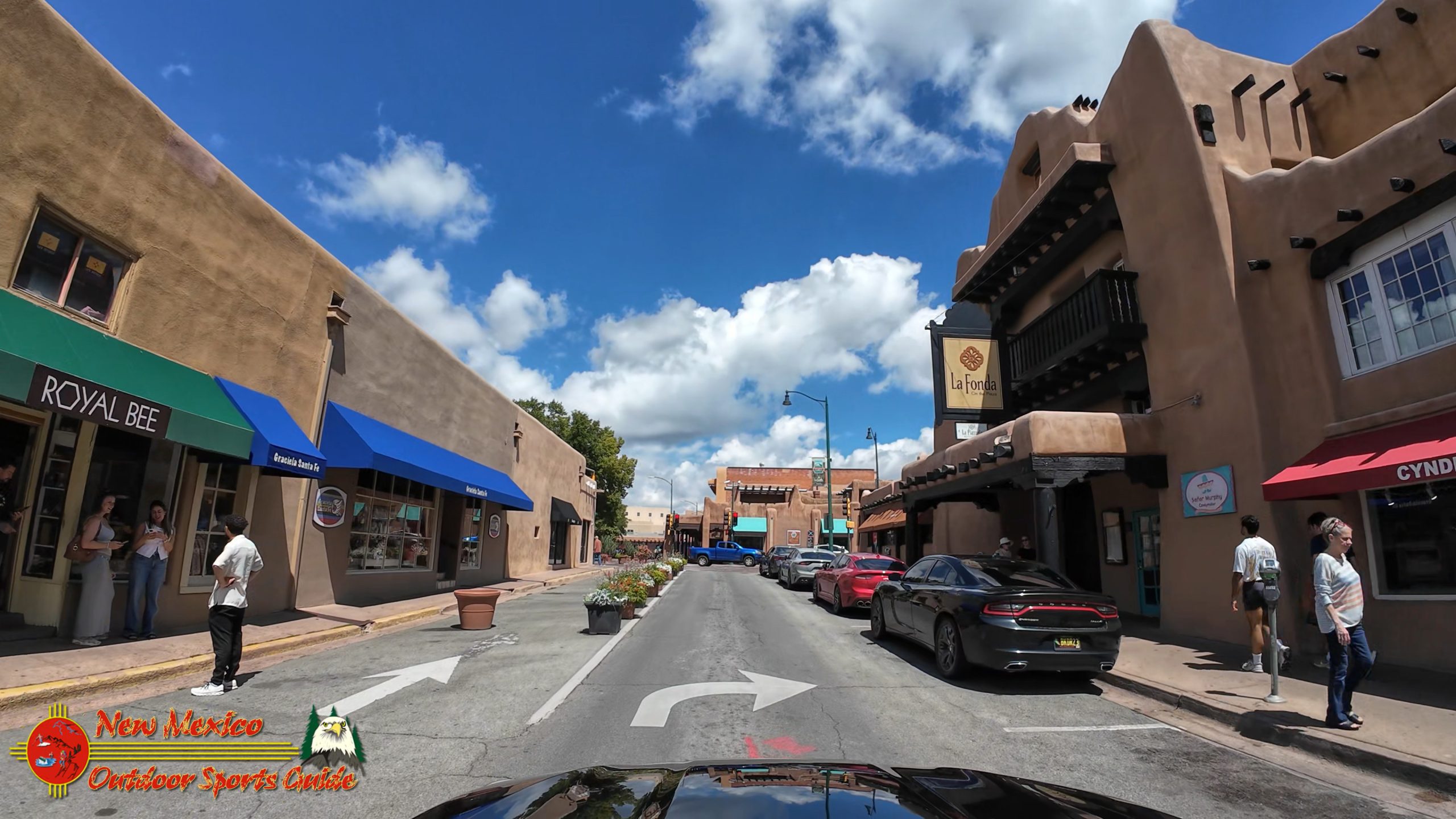
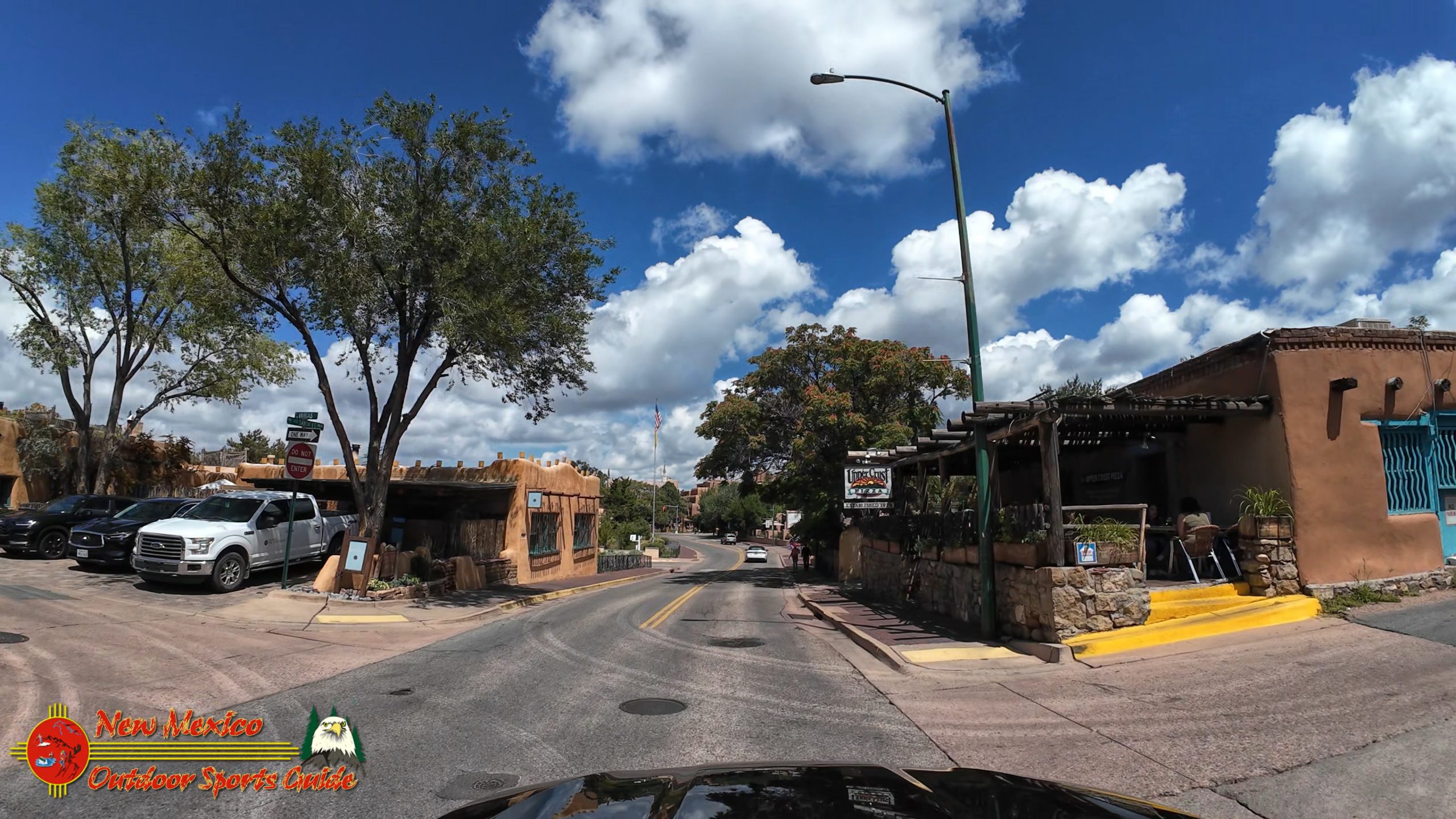
I've taken to mounting an action camera to the roof of my Subaru when I make this drive, capturing the final approach to the Plaza from a traveler's perspective. It's my way of preserving this daily journey for the time when I can no longer make it myself. When that day comes, I want to be able to watch these videos and remember what it felt like to follow in the wheel ruts of history, to trace the path of American expansion westward.
The footage reveals details I sometimes miss while driving: the way morning light catches the adobe walls, casting deep shadows that emphasize their hand-formed irregularities. The gradual transition from newer construction to genuinely historic buildings as you approach downtown. The moment when the trees part and you catch your first glimpse of the Plaza, much as those original traders must have when they rounded the final bend.
Where Past Meets Present
The irony isn't lost on me that I now drive this route in a vehicle that would have seemed like pure magic to those 19th-century traders. My Subaru, with its climate control, GPS navigation, and satellite radio, represents technological advances they couldn't have imagined. Yet the essential experience – following this ancient path toward the Plaza – connects me directly to their journey.
Recently, as I passed the distinctive round architecture of the Roundhouse, New Mexico's State Capitol building, I encountered a small group of protesters. About a dozen people, roughly my age, were chanting and holding "Free Palestine" signs. It was a jarring reminder of how much the world has changed since that first trip in 1959, when international politics felt distant and the greatest tensions most Americans worried about were between cowboys and Indians in the movies.
My, how times have changed! In 1959, the biggest controversy in Santa Fe might have been whether the Plaza should allow cars to park around its perimeter. Now, global conflicts play out on street corners, and social media brings distant wars into our living rooms in real time. The Santa Fe Trail once brought news from the outside world at the pace of oxen and wagons – weeks or months old by the time it arrived. Today, we're overwhelmed by information that arrives at the speed of light.
The Enduring Magic
But despite all the changes, something essential remains unchanged about this journey into Santa Fe. The landscape still inspires awe. The light still has that particular high-desert quality that makes colors more vivid and distances seem both vast and intimate. The Plaza, though now surrounded by art galleries and upscale restaurants instead of trading posts and saloons, still serves as the heart of the city, the place where all roads converge.
The original traders came seeking profit, adventure, and escape from the constraints of life in the States. Today's visitors come seeking art, culture, and escape from the constraints of modern life. The motivations may have evolved, but the fundamental human desire to journey toward something better, something different, something that promises to expand our understanding of the world – that remains constant.
As I continue documenting the wilderness and wildlife of the American Southwest through my photography, I'm struck by how the same landscapes that challenged and inspired those 19th-century travelers continue to do so today. The Sangre de Cristo Mountains still catch the evening light in ways that make you believe in magic. The high desert still offers that sense of endless possibility that drew people west in the first place.
Full Circle
From that wide-eyed fifteen-year-old in the passenger seat of a Thunderbird to an eighty-something photographer with an action camera mounted on his Subaru, I've come full circle on the Santa Fe Trail. The route that was once a path to adventure has become the daily road home. The exotic destination of my youth is now the familiar landscape of my golden years.
Yet every time I drive Old Santa Fe Trail toward the Plaza, I feel an echo of that original excitement. The ghosts of teamsters and traders, of cavalry and civilians, of dreamers and desperados, still travel this road. Their stories are written in the landscape, preserved in the wheel ruts that time hasn't erased, honored in the museums and markers that help us remember.
The Santa Fe Trail may have officially ended in 1880 when the railroad arrived, but its spirit lives on in every journey that carries us from the familiar toward the unknown, from the safe toward the spectacular. Whether you're making the trip in a covered wagon, a 1958 Thunderbird, or a modern Subaru with an action camera recording the way, you're part of a tradition that stretches back two centuries – the tradition of American wandering, of restless movement toward horizons that promise something better than what we leave behind.
And in Santa Fe, at the end of the trail, those promises are usually kept. The light really is different here. The art really does inspire. The mountains really do seem to touch the sky. No wonder people have been making this journey for 200 years, and no wonder they keep coming still.
The trail endures, as do the dreams that draw us along it.

0 Comments