
The morning air carries that peculiar crispness that only comes to the high desert in mid-July, when the sun hasn't yet burned off the cool breath of night that settles over the mountains. I'm sitting here on the patio at Casa Santa Fe, my coffee steaming in the thin air, watching the light creep across the peaks in the distance. There's something about these early morning moments that brings the past rushing back like water through an arroyo after a thunderstorm.
Today, my mind wandered to Velarde—that little jewel of a town tucked away in the Rio Grande Valley, a place that's become as familiar to me over the years as the sound of Paulette's laugh or the feel of morning frost on the windows at Casa Oso. It's funny how certain places etch themselves into your memory with the permanence of petroglyphs on canyon walls. Velarde is one of those places for me.
The Christmas Memory That Started It All
The first time I ever laid eyes on Velarde, it was December, and we were hauling a car full of excited kids up to Angel Fire for what would become one of many Christmas ski trips. This was years ago now, when the children were still young enough to press their noses against the car windows and fog up the glass with their breath, pointing at every hawk circling overhead and asking if we were there yet every ten miles.
We'd driven up from Santa Fe, taking the usual route through Española, and as we wound our way down into the valley, something magical happened. The road into Velarde was lined—and I mean completely lined—with farolitos. Thousands of them, it seemed, their warm golden light flickering against the adobe walls and wooden fence posts like earthbound stars. The kids fell silent in the back seat, which was remarkable enough in itself, but it was more than that. Even Paulette, who'd seen her share of beautiful things in our travels together, reached over and squeezed my hand.
Those little paper luminarias, each one carefully placed and tended by the folks of Velarde, transformed that humble farming community into something that belonged in a dream. The warm light spilled across the snow-dusted fields, reflected off the Rio Grande as it wound its way through the valley, and seemed to push back against the vast darkness of the high desert night. It was one of those moments that burns itself into your soul—the kind of memory that still makes you catch your breath forty-some years later when you're sipping coffee on a summer morning and remembering.
The Contrast That Never Gets Old
Over the years, as we made countless trips between Casa Oso and Santa Fe, Velarde became a reliable checkpoint in our journey, a place where the landscape itself seemed to exhale after holding its breath through the dramatic descent into the Rio Grande Gorge. You see, coming down from Angel Fire, you spend miles navigating through that incredible geological sculpture that nature carved through solid rock over millions of years. The gorge walls rise up on either side of you like the nave of some ancient cathedral, all red rock and shadow, sage brush clinging to impossible ledges, ravens riding the thermals that rise from the river below.
It's dramatic country, the kind that makes a man feel small and grateful all at once. The Rio Grande cuts through that landscape like it's been doing since long before any human ever set foot in this part of New Mexico, and driving through there, you can almost feel the weight of geological time pressing down on you. It's humbling in the best possible way.
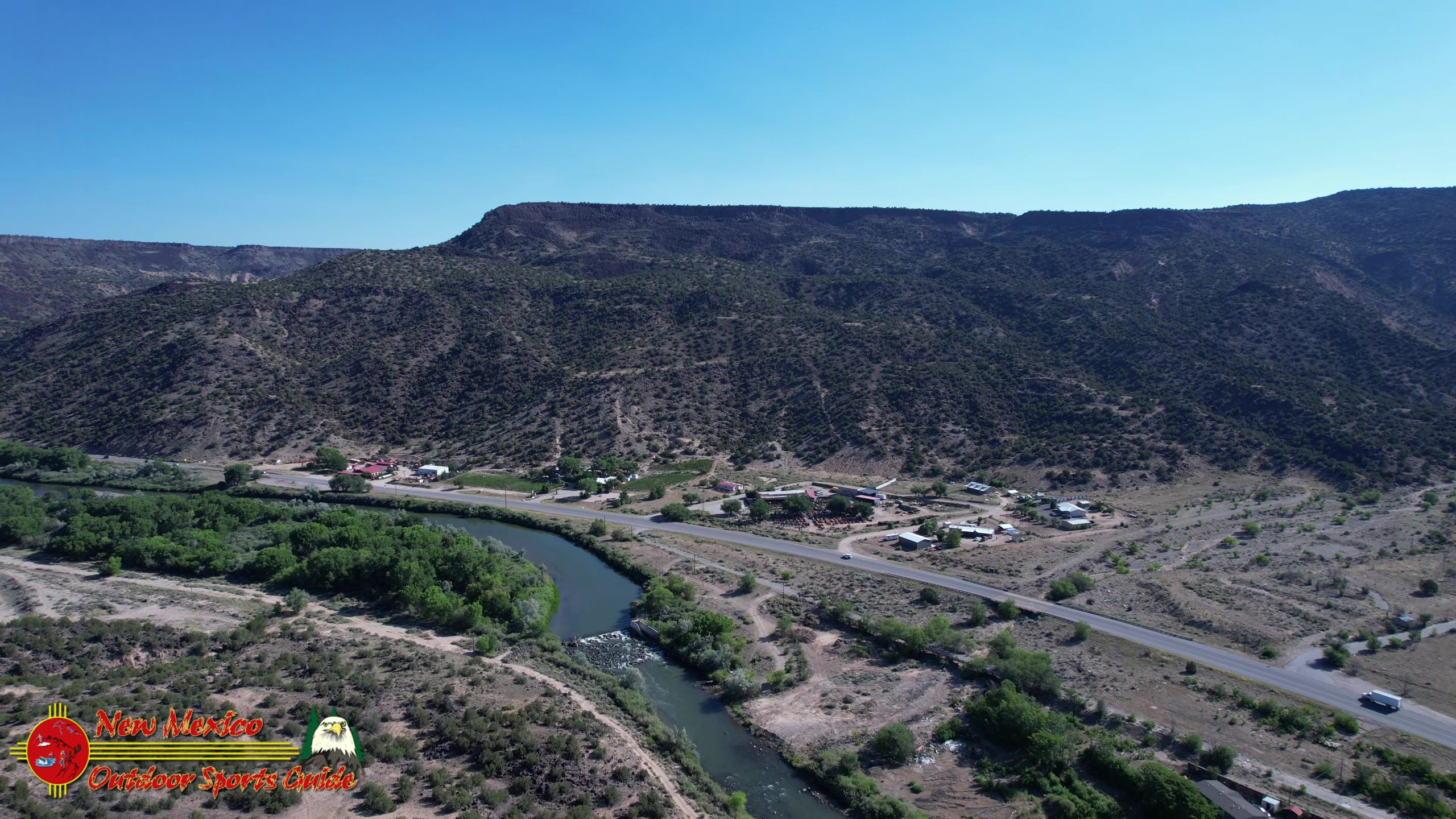
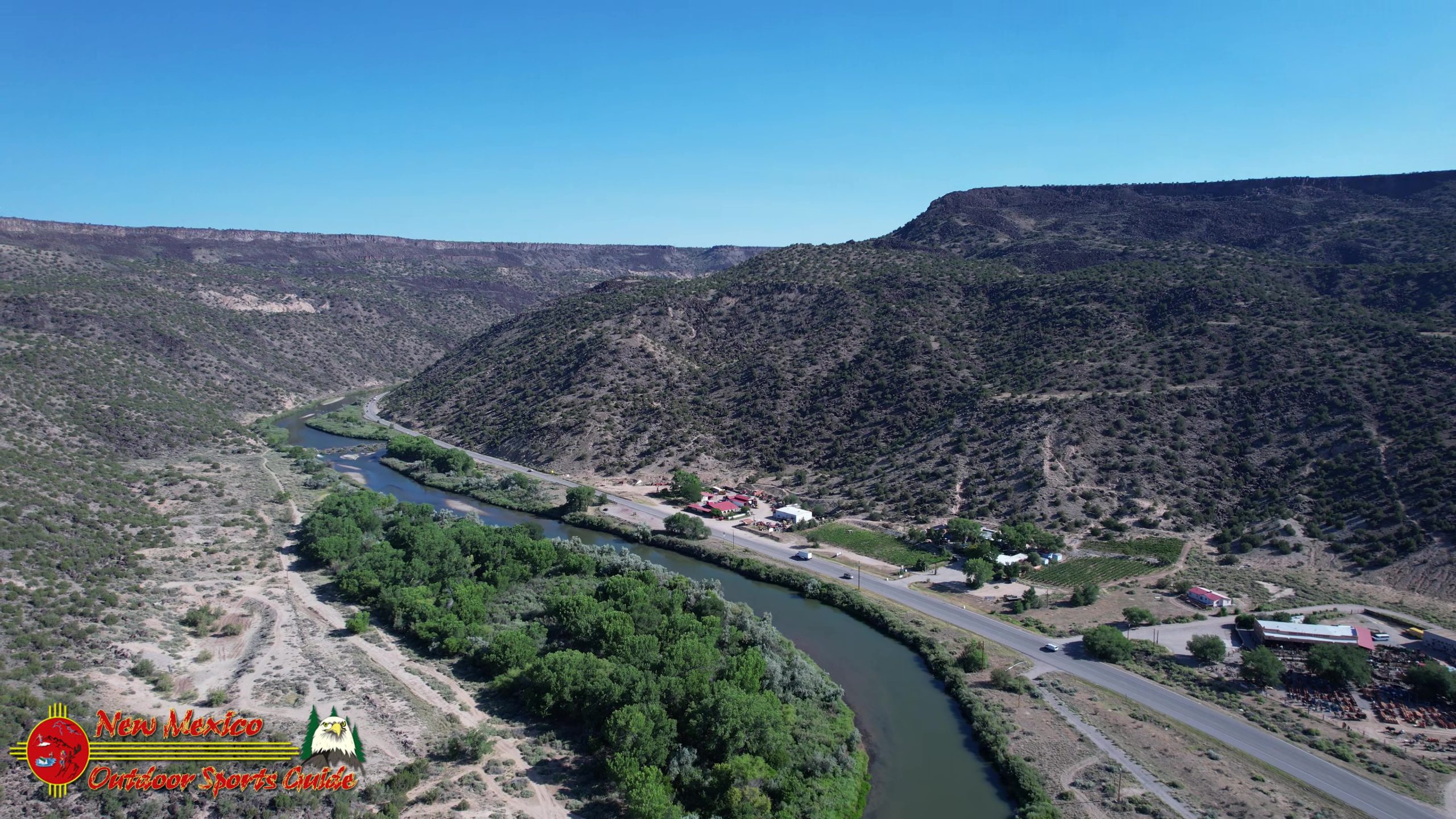
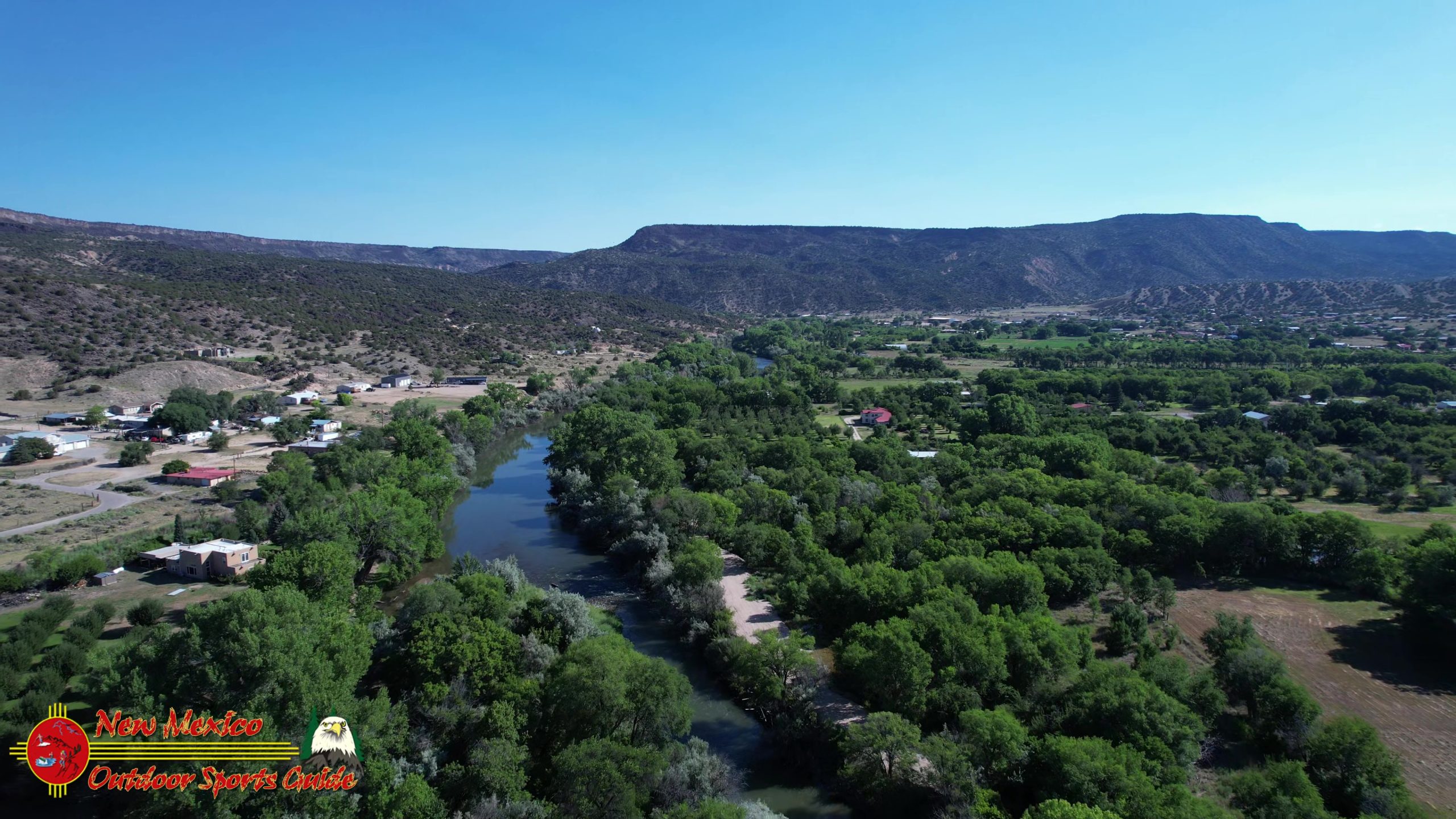
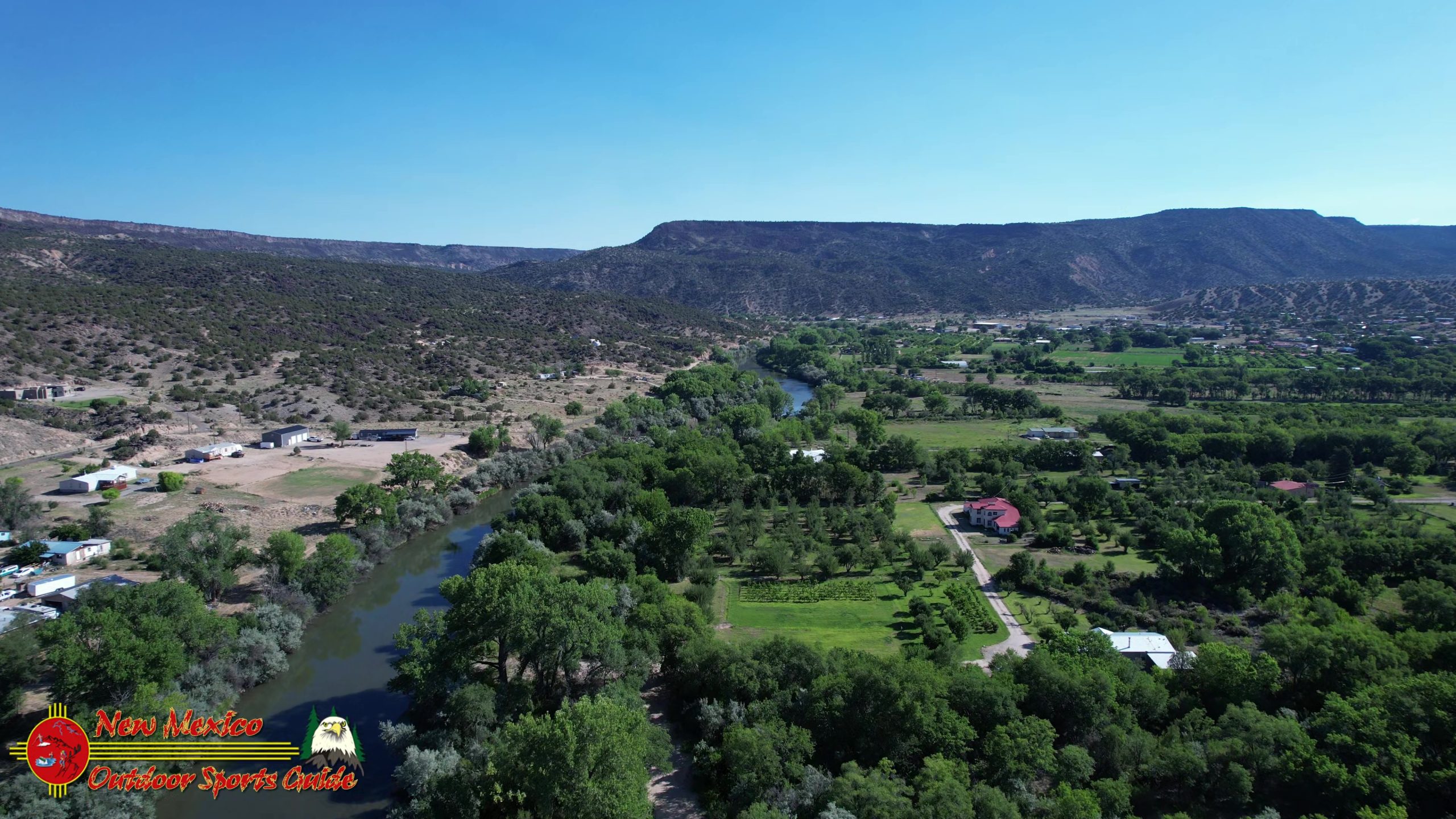
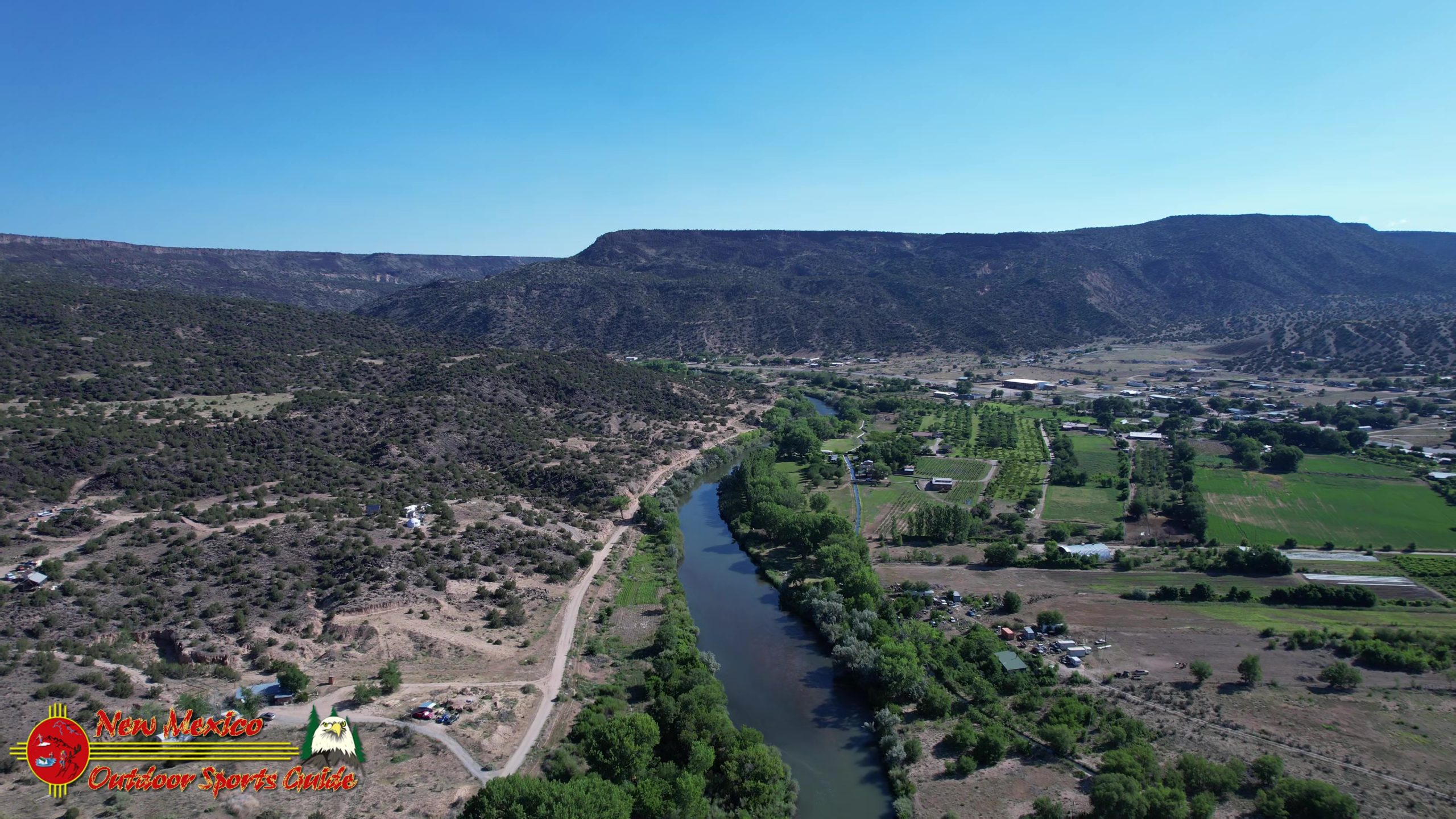
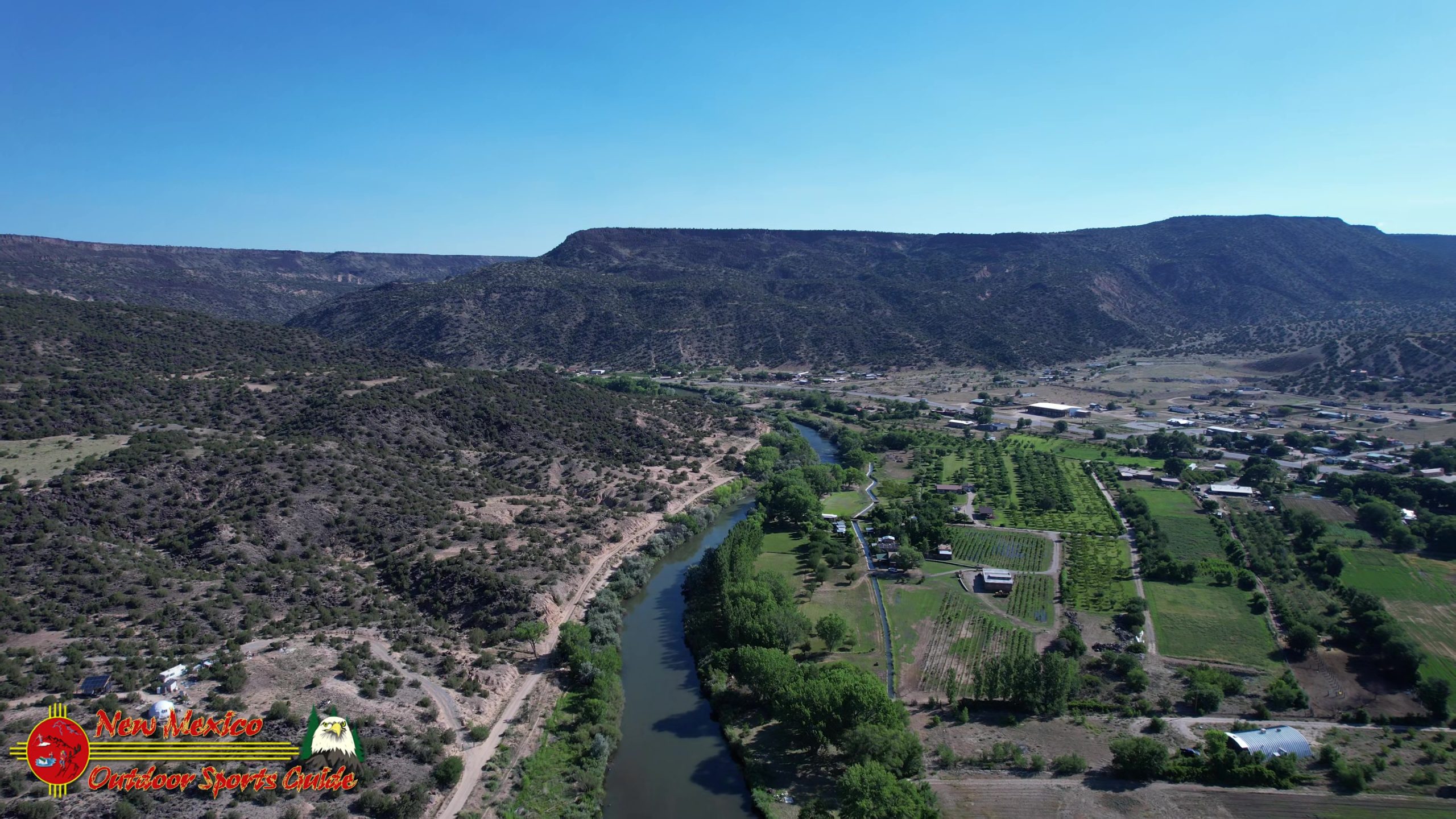
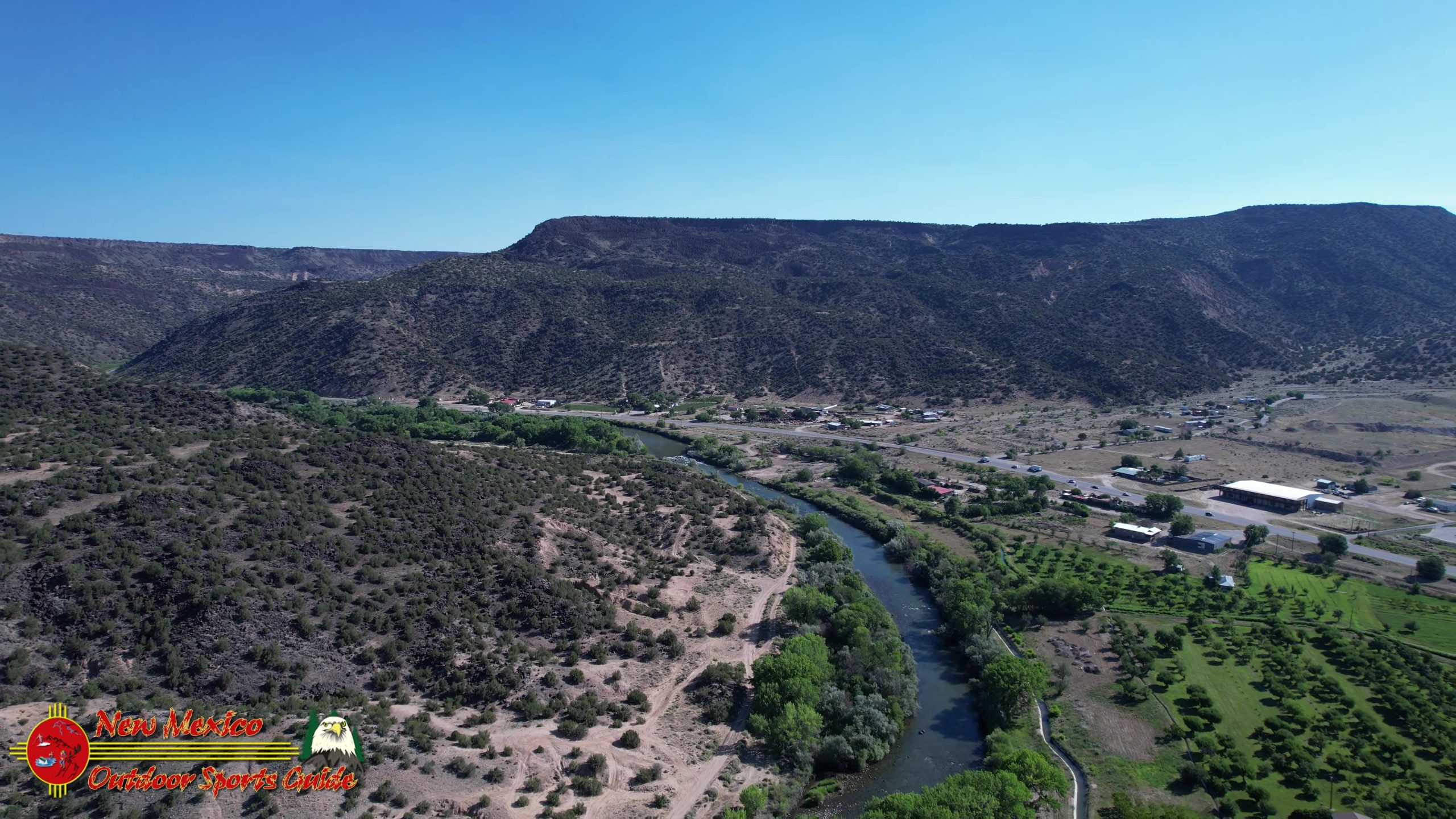
But then you round a bend, and suddenly you're in Velarde, and it's like stepping into a different world entirely. Where moments before you were surrounded by the stark beauty of high desert and rock walls, now you're looking out at the most remarkably lush and green farmland you could imagine. It never fails to catch me off guard, that transition. One moment you're in the land of lizards and wind-carved stone, and the next you're surrounded by fields so green they almost hurt your eyes after the muted tones of the gorge.
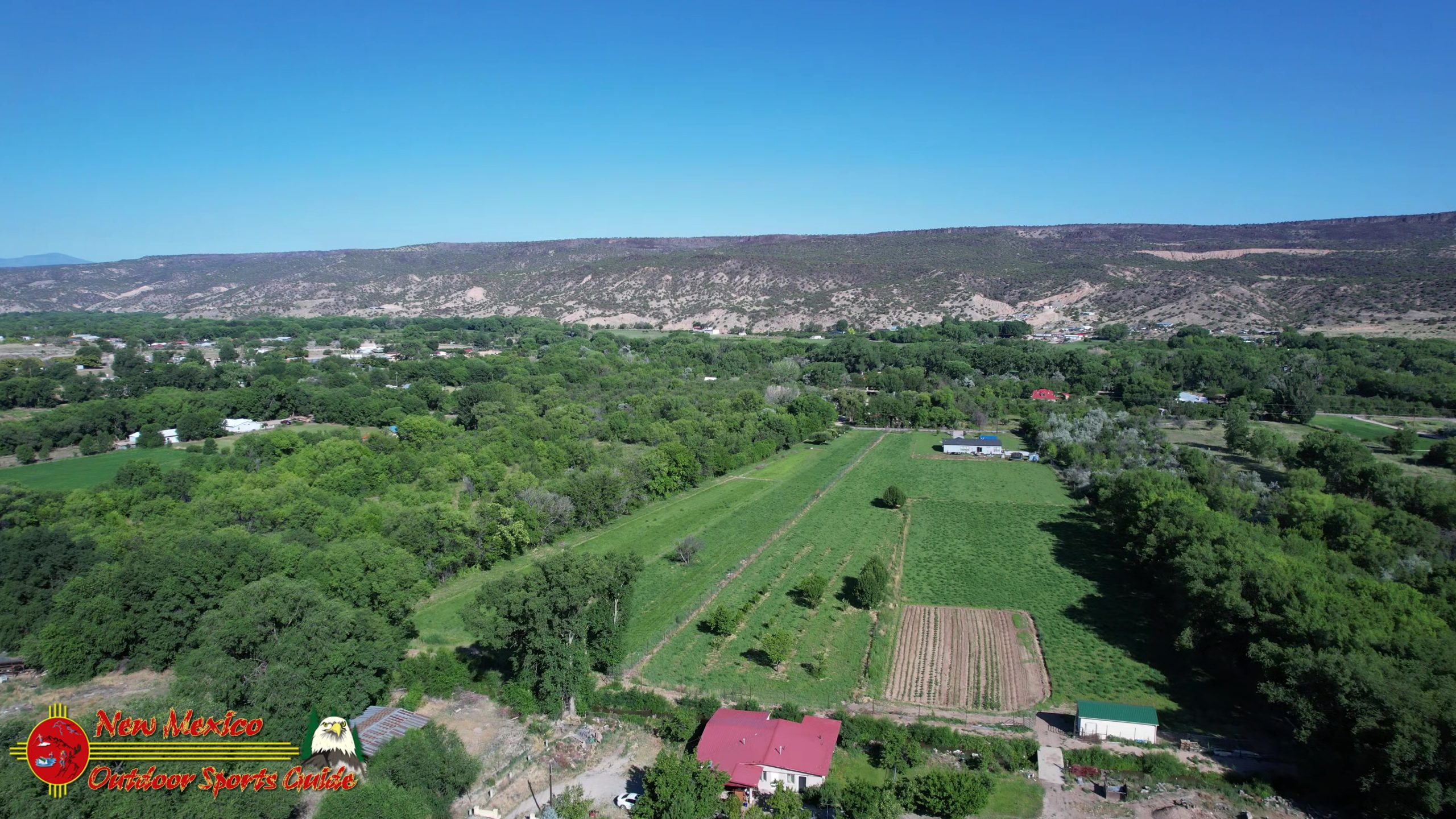
Those farms in Velarde—maybe a dozen of them scattered through the valley—represent something that goes back generations in this part of New Mexico. These aren't the massive agricultural operations you might find out on the Great Plains where I grew up. No, these are family farms, places where the same families have been working the same soil for longer than anyone can remember, coaxing life from the earth with a combination of ancient knowledge, backbreaking work, and the life-giving water of the Rio Grande.
The Poetry of High Desert Agriculture
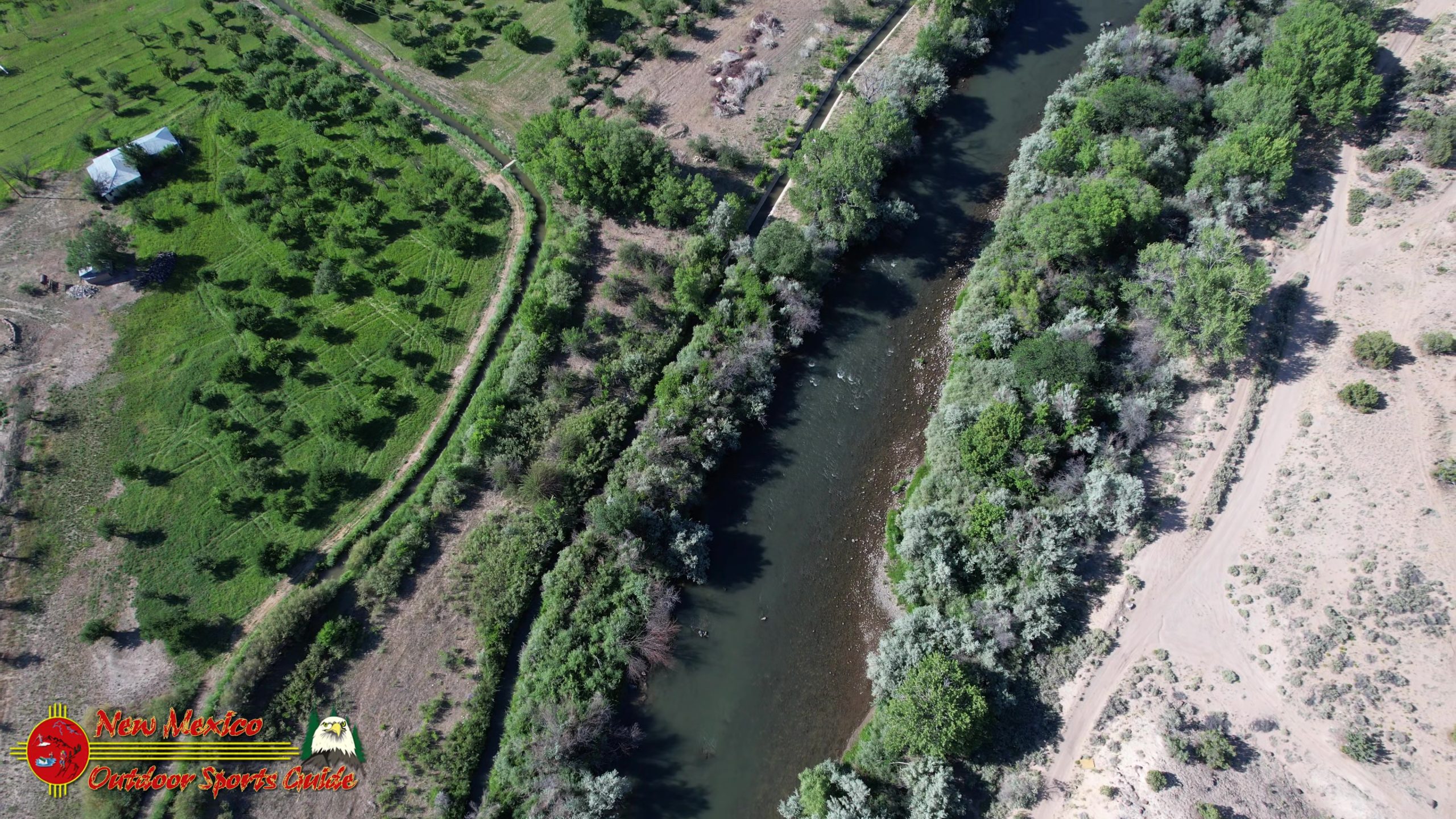
There's poetry in the way these Velarde farmers have learned to work with the land rather than against it. The Rio Grande provides the water, of course, but it's what they've done with that water that tells the real story. You can see the acequia systems—those centuries-old irrigation channels—threading through the fields like silver veins, carrying water to every corner of cultivated ground. It's a system that was old when my great grandfather was young, brought here by Spanish colonists who learned it from the Moors, who probably learned it from someone else entirely.
Driving through Velarde in summer, you'll see corn stalks standing tall and proud, their leaves rustling in the valley breeze. There are chile fields that will turn the landscape red come harvest time, their plants heavy with fruit that will eventually make its way to kitchens all over New Mexico. There are patches of beans and squash, orchards heavy with apples and pears, and gardens bursting with vegetables that taste like they remember what food is supposed to taste like.
The contrast with the surrounding landscape is so stark it almost seems impossible. Drive five minutes in any direction from the heart of Velarde, and you're back in classic high desert country—all juniper and piñon, chamisa and four o'clock, the kind of landscape that can go months without meaningful rain and still somehow manage to bloom spectacularly when the conditions are just right.
But here in the valley, with the Rio Grande providing both water and rich alluvial soil, the desert has been persuaded to bloom year-round. It's like a green oasis tucked into a fold of the high country, a secret that the river has been keeping for centuries.
Morning Inspiration and Afternoon Adventure
This morning, as I sat with my coffee watching the light change on the mountains, I found myself thinking about those Velarde farms and the way they've always struck me as representing something essential about this part of New Mexico. There's a resilience there, a quiet determination to make something beautiful and productive in a landscape that doesn't make it easy. It's the same spirit I've seen in ranch families back in the Flint Hills, the same stubborn optimism that keeps people going through droughts and floods, market crashes and family tragedies.
The more I thought about it, the more I realized I needed to get up there and capture some of this on video. Not just for myself, though I admit there's a selfish element to it—I've learned over the years that the best way to really see a place is to point a camera at it and try to show someone else why it matters. But I also thought about folks who might never make that drive down the Rio Grande Gorge, might never experience that moment when you come around the bend and see Velarde spread out in the valley like a green miracle.
After breakfast, I loaded up the drone gear and headed north. The drive from Santa Fe to Velarde is one I could probably make in my sleep by now, but familiarity hasn't bred contempt—quite the opposite, actually. Each time I make that drive, I notice something new, some detail I'd missed before or some shift in the light that makes the whole landscape look different.
The Aerial Perspective
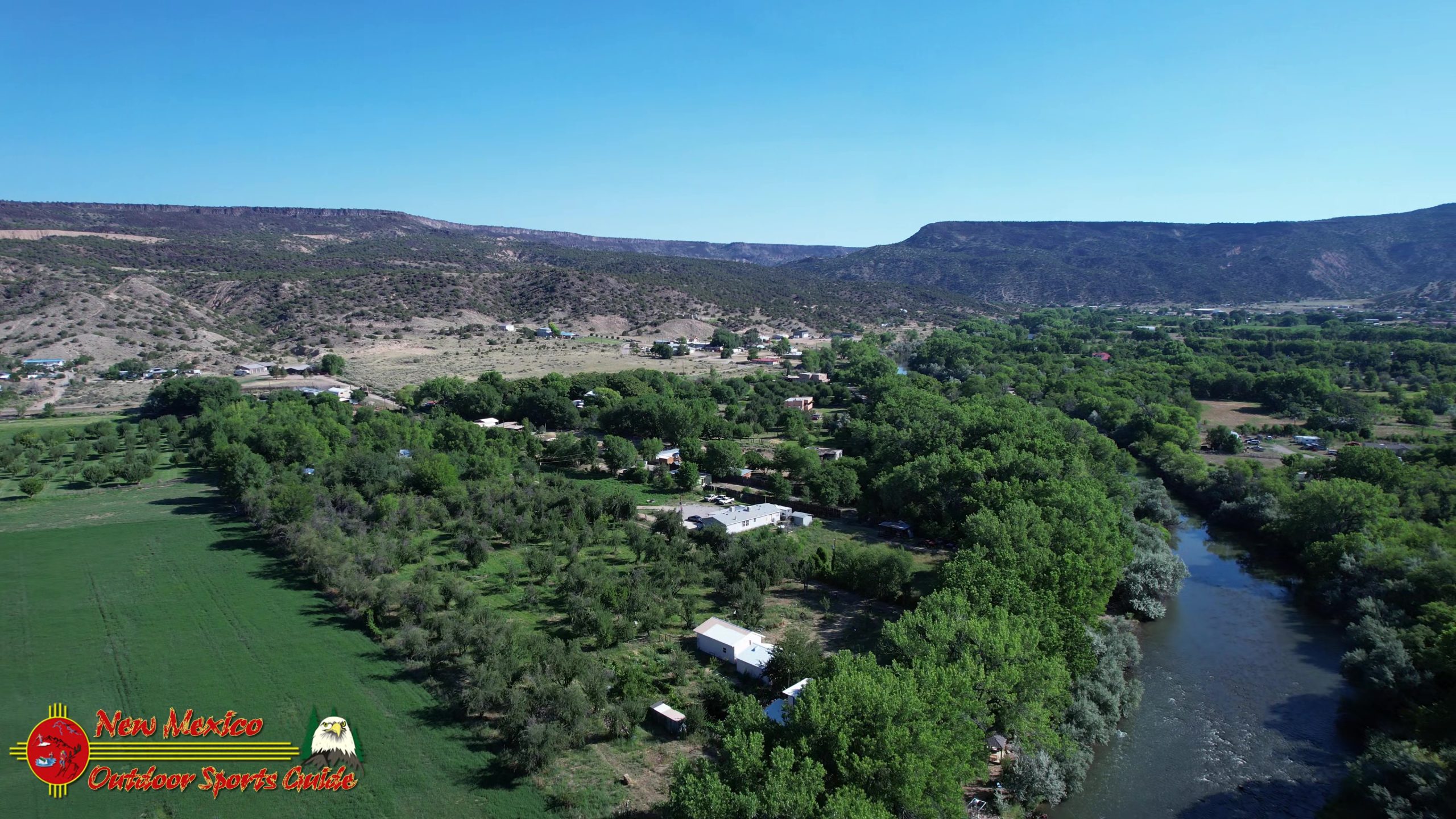
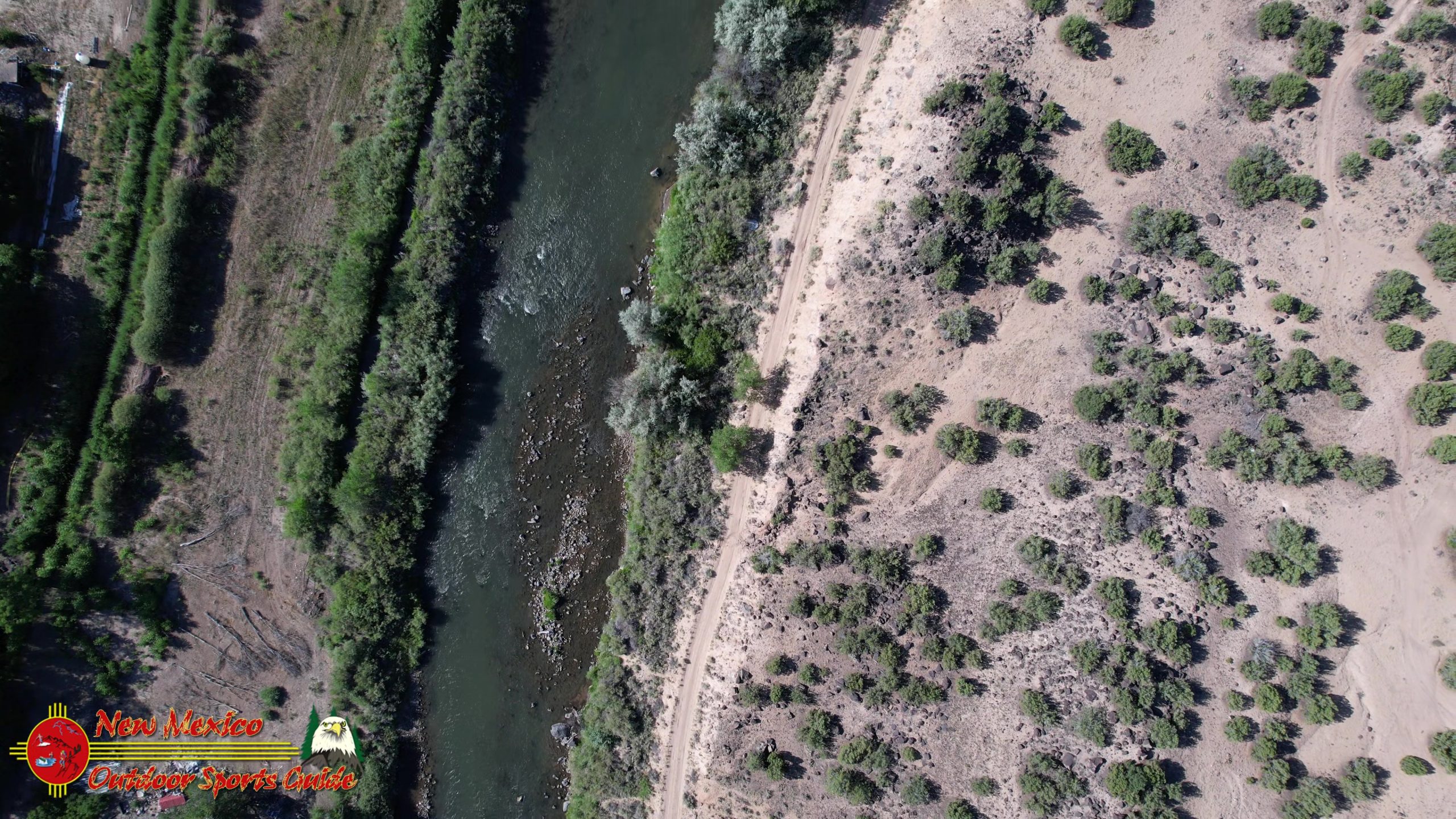
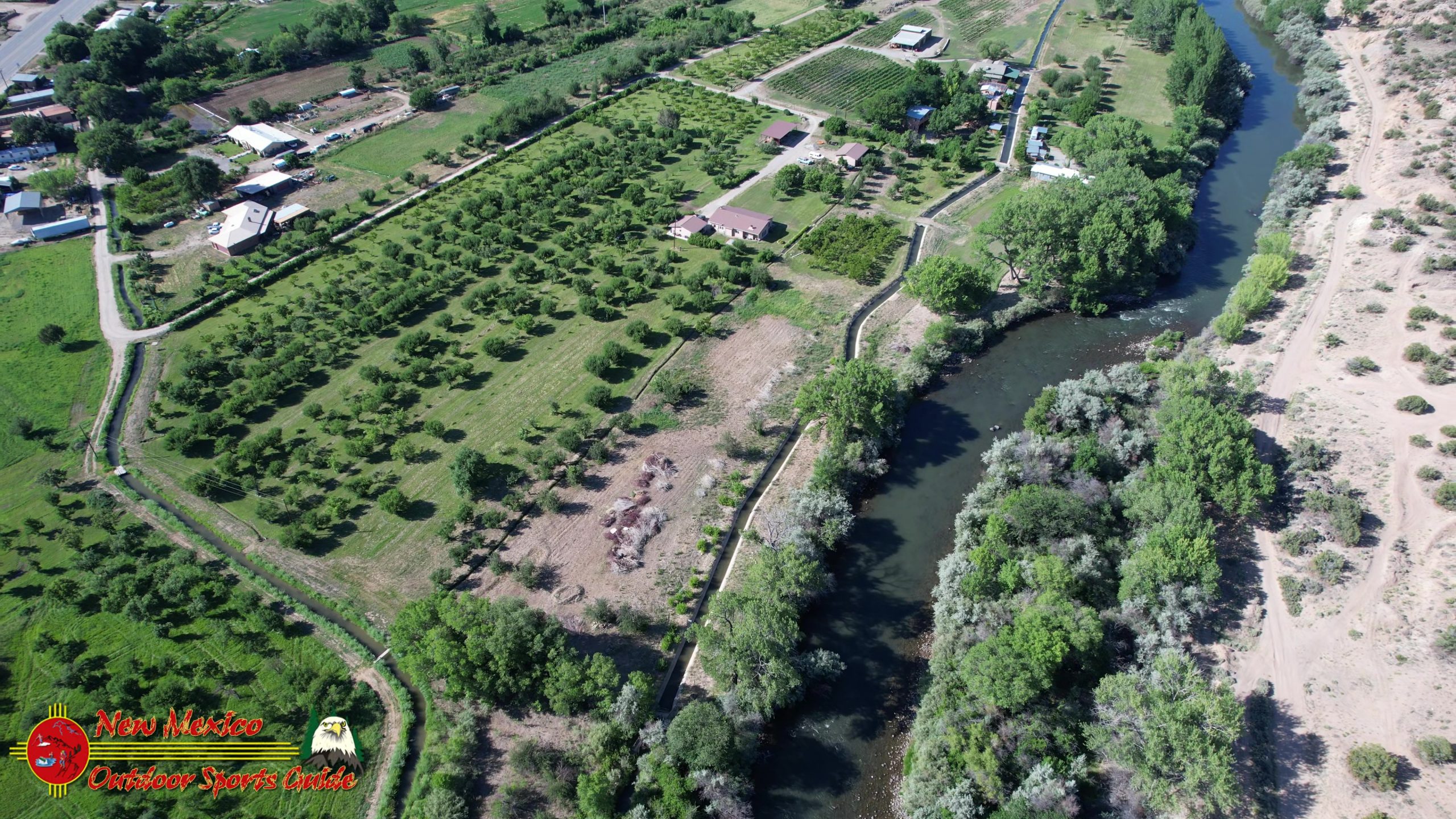
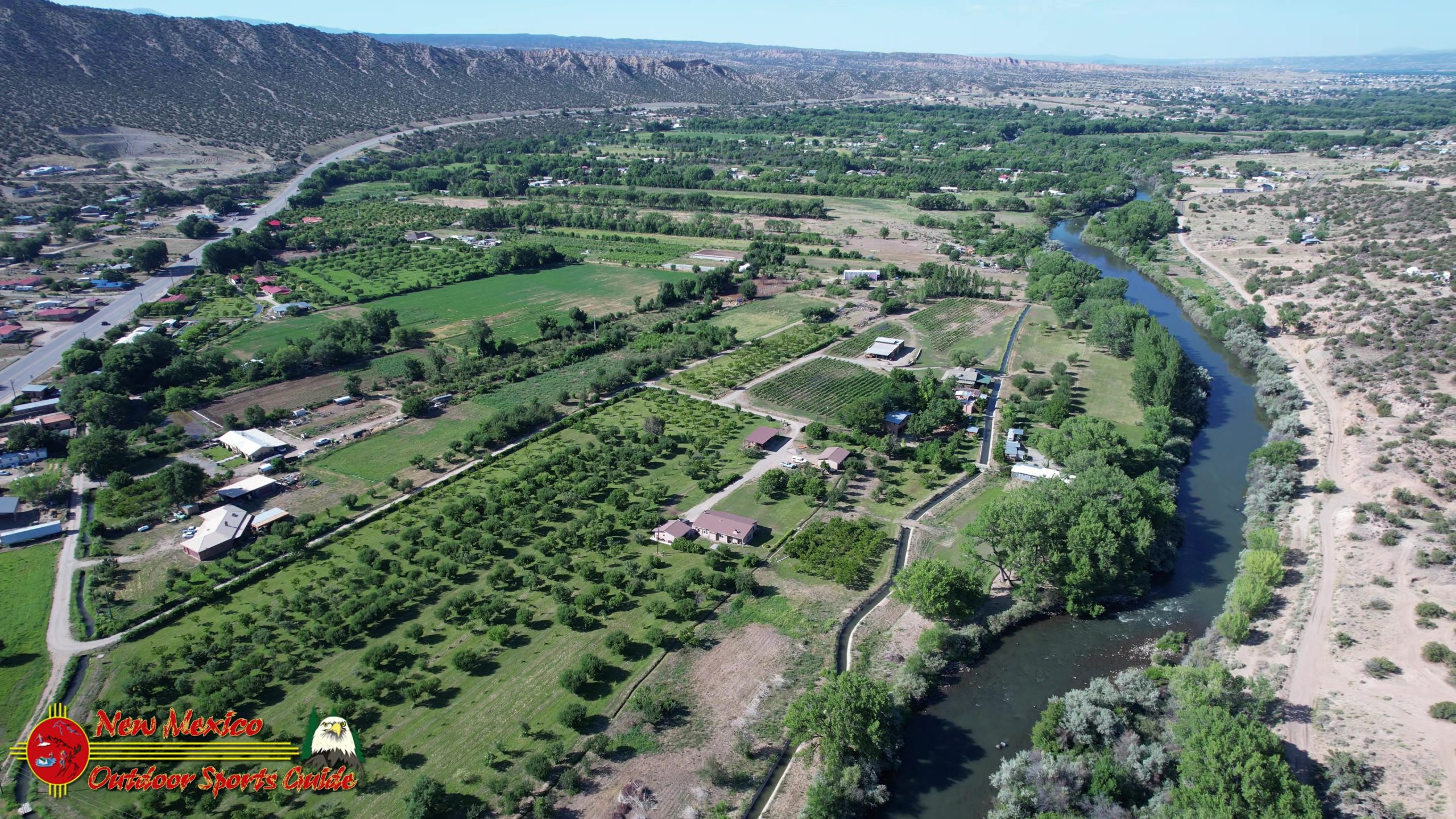
Getting the drone up over Velarde gave me a perspective on the place I'd never had before. From ground level, you're aware of the contrast between the farms and the surrounding desert, but from a few hundred feet up, it becomes almost surreal. The green fields look like emeralds scattered across brown velvet, each one outlined by the silver thread of irrigation channels and the darker green lines of windbreaks and fence rows.
From above, you can really see how the Rio Grande has shaped not just the landscape but the entire culture of the valley. The river doesn't just provide water; it provides the organizing principle for everything else. The fields align with the river's curves, the roads follow its path, the houses cluster near its banks. It's like looking at a textbook example of how human settlements grow up around water sources in arid country.
But what struck me most from that aerial view was the sense of community that the landscape reveals. These aren't just individual farms scattered randomly through the valley—they're part of a larger pattern, a web of relationships between families and fields and water rights that goes back generations. You can see it in the way property lines follow the old acequia routes, in the way barns and houses are positioned to take advantage of prevailing winds and winter sun angles, in the way the whole settlement seems to have grown organically from the land itself rather than being imposed upon it from outside.
The Seasons of Velarde
I've been through Velarde in every season now, and each one reveals something different about the place. Spring is perhaps the most magical, when the fruit trees are blooming and the fields are just beginning to green up after winter. The contrast between the delicate white and pink blossoms and the stark desert landscape beyond the farms is almost too beautiful to believe.
Summer brings that intense green I was capturing with the drone—the kind of verdant growth that seems almost tropical until you remember you're at 5,800 feet elevation in the high desert. The corn stands tall, the chiles are setting fruit, and the Rio Grande runs brown and full with snowmelt from the high country.
Fall transforms Velarde into a painter's palette. The cottonwoods along the river turn gold, the chile fields blaze red, and the apple orchards heavy with fruit add their own colors to the mix. It's the kind of autumn display that would be remarkable anywhere, but set against the muted tones of the high desert, it's absolutely spectacular.
Even winter has its own beauty here. The fields lie fallow under snow, but the bones of the landscape—the irrigation channels, the fence lines, the clusters of farm buildings—create their own patterns against the white. And there are still those Christmas farolitos, reminding anyone who passes through that this is a place where people have learned to find joy and beauty even in the darkest months of the year.
Doorway to Understanding
That's why I think of Velarde as a doorway to the Rio Grande Gorge—not just geographically, though it certainly serves that function for anyone traveling between Santa Fe and the high country. It's a doorway to understanding what it means to live in this landscape, to work with rather than against the natural rhythms of high desert country, to find abundance in what might look like scarcity to uninitiated eyes.
The farmers of Velarde are the inheritors of knowledge that goes back centuries—knowledge about reading weather patterns and soil conditions, about when to plant and when to harvest, about how to coax the maximum productivity from every precious acre. They're also the guardians of a way of life that connects them directly to the land and the seasons in ways that most of us have forgotten.
Watching them work their fields, seeing the care they put into maintaining their irrigation systems, observing the way they've adapted ancient agricultural techniques to modern conditions—it all serves as a reminder that there are ways of living on this earth that are both sustainable and deeply satisfying. It's not an easy life, farming in the high desert, but it's a life that has meaning and purpose written into every sunrise and every harvest.
The Eternal Return
As I packed up the drone gear and prepared to head back to Santa Fe, I found myself already planning my next visit to Velarde. It's funny how certain places get their hooks into you like that. I've traveled all over the American Southwest, photographed some of the most spectacular landscapes on the continent, but there's something about Velarde that keeps drawing me back.
Maybe it's the way the place embodies so much of what I love about New Mexico—the way ancient and modern coexist without conflict, the way human ingenuity has learned to work with rather than against the natural world, the way a small community can create something beautiful and lasting in the midst of a challenging landscape.
Or maybe it's simpler than that. Maybe it's just the memory of those farolitos from that long-ago Christmas, the way their warm light seemed to promise that even in the darkest times, people will find ways to create beauty and share it with strangers passing through.
Either way, Velarde will always be more than just a stop along the road for me. It's a reminder of what's possible when people commit to a place, when they learn to read the landscape like a book and write their own stories into its pages. It's a doorway not just to the Rio Grande Gorge, but to a deeper understanding of what it means to belong to the land rather than simply passing through it.
The green fields will keep growing, the Rio Grande will keep flowing, and travelers like me will keep discovering that moment of wonder when they round the bend and see Velarde spread out below them like a promise that abundance is possible, even here in the high desert, even after all these years.

0 Comments