
When you think of wintertime in Utah, you might imagine icy roads, snow-laden mountains, and cozy firesides. But for my wife and me, the promise of a clear January morning and the open expanse of the Great Salt Lake offered a different kind of winter magic. Our visit to this iconic landmark began with a drive to an observation point on the rocky south shore, and what we experienced was nothing short of breathtaking.
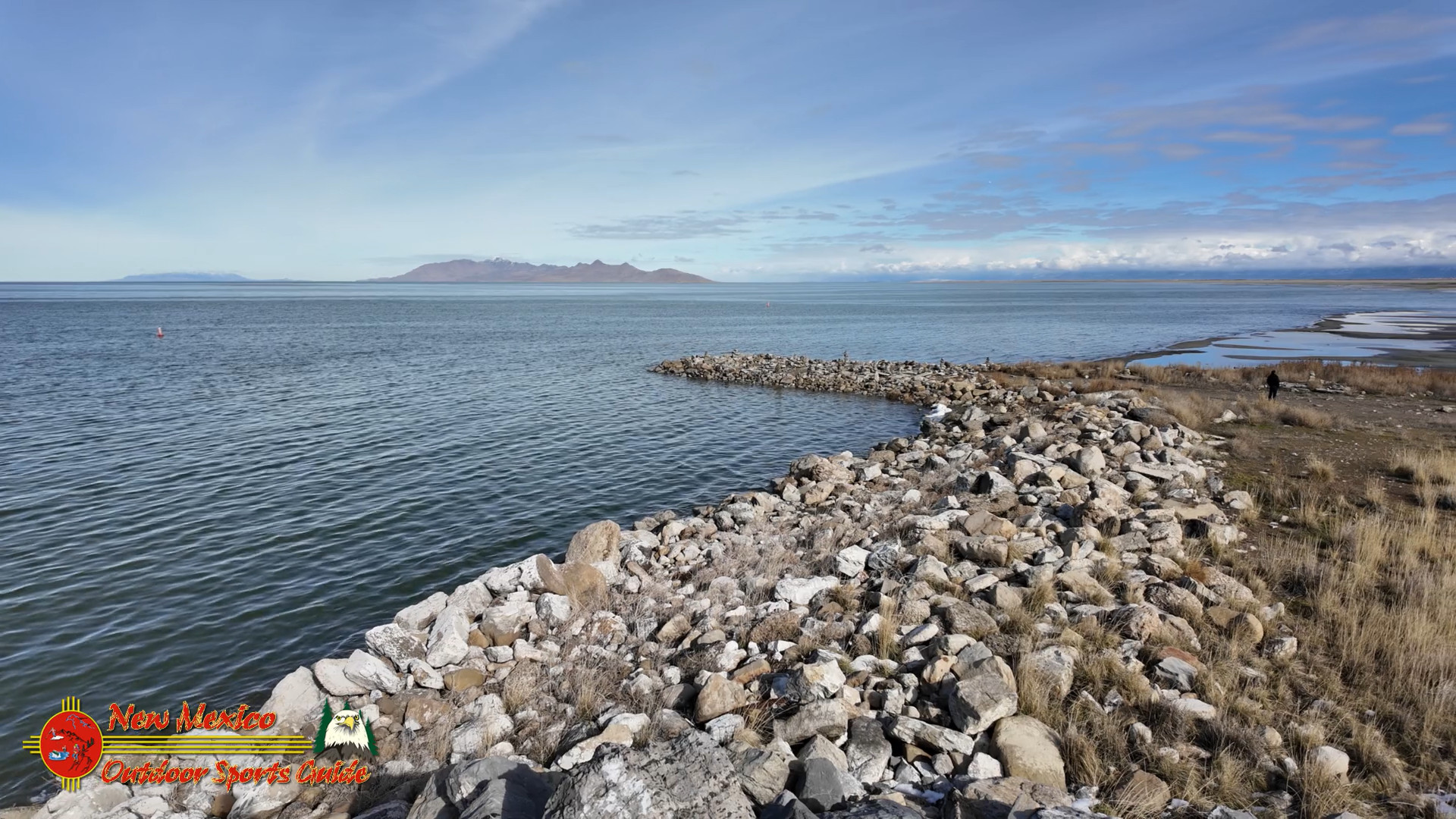
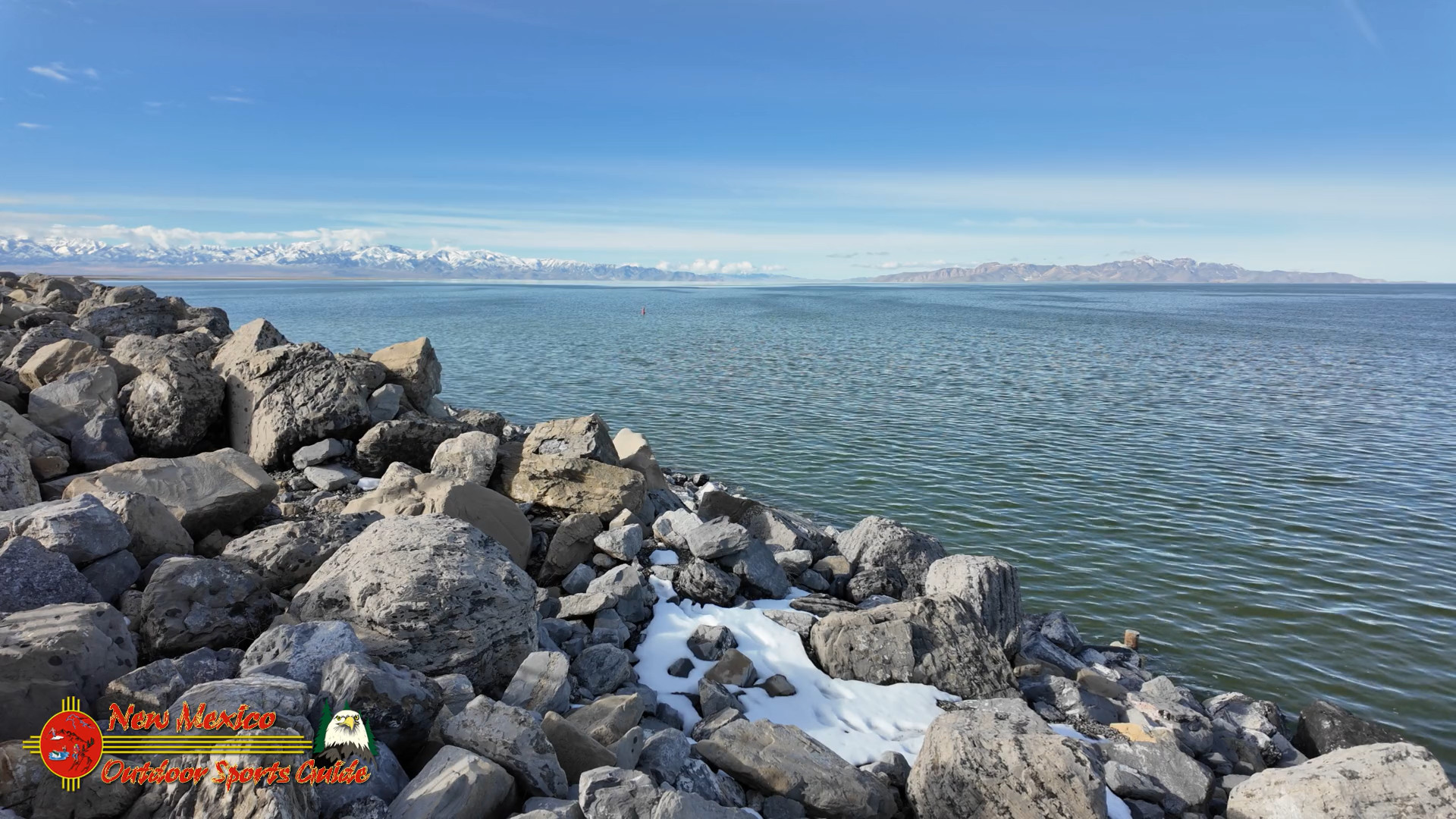
The day started crisp and bright, the kind of cold that invigorates rather than chills. As we drove along the winding path leading to the observation point, the landscape unfurled like a living postcard. The sun was low, casting a golden sheen across the lake's surface, while a light chilly breeze stirred gentle ripples in the water, creating a shimmering dance of light and shadow.
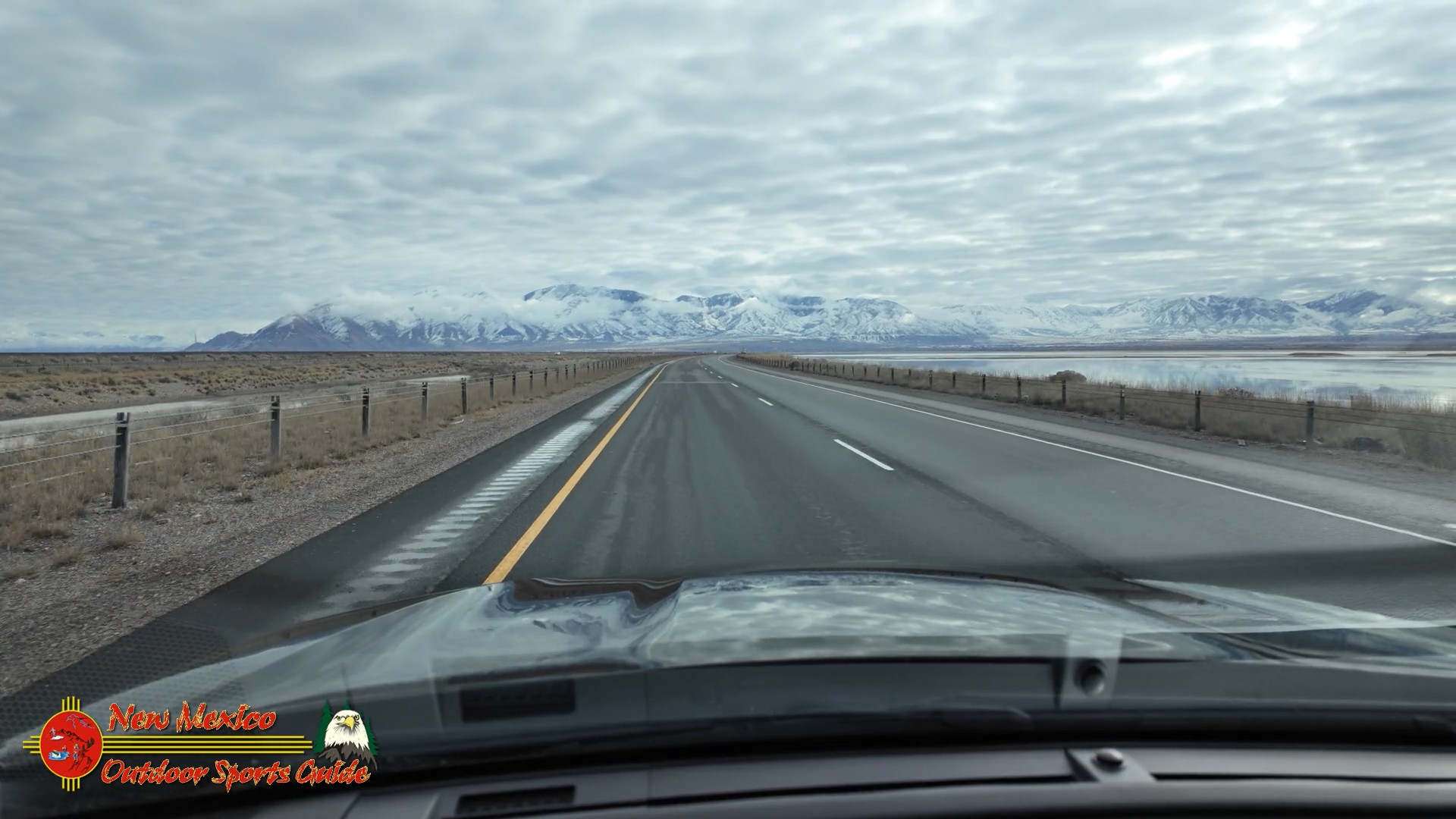
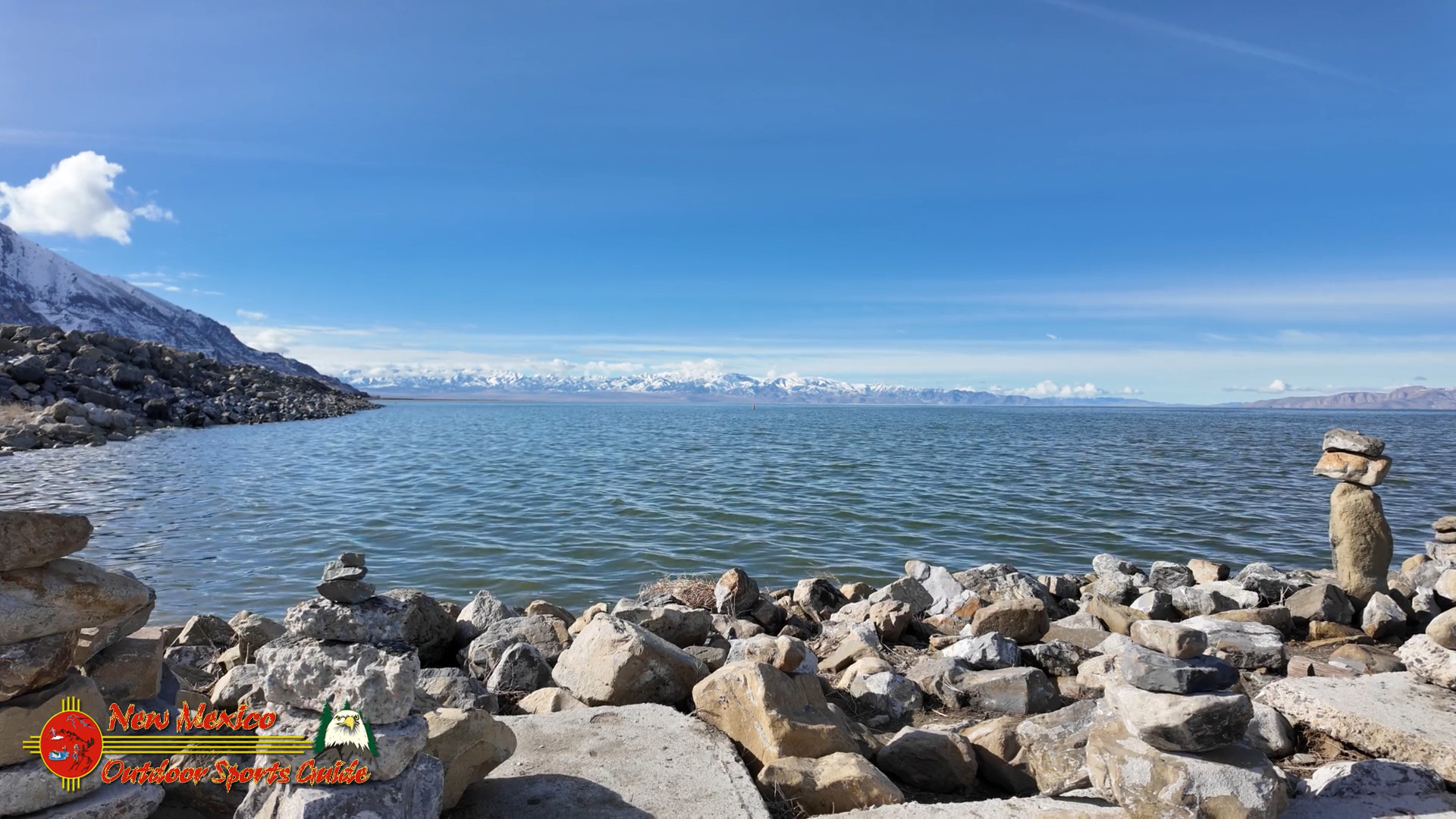
The Great Salt Lake is a paradox of beauty and barrenness. Its vast expanse stretches out like a giant mirror, reflecting the distant snow-capped mountains that ring the lake. These majestic peaks, towering and serene, seemed to guard the lake with a protective embrace, their white caps standing in stark contrast to the muted colors of the winter landscape.
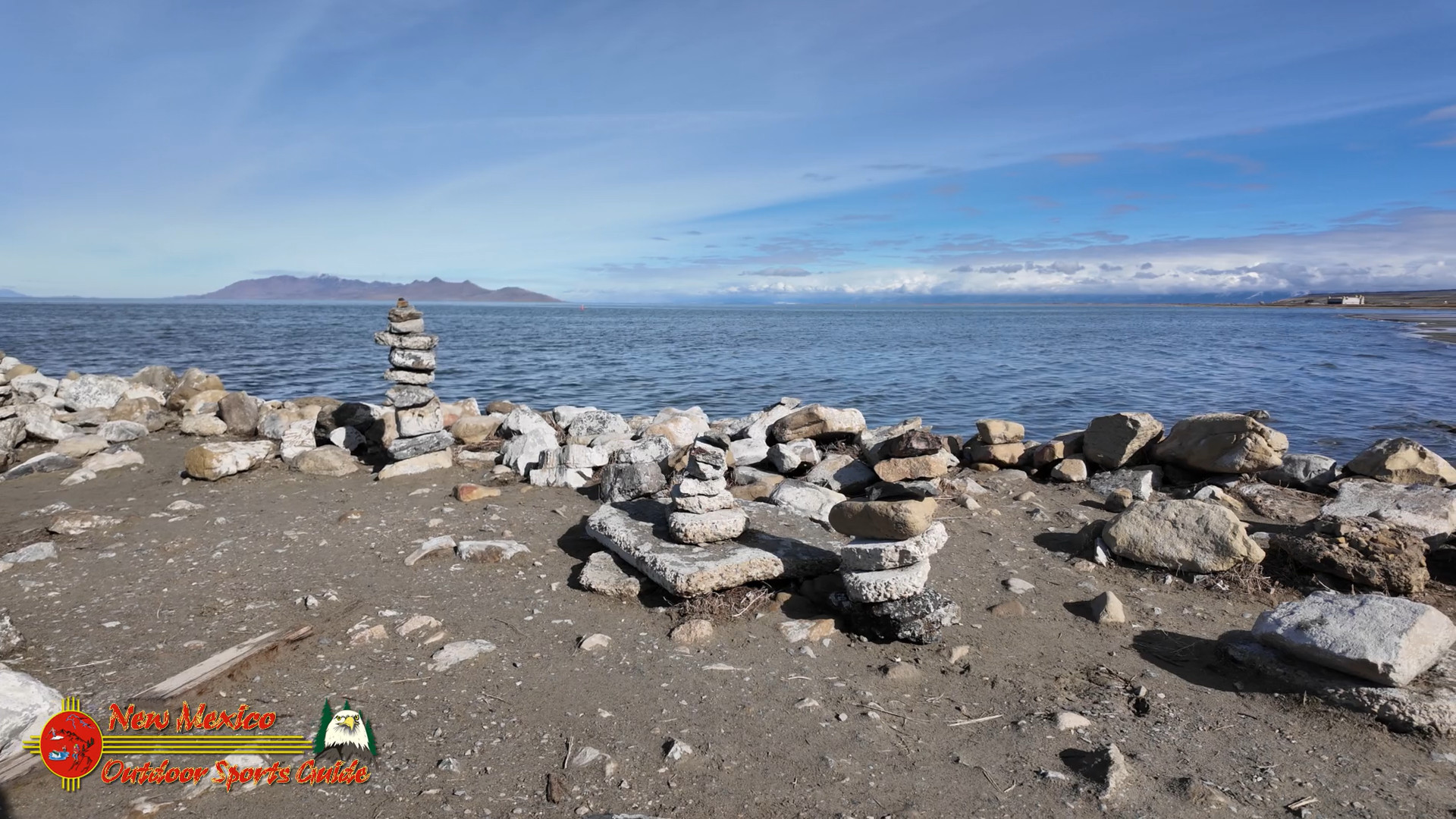
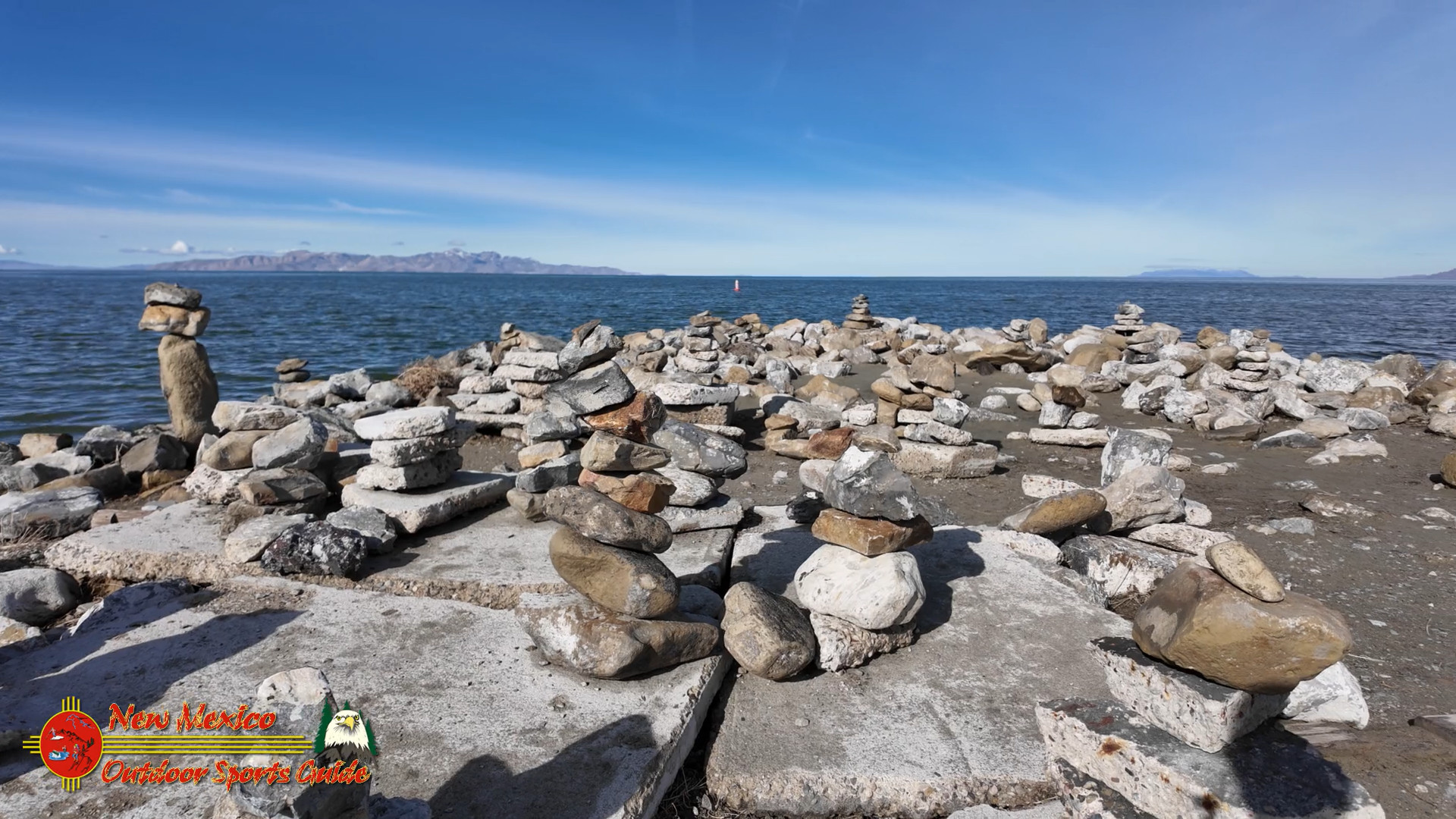
As we stood on the rocky shore, the sensation of standing on the edge of such a vast body of water was both humbling and exhilarating. The lake's shoreline was scattered with rocks and pebbles, some glistening with a frosty sheen, others etched with the timeless marks of nature's forces. It was easy to imagine the ancient environment that once was here, and the history that has unfolded around this saline giant.
The Great Salt Lake's story begins millions of years ago, long before human eyes gazed upon its waters. It was formed during the last Ice Age, around 30,000 years ago, when the planet was in a state of climatic upheaval. During this period, a vast, ancient lake known as Lake Bonneville covered much of what is now western Utah. As the ice age waned and the climate warmed, the lake began to recede, leaving behind what we now recognize as the Great Salt Lake.
This ancient lake, once a massive freshwater body, eventually shrank to its current size, becoming a saline remnant of its former self. The high salinity of the Great Salt Lake is due to the fact that it has no outlet; water flows in from surrounding rivers and streams, but there’s no natural way for it to escape. Consequently, the water evaporates, leaving behind a concentration of salts and minerals that give the lake its distinctive character.
The presence of early human inhabitants around the Great Salt Lake dates back thousands of years. Archaeological evidence suggests that Native American tribes, including the Shoshone, Ute, and Goshute, lived in the region and adapted to its unique environment. These early peoples relied on the lake's resources for survival, from fishing and hunting to gathering salts and minerals.
In 1847, the Great Salt Lake became a focal point for a different kind of migration. The Mormon pioneers, led by Brigham Young, arrived in the Salt Lake Valley after a harrowing journey across the American plains. Their arrival marked the beginning of a new chapter in the region's history, one that would transform the landscape and set the stage for the development of Salt Lake City.
Salt Lake City, founded shortly after the Mormons' arrival, quickly grew into a vibrant community. The city was named after the Great Salt Lake, and it became a center for trade, culture, and religion. Over the decades, Salt Lake City expanded and modernized, becoming the bustling urban center that exists today. Yet, despite its growth, the Great Salt Lake remains a constant presence, a natural monument that serves as a reminder of the region's geological and cultural heritage.
As my wife and I took in the view from the observation point, we couldn't help but reflect on the interplay between nature and history. The Great Salt Lake, with its shimmering waters and ancient origins, stands as a testament to the passage of time. It’s a place where the past and present coexist, where the natural beauty of the lake contrasts with the bustling life of nearby Salt Lake City.
The light breeze continued to caress our faces as we wandered along the shore, the distant mountains casting long shadows across the water. The lake's surface, though calm, seemed to hold secrets and stories from millennia past. Each ripple carried with it a whisper of the ancient lake that once was, a reminder of the dynamic forces that shaped this land.
As the morning wore on, the sun climbed higher in the sky, gradually warming the air. We reluctantly made our way back to the car, our hearts full of the serene beauty we had witnessed. The Great Salt Lake had offered us a glimpse into a world where time moves slowly, where nature reigns supreme, and where the past is never far from the present.
Our visit to the Great Salt Lake was more than just a winter excursion; it was a journey through time, a chance to connect with a landscape that has witnessed the ebb and flow of history. From its ancient origins to its role in the development of Salt Lake City, the lake remains a symbol of endurance and transformation. As we drove away, we carried with us the memory of that chilly morning, the rippling waters, and the timeless majesty of the Great Salt Lake.

0 Comments