
As I sit here on my patio, watching the sun dip below the horizon and paint the sky in hues of orange and purple, my mind wanders back to a place that's etched into my memory like the very trails I'm about to tell you about. It's a place where the whispers of the past still echo through ancient stones, where the footsteps of a long-gone people have literally carved their mark into the earth. I'm talking about Tsankawi, folks, and let me tell you, it's a sight that'll stir your soul.
Now, I've spent the better part of my eighty years roaming these lands, from the snow-capped peaks of the Rockies to the sun-baked deserts of Arizona. I've seen my fair share of beauty, captured it through the lens of my trusty camera, and even dabbled in a bit of videography in my later years. But there's something about Tsankawi that keeps drawing me back, like a moth to a flame.
The Tsankawi Pueblo: A Window to the Past
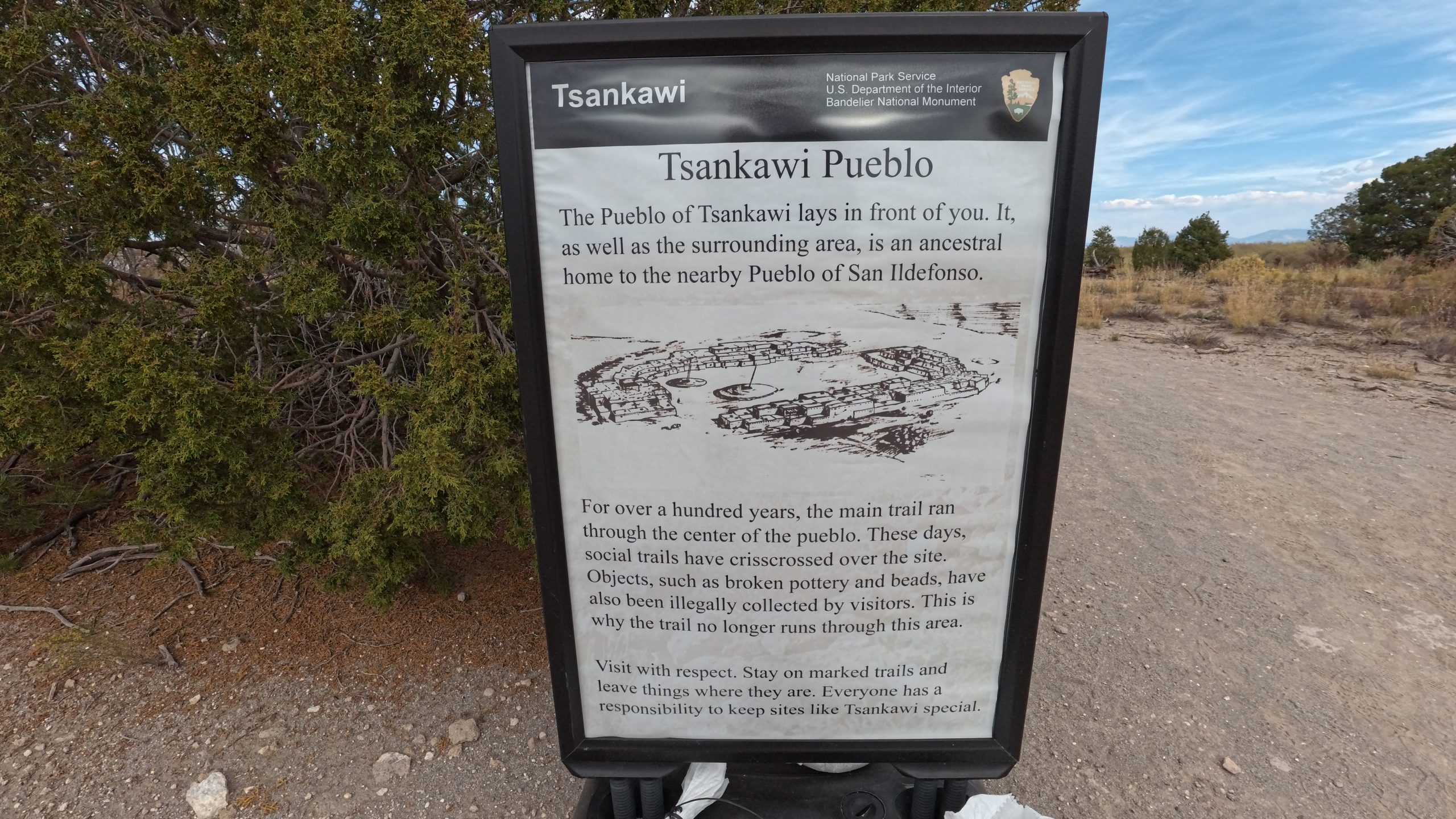
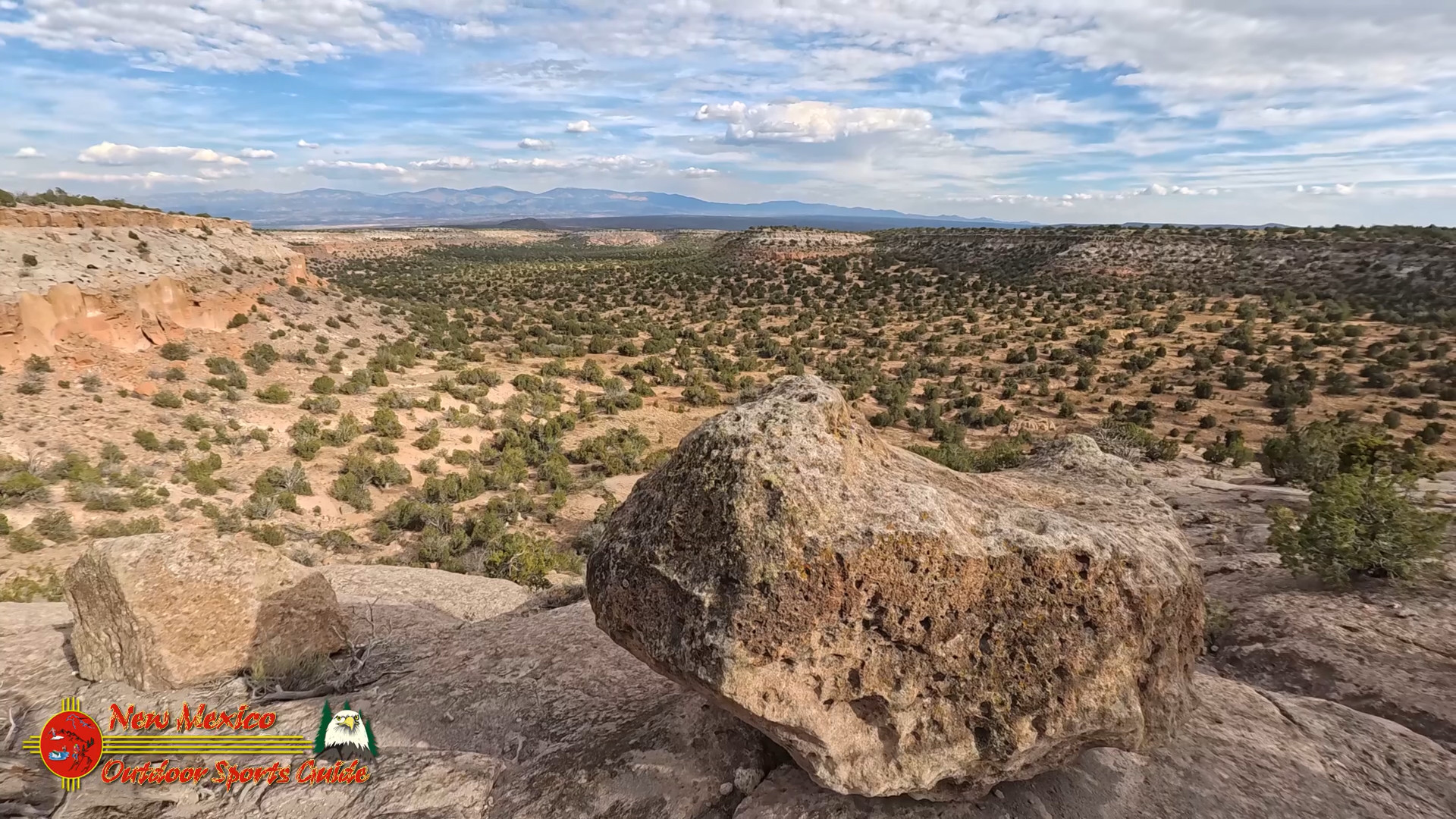
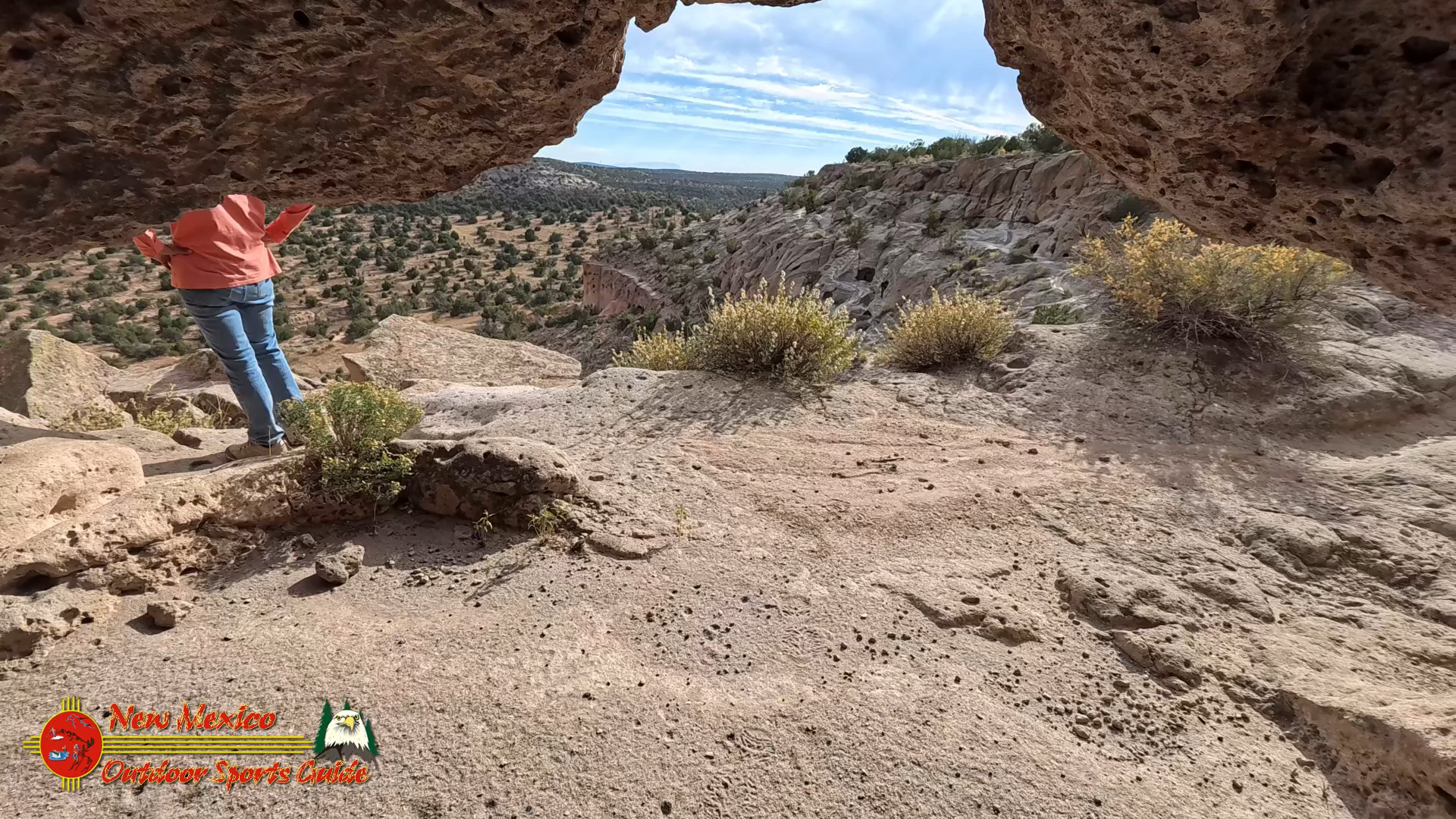
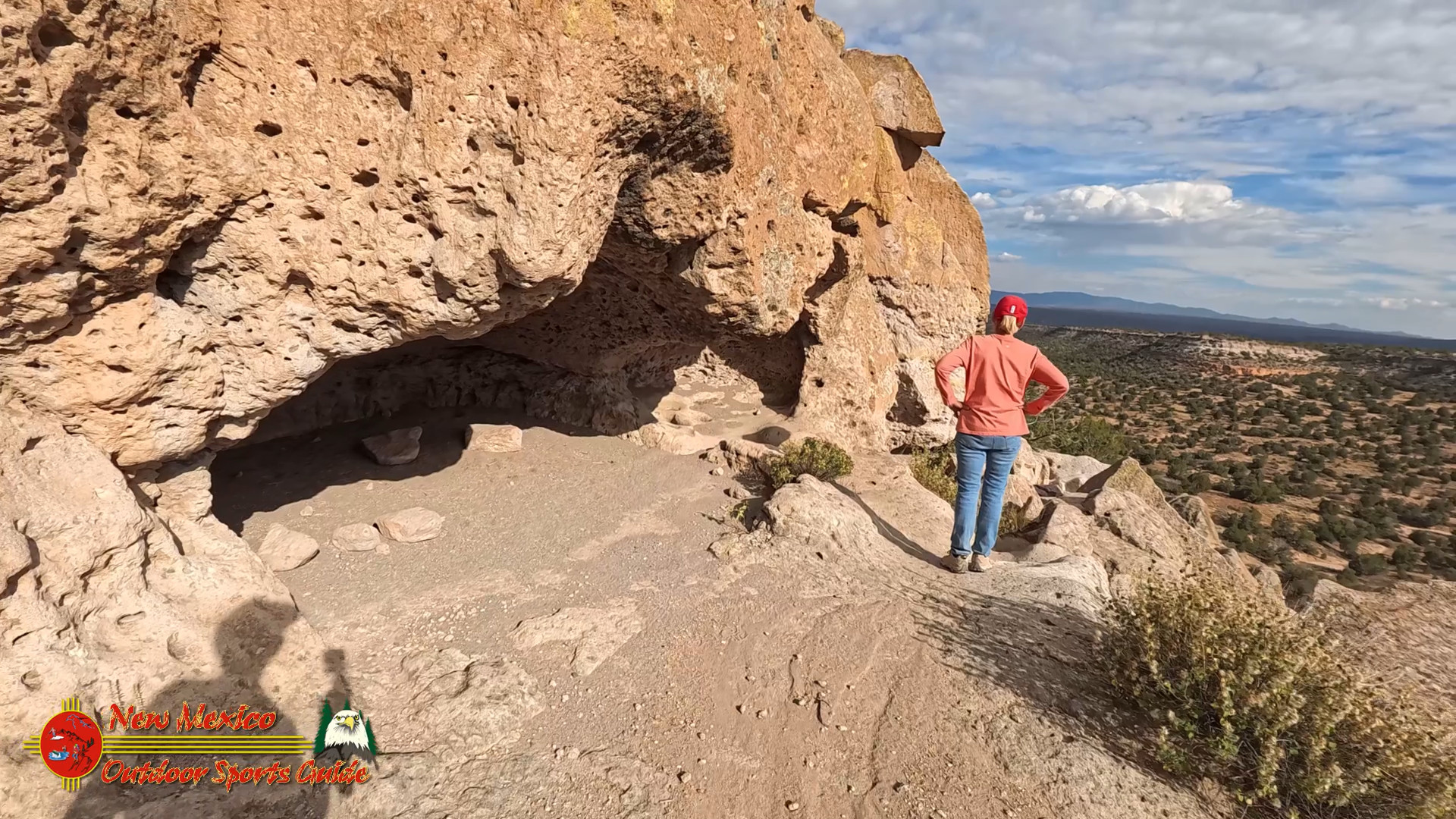
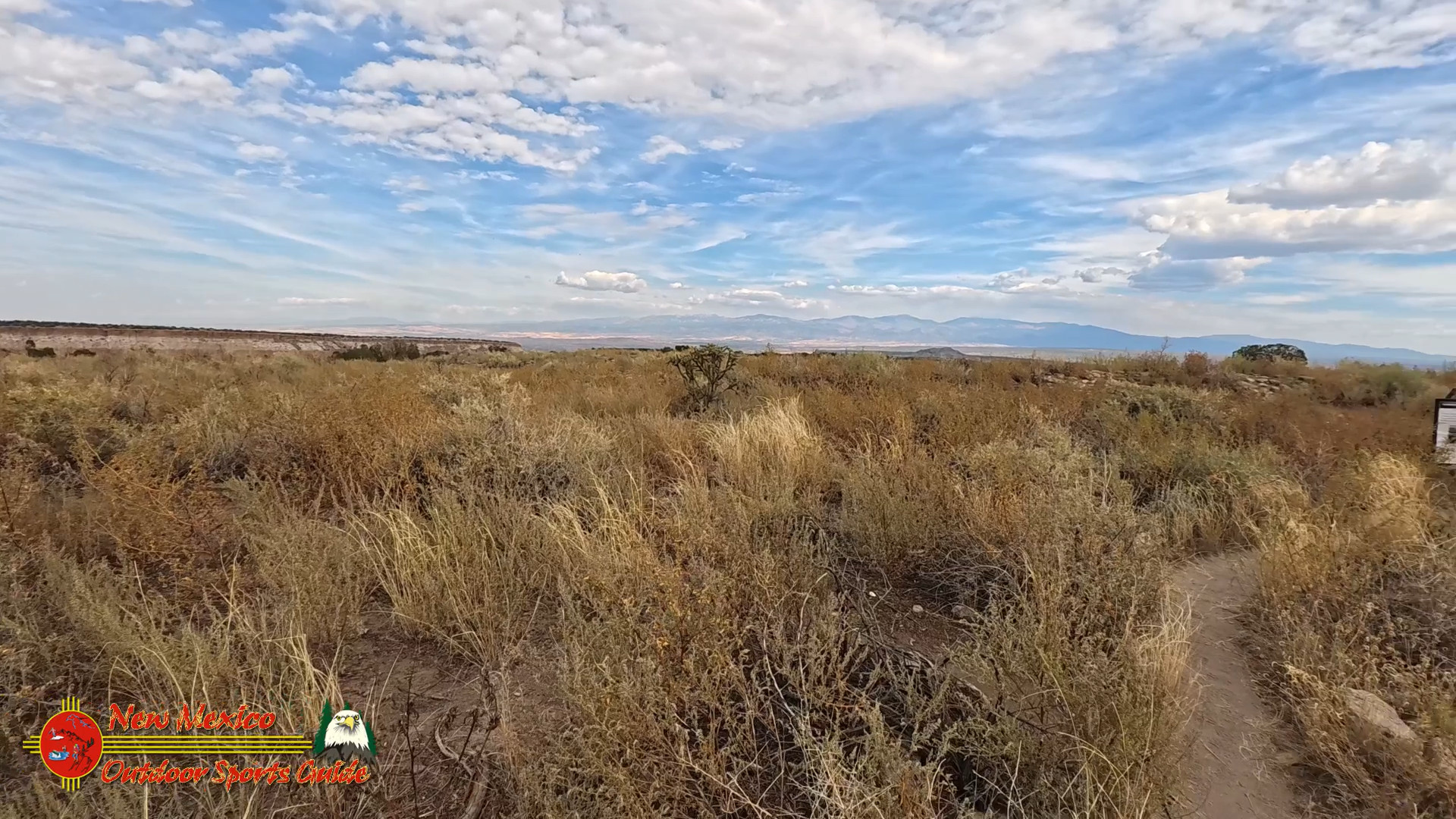
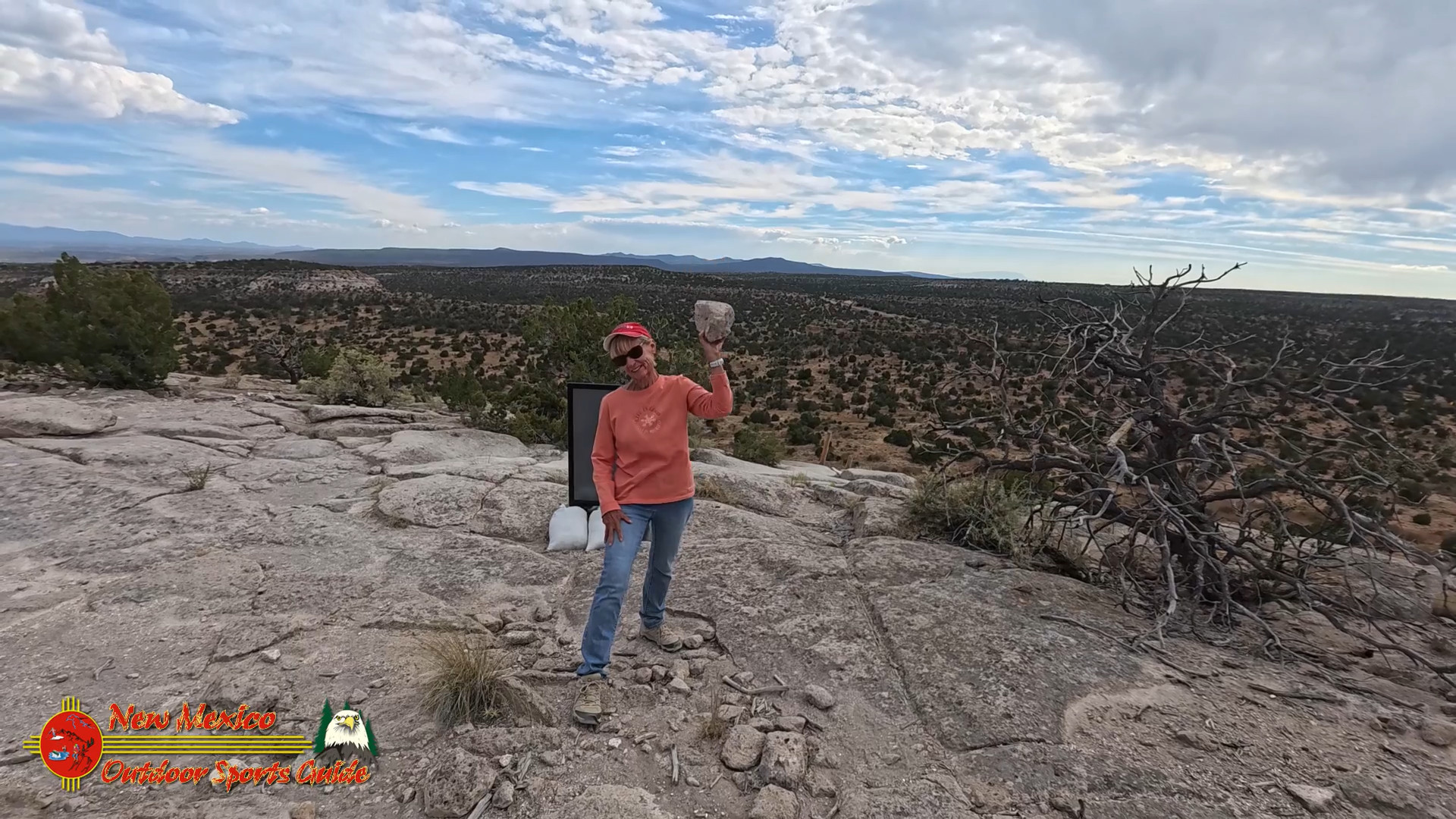
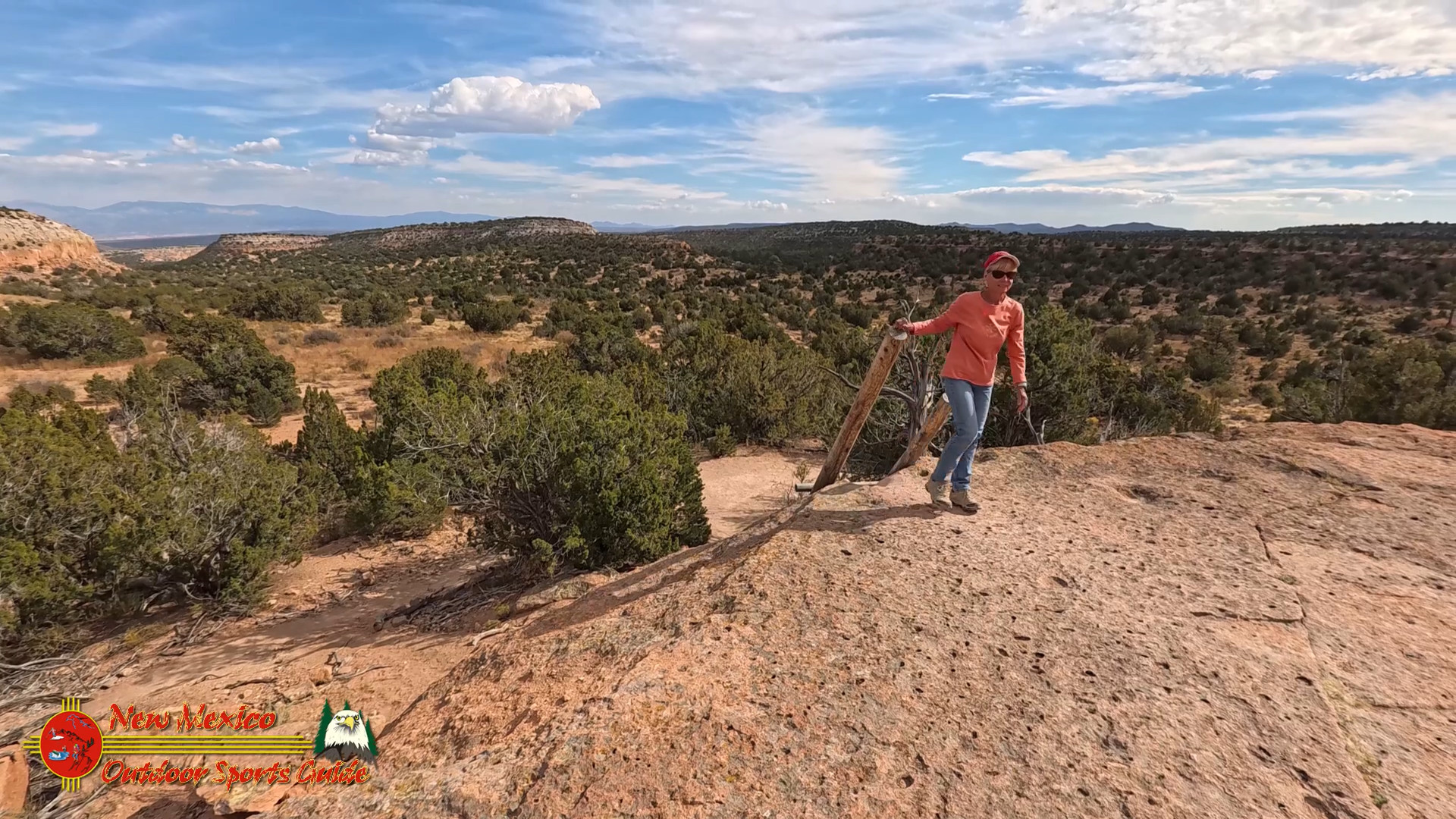
Picture this: a mesa rising from the earth like a giant's table, its surface scarred by time and weather, but still standing proud against the New Mexico sky. This, my friends, is where the Tsankawi people made their home centuries ago. The Tsankawi Pueblo, now mostly ruins, sits atop this mesa, a silent sentinel watching over the vast expanse of the Pajarito Plateau.
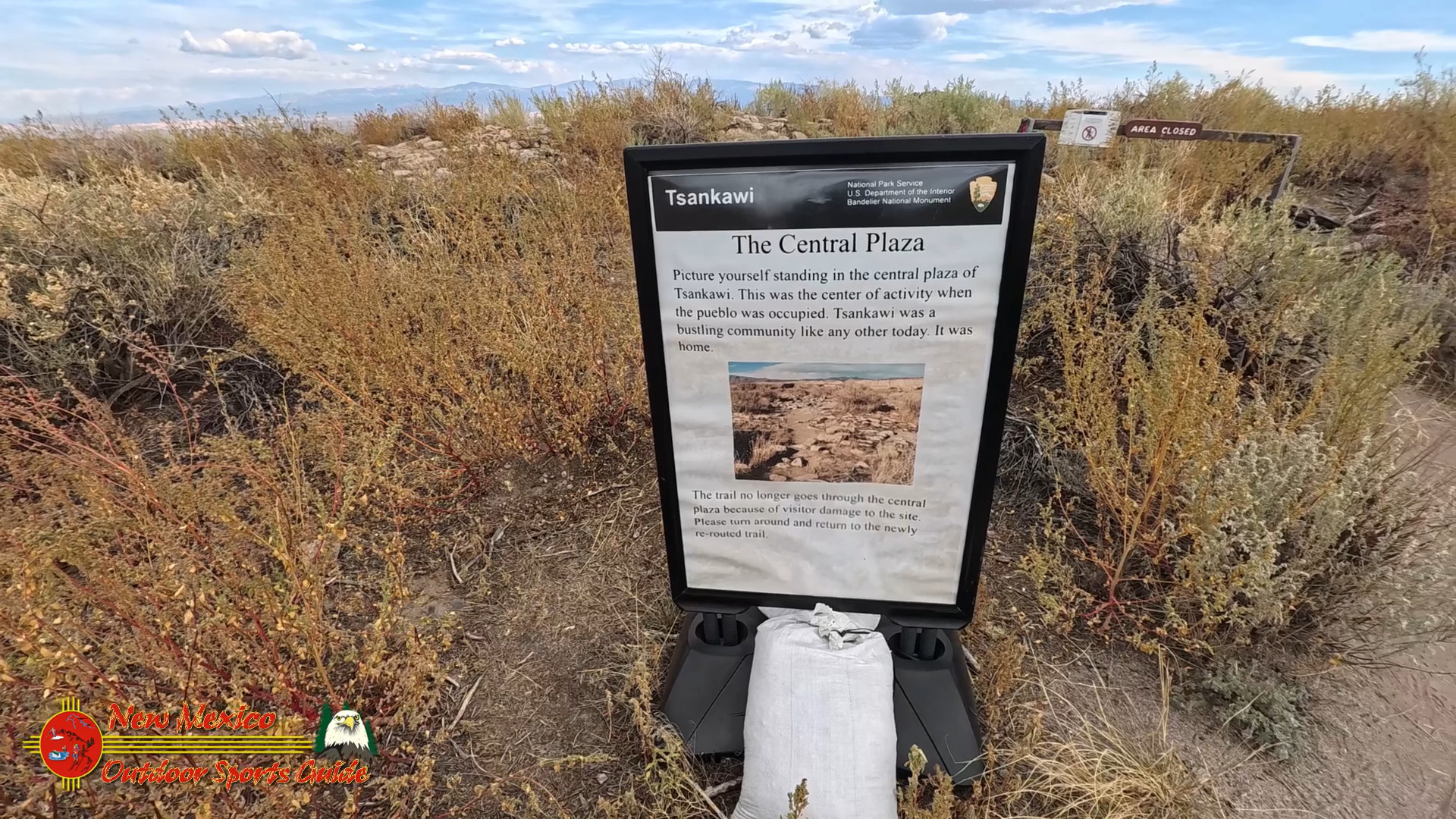
The pueblo itself isn't much to look at these days – mostly low walls and scattered stones – but if you close your eyes and let your imagination wander, you can almost hear the bustle of daily life that once filled this place. Women grinding corn, children laughing as they play, men returning from a hunt with their bounty. It's a far cry from my old childhood ranch days, but in a way, it feels familiar. The same spirit of community, of working with the land instead of against it, that I've known all my life.
Footsteps in Stone: The Trails of Tsankawi
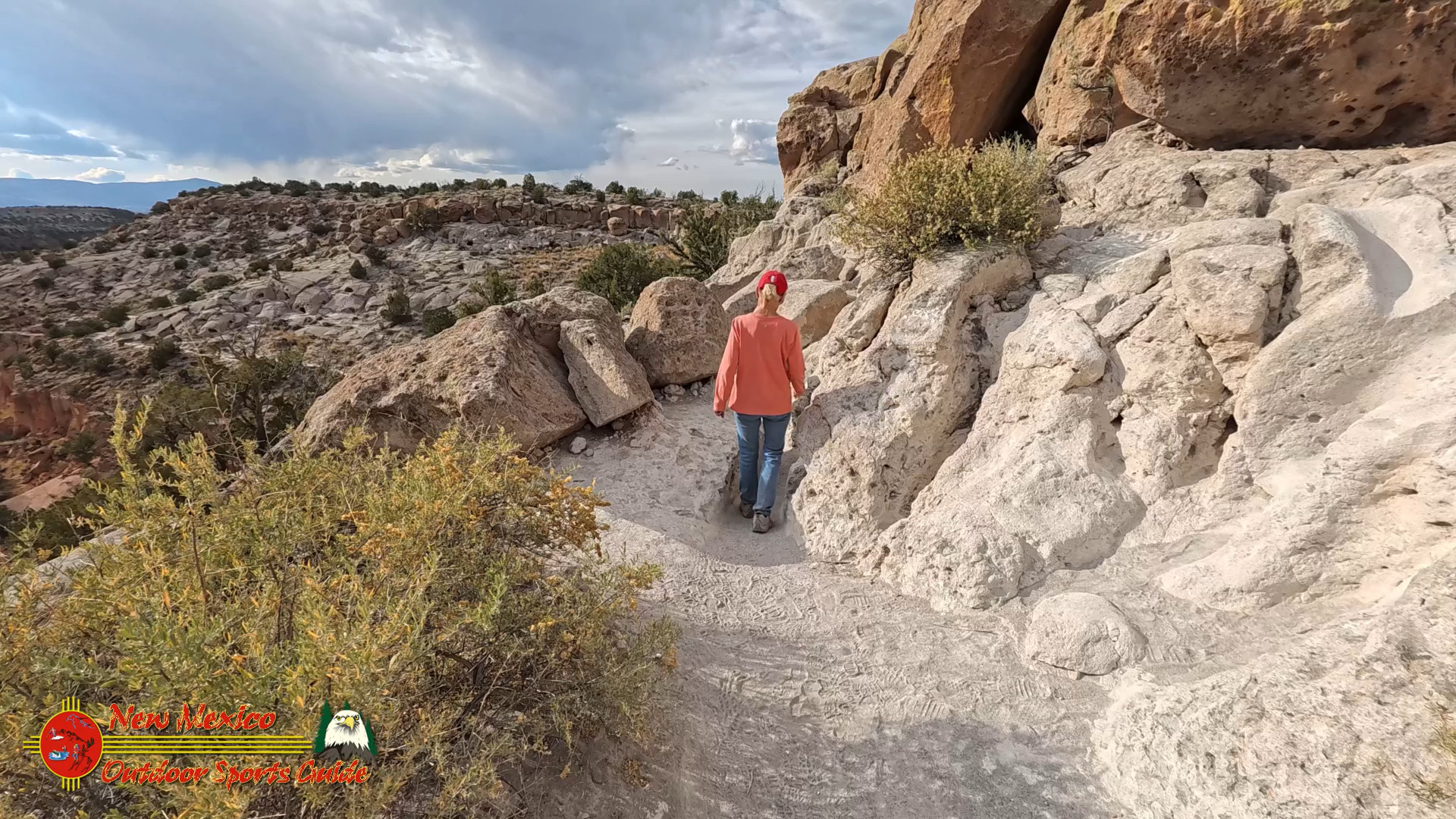
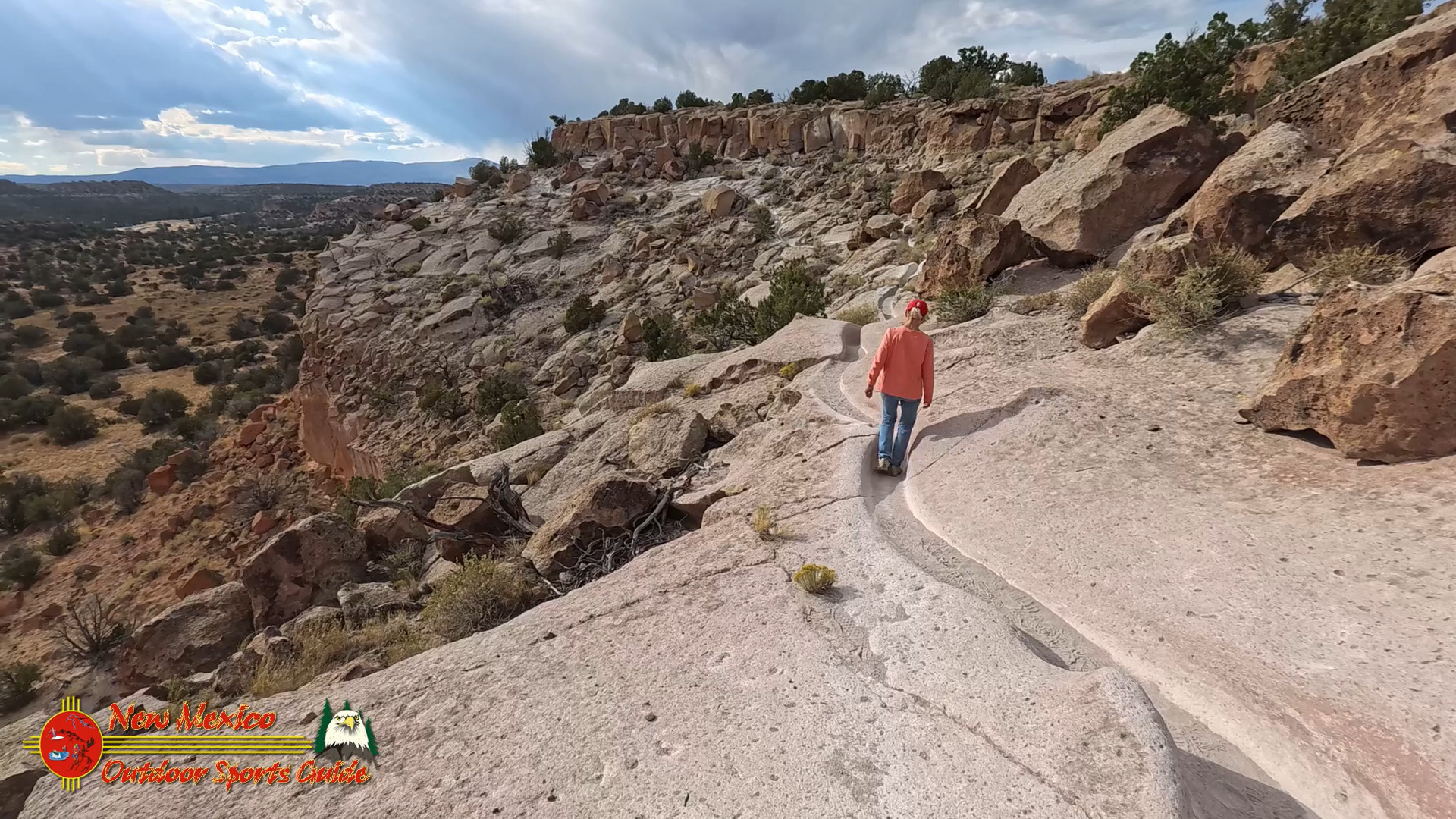
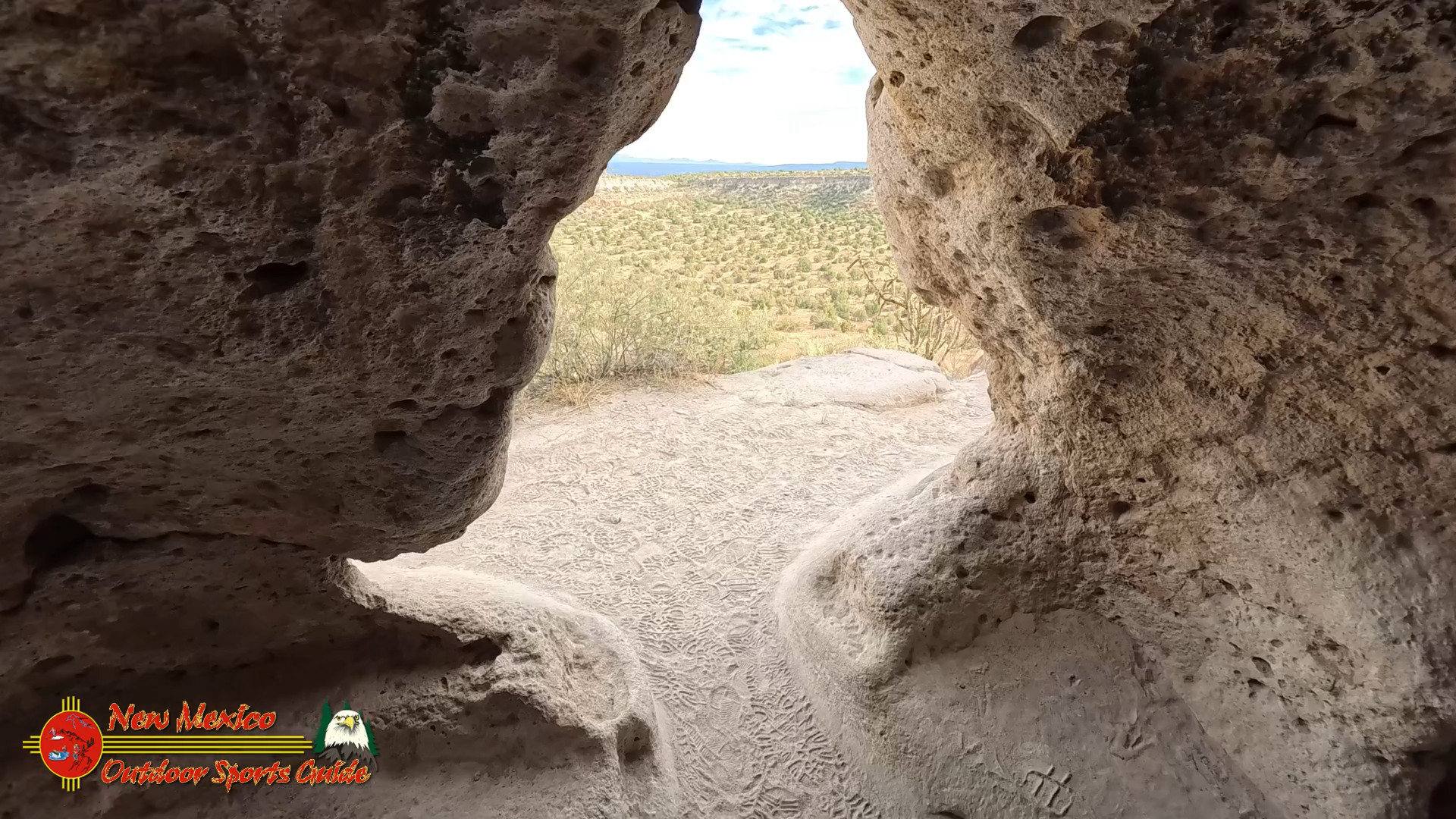
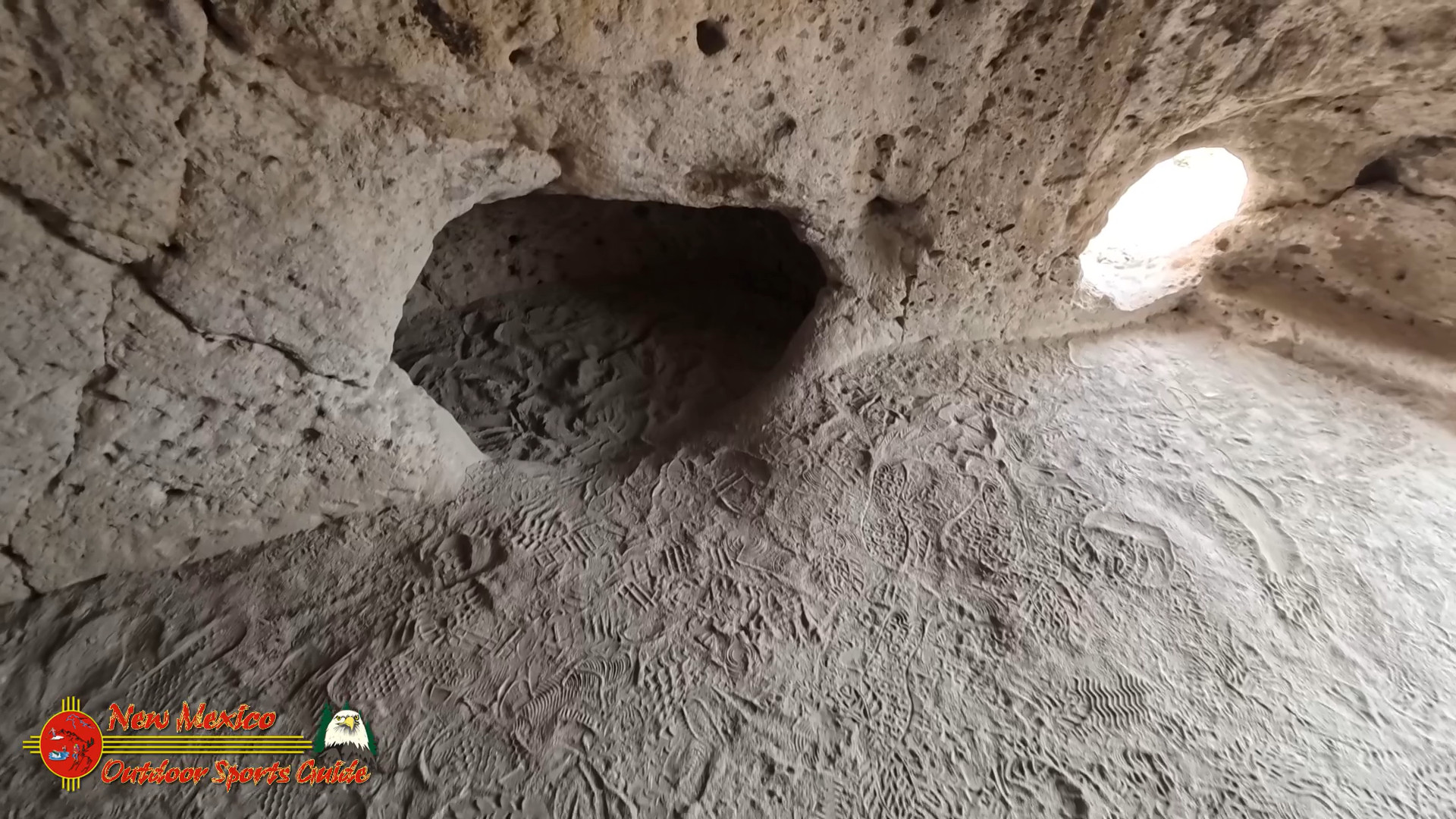
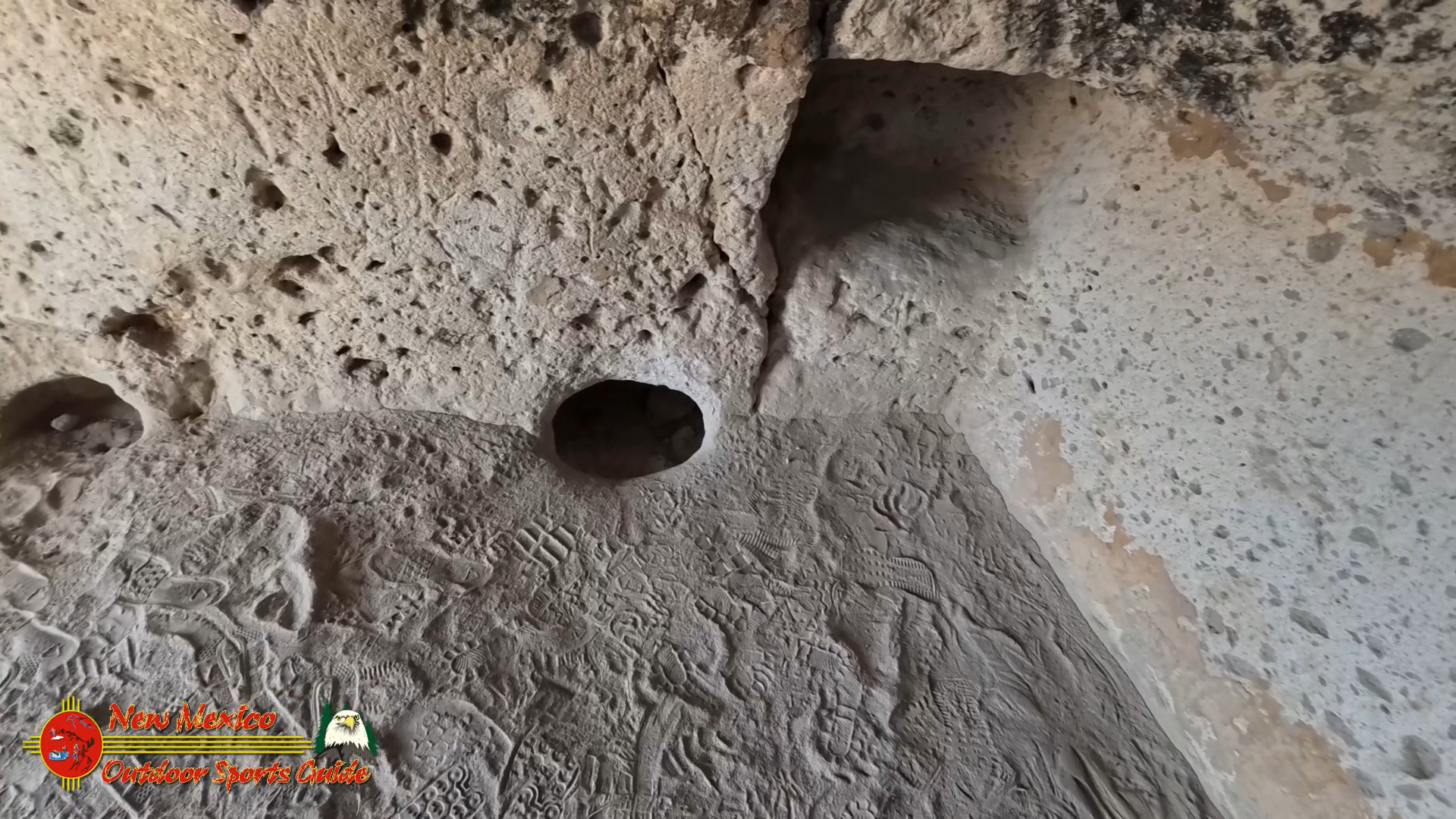
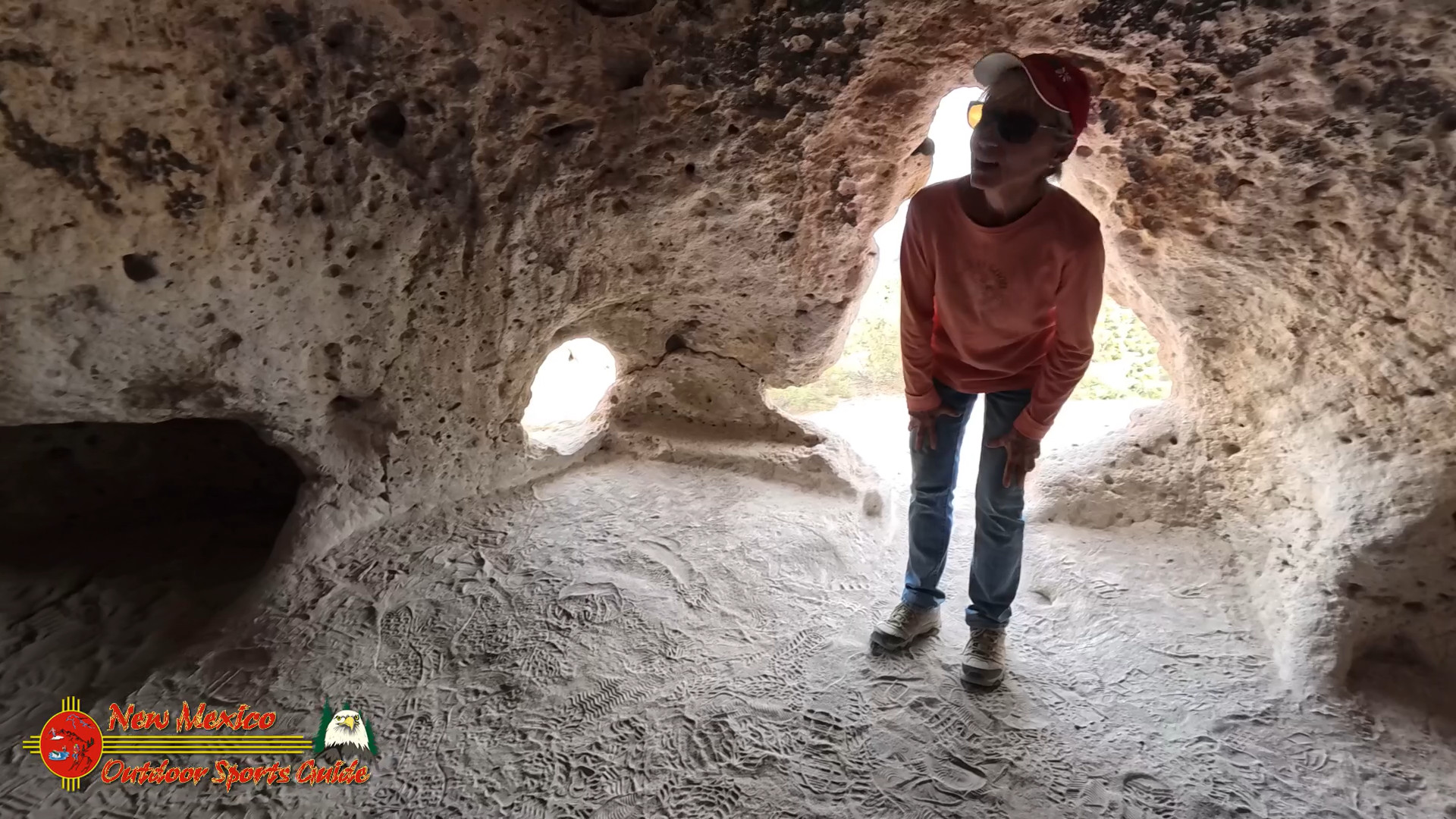
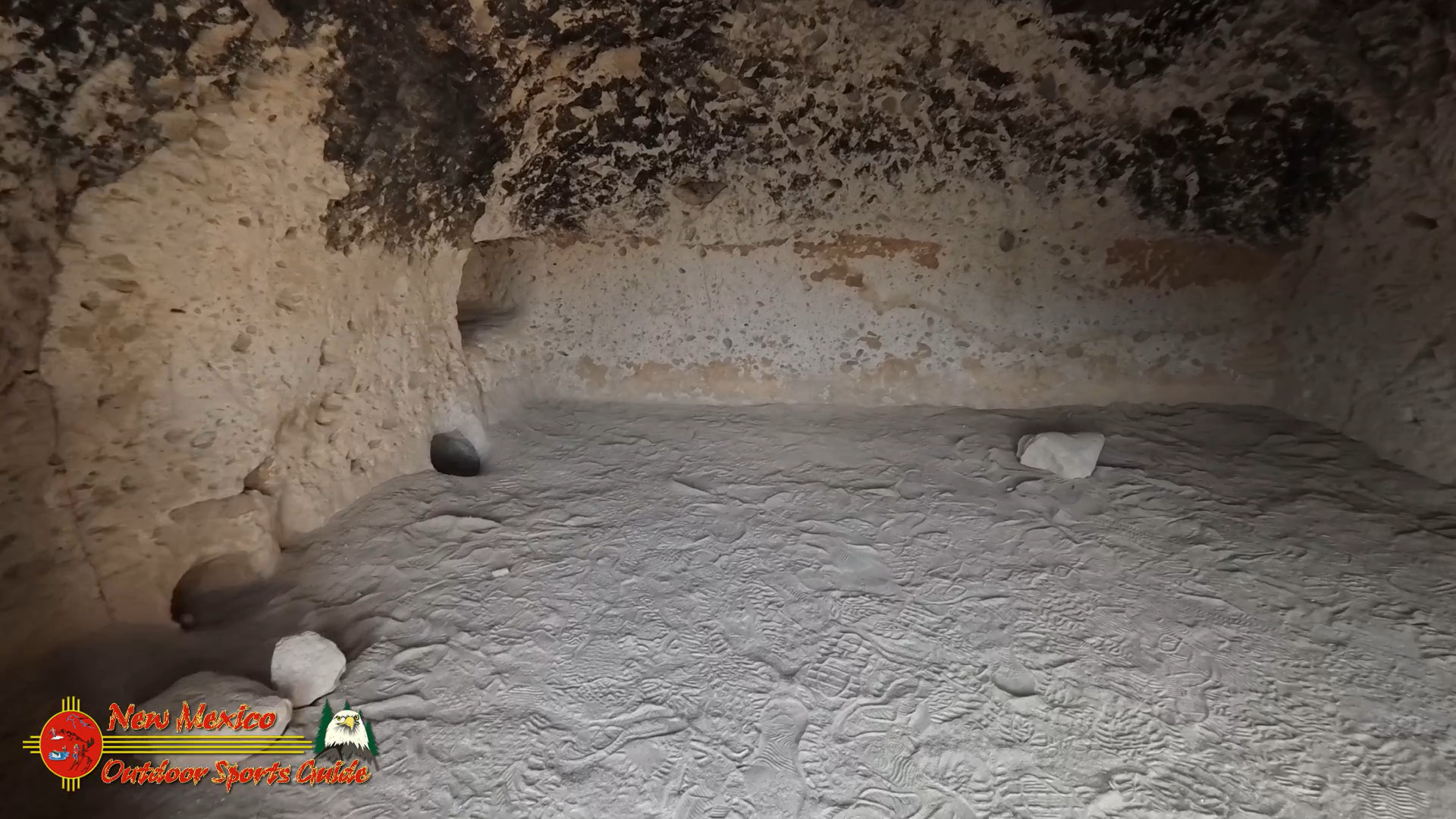
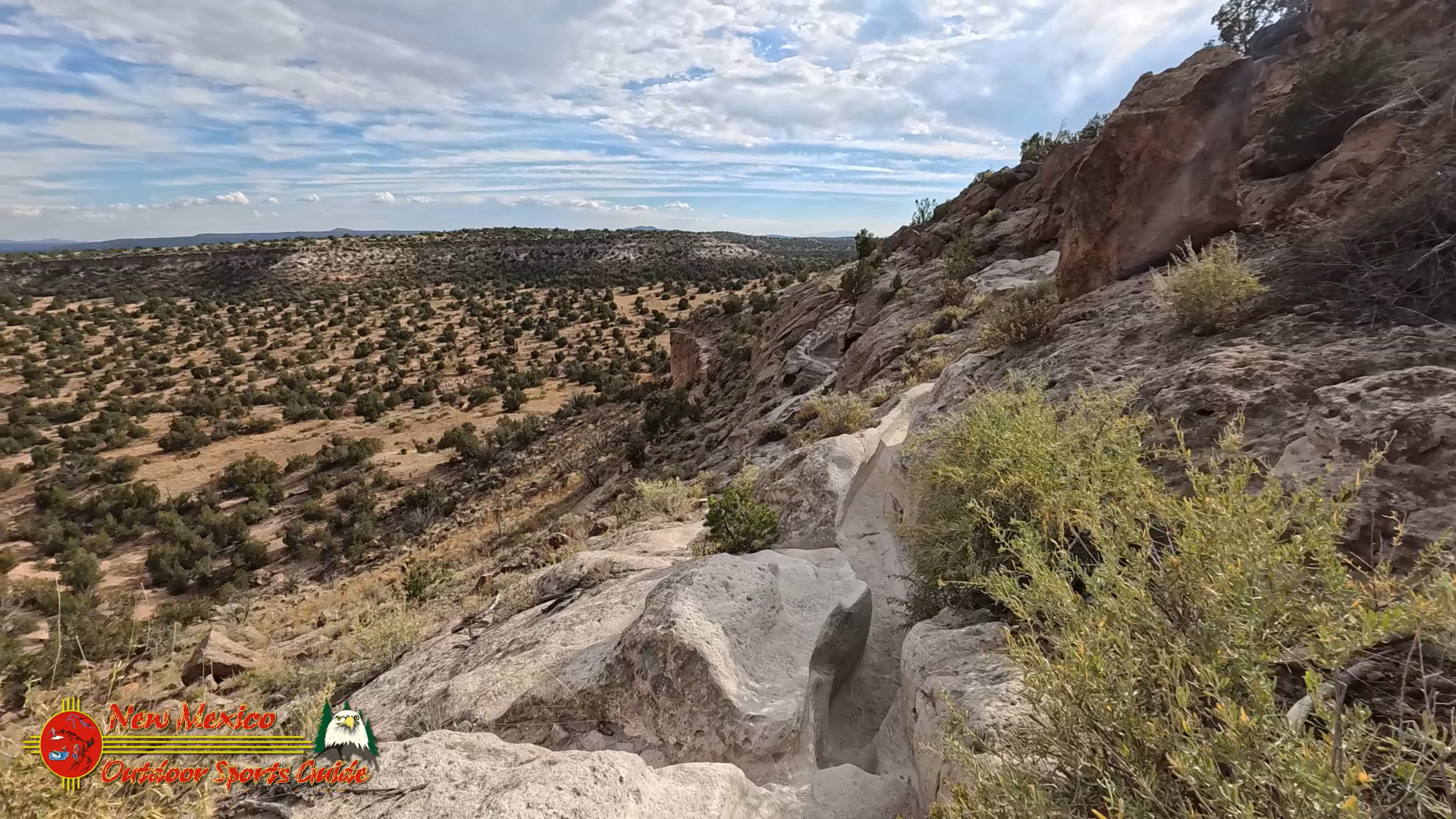
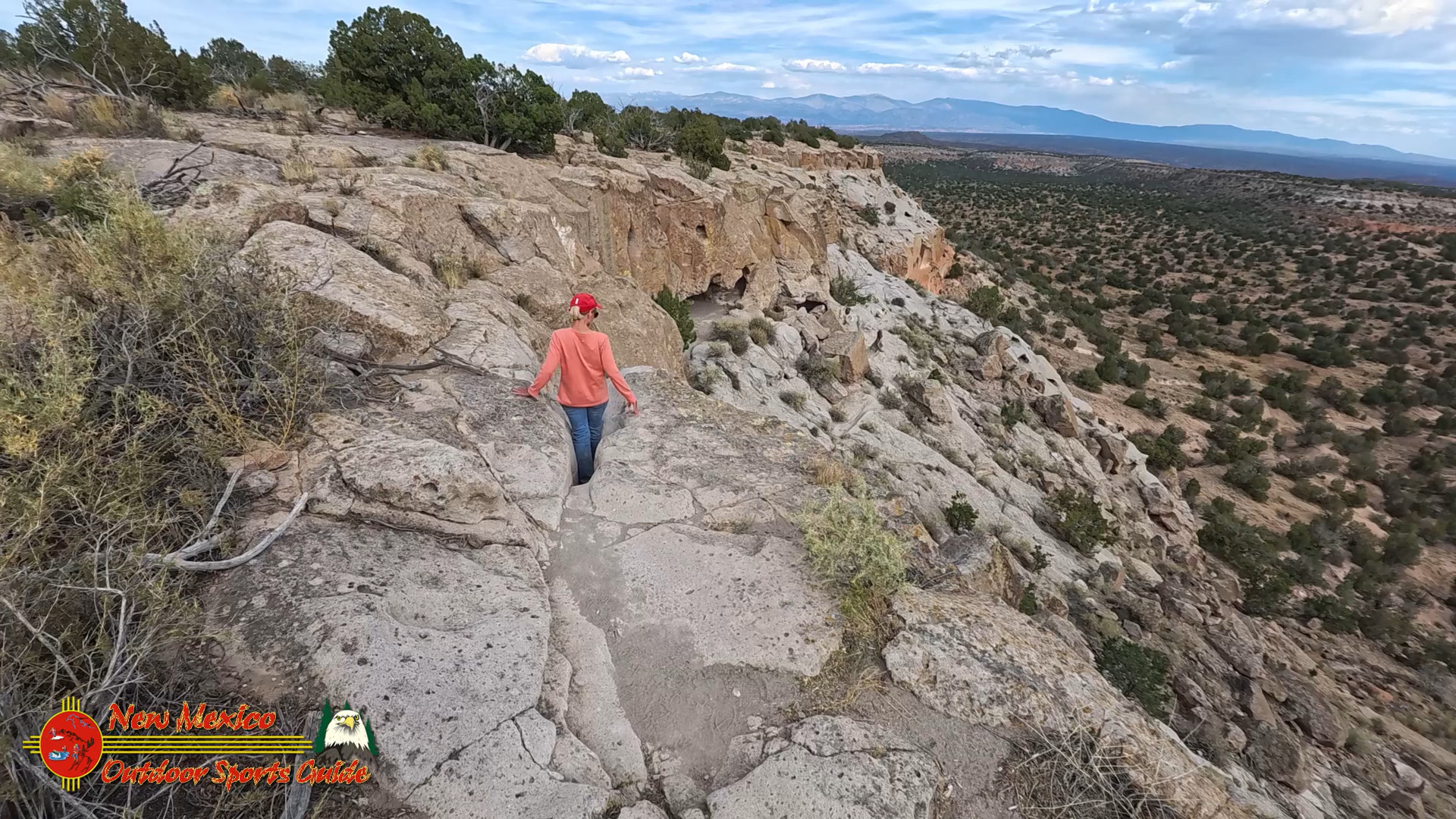
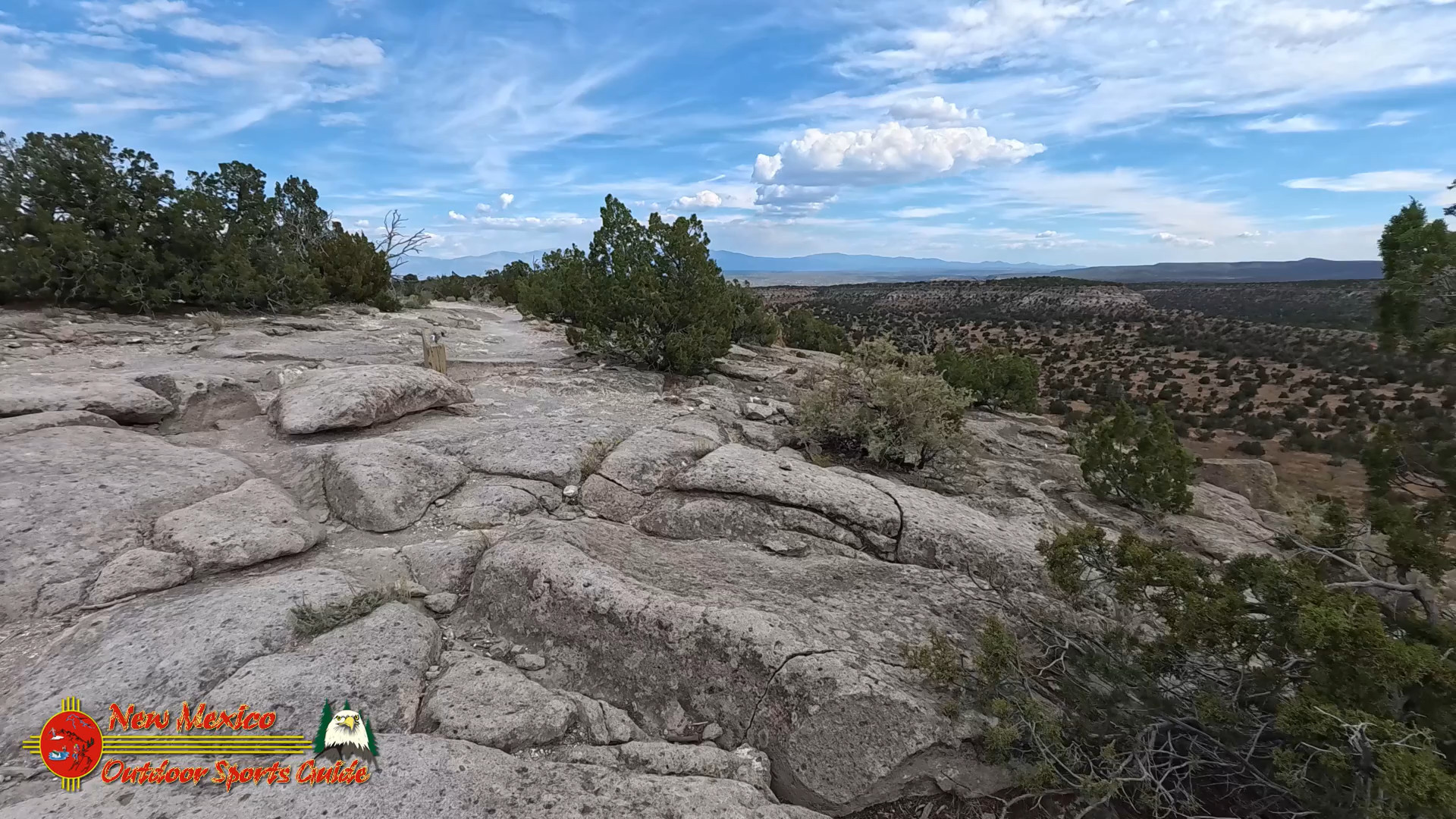
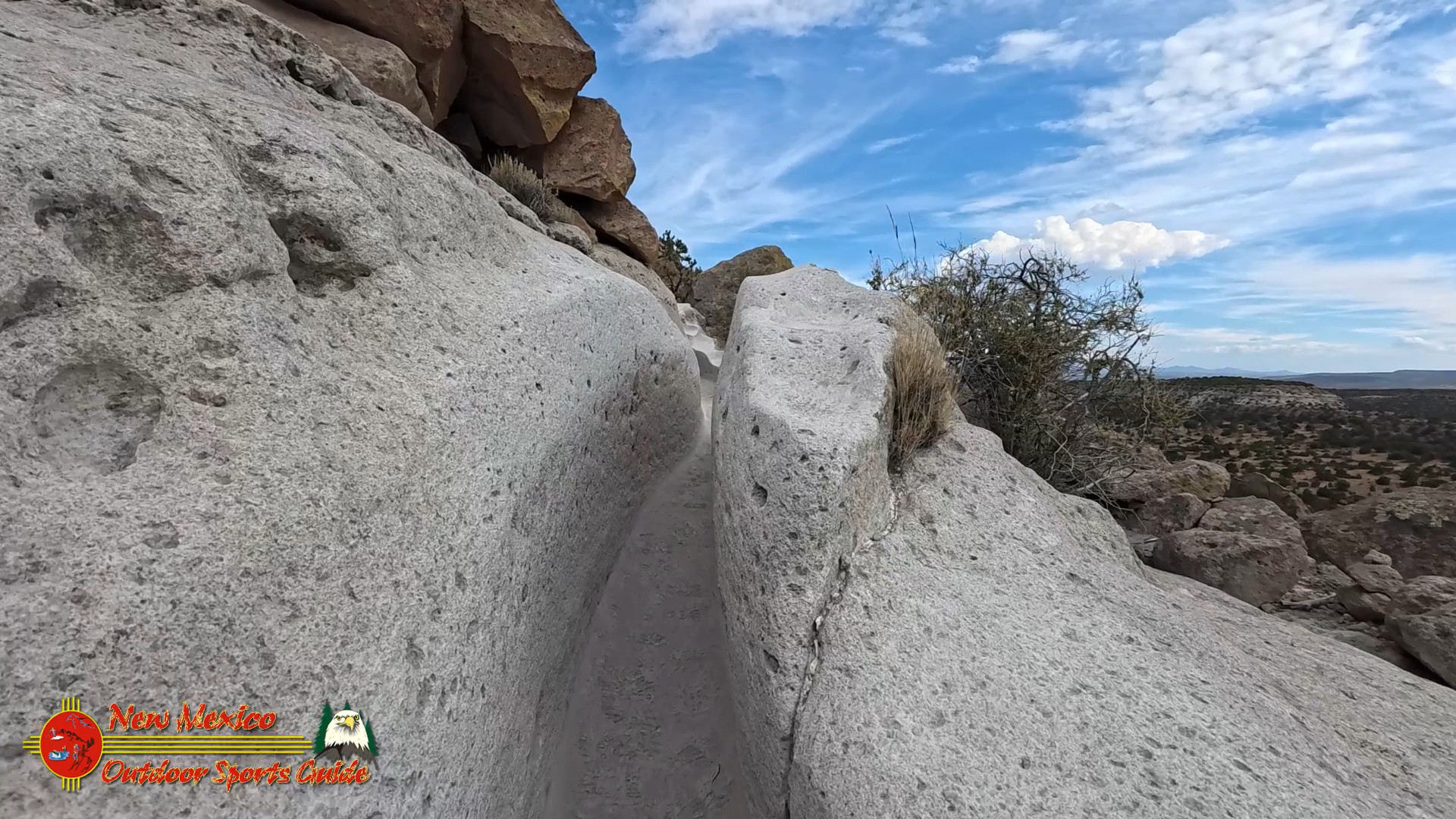
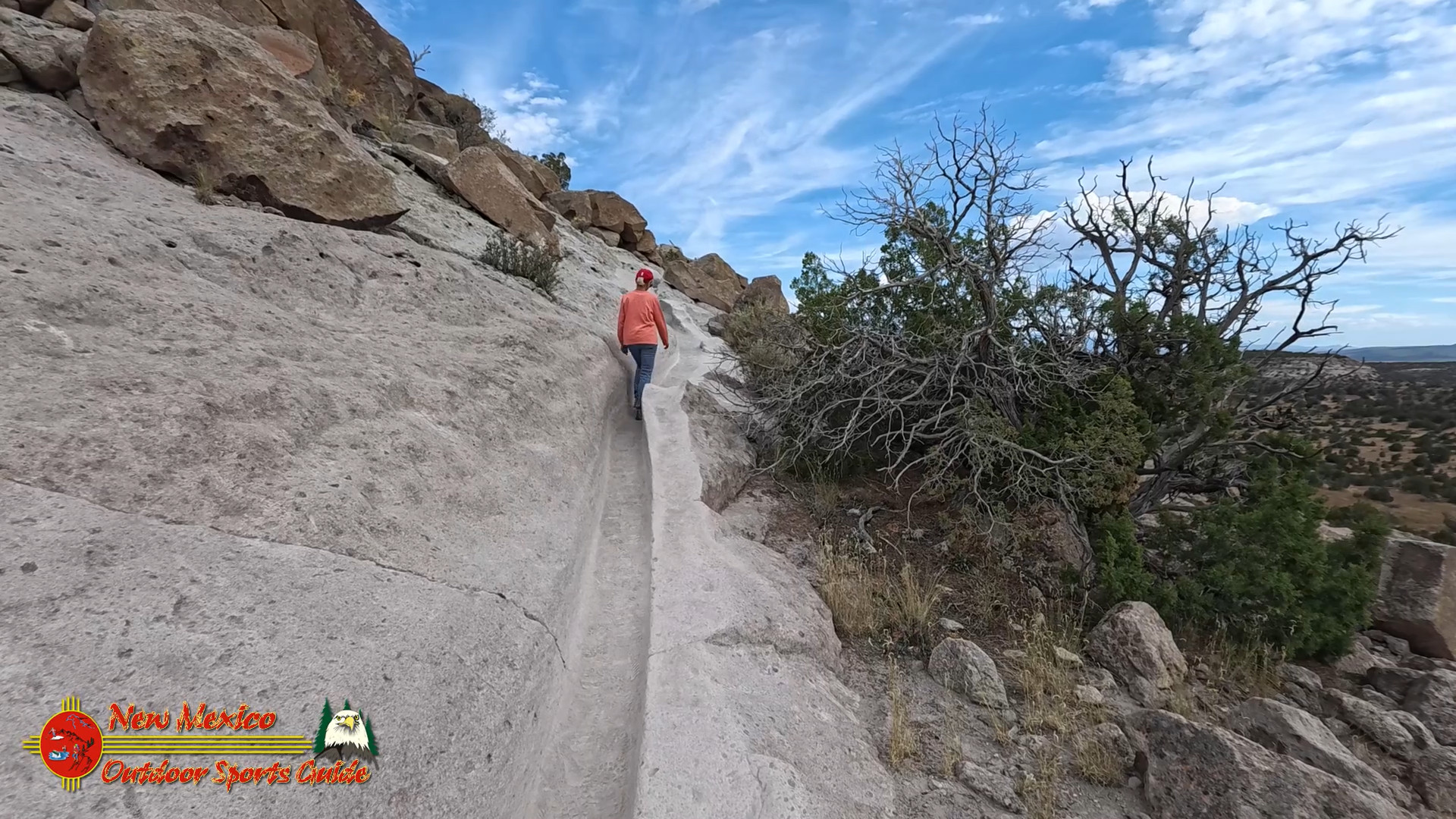
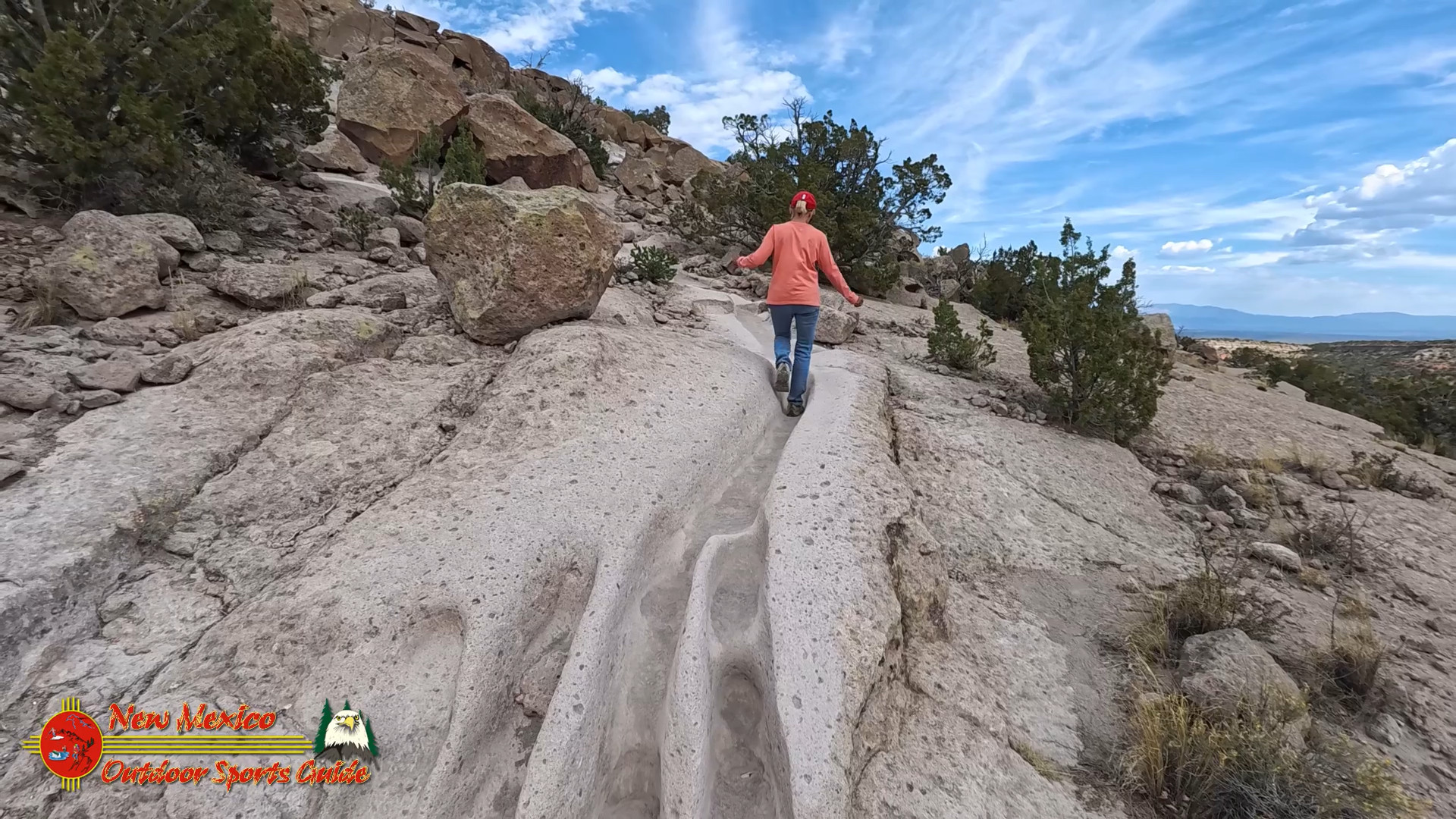
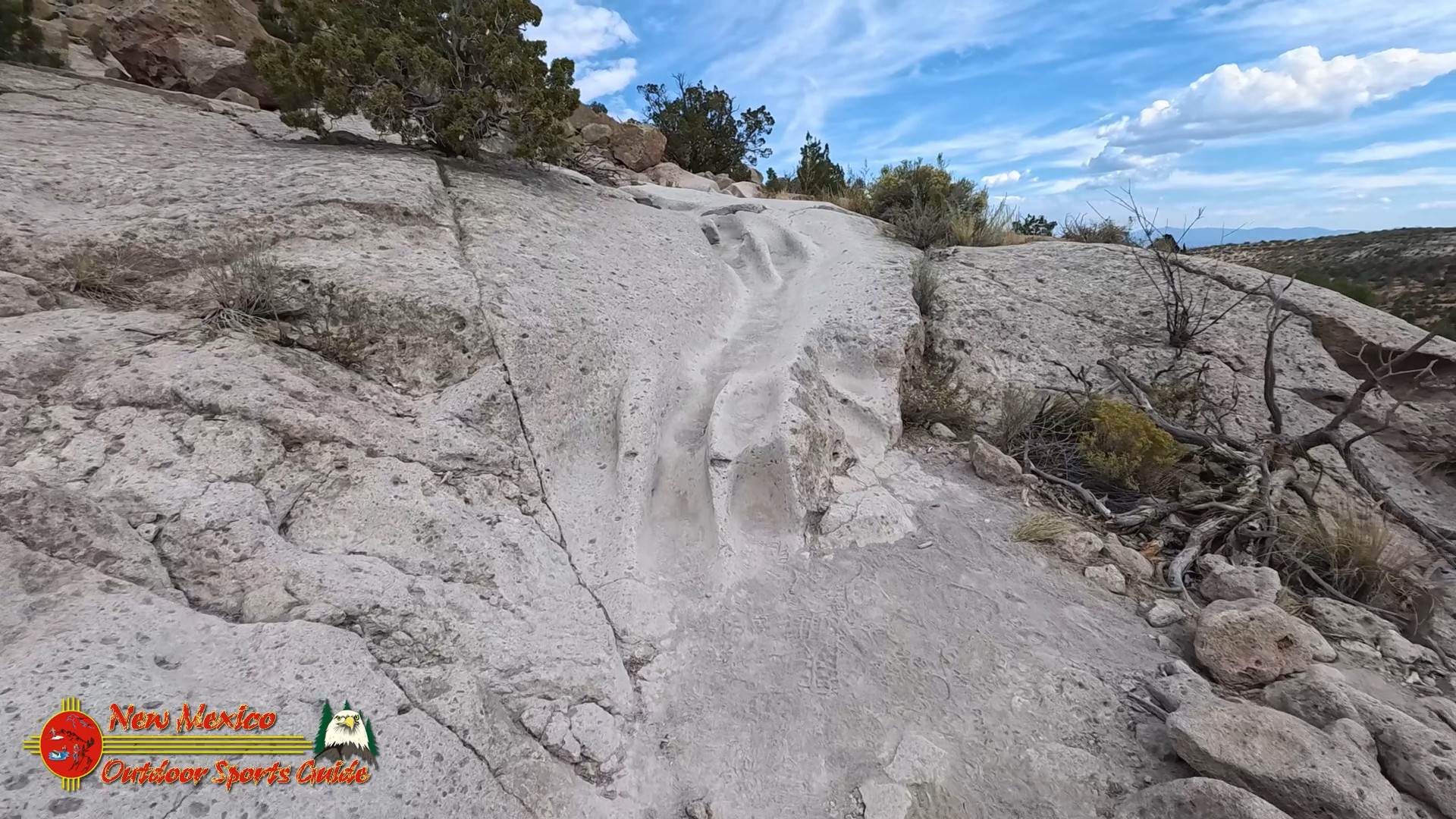
Now, let me tell you about something truly remarkable – the trails. You see, the Tsankawi people didn't just build their homes up on that mesa. They lived their lives up and down its slopes, and over the centuries, their comings and goings wore paths into the soft volcanic tuff. We're not talking about your average hiking trail here, folks. These are grooves carved right into the rock, some of them more than a foot deep.
Walking these trails is like stepping back in time. Your feet follow the exact same path that countless Ancestral Pueblo people trod hundreds of years ago. It's a connection to the past that's hard to put into words, but it's something I've tried to capture in my photographs time and time again. There's something about the play of light and shadow in those worn grooves that speaks of the passage of time in a way that nothing else quite can.
A Piece of Bandelier: The Tsankawi Unit
Now, Tsankawi isn't a standalone site. It's actually part of Bandelier National Monument, though it's separate from the main park area. It's what they call a "detached unit," sitting about 12 miles from the main section of Bandelier. And let me tell you, it's a gem that a lot of folks miss out on.
Bandelier itself is a wonder – cliff dwellings, petroglyphs, and enough history to keep a curious mind busy for years. But Tsankawi? It's got a different feel to it. It's quieter, less developed. When you're out there on those ancient trails, with nothing but the wind and the occasional call of a raven for company, it's easier to imagine what life might have been like for the Tsankawi people.
The Lifeblood of the Land: The Rio Grande
No talk about this area would be complete without mentioning the Rio Grande. This mighty river has been the lifeblood of the region for millennia, long before the first Spanish explorers laid eyes on it. The Tsankawi people, like so many others before and after them, depended on the Rio Grande and its tributaries for their survival.
From my years of hiking, I know firsthand how precious water is in this part of the world. The Rio Grande isn't just a river – it's a lifeline, a boundary, a highway, and a sacred place all rolled into one. The Tsankawi people would have known this too. They would have made the trek down from their mesa home to the river, carrying empty vessels and returning with life-giving water.
Santa Fe: Where Past Meets Present
Now, if you're planning a visit to Tsankawi (and I highly recommend you do), you might want to base yourself out of Santa Fe. This city, the oldest capital in the United States, is a blend of cultures that'll make your head spin. Adobe buildings line the streets, their warm earth tones a perfect match for the surrounding landscape. Art galleries sit next to centuries-old churches, and the smell of piñon smoke and green chile fills the air.
Santa Fe's about an hour's drive from Tsankawi, making it a perfect jumping-off point for your explorations. And let me tell you, after a day of hiking those ancient trails, there's nothing quite like coming back to Santa Fe for a meal of blue corn enchiladas and a cold drink. It's a bit fancier than the old cowboy joints I used to frequent, but I've grown to appreciate it in my old age.
When to Visit: A Year-Round Destination
Now, you might be wondering when the best time to visit Tsankawi might be. And the truth is, there's no bad time. Each season brings its own magic to the mesa.
In spring, wildflowers dot the landscape, bringing splashes of color to the earth-toned rocks. Summer can be hot, but the early morning hours are perfect for exploring, and the long days mean more time for adventure. Fall paints the cottonwoods along the Rio Grande in shades of gold, creating a stunning contrast with the blue sky and red rocks. And winter? Well, there's something special about seeing those ancient trails dusted with snow, the white powder filling the foot-worn grooves like icing on a cake.
Personally, I'm partial to the shoulder seasons – late spring and early fall. The weather's mild, the crowds are thinner, and the light... well, the light is just perfect for photography. There's nothing quite like capturing the long shadows of late afternoon stretching across those ancient walls and trails.
Visiting Tsankawi: A Step Back in Time
If you do decide to visit Tsankawi (and I hope you will), there are a few things you should know. First off, it's a bit off the beaten path. You won't find any fancy visitor centers or paved trails here. What you will find is a small parking area, a simple trailhead, and a 1.5-mile loop that'll take you on a journey through time.
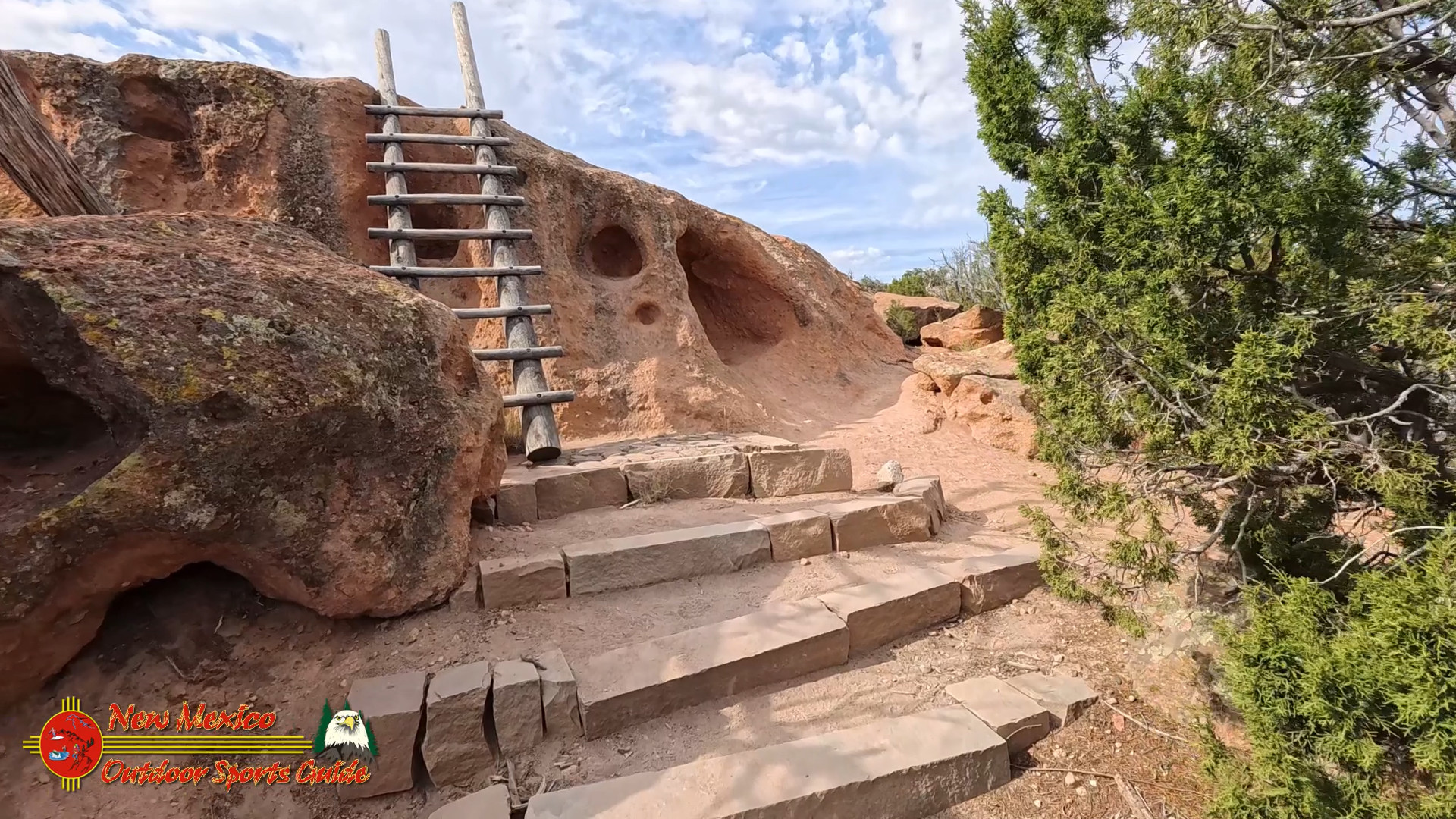
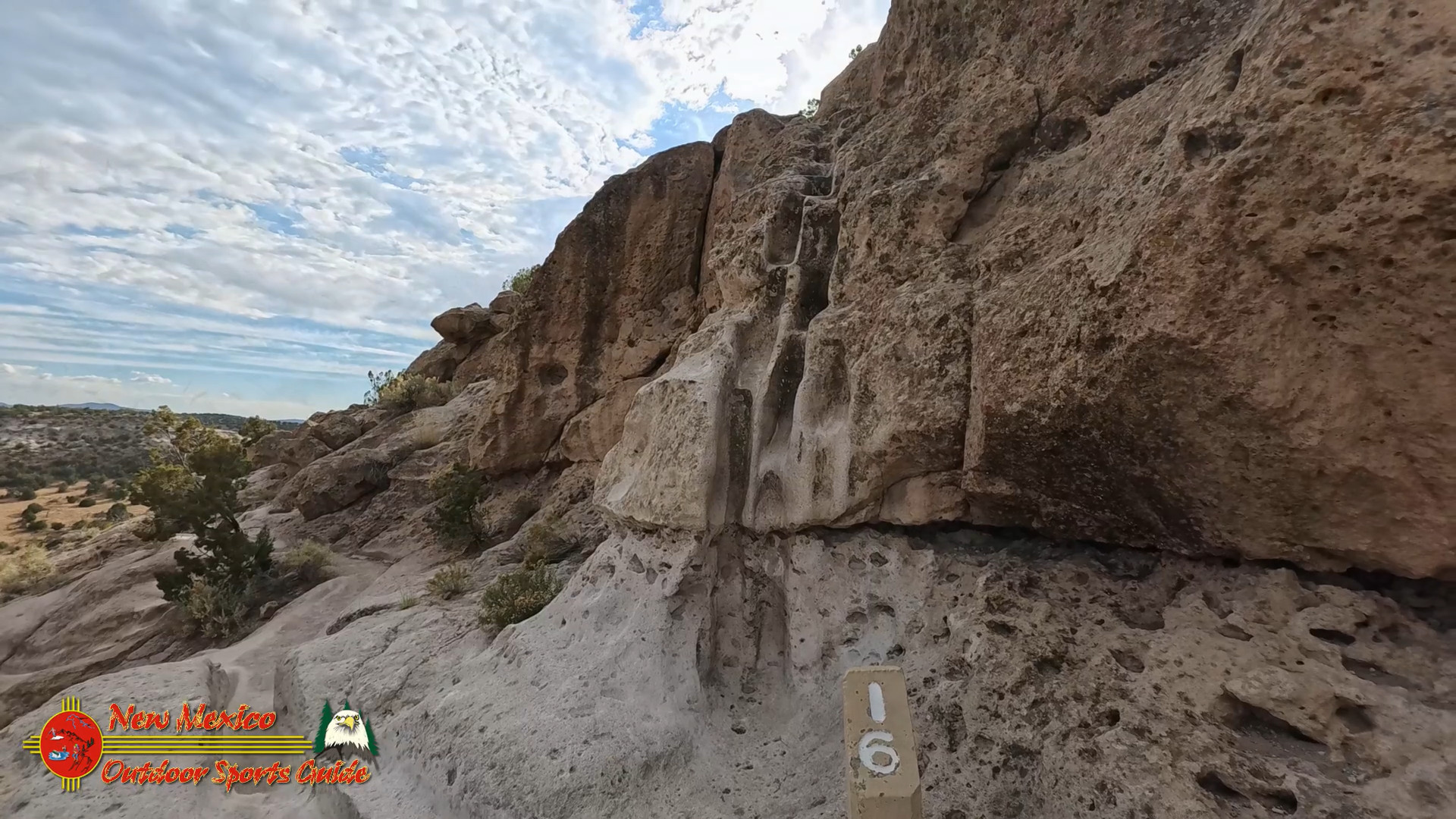
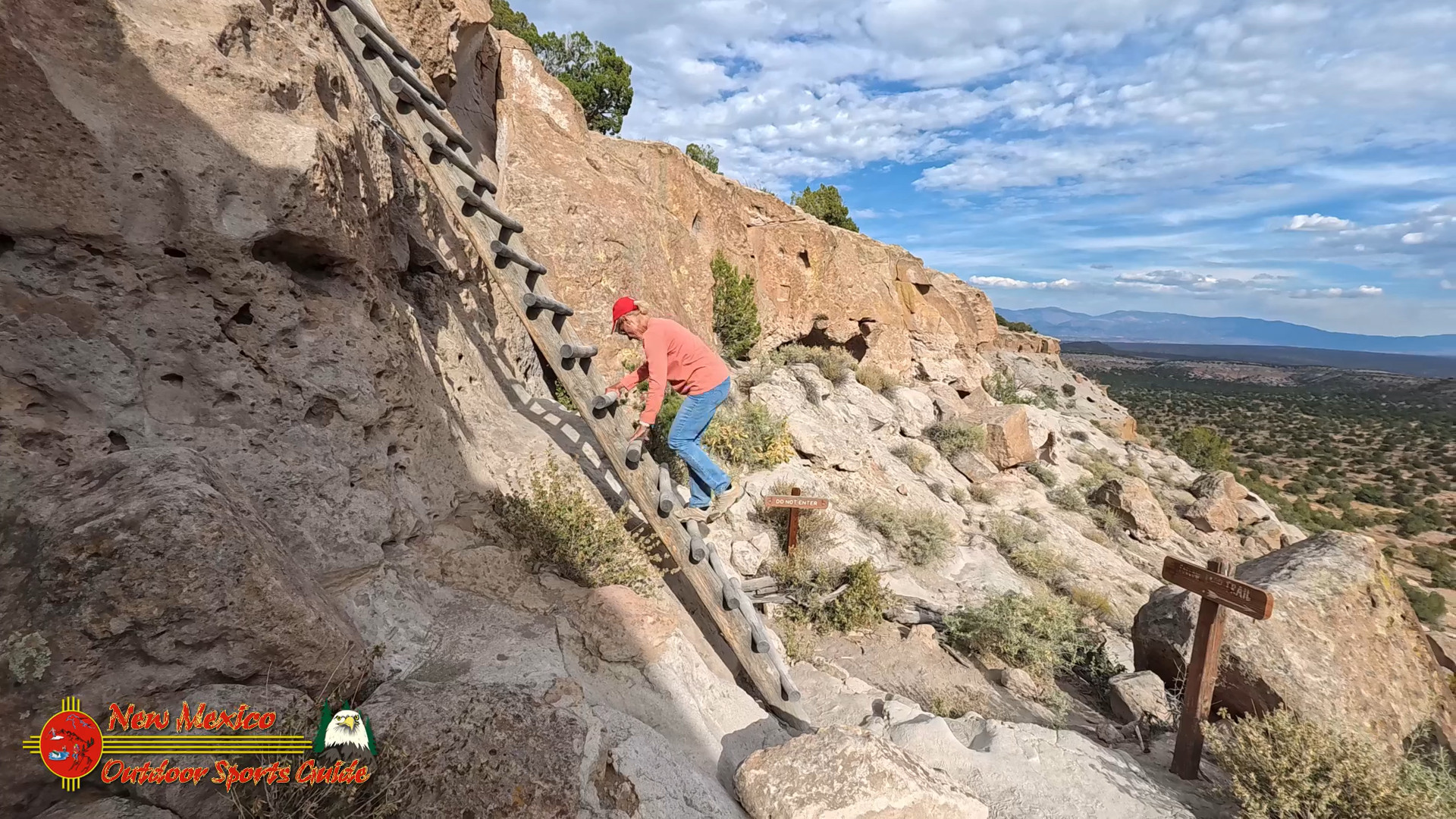
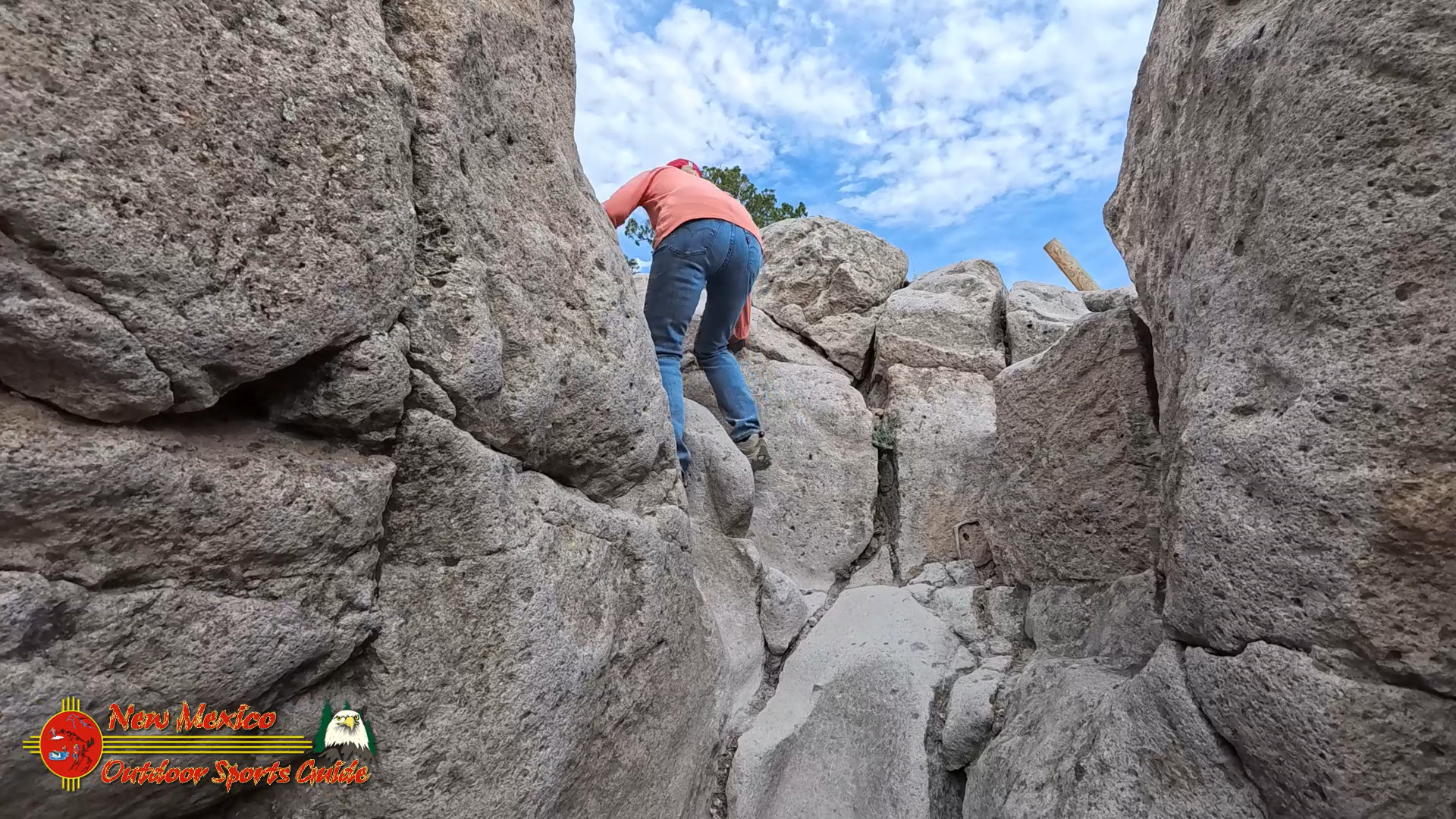
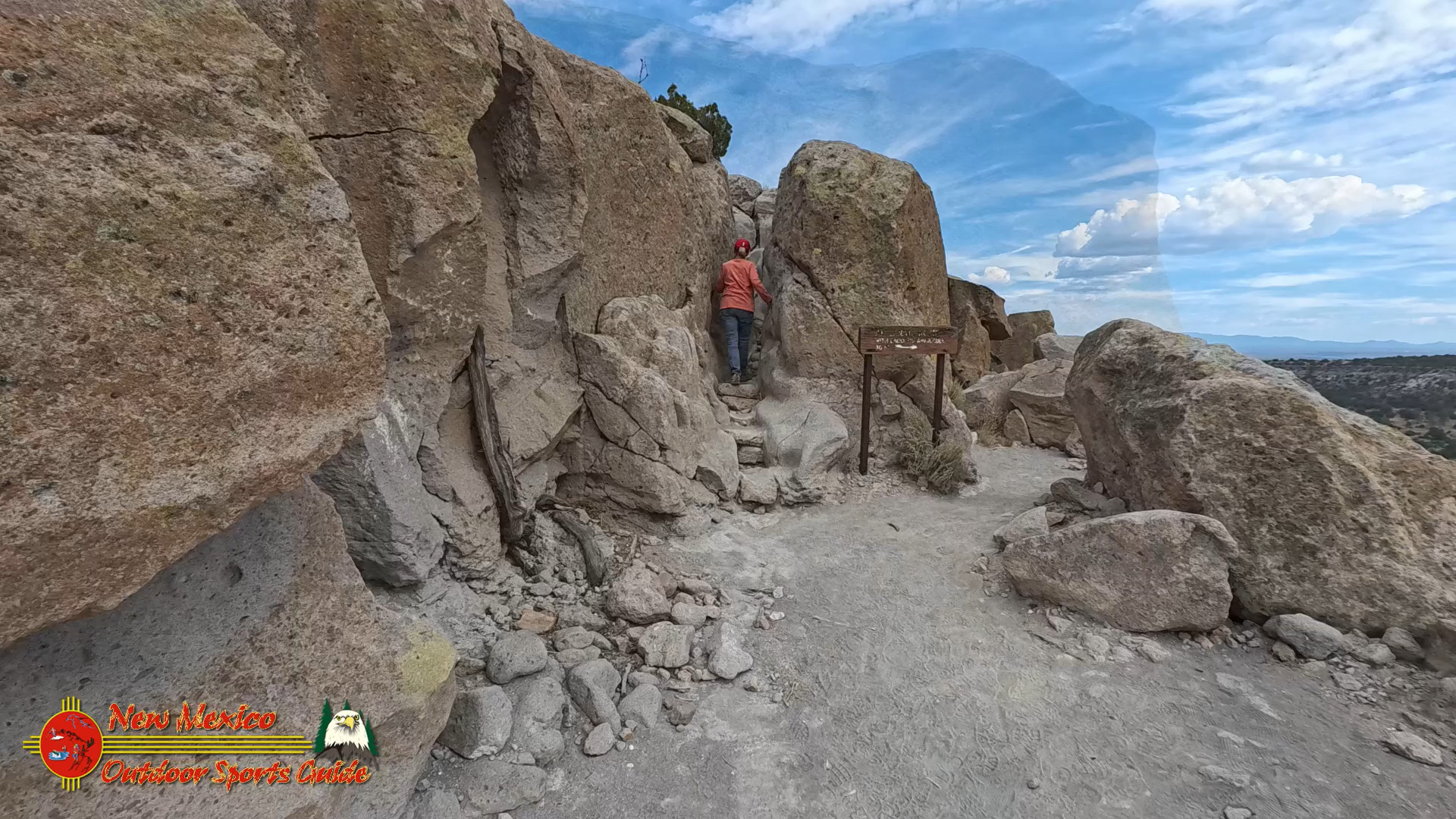
The trail starts with a climb up a wooden ladder – nothing too strenuous, mind you, but it sets the tone for the adventure ahead. From there, you'll follow those ancient footpaths I mentioned earlier, marveling at how the passage of countless feet over centuries has worn the rock smooth.
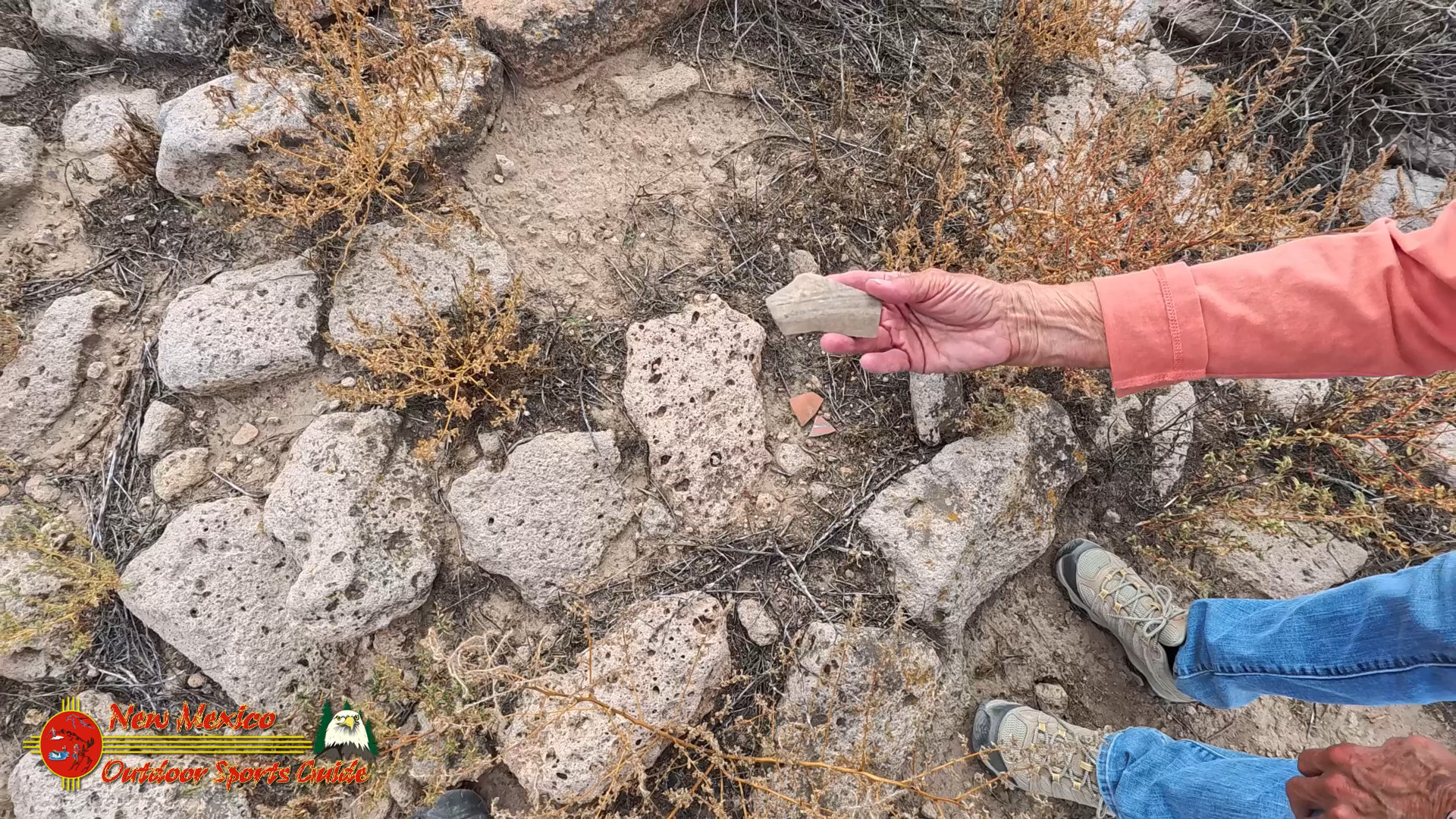
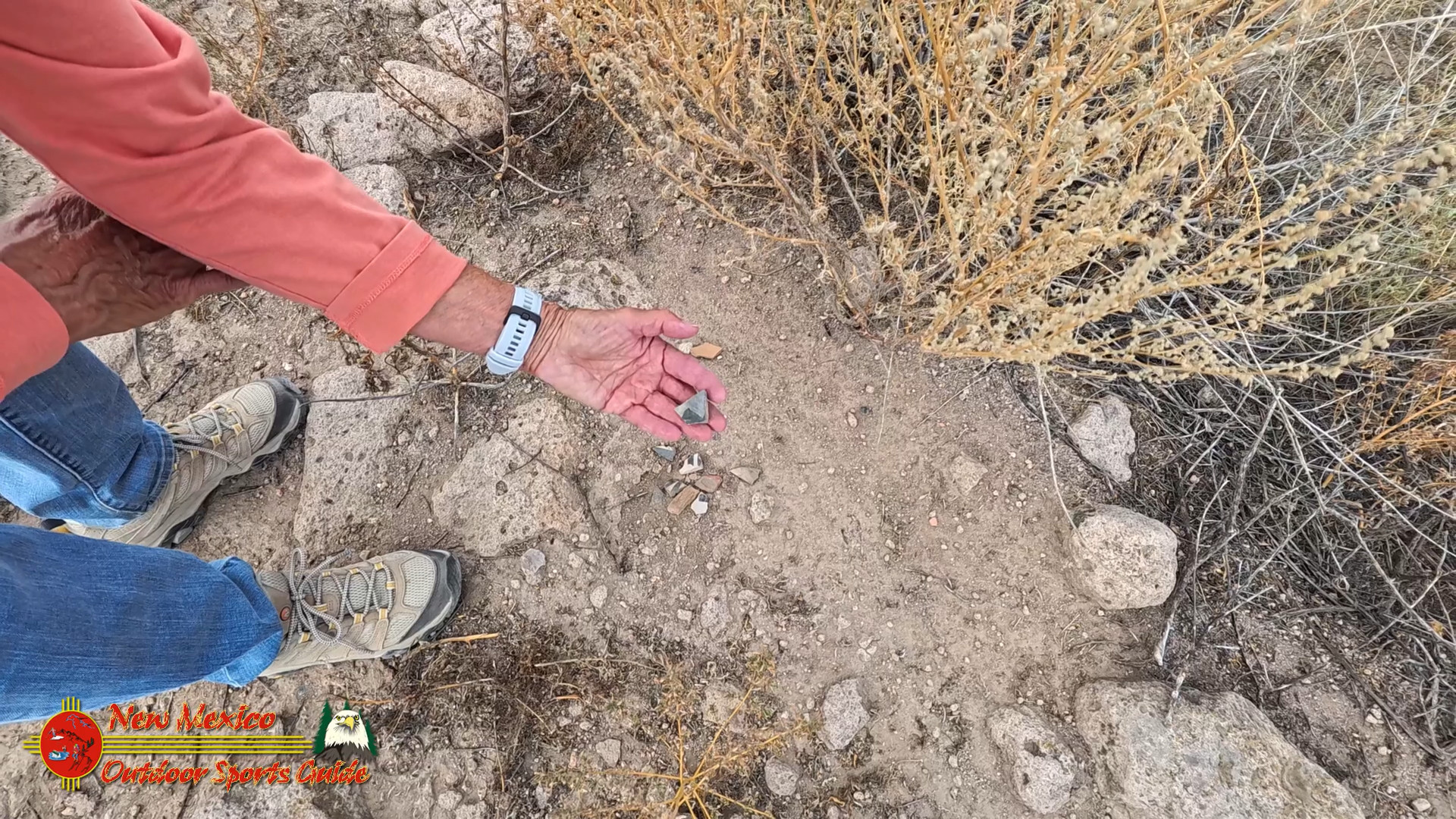
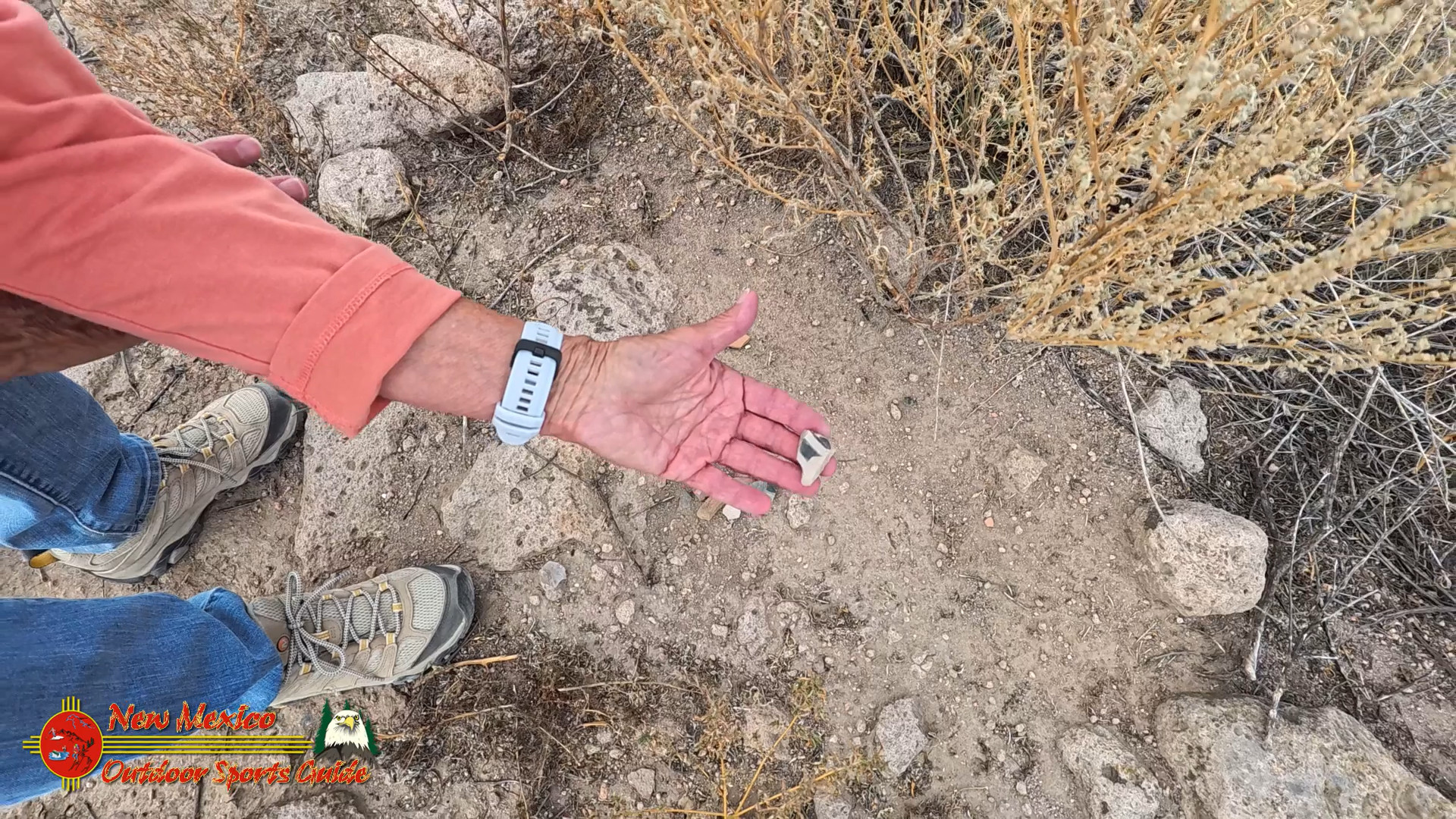
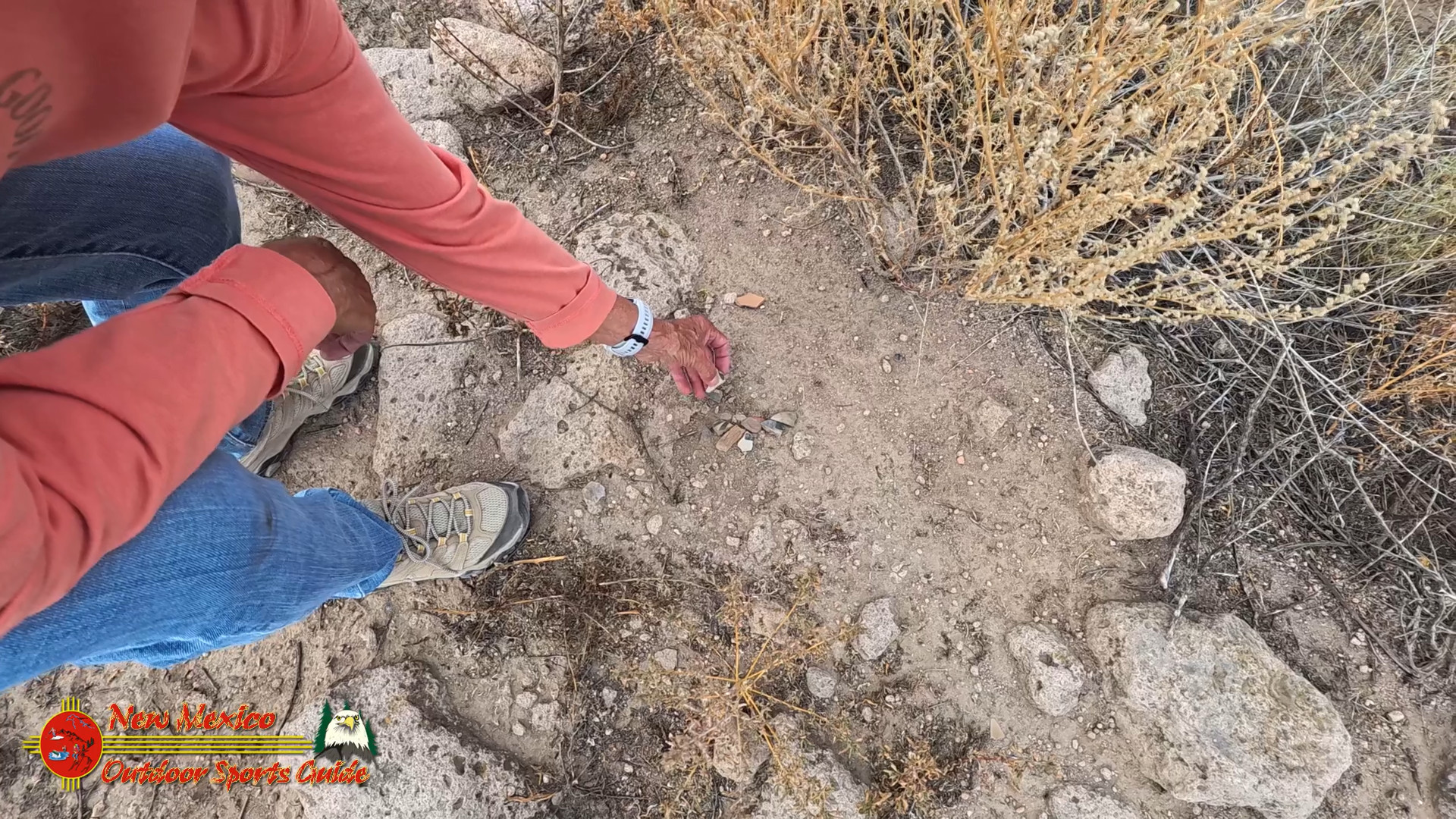
As you make your way around the mesa, keep your eyes peeled for pottery shards. They're everywhere, scattered across the ground like confetti at a parade. Now, remember – these are artifacts, not souvenirs. Look, but don't touch, and certainly don't take any home with you. These pieces of the past belong right where they are, telling the story of the Tsankawi people to all who come after.
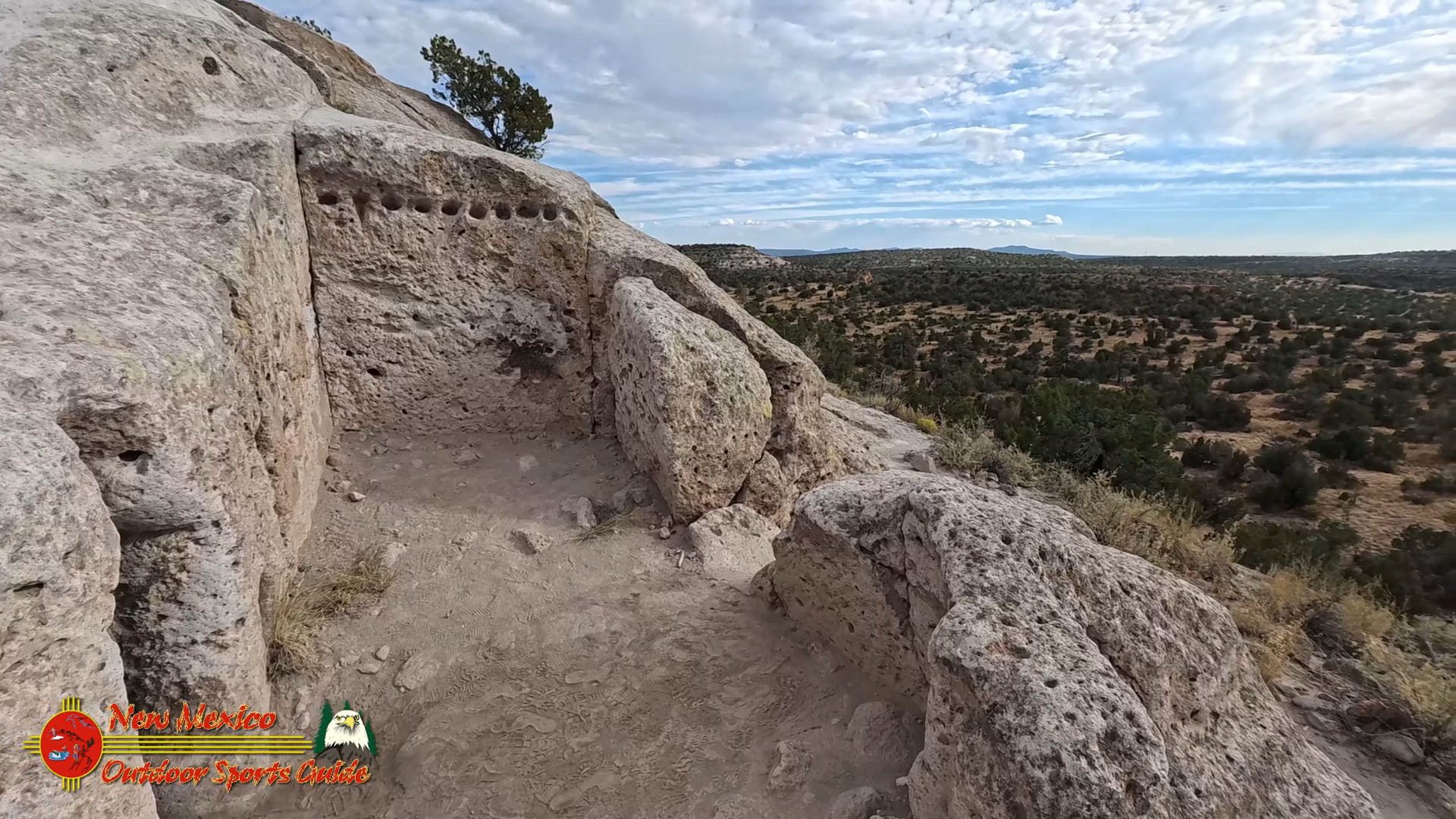
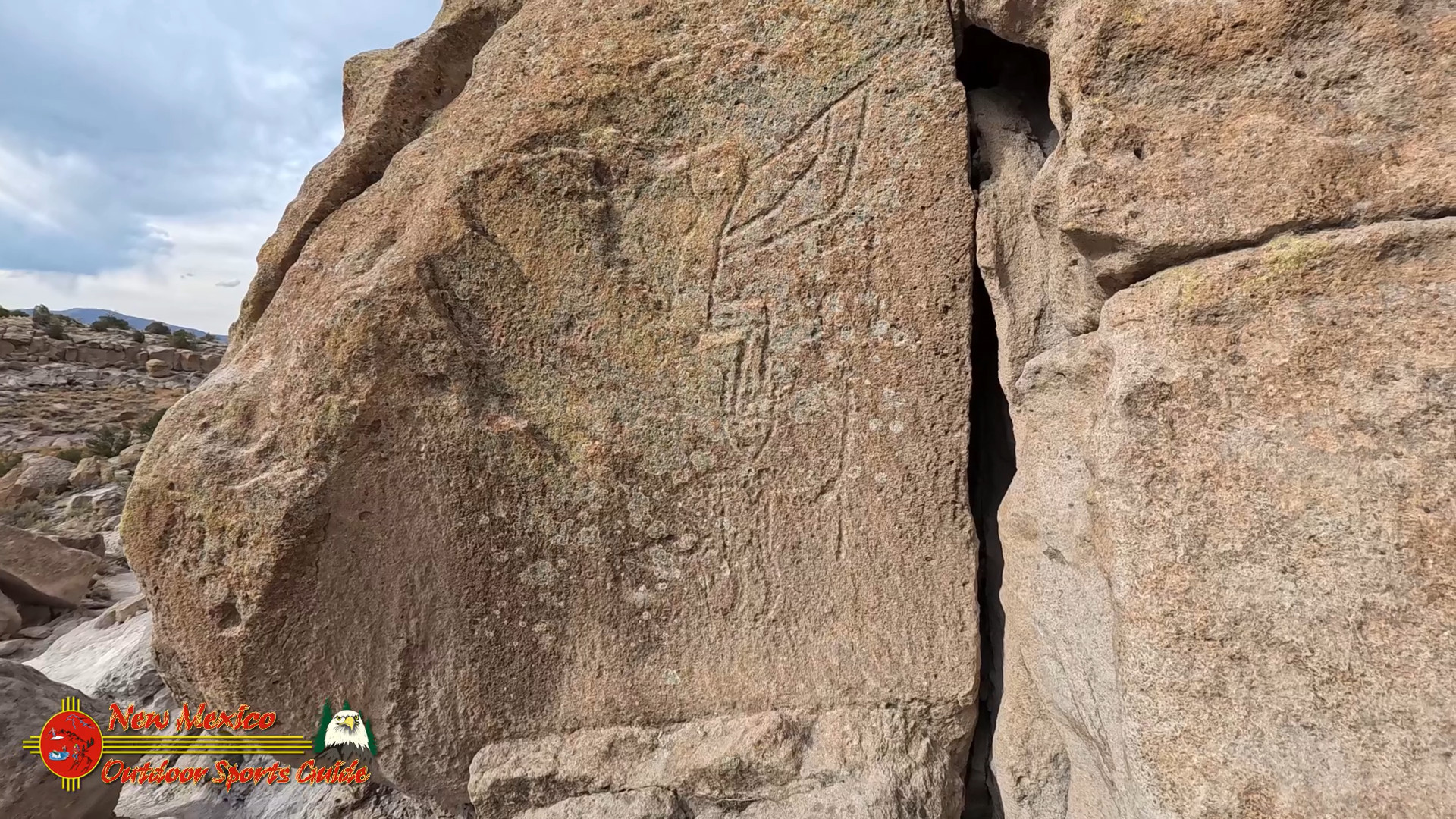
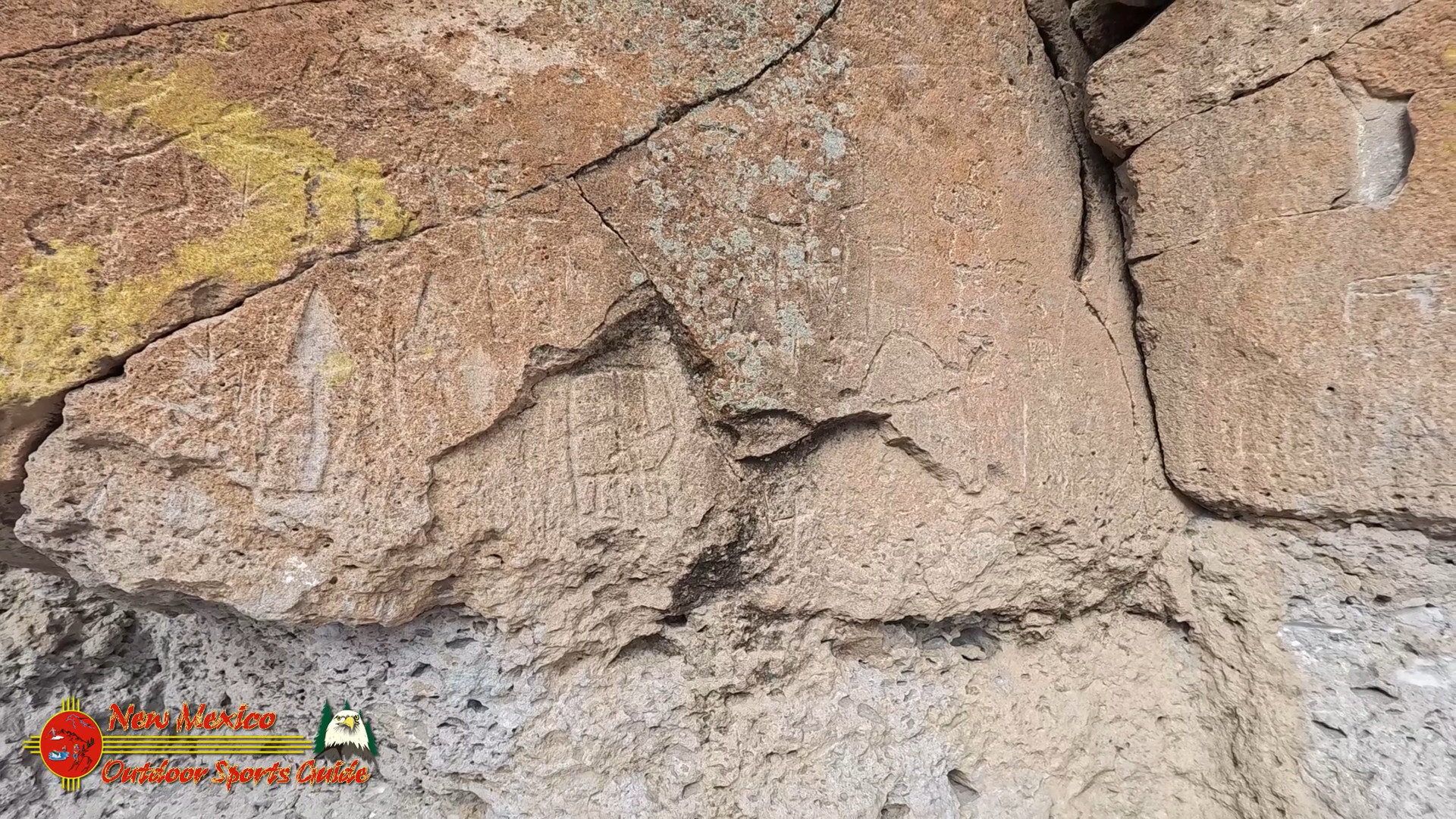
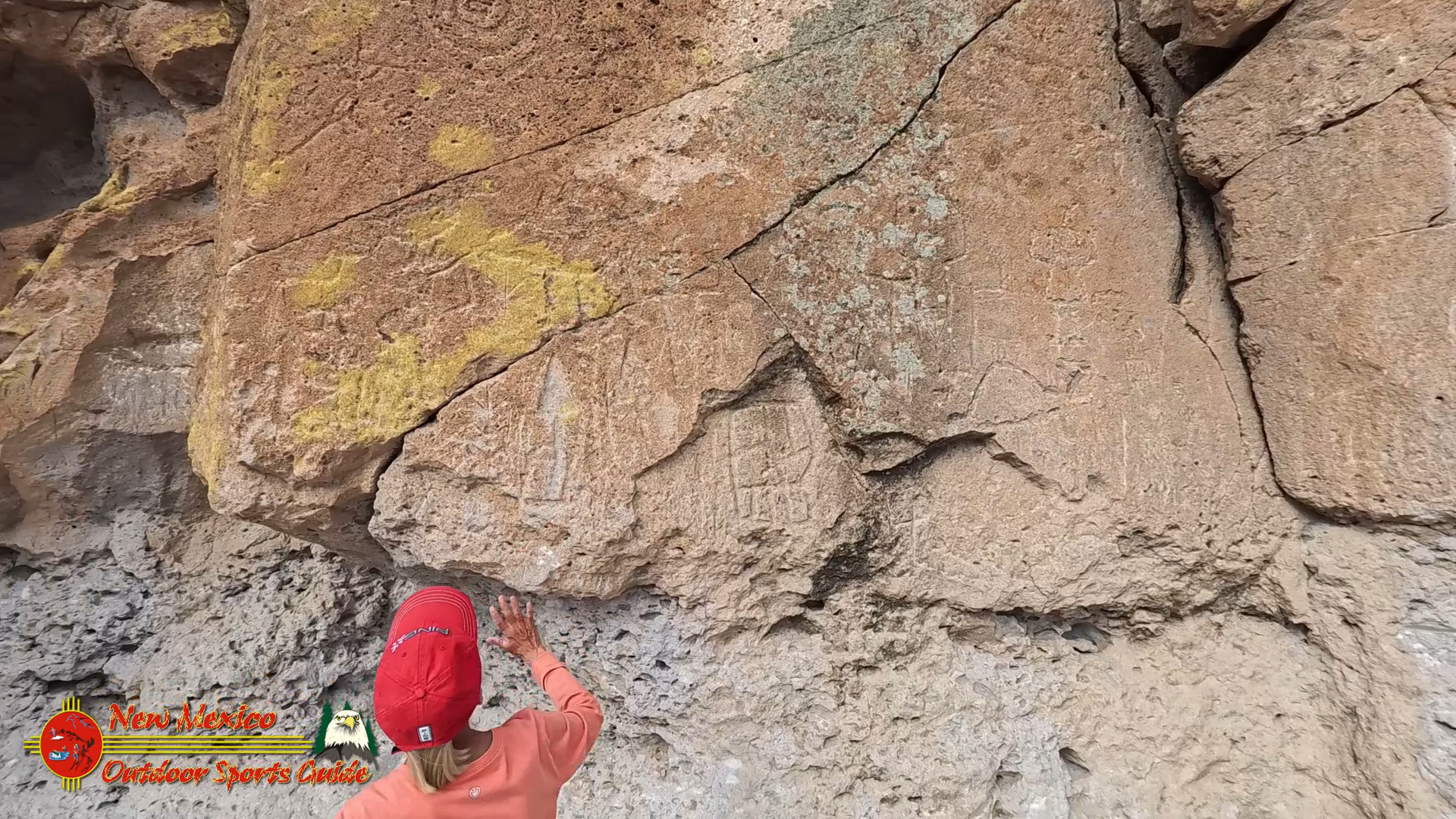
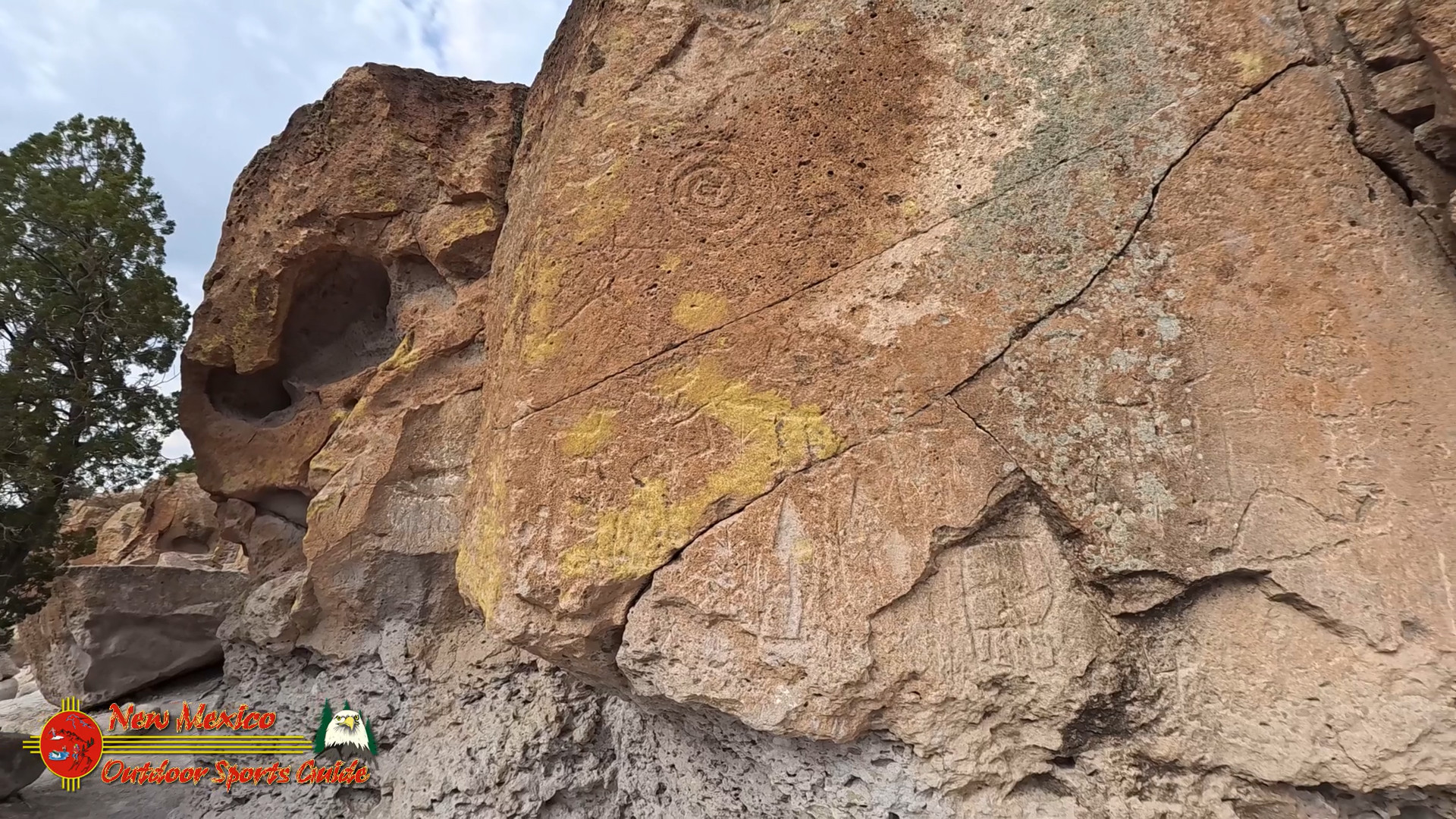
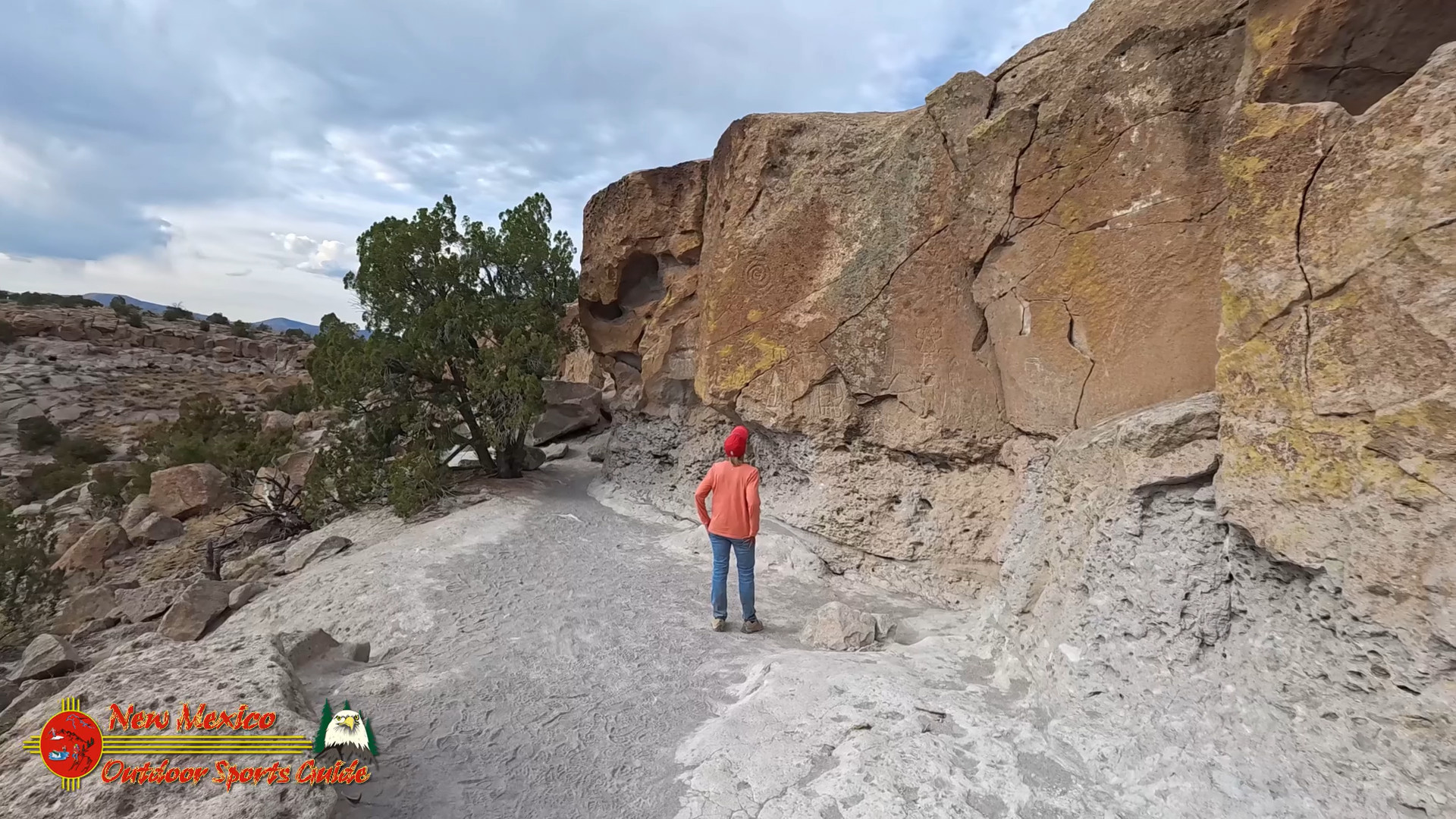
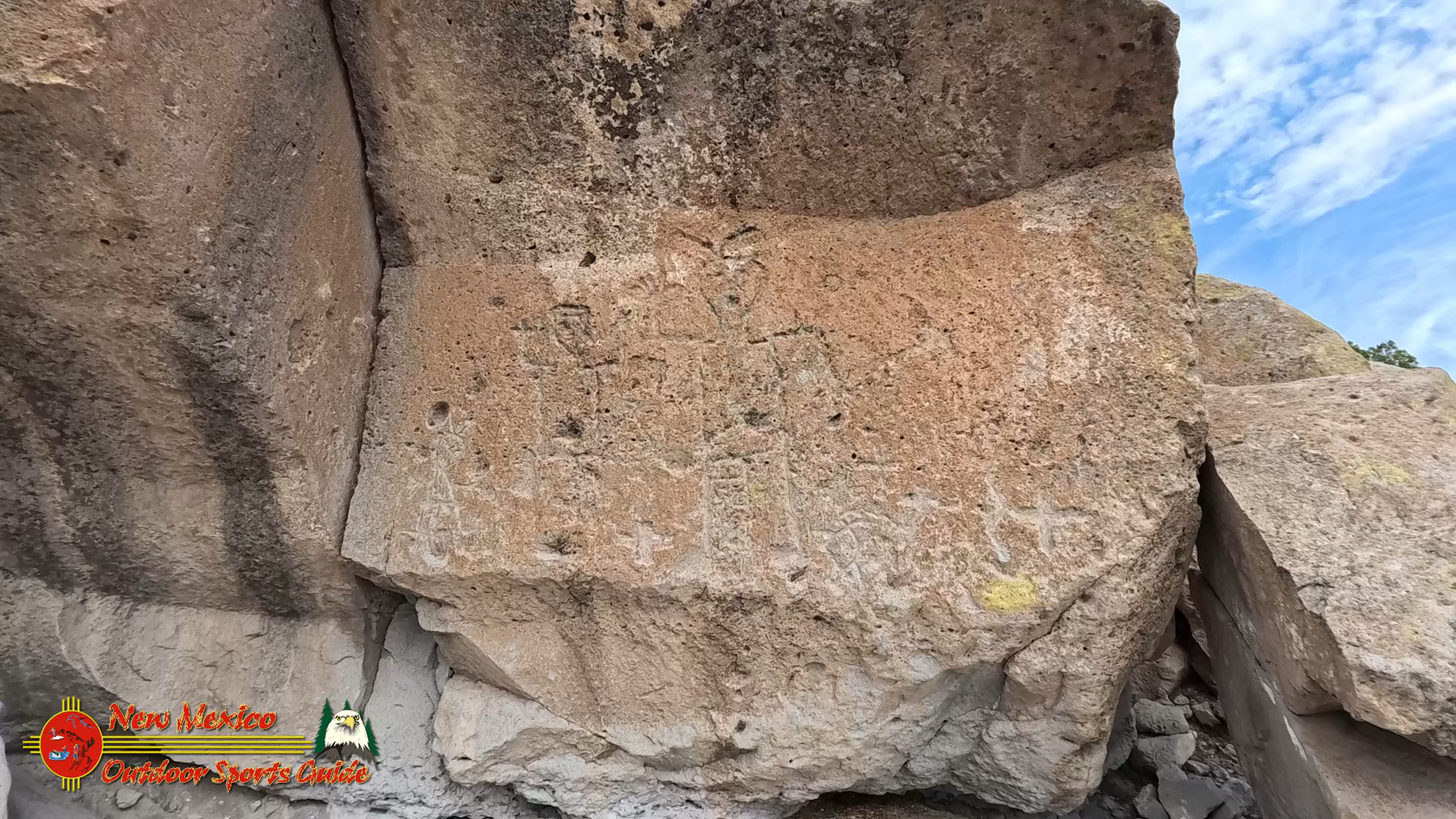
You'll also want to keep an eye out for petroglyphs – ancient rock art carved into the cliff faces. Some are easy to spot, others take a keen eye and a bit of patience. But each one is a message from the past, a glimpse into the minds and lives of the people who once called this place home.
The Tsankawi People: A Rich History
Now, let's talk a bit more about the Tsankawi people themselves. They were part of the Ancestral Pueblo culture, also known as the Anasazi, though that term's fallen out of favor these days. These folks were master farmers, coaxing corn, beans, and squash from the arid land. They were also skilled craftsmen, creating intricate pottery and jewelry that's still admired today.
The Tsankawi people lived on this mesa from about 1150 to 1550 AD. That's a long time, folks – longer than the United States has been a country. They built their homes from the same tuff rock that makes up the mesa, using stones and mud mortar to create multi-story structures that housed hundreds of people.
But life wasn't easy up on that mesa. Drought, crop failures, and conflict all took their toll. By the time the Spanish arrived in the area in the 1500s, the Tsankawi pueblo was abandoned. The descendants of these people, though, live on. Many of them are now part of the nearby Pueblo de San Ildefonso, carrying on the traditions and knowledge of their ancestors.
Preserving the Past, Protecting the Future
As I've gotten older, I've come to realize how important it is to preserve places like Tsankawi. It's not just about protecting some old ruins or pretty views. It's about maintaining a connection to our past, about understanding where we've come from so we can figure out where we're going.
That's why I've spent so much time over the years photographing and filming places like this. There's power in these images, in capturing the play of light across ancient stones or the way a storm builds over the mesa. It's my way of sharing the beauty and importance of these places with folks who might never get to see them in person.
But nothing beats being there yourself. Standing on that mesa, feeling the same wind that's been shaping this landscape for millennia, walking in the literal footsteps of those who came before us – it's an experience that'll stay with you long after you've gone home.
The Legacy of the Tsankawi People
As I wrap up this little journey through time and stone, I can't help but reflect on the legacy of the Tsankawi people. They lived in harmony with this harsh landscape for centuries, building a thriving community in a place where survival is a daily challenge. They left their mark not just in the ruins of their homes or the trails worn into the rock, but in the very fabric of New Mexican culture.
The descendants of the Tsankawi people are still here, still connected to this land. They carry with them the knowledge and traditions passed down through countless generations. In their art, their ceremonies, their very way of life, the spirit of Tsankawi lives on.
And in a way, that's true for all of us who visit this special place. We carry a piece of it with us when we leave – in our memories, in our photographs, in the quiet moments when we close our eyes and remember the feel of ancient stone beneath our feet.
A Final Word
As the sun sets on another day here on my patio, I find myself grateful for the experiences I've had, for the beauty I've been privileged to witness and capture. Places like Tsankawi remind us that we're all just passing through, leaving our own marks on the world, however fleeting they may be.
So if you find yourself in northern New Mexico, do yourself a favor. Take a detour off the main road, climb that mesa, and walk those ancient trails. Listen to the wind, feel the warmth of the sun-baked stone, and let yourself be transported back in time. The Tsankawi people may be gone, but their spirit lives on in this remarkable place.
And who knows? Maybe you'll find yourself, like me, drawn back again and again, each visit revealing new wonders, new connections to a past that's not as distant as we might think. After all, in the grand scheme of things, we're all just a blink of an eye away from those ancient people who called this mesa home.
So here's to the Tsankawi people, to the enduring beauty of the Southwest, and to the power of places that connect us to our shared human history. May we never lose our sense of wonder at the world around us, and may we always remember to tread lightly on the paths of those who came before.

0 Comments