
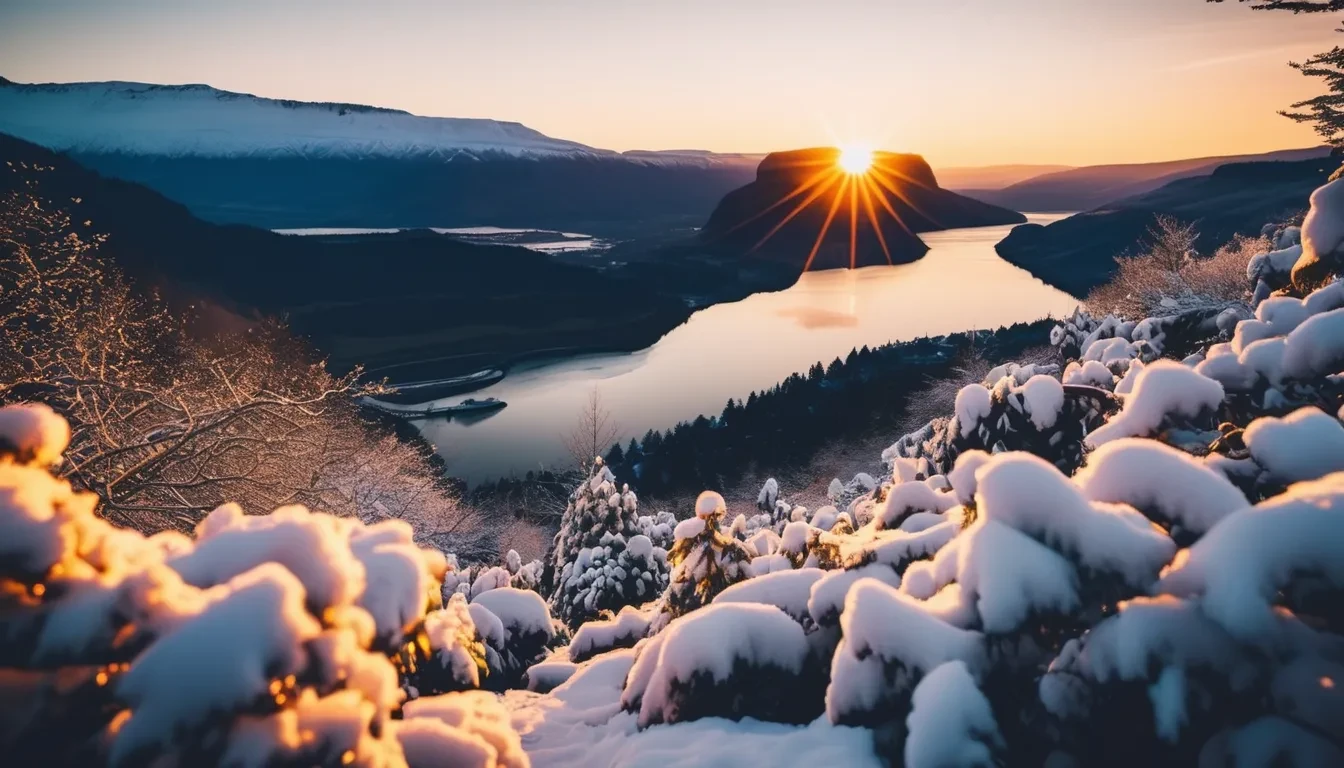
Exploring the Columbia River Gorge: A Journey Through 13,000 Years of History
The Columbia River Gorge stands as a testament to the natural beauty and rich history of the Pacific Northwest. Carving its way through the Cascade Range, the Gorge is not just a geographical feature but a living archive of 13,000 years of human and environmental history. From ancient indigenous cultures to modern conservation efforts, the Gorge has been a witness to profound changes and has shaped the lives of countless people. In this blog post, we'll embark on a journey through time to explore the Columbia River Gorge, tracing its geological formation, its significance to Native American tribes, its role in American exploration and settlement, and its contemporary status as a cherished natural wonder.
The Geological Formation
To truly appreciate the Columbia River Gorge, we must start with its origins. This awe-inspiring chasm was sculpted by the colossal forces of nature, primarily through volcanic activity and glacial flooding.
Volcanic Origins
The geological story of the Columbia River Gorge begins around 17 million years ago during the Miocene Epoch. Volcanic activity in the region was instrumental in shaping the landscape. The Columbia River Basalt Group, a series of volcanic eruptions, deposited vast layers of basalt lava that spread across the landscape. These basalt flows created a flat, expansive region that would later become the Gorge.
Ice Age Floods
The most dramatic transformation of the Columbia River Gorge occurred during the last Ice Age, about 13,000 years ago. The Missoula Floods, a series of catastrophic glacial floods, surged through the region, carving out the deep and rugged landscape we see today. These floods were caused by the periodic ruptures of an ice dam that held back glacial meltwater from Lake Missoula. When the dam broke, it released a torrent of water that scoured the land, sculpting the Gorge's distinctive cliffs, waterfalls, and rock formations.
The Indigenous Peoples of the Columbia River Gorge
For thousands of years before European explorers arrived, the Columbia River Gorge was home to various Indigenous peoples, each with a deep connection to the land.
The First Inhabitants
Archaeological evidence suggests that Indigenous peoples have lived in the Columbia River Gorge for at least 13,000 years. These early inhabitants were primarily fishers, hunters, and gatherers who relied heavily on the region's rich natural resources. The Columbia River itself was a vital resource, providing a bountiful supply of salmon and other fish.
Cultural Practices
The Gorge was home to several tribes, including the Wasco, Yakama, Umatilla, and Nez Perce. Each tribe had its own unique cultural practices and traditions, but they shared a common respect for the land and its resources. Salmon fishing, in particular, was central to their way of life. The tribes developed sophisticated fishing techniques, including the construction of fish weirs and traps to maximize their catch.
Storytelling and oral traditions were crucial in preserving the cultural heritage of these tribes. Myths and legends about the Columbia River and its surrounding features were passed down through generations. The Gorge was seen as a sacred place, with many landmarks holding spiritual significance.
European Exploration and Settlement
The arrival of European explorers in the Columbia River Gorge marked the beginning of a new chapter in its history. Their exploration and subsequent settlement had a profound impact on the region.
Lewis and Clark Expedition
In 1805, the Lewis and Clark Expedition became the first recorded European-American group to travel through the Columbia River Gorge. Led by Meriwether Lewis and William Clark, the expedition was tasked with exploring the newly acquired Louisiana Territory and finding a practical route to the Pacific Ocean.
The explorers encountered the Gorge's rugged terrain and its challenging weather conditions. They were struck by the area's dramatic beauty, but their journey was not without difficulties. The expedition faced strong currents, treacherous rapids, and fierce winds as they navigated the Columbia River. Despite these challenges, the expedition provided valuable information about the region's geography and resources.
Settlement and Development
Following the Lewis and Clark Expedition, settlers began to move into the Columbia River Gorge. The Oregon Trail, a major route used by pioneers traveling westward, passed through the region. The influx of settlers led to the establishment of towns and communities, fundamentally altering the landscape.
The arrival of settlers also brought significant changes to the environment. Logging, agriculture, and the construction of dams began to transform the Gorge. The construction of the Bonneville Dam in the 1930s was particularly impactful, as it flooded a portion of the Gorge and altered the river's flow.
The Conservation Movement
The impact of human activity on the Columbia River Gorge prompted a growing awareness of the need for conservation. Efforts to preserve the area's natural beauty and ecological health began in earnest in the 20th century.
Early Conservation Efforts
In the early 1900s, conservationists and naturalists started to advocate for the protection of the Columbia River Gorge. The creation of the Columbia River Gorge Scenic Area in 1986 was a significant milestone. This designation aimed to preserve the Gorge's natural and cultural resources while accommodating responsible development.
The Columbia River Gorge National Scenic Area Act of 1986 established a management plan to protect the area’s diverse ecosystems, scenic vistas, and cultural heritage. The Act created a framework for balancing conservation with land use, ensuring that the Gorge could be enjoyed by future generations while maintaining its ecological integrity.
Modern Conservation Challenges
Despite these efforts, the Columbia River Gorge faces ongoing conservation challenges. Issues such as invasive species, climate change, and development pressure continue to threaten the area's natural resources. Organizations like the Columbia River Gorge Commission and various environmental groups work tirelessly to address these challenges and promote sustainable practices.
The Columbia River Gorge Today
Today, the Columbia River Gorge is a cherished destination for outdoor enthusiasts, nature lovers, and history buffs. Its stunning landscapes, rich cultural heritage, and recreational opportunities make it a unique and valuable part of the Pacific Northwest.
Outdoor Recreation
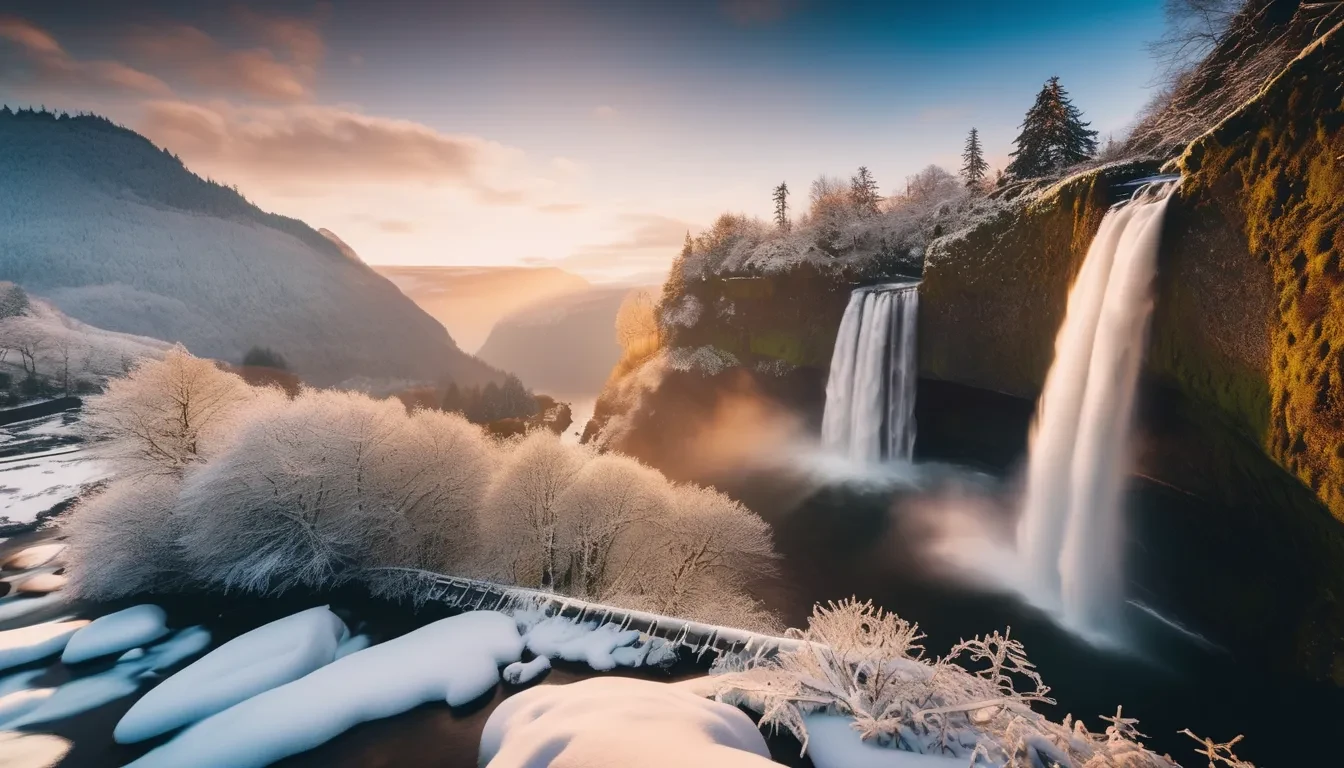
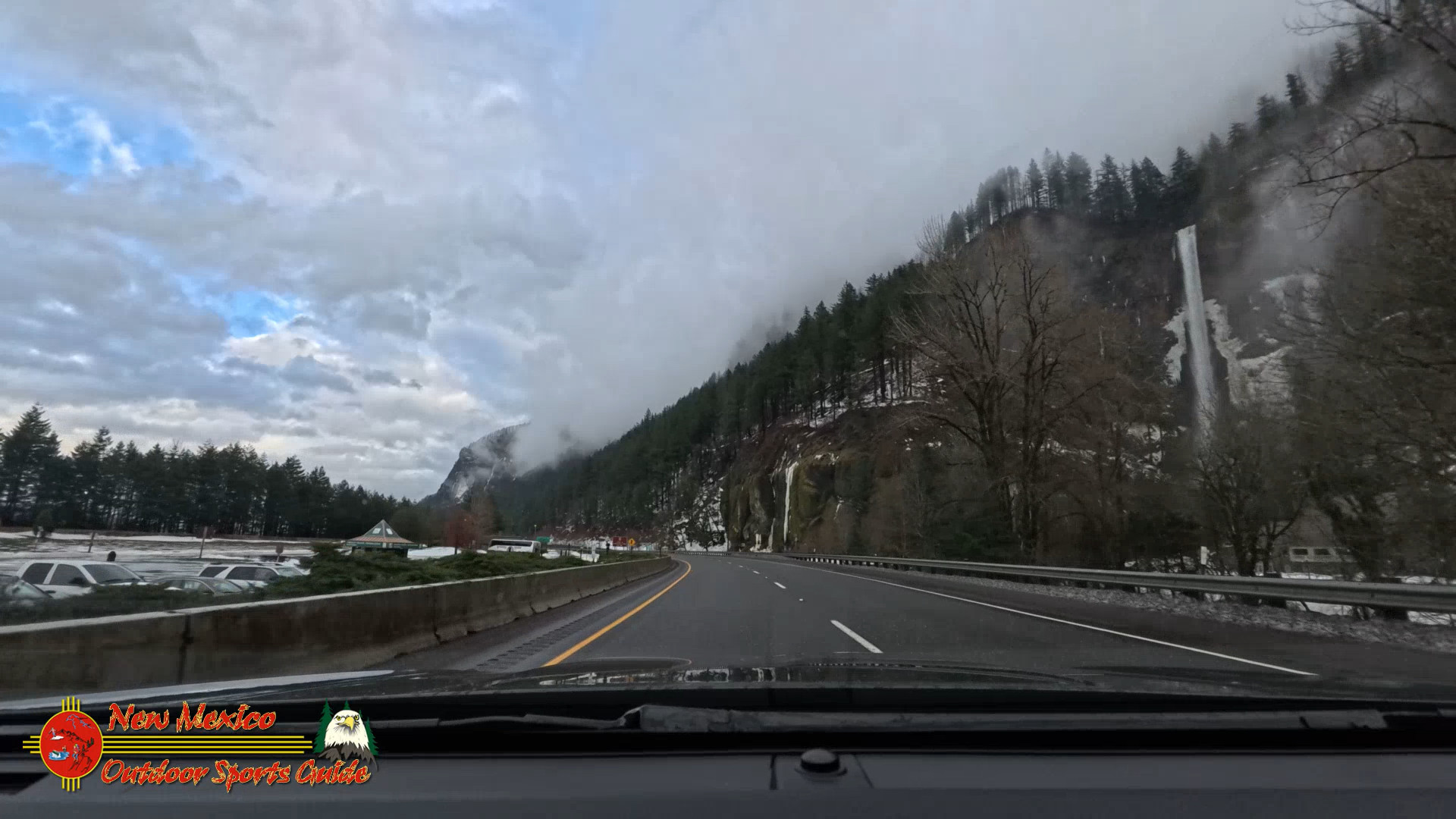
The Columbia River Gorge offers a wide range of recreational activities. Hiking is a popular pastime, with numerous trails providing access to breathtaking viewpoints, waterfalls, and scenic overlooks. The Multnomah Falls, one of the Gorge's most iconic landmarks, attracts visitors from around the world with its dramatic cascade and picturesque setting.
The Gorge is also renowned for its opportunities for water sports. The Columbia River is a popular spot for kayaking, windsurfing, and paddleboarding. The area's varied topography and climate make it an ideal location for these activities, attracting enthusiasts of all skill levels.
Cultural and Educational Opportunities
In addition to its natural attractions, the Columbia River Gorge is home to a rich tapestry of cultural and educational experiences. Museums and cultural centers in the area provide insights into the history and heritage of the Indigenous peoples, early explorers, and settlers.
The Gorge is also a hub for environmental education and advocacy. Organizations dedicated to the preservation of the region's natural resources offer educational programs, guided tours, and volunteer opportunities. These initiatives help raise awareness about the importance of conservation and the need to protect the Gorge for future generations.
Conclusion
The Columbia River Gorge is more than just a picturesque landscape; it is a living record of 13,000 years of history. From its geological formation through volcanic activity and Ice Age floods to its significance for Indigenous peoples, European exploration, and modern conservation efforts, the Gorge embodies a rich tapestry of human and natural history.
As we explore the Columbia River Gorge today, we are reminded of its enduring beauty and its role as a vital resource and cultural landmark. The efforts to preserve and protect this remarkable region ensure that future generations will continue to experience its grandeur and learn from its history.
In visiting the Columbia River Gorge, we are not only witnessing a natural wonder but also engaging with a deep and multifaceted history that spans millennia. Whether you are hiking its trails, enjoying its waterways, or learning about its past, the Columbia River Gorge offers a profound connection to both the natural world and human heritage.
0 Comments