
A Journey Through New Mexico's Most Breathtaking Canyon
It's funny how certain places etch themselves into your soul from the very first glimpse. The Rio Grande Gorge was that place for me—a revelation that struck more than fifty years ago and continues to hold me spellbound today. What started as a young pilot's quest for better skiing conditions at Angel Fire became an enduring romance with one of New Mexico's most spectacular natural wonders.
First Love at First Sight
Picture this: a young aviator fresh off the runways of Houston, having traded the flat Gulf Coast prairies for the towering peaks of Colorado. After a few winters of bone-chilling temperatures at Vail, I'd heard whispers about Angel Fire Ski Resort in southern New Mexico—promises of more moderate conditions and equally thrilling slopes. So I booked a flight to Albuquerque, rented a car, and pointed north toward adventure.
The drive started innocuously enough, winding through New Mexico's high desert landscape. But at Velarde, something magical happened. The road began to follow the Rio Grande River, and my lifelong connection to water bodies—honed by countless hours on lakes and rivers with a fishing rod in hand—awakened with a vengeance. There's something about flowing water that speaks to the soul of anyone who's ever cast a line or felt the gentle rock of a boat beneath their feet.
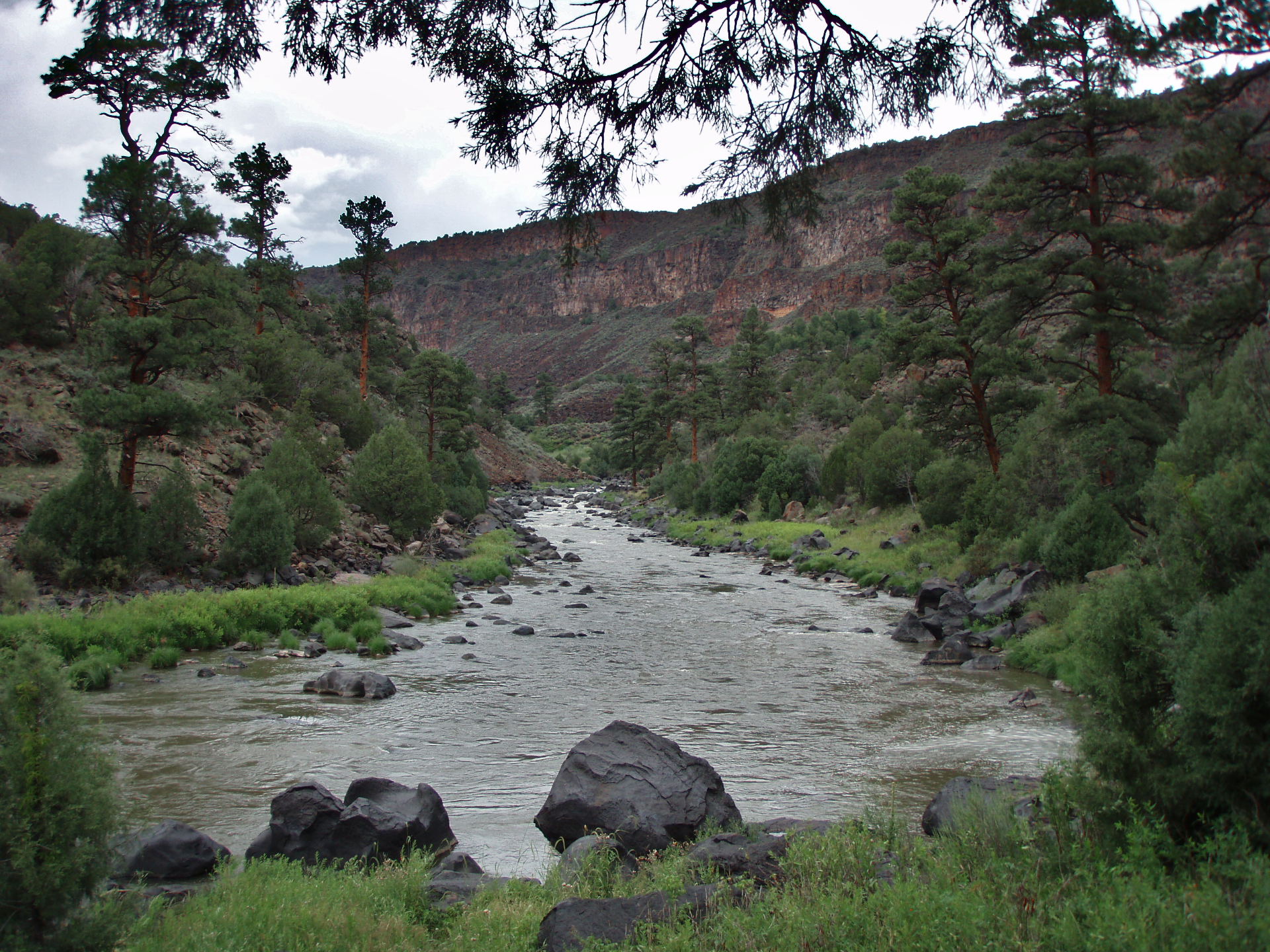
As I continued north on that winding road, my casual admiration transformed into absolute awe. The southern entrance to the Rio Grande Gorge opened before me like nature's own cathedral. Here was an 800-foot-deep chasm carved through layers of volcanic basalt, the Rio Grande flowing like a silver ribbon far below while towering canyon walls rose on either side. It was difficult—no, impossible—to keep my eyes on the road when such grandeur demanded attention.
The Moment That Takes Your Breath Away
At Pilar, New Mexico, the real magic began. The road started its serpentine climb out of the gorge, winding upward through five minutes of pure anticipation. I didn't know it then, but I was approaching one of the most spectacular viewpoints in all of the American Southwest. When that road finally crests the rim of the Rio Grande Gorge, the vista that unfolds is nothing short of breathtaking—and I mean that in the most literal sense.
Spread before me was the southern end of the San Luis Valley, North America's largest alpine valley. The Rio Grande Gorge cut a jagged line into the distance like a knife slash across an enormous canvas. To the east sat Taos, nestled at the foot of the towering Sangre de Cristo Mountains, their peaks reaching toward heaven with snow-capped majesty. To the west, the San Juan range provided a dramatic backdrop, completing a panorama that seemed almost too perfect to be real.
That moment—that first breathtaking view from the gorge rim—has been repeated hundreds of times over the decades, yet it never fails to move me. Even now, after more than fifty years of making that same drive, I'm no less impressed by the raw power and beauty of this geological masterpiece.
The Rio Grande del Norte National Monument: A Protected Treasure
What I was experiencing, though I didn't know it at the time, was what would eventually become part of the Rio Grande del Norte National Monument, an approximately 242,555-acre area of public lands in Taos County, New Mexico, proclaimed as a national monument on March 25, 2013, by President Barack Obama under the provisions of the Antiquities Act.
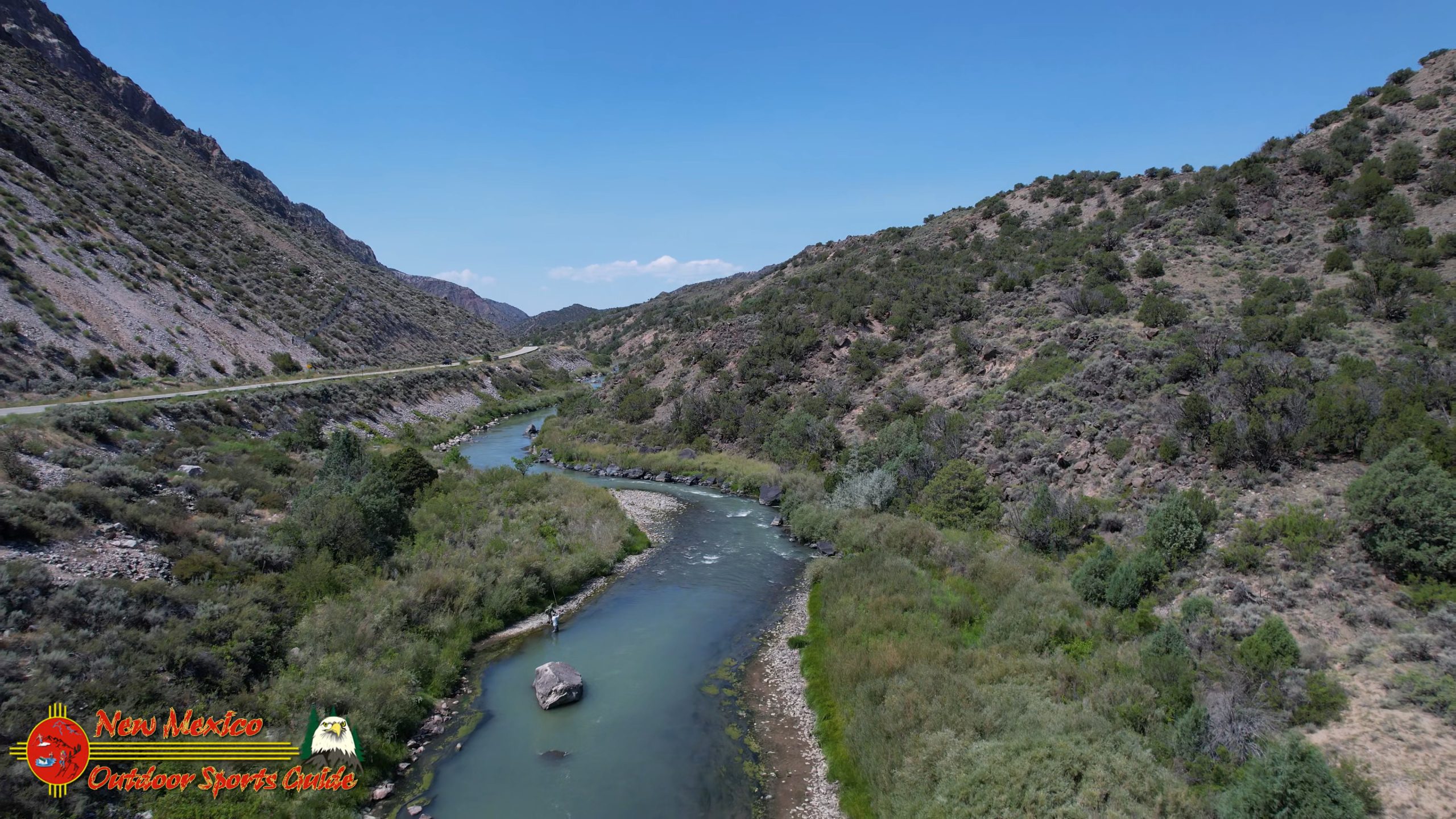
This incredible landscape is comprised of rugged, wide-open plains at an average elevation of 7,000 feet, dotted by volcanic cones, and cut by steep canyons with rivers tucked away in their depths. The centerpiece, of course, is the Rio Grande Gorge itself, where the Río Grande carves an 800 foot deep gorge through layers of volcanic basalt flows and ash.
The geological story written in these canyon walls spans millions of years. This isn't just a pretty place—it's a textbook of Earth's history, where ancient volcanic activity created the plateau that the relentless Rio Grande has been carving through for eons. The result is a landscape that perfectly embodies the wild, untamed spirit of the American Southwest.
A Return Journey: August 2025
Fast-forward to a sweltering August day in 2025. Now in my eighties and settled at Casa Santa Fe, I still feel the pull of the Rio Grande Gorge. The photographer in me—developed through decades of documenting the wilderness and wildlife of the American Southwest—saw an opportunity to capture that famous "breath-taking" moment on video. I packed up my drone and video equipment and headed north once again.
But Mother Nature had other plans. Firefighters are responding to 37 large fires nationwide across nine geographic areas, and New Mexico is experiencing active wildfires, with fire season extending beyond the traditional early May through June period due to drought. The smoke from western wildfires had transformed that crystal-clear vista I remembered into a hazy, obscured view. I could barely make out Taos through the smoky veil—a stark reminder of how drought conditions and changing weather patterns are affecting this remarkable landscape.
Plan B: Into the Heart of the Gorge
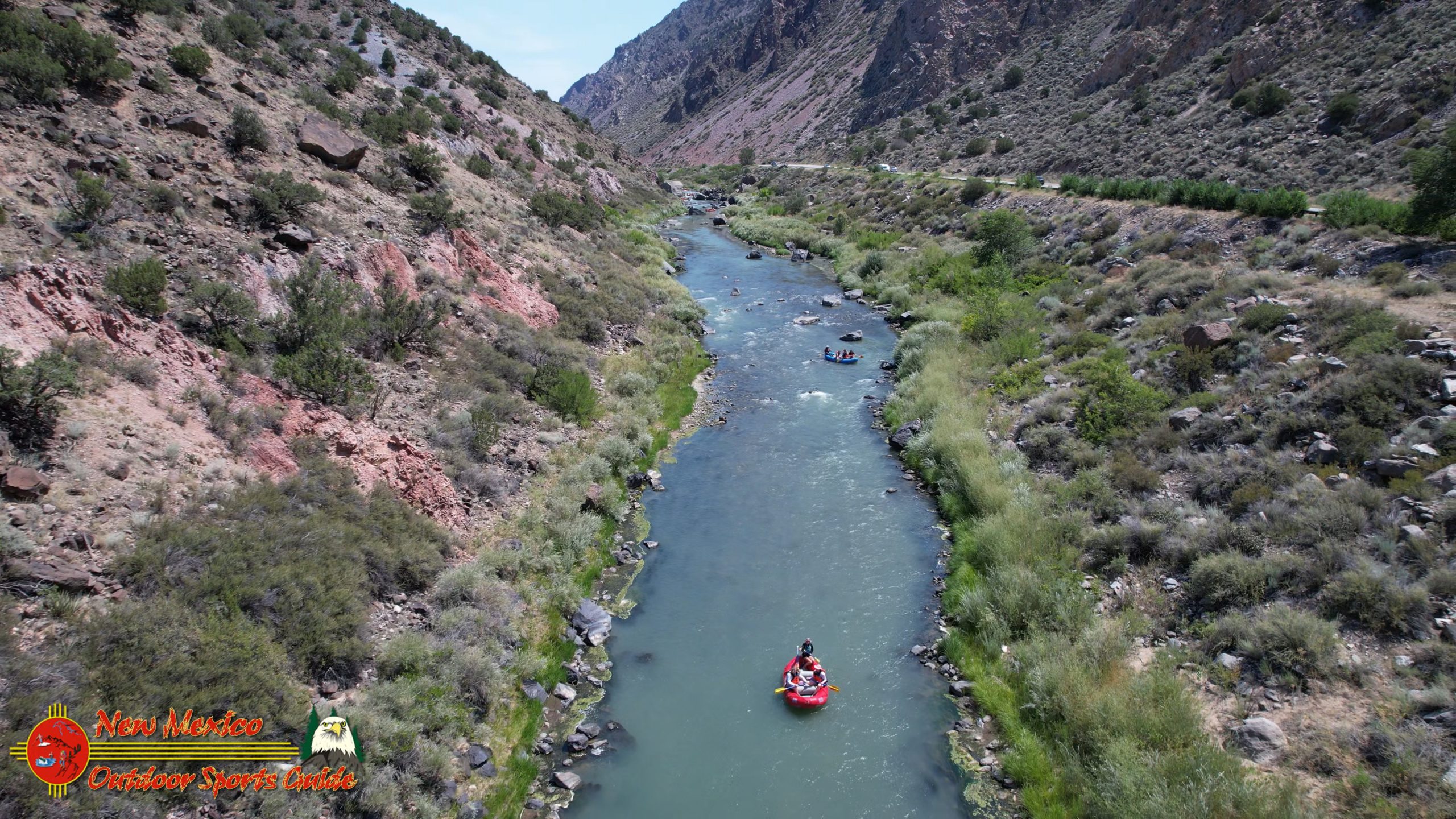
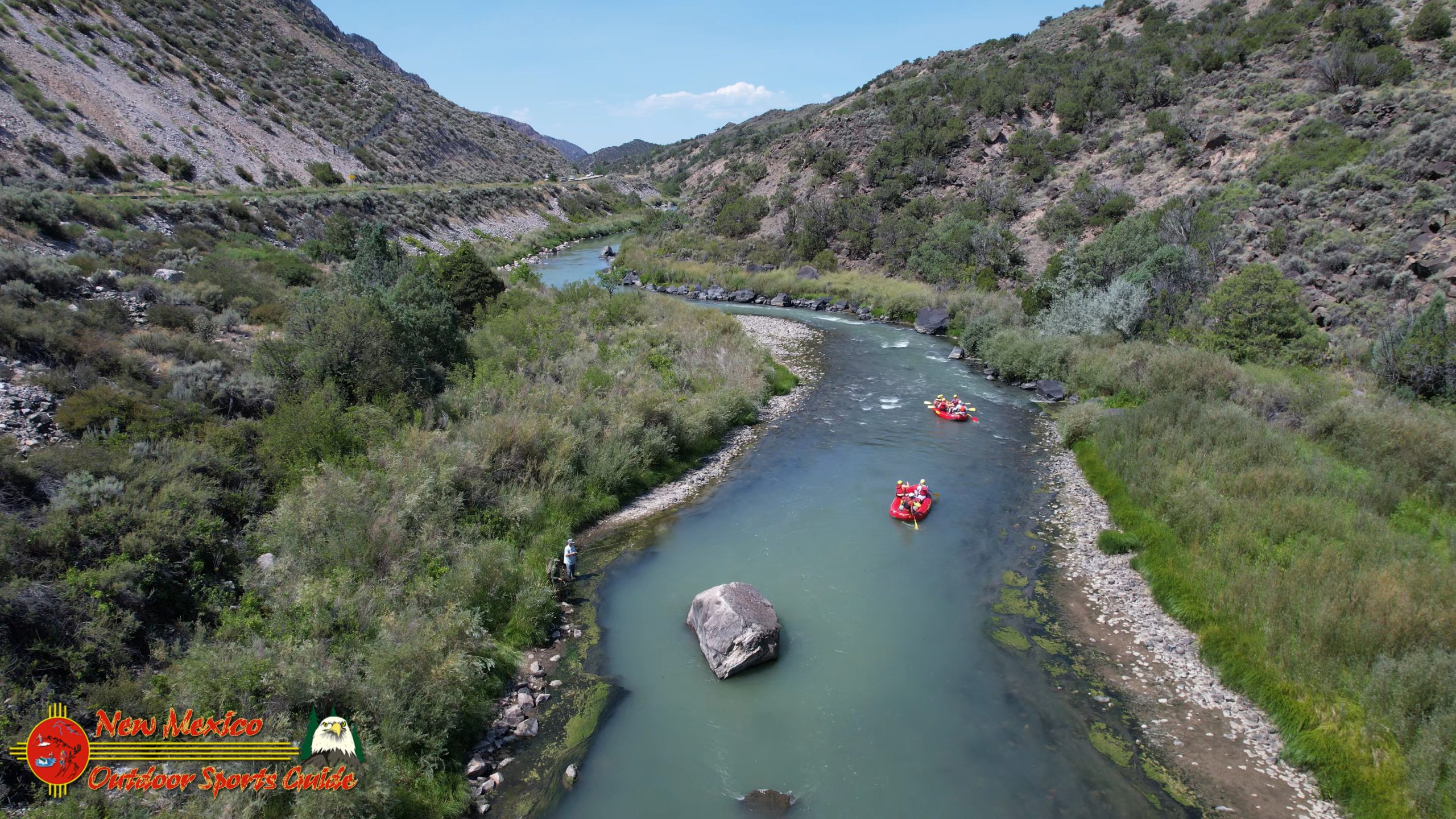
Disappointed but not defeated, I implemented Plan B. During my drive through the gorge, I'd noticed whitewater rafters navigating the Rio Grande below. The photographer's eye never rests, and here was another story waiting to be told. I drove back down into the gorge, launched my drone, and spent the better part of an hour capturing a different kind of magic.
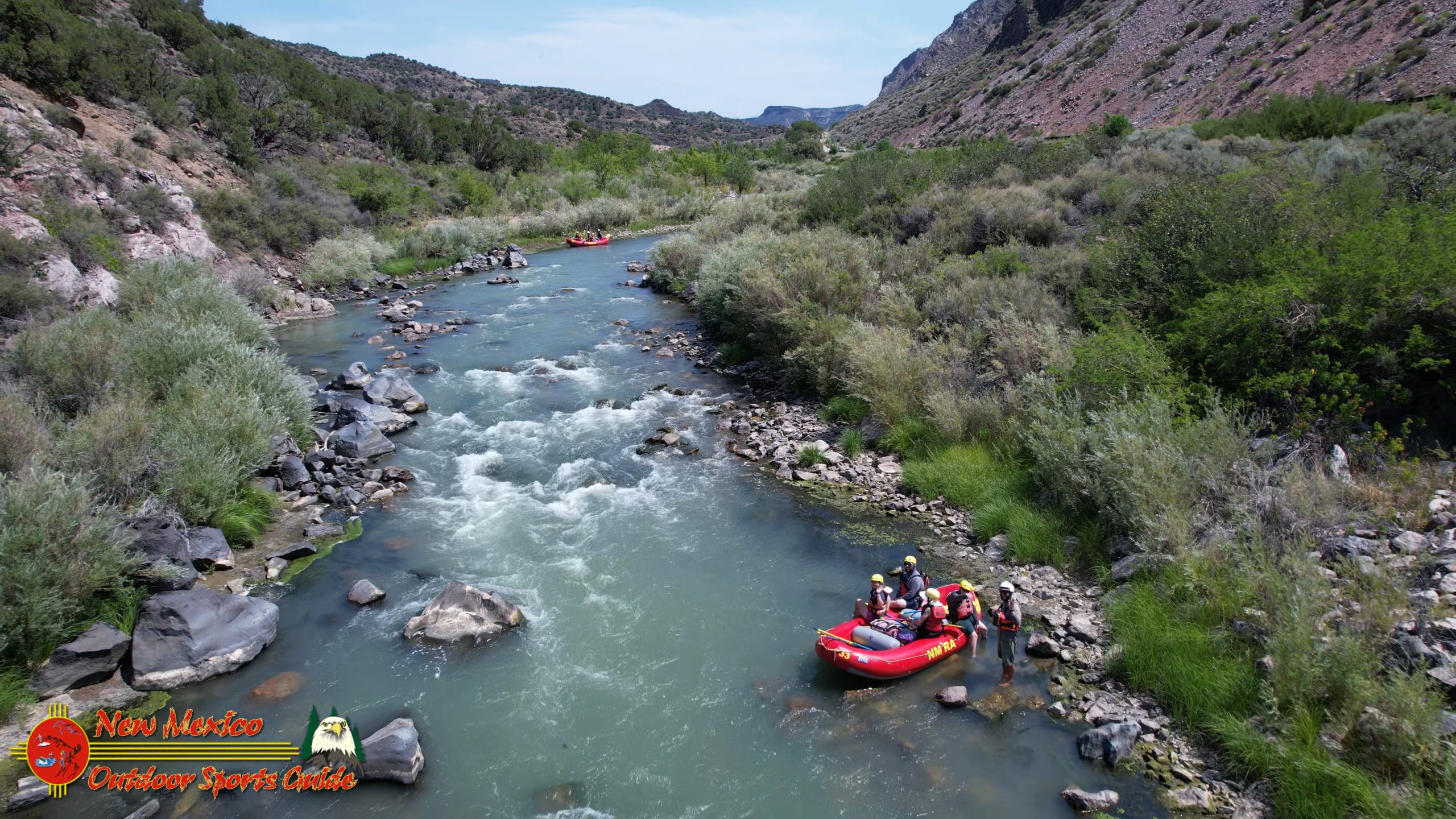
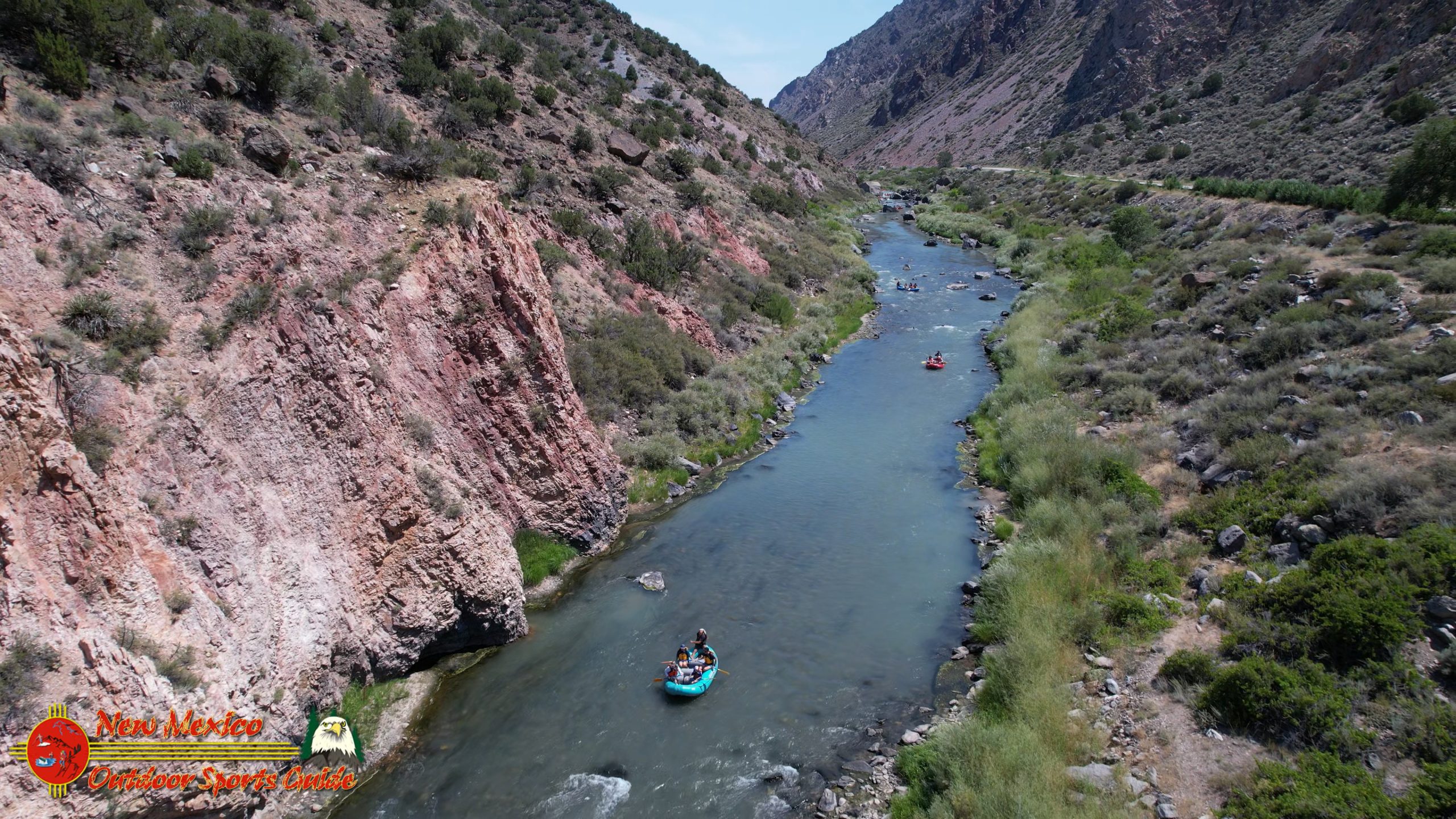
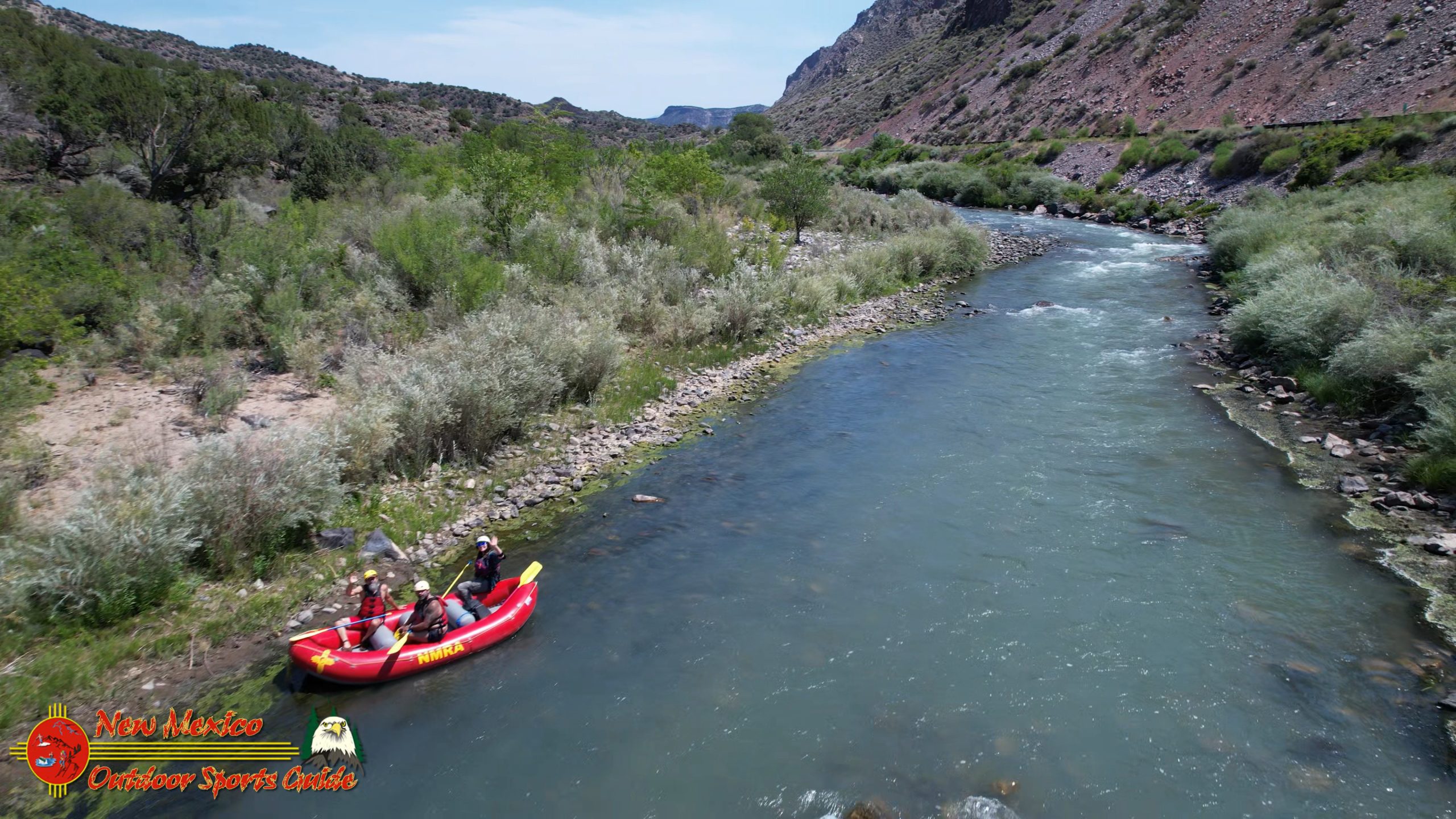
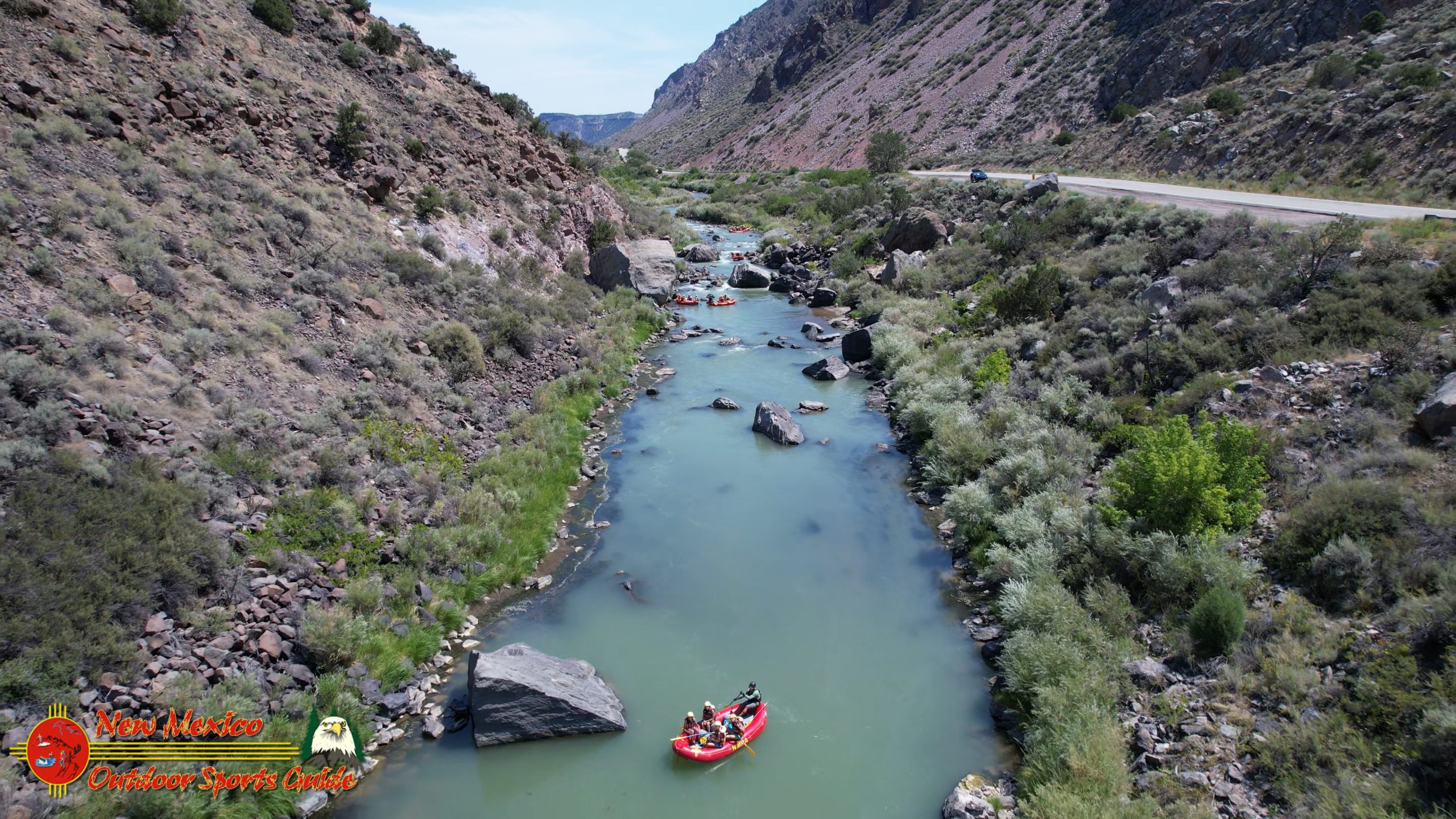
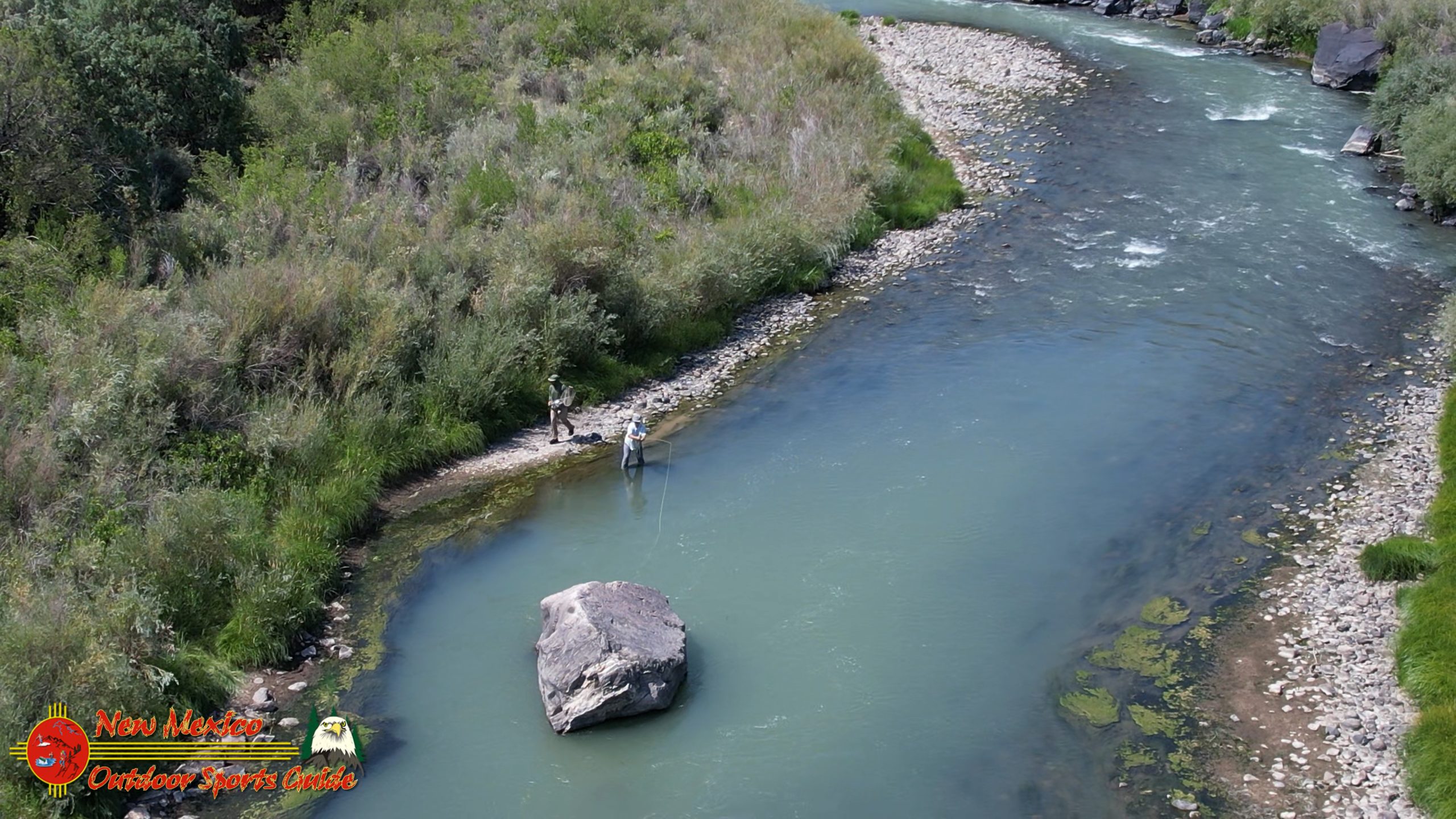
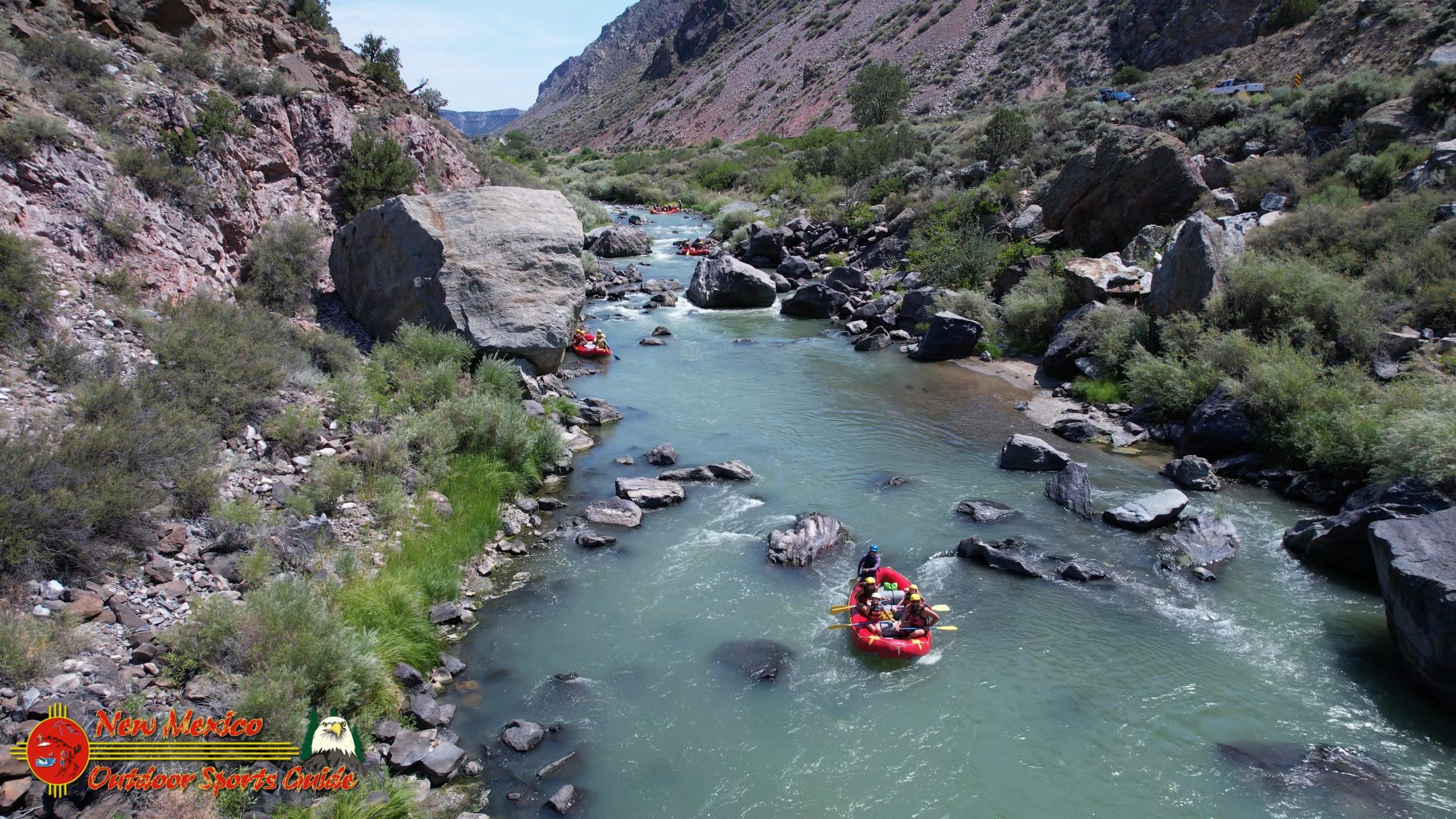
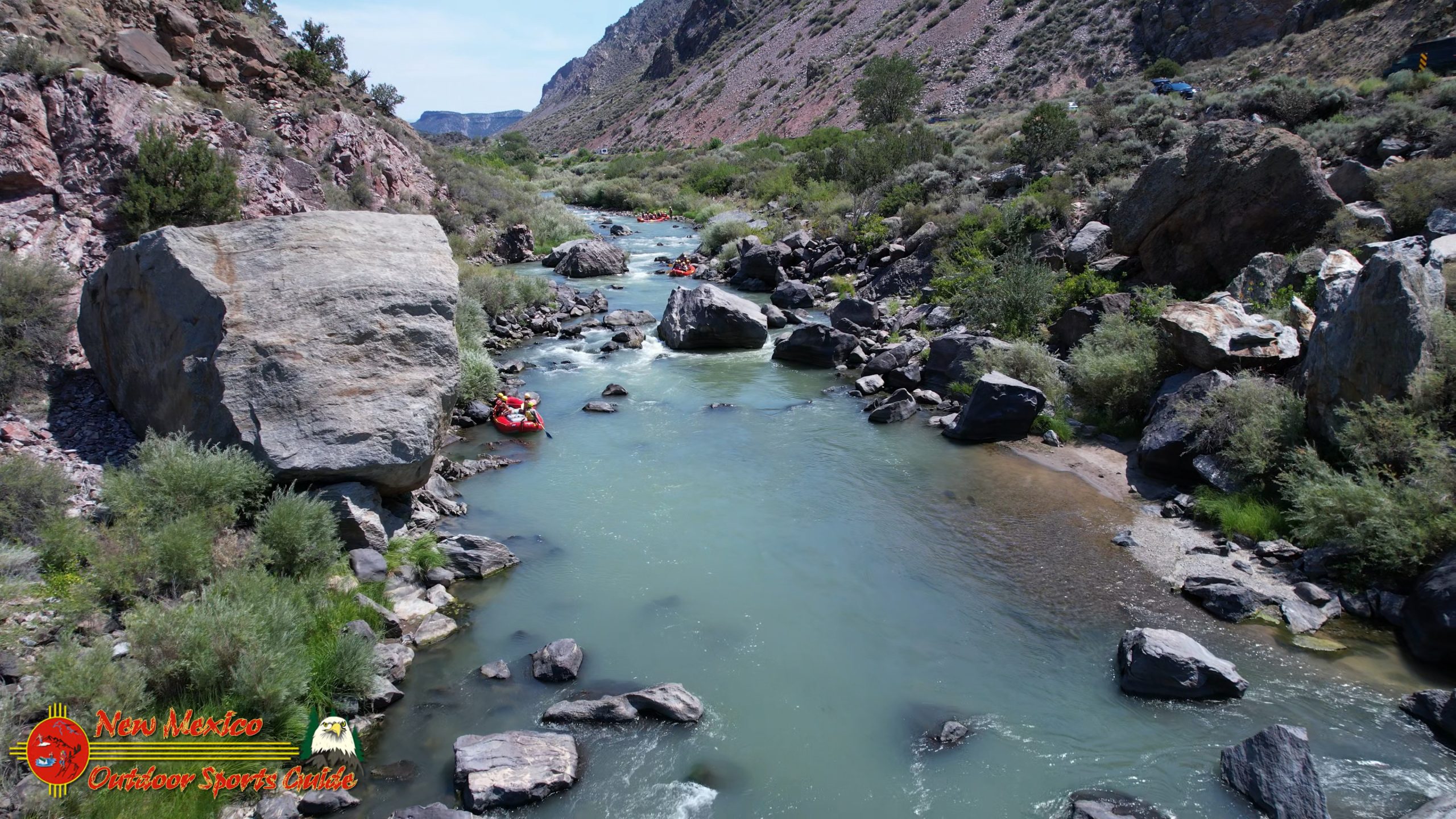
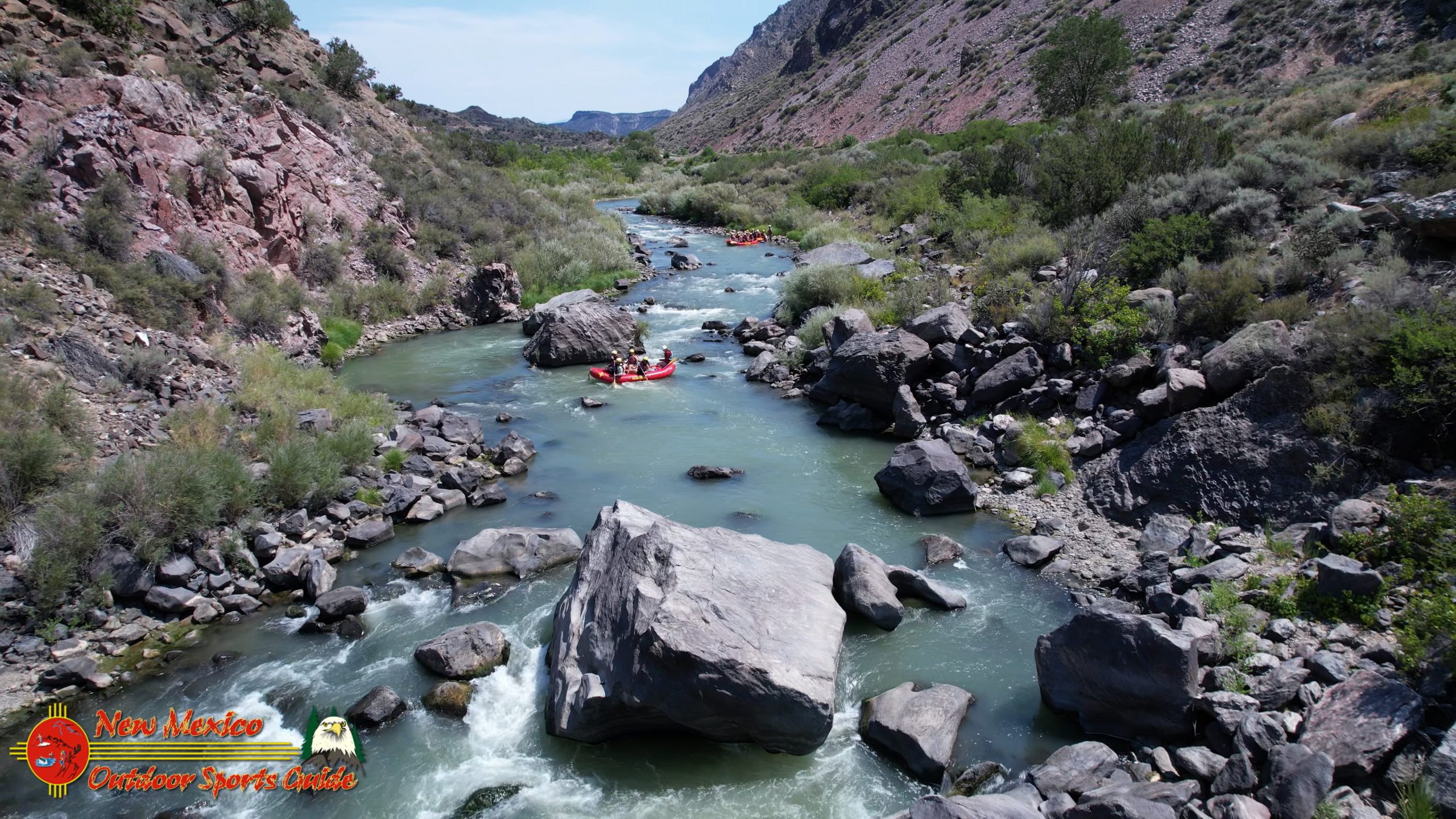
The Rio Grande was running lower than I'd ever seen it. Drought conditions and unpredictable monsoon levels had left the river exposed, revealing boulders I'd never noticed before—some easily twenty feet in diameter, ancient sentinels that normally hide beneath the rushing waters. The contrast was striking: during spring runoff, this same river becomes a churning torrent that challenges even experienced rafters. Now, in the grip of a dry summer, it had transformed into a technical obstacle course.
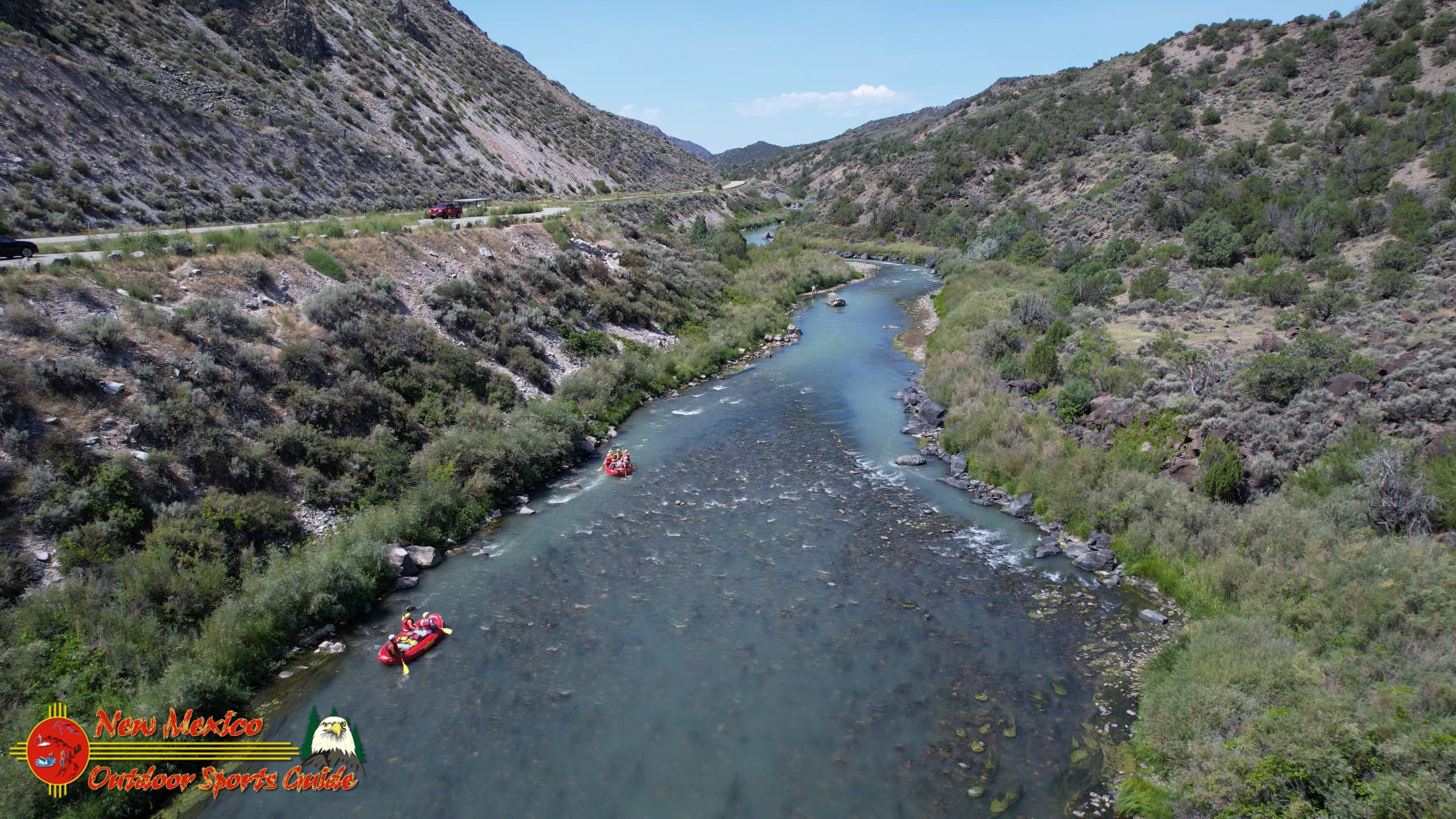
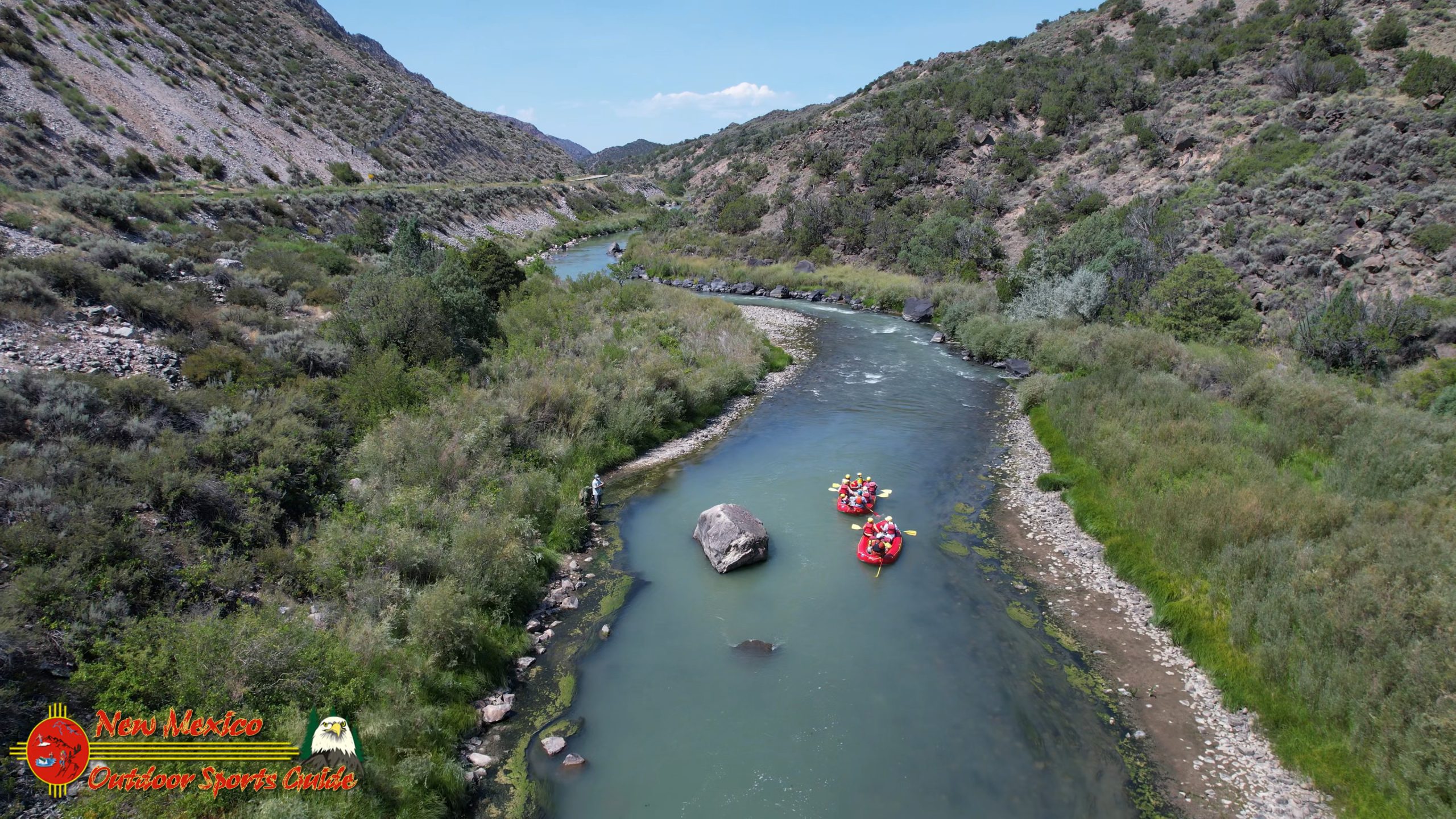
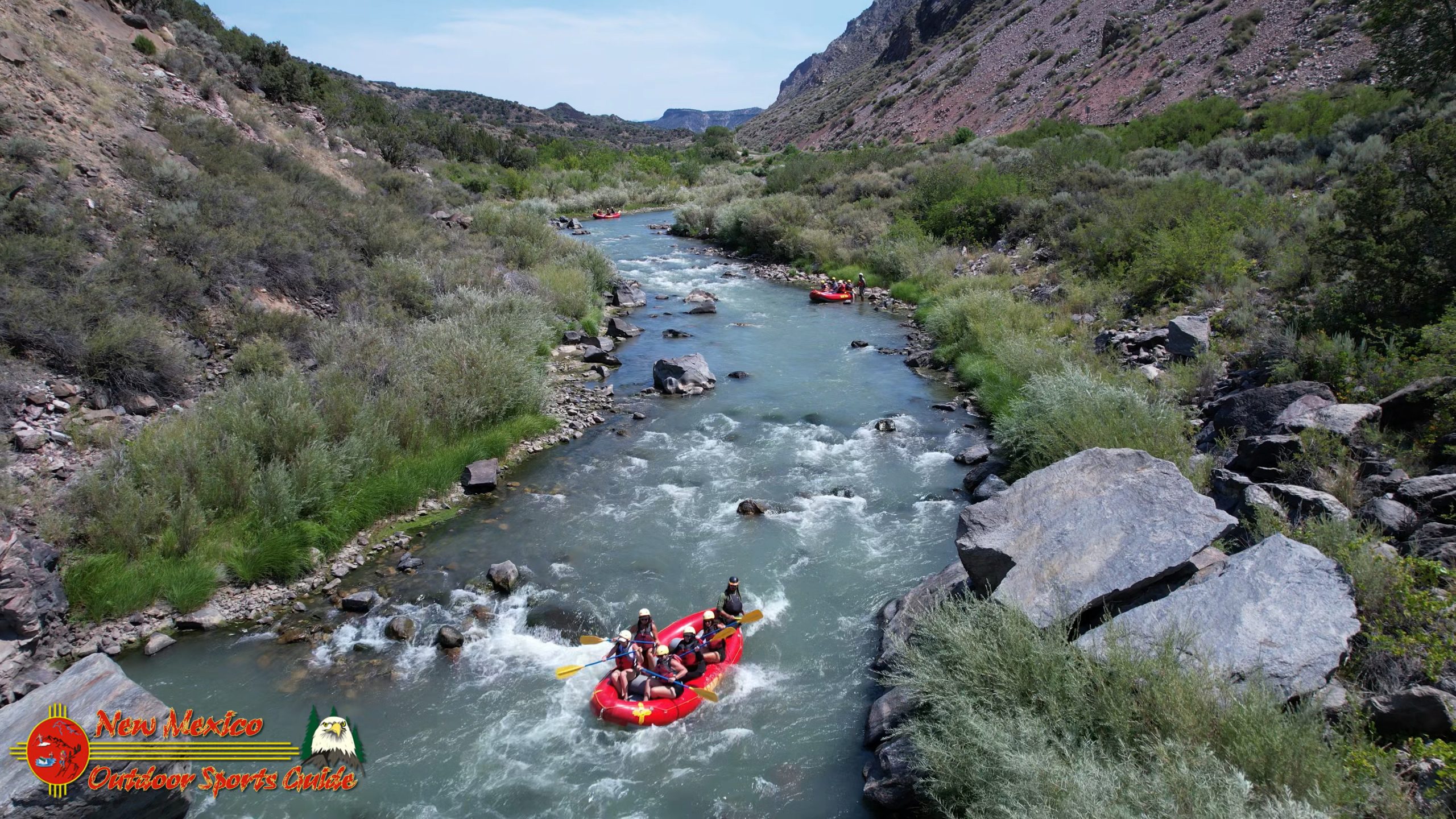
But the whitewater rafters were loving every minute of it. Their excited voices echoed off the canyon walls as expert guides earned their pay, threading inflatable boats between house-sized boulders with the skill of surgeons. Watching through my drone's camera, I captured these graceful vessels gliding downstream, their passengers grinning with the pure joy of adventure as they navigated the Rio Grande's ever-changing personality.
The Living River: Whitewater Adventure in Sacred Space
There's something deeply moving about watching people experience the Rio Grande Gorge from water level. These rafters weren't just tourists on a thrill ride—they were participants in an ancient dialogue between human and nature, temporary visitors to a conversation that's been going on for millennia.
The Rio Grande itself is far more than just a river. The Rio Grande Wild and Scenic River, located within the Rio Grande del Norte National Monument, includes 74 miles of the river as it passes through the 800-foot deep Rio Grande Gorge. This designation recognizes not just the recreational value, but the ecological importance of this waterway that has shaped the landscape and supported life for thousands of years.
From my position on the river’s edge, drone hovering above the action, I could see the full drama unfolding. The towering basalt walls rose like the sides of a natural amphitheater, their dark surfaces broken by ledges where hardy plants clung to life. Below, the guides called out instructions while their passengers laughed and paddled, their bright rafts adding splashes of color to the ancient palette of stone and sky.
The Taos Plateau: Where Geology Meets Geography
The Rio Grande Gorge doesn't exist in isolation—it's part of a larger geographical story that includes the Taos Plateau, which marks the southernmost end of the San Luis Valley. This massive valley stretches northward into Colorado, making it one of the largest high-altitude valleys in North America. Standing on the rim of the gorge, you're witnessing the dramatic southern terminus of this geological giant.
The town of Taos itself, nestled in this valley at the base of the Sangre de Cristo Mountains, has been drawing visitors for centuries. Native American pueblos, Spanish colonists, Anglo settlers, and modern-day artists have all found something compelling about this landscape. From my vantage point above the Rio Grande Gorge, I could understand why. There's a quality of light here, a sense of space and possibility, that seems to expand the soul.
The Sangre de Cristo range—"Blood of Christ" mountains—earned their name from the way they glow red at sunrise and sunset. These peaks, some reaching over 13,000 feet, create a dramatic eastern backdrop for the entire valley. On clear days (unlike my smoky August visit), their snow-capped summits provide a stunning contrast to the high desert landscape below.
Wildlife and Wilderness: A Living Ecosystem
The Rio Grande Gorge isn't just a pretty place—it's a thriving ecosystem that supports an incredible diversity of wildlife. Abundant wildlife, including Rocky Mountain bighorn sheep, mule deer, Rocky Mountain elk, pronghorn, and antelope, attract hunters and wildlife watchers. The river also provides habitat for the recently‐reintroduced North American river otter.
During my decades of exploring this area with camera in hand, I've been privileged to witness all of these creatures in their natural habitat. There's nothing quite like spotting a bighorn sheep navigating the seemingly impossible cliff faces, or watching elk emerge from hidden valleys in the early morning light. The area provides habitat for Gunnison's prairie dog, black bear, coyote, red fox, cougars, and bobcats—a reminder that this landscape supports a complex web of life.
The Challenge of a Changing Climate
My August 2025 visit served as a sobering reminder that even the most timeless landscapes face unprecedented challenges. The smoke that obscured my familiar view wasn't just an inconvenience—it was a symptom of broader changes affecting the entire Southwest. Climate is increasing fire risk year-round, with droughts becoming more common partly from rising temperatures in the state that evaporate water from streams.
The low water levels I observed in the Rio Grande tell a similar story. While natural variation in precipitation has always been part of life in the high desert, the combination of reduced snowpack, earlier snowmelt, and increased evaporation is creating new challenges for both the ecosystem and the ever growing human communities that depend on this water.
Yet there was something hopeful about watching those rafters navigate the low water conditions with such obvious joy. Adaptation, resilience, the ability to find adventure and beauty even when conditions aren't perfect—these are qualities that have always defined life in the American Southwest.
A Photographer's Paradise
From a purely aesthetic standpoint, the Rio Grande Gorge offers endless opportunities for photographers and videographers. The interplay of light and shadow on the canyon walls changes throughout the day, creating an ever-shifting palette of colors and textures. In my years of documenting the wilderness and wildlife of the American Southwest, I've returned to this location again and again, each visit revealing new perspectives and possibilities.
The gorge looks different in every season and at every hour. Winter brings snow that transforms the dark basalt into a study in black and white. Spring runoff fills the river to its banks, creating the kind of whitewater that draws rafters from across the country. Summer heat creates dramatic thermal updrafts that soar above the canyon walls, while autumn light seems to set the entire landscape ablaze.
From the rim, the scale is overwhelming—you feel like you're standing at the edge of the world. From the river bottom, the perspective flips completely, and you're dwarfed by walls that seem to reach toward infinity. Every viewpoint tells a different story, captures a different emotion.
The Human Story
What makes the Rio Grande Gorge truly special isn't just its geological significance or its stunning beauty—it's the way it has touched human hearts for generations. From the ancestral Puebloan peoples who first called this area home, to the Spanish explorers who gave the Rio Grande its name, to modern adventurers seeking their next whitewater thrill, this landscape has been shaping human stories for centuries.
My own story is just one thread in this larger tapestry. That young pilot who first crested the gorge rim fifty years ago couldn't have imagined he'd still be returning as an octogenarian with a drone and a camera, still finding new ways to appreciate this remarkable place. But that's the power of truly special landscapes—they grow with you, revealing new facets and depths as your own perspective evolves.
Looking Forward
As I drove back to Casa Santa Fe that August afternoon, the heat shimmers rising from the asphalt and the smoky haze still obscuring the distant mountains, I found myself already planning my next visit. Maybe I'll return in autumn when the air clears and the light turns golden. Maybe I'll bring different equipment, try a different approach, seek a different story.
Or maybe I'll just go to sit on the rim and remember that first breathtaking moment from fifty years ago, when a young aviator from the Texas Gulf Coast discovered that some places have the power to claim your heart forever.
The Rio Grande Gorge will outlast us all, continuing its patient work of carving deeper into the earth while the river flows toward the Gulf of America. The rafters will keep coming, seeking their moments of adventure between the ancient walls. The wildlife will adapt and endure. The light will continue to paint new masterpieces on the canyon walls with each passing hour.
And somewhere out there, another young traveler will round that curve near Pilar, begin the climb toward the rim, and experience their own moment of breathless wonder when one of nature's greatest masterpieces reveals itself for the first time.
That's the real magic of the Rio Grande Gorge—not just its timeless beauty, but its power to create new connections, inspire new stories, and remind us all of our place in the grand sweep of geological time. In a world that often feels fragmented and hurried, this ancient landscape offers something increasingly rare: a sense of permanence, perspective, and profound natural wonder that touches the soul and stays with you forever.
The Rio Grande Gorge isn't just a destination—it's a revelation, a reminder of what Earth can accomplish given enough time and the irresistible power of flowing water. And for those lucky enough to experience it, whether from the rim above or the river below, it becomes part of your story, woven into the fabric of your memory as permanently as the Rio Grande has carved its channel through the living rock.
0 Comments